


Oriental Enamel Dish
An oriental enamel dish brings intricate metallic wirework and vivid painted surfaces from nineteenth-century workshops directly into modern interiors.
Oriental Enamel Dish
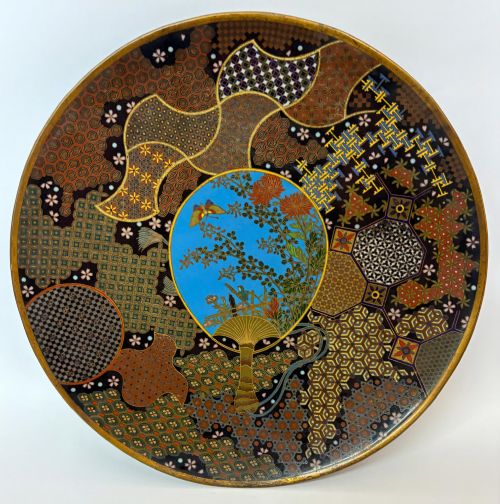
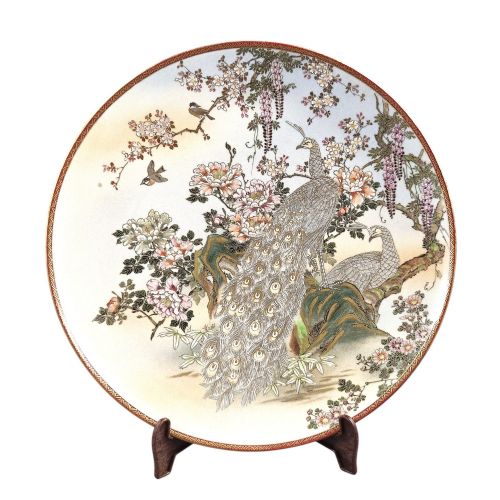
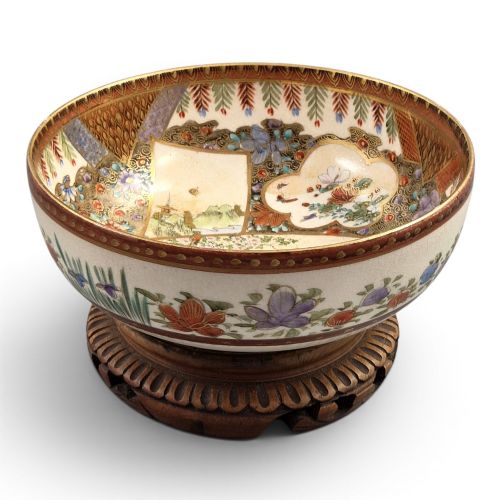
When searching for an oriental enamel dish, collectors encounter pieces originating primarily from Japanese Meiji period workshops and Chinese Qing dynasty kilns. These items typically take the form of decorative chargers, wide plates, and shallow bowls intended for display.
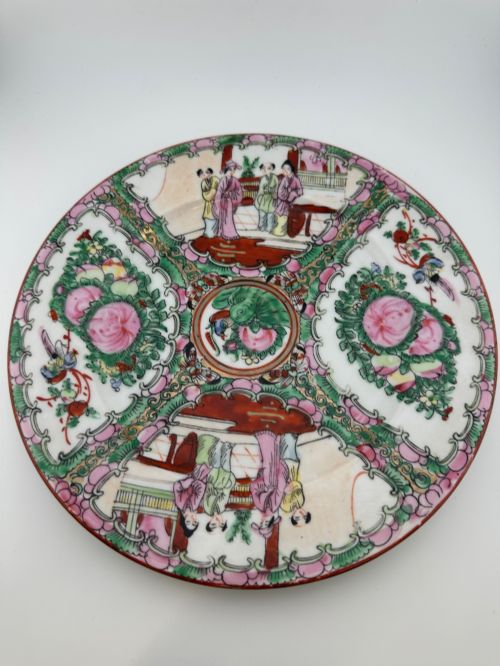
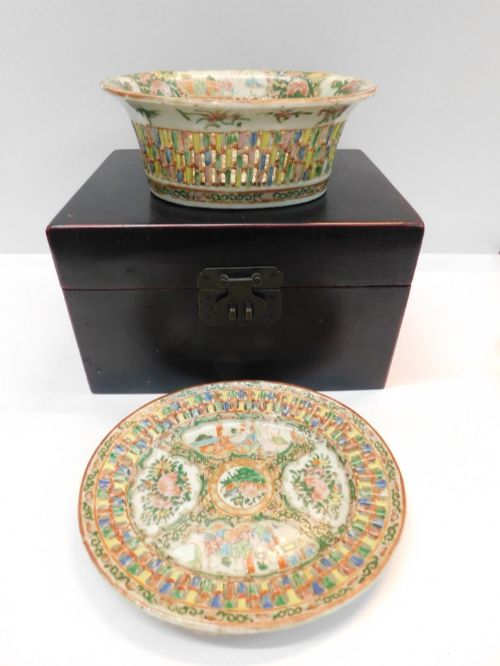
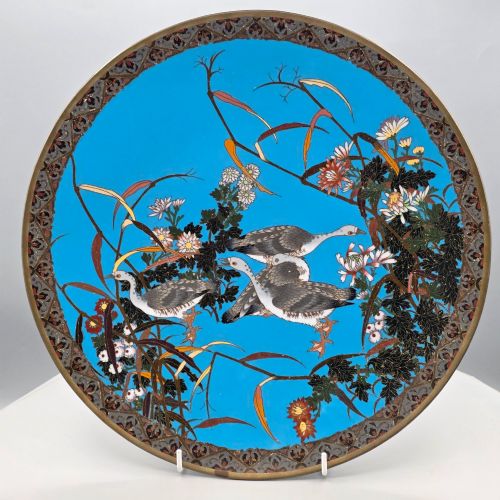
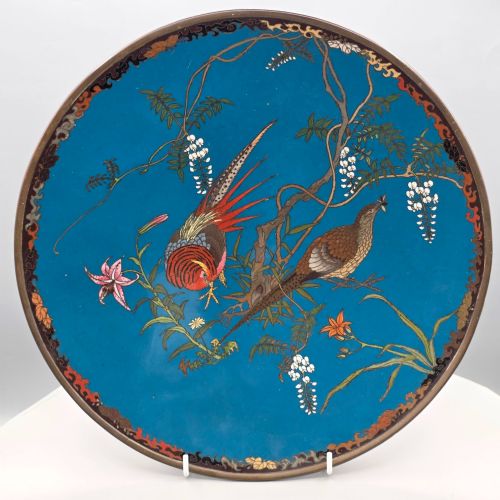
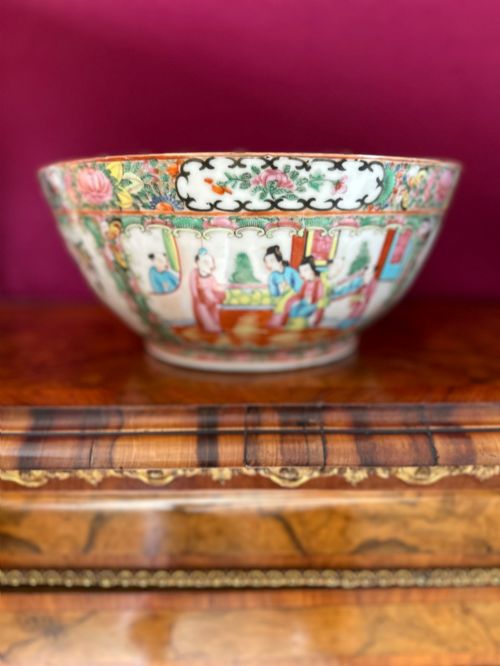
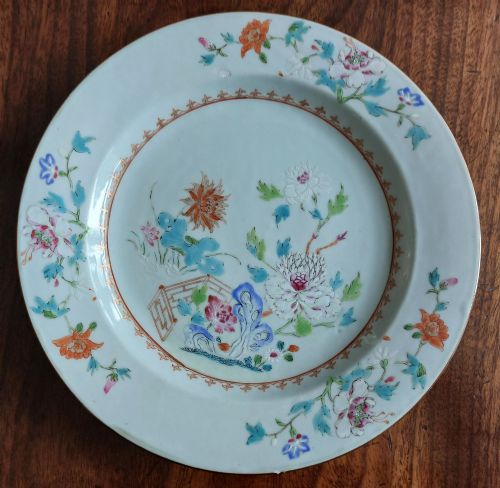
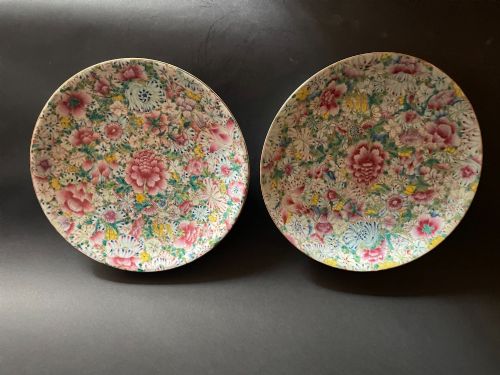
The most common examples on this page are Japanese cloisonne chargers and Chinese famille rose or Canton porcelain dishes. They date predominantly from the nineteenth century, spanning from the eighteen-eighties through to nineteen-hundred.
Materials and construction methods
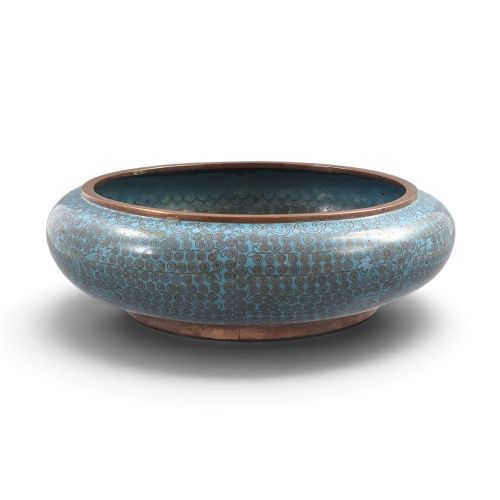
Artisans built cloisonne pieces by soldering thin flat metal wires onto copper or brass bases to form intricate cellular patterns. These individual compartments were subsequently filled with coloured enamel pastes and fired multiple times in a kiln.
Porcelain variants utilised fine ceramic bodies painted by hand with mineral pigments and gold leaf accents. Potters fired these vessels at high temperatures to achieve durable colourful glazes characteristic of Satsuma and Kutani wares.
Distinctions in craftsmanship and design
Quality rests in the precision of the metal wirework and the complexity of the pictorial subject matter. Superior examples display microscopic wire cells and detailed rendering of natural scenes, birds, or figures without surface pitting.
Workmanship also shows in the depth of the enamel polish and the harmony of the palette. Simpler patterns on standard brass or copper bases occupy the everyday tier of production.
Kozan·Meizan
The Oriental Enamel Dish Glossary
- Cloisonne Enamel
- A decorative technique where metal wires create compartments on a metal base to hold coloured glass paste. This method requires repeated kiln firings and meticulous surface polishing.
- Charger
- A large ornamental plate designed primarily for display on a wall or sideboard rather than for serving food. These pieces often measure over thirty centimetres across.
- Famille Rose
- A palette of opaque Chinese ceramic glazes dominated by pink and rose enamel colours introduced during the Qing dynasty. The style frequently depicts floral arrangements and court figures.
- Meiji Period
- The era in Japanese history spanning from eighteen-sixty-eight to nineteen-twelve marked by opening trade and exceptional decorative metalwork. Imperial workshops during this time produced intricate cloisonne vessels.
- Satsuma Ware
- Japanese earthenware pottery featuring a crackle-glaze ivory body decorated with detailed polychrome enamels and gilding. Bowls and chargers in this style often incorporate figurative scenes.
Oriental Enamel Dish: Frequently Asked Questions
How do I display an oriental enamel dish safely?
These decorative chargers and plates suit wall mounting using specialised coated wire hangers designed for heavy ceramics or metalwork. Alternatively, stable desktop stands support bowls and trays securely on flat surfaces.
Keep pieces away from direct sunlight to preserve the vibrancy of the enamel colours and avoid damp environments that might affect copper or brass bases.
Were these dishes used for dining or display?
Larger chargers and heavily wired cloisonne items served purely as decorative objects in traditional interiors. Their complex surface designs and metal compartments made them unsuitable for practical food service.
Smaller porcelain dishes and bowls saw occasional use for presentation or scholar's desk accessories, though most surviving examples functioned as ornamental art.
How do I clean antique enamel and porcelain?
Dust surfaces gently using a soft dry microfiber cloth or a clean artist's paintbrush to remove accumulated particles. Avoid commercial liquid cleaners, harsh abrasives, or soaking.
Moisture can seep into microscopic gaps in the glaze or oxidise exposed metal elements, so dry maintenance remains the safest approach for antique pieces.
How can I tell Japanese work from Chinese work?
Japanese cloisonne from the Meiji period typically utilises thin brass or copper wires on metal foundations with highly naturalistic bird and landscape motifs. Chinese pieces often incorporate porcelain bodies with famille rose enamels or distinct bronze vessel forms.
Examining the base and the style of the pictorial composition usually reveals the specific regional workshop tradition.