






Arita Porcelain Charger
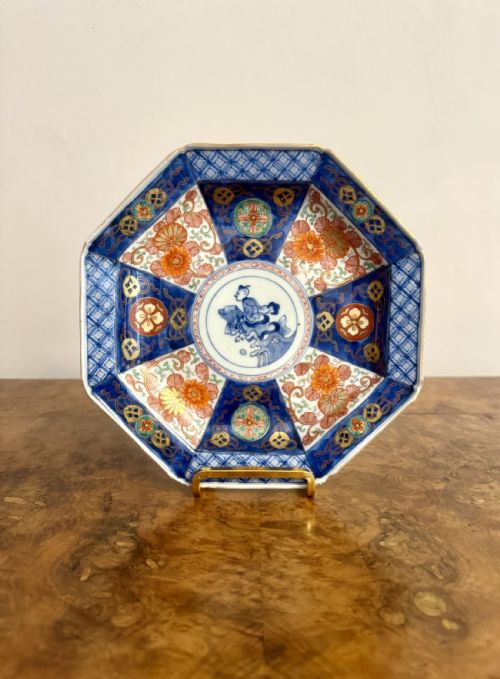
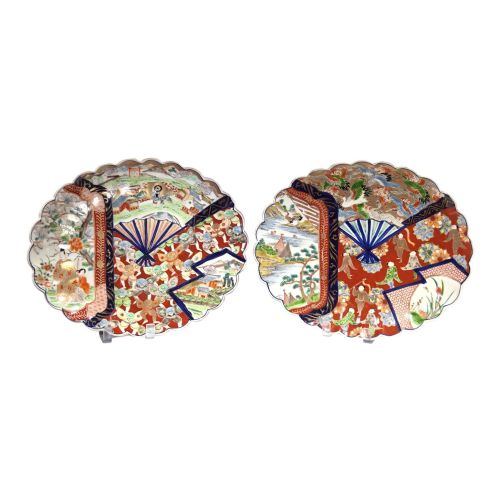
An arita porcelain charger brings dramatic hand-painted colour and intricate historical pattern directly into a room.

Arita Porcelain Charger
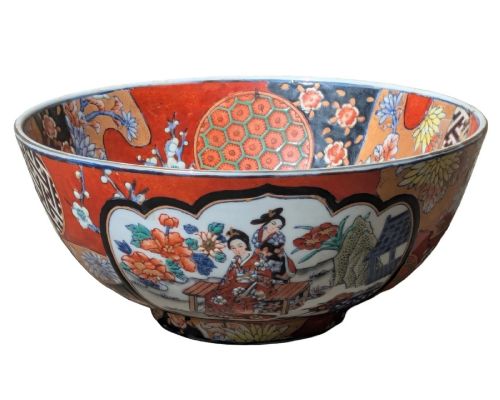
An arita porcelain charger is a wide decorative ceramic plate or shallow dish originating from the Japanese town of Arita. These pieces span centuries of production, appearing frequently from the Edo and Meiji periods up through the early twentieth century.
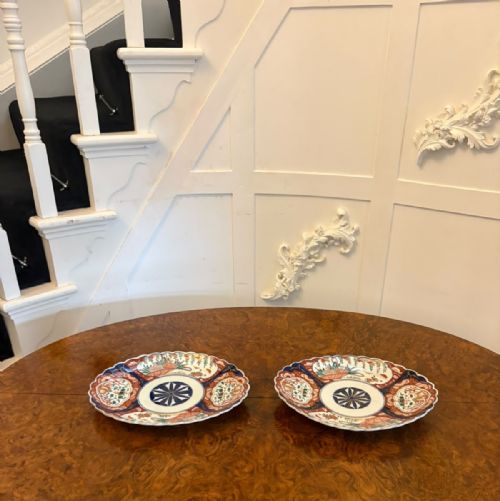
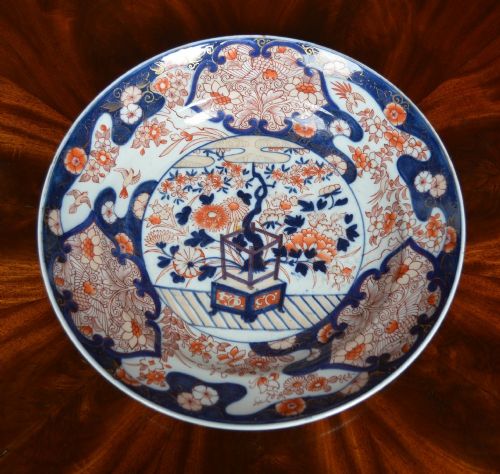
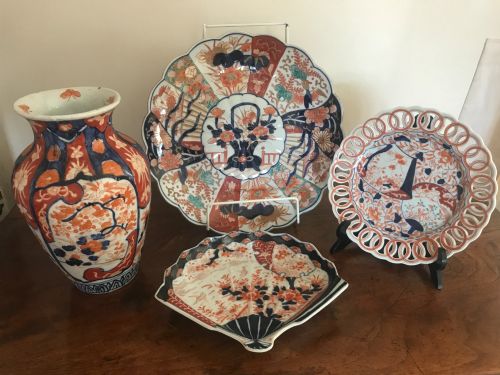
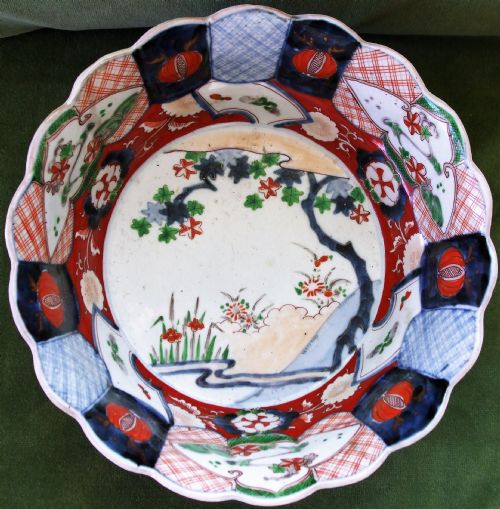
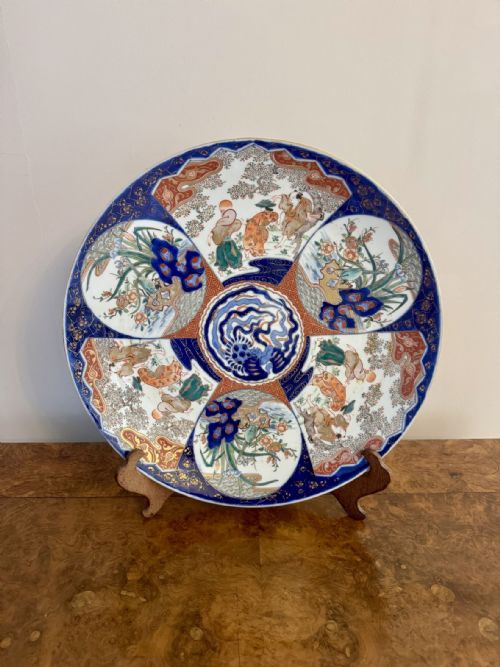
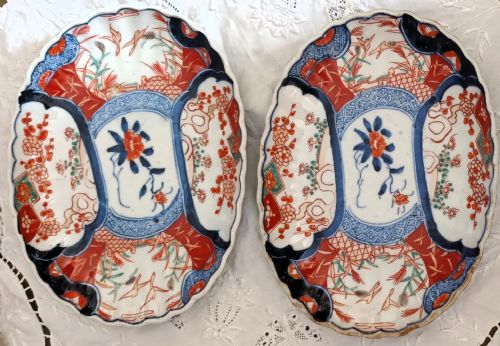
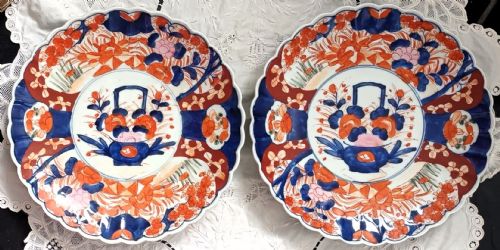
The selection here includes large display dishes, scallop-edge bowls, and flat chargers featuring traditional Japanese Imari patterns alongside blue and white floral designs. Buyers searching for an arita porcelain charger will encounter substantial circular and shaped presentation pieces intended for visual impact.

How they were made
Potters shaped fine ceramic clay into broad dishes and fired the pieces to form a durable porcelain base. Artisans applied cobalt underglaze beneath the transparent glassy coat to establish deep blue motifs before subsequent kiln firings.
Painters then added detailed enamel pigments, often combining gold leaf, gilding, and gold gilt highlights over the glaze. This layered technique produced the vibrant palette characteristic of traditional Imari ware.
Listings feature pieces spanning the eighteenth century, the Edo and Meiji periods, and the early twentieth century, utilising cobalt underglaze, enamel, and gold leaf.
What varies in quality
The precision and brushwork of the hand-painted decoration distinguish superior examples from standard production. Artisans executing complex floral, bird, or koi carp motifs with exceptional fluidity create pieces of notable visual depth.
Unusual forms, such as fan shapes, hexagonal edges, or large diameters, demand greater technical skill in firing and balancing the clay. The richness of the enamel colours and the careful integration of gold leaf further separate the finest pieces.
The Arita Porcelain Charger Glossary
- Imari
- A traditional Japanese style of porcelain decoration originating in Arita, typically characterised by a palette of cobalt blue, iron red, and gold.
- Underglaze
- Pigment applied directly to the raw ceramic body before the application of a transparent glaze and subsequent high-temperature firing.
- Charger
- A large decorative plate or platter traditionally utilised for ceremonial display rather than practical dining.
- Meiji Period
- An era in Japanese history spanning from eighteen sixty-eight to nineteen twelve, noted for significant artistic production exported worldwide.
- Edo Period
- The historical period in Japan lasting from sixteen hundred and three to eighteen sixty-seven, known for the establishment of refined ceramic traditions.
Arita Porcelain Charger: Frequently Asked Questions
How were these chargers used historically?
Historically, large chargers functioned as decorative display items within wealthy households. People placed them on sideboards or mounted them on walls to showcase their artistic value.
In Japanese tradition and international trade, such ceramics demonstrated refined taste. Their durability and rich colour palettes ensured they remained prized interior ornaments.
How do I identify Meiji period chargers?
Meiji period chargers typically date between eighteen sixty-eight and nineteen twelve, reflecting the opening of international trade during that era. The decoration often displays dense, vibrant Imari patterns with generous use of enamel and gold.
Examining the foot ring, glaze texture, and painting style helps distinguish these late nineteenth-century works from earlier Edo examples.
How do I live with antique porcelain chargers?
Living with antique chargers involves displaying them securely on sturdy wall brackets or dedicated plate stands. Placing them away from direct sunlight helps preserve the delicate enamel colours and gold leaf highlights over time.
Routine maintenance requires only gentle dusting with a soft, dry cloth to protect the historic glazed surface.