










Imari Wall Chargers
These imari wall chargers bring strong colour and pattern to a room, spanning Japanese Meiji and Edo periods alongside Chinese export pieces.

Imari Wall Chargers
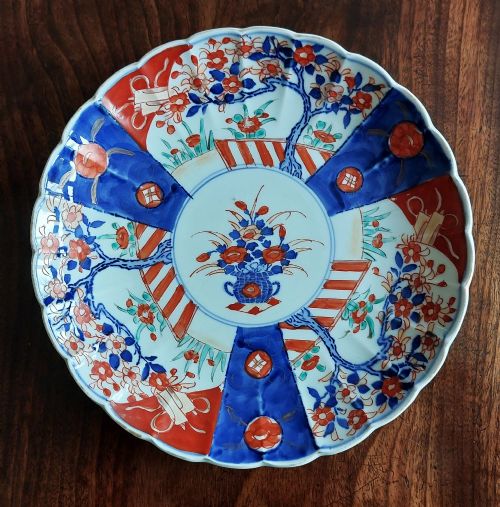
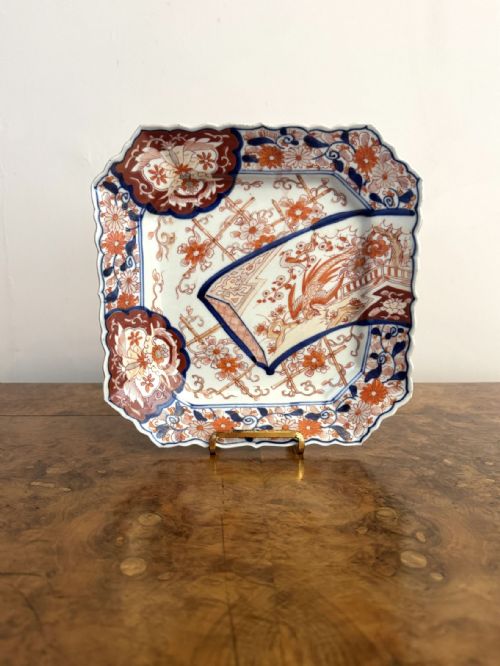
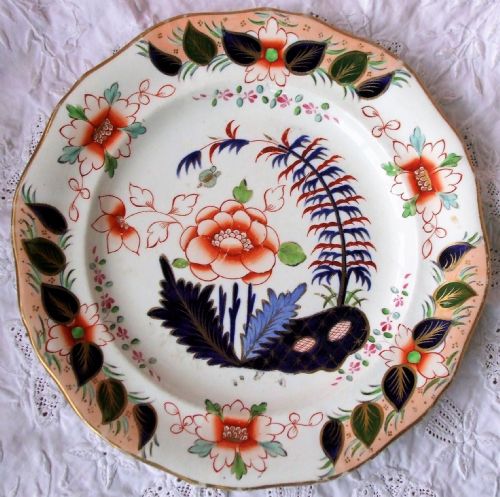
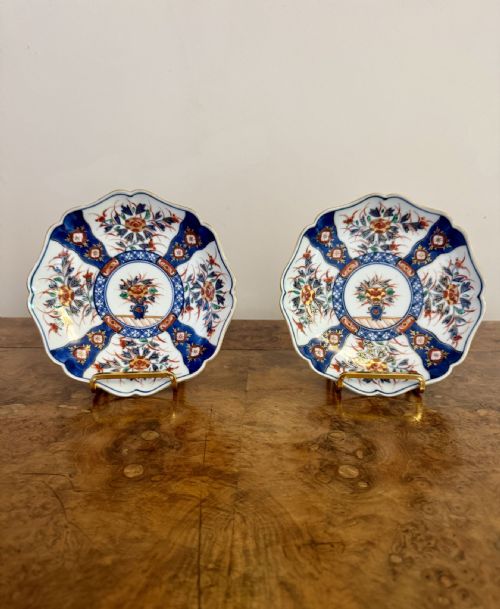
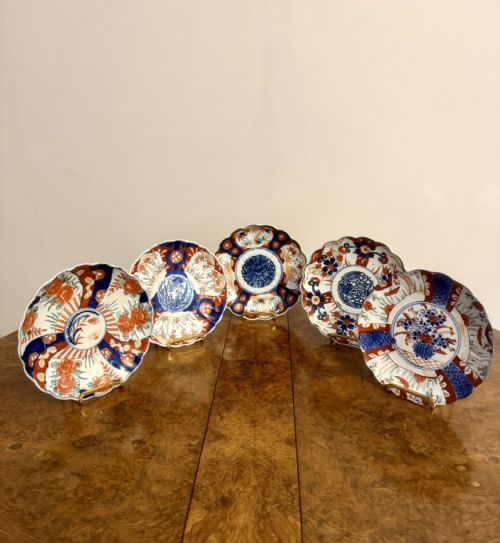
Imari wall chargers take several forms across this selection, appearing as large circular chargers, scalloped edge dishes, and square shaped plates designed for display. These pieces originate predominantly from the Meiji and Edo periods in Japan, alongside Chinese export items and nineteenth century English ironstone interpretations.
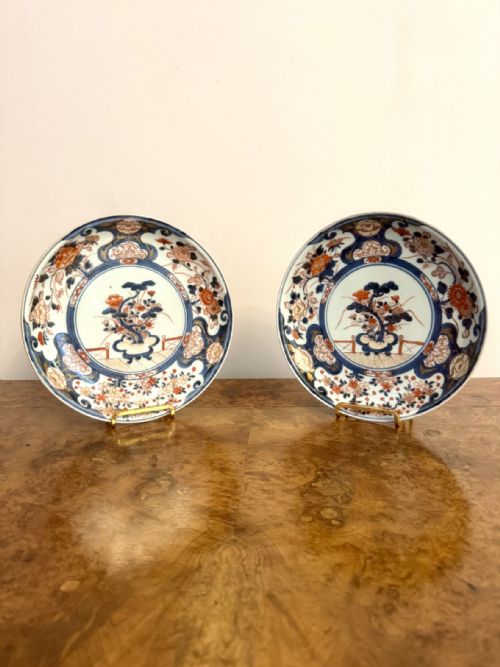
Buyers encounter standard circular chargers alongside pairs of decorative dishes depicting subjects such as the Seven Lucky Gods and exotic birds. The forms range from standard twelve inch diameters to larger display pieces intended to hang on walls or sit upon surfaces.
Materials and technique
The makers utilised porcelain and ceramic bodies finished with cobalt underglaze, enamel, and glaze. These mineral colours sit beneath or above the glaze to create the characteristic blue and white palette enriched with iron red and other highlights.
Gold leaf and gilt provide decorative accents across many surfaces, applied by hand to accent the painted motifs. Artisans shaped these pieces into rounds, squares, and scalloped edges before firing.
Listings feature porcelain and ceramic pieces spanning the eighteenth, nineteenth, and early twentieth centuries, including Victorian era imports.
Assessing quality
Quality rests in the precision of the hand painting and the clarity of the cobalt underglaze against the enamel and gilt. Pieces with finer brushwork and more complex pictorial scenes stand apart from simpler utilitarian wares.
The crispness of moulded forms, particularly on scalloped or square plates, distinguishes finer examples. Preservation of the enamel and gold leaf through successive periods dictates the visual strength of each charger.
John Davenport of Longport
The Imari Wall Chargers Glossary
- Imari
- A style of ceramic originating in Japan and copied elsewhere, characterised by a palette of cobalt blue, iron red, and gilt. It takes its name from the port town used for export.
- Charger
- A large decorative plate intended for display on a wall or sideboard rather than for dining. These measure wider than standard dinner plates.
- Meiji Period
- The era in Japanese history spanning from 1868 to 1912, responsible for much of the decorative porcelain found in trade today. Work from this time often shows great intricacy in enamel and gilt.
- Scalloped Edge
- A decorative rim shaped into a series of curves resembling a scallop shell. This shaping appears frequently on Japanese plates and dishes.
- Cobalt Underglaze
- Pigment applied to the raw ceramic body before glazing and firing, producing a deep blue hue that remains sealed beneath the glassy surface.
Imari Wall Chargers: Frequently Asked Questions
How do I hang an imari wall charger safely?
Display requires a specialised spring clip hanger designed to distribute weight evenly around the rim of the ceramic. Proper mounting protects the edges from pressure fractures while holding the piece flat against the wall.
Selecting a wall space away from direct sunlight preserves the enamel and gilt colours over decades. Regular checks of the wire and wall fixing ensure the charger remains secure.
Can these chargers be used for serving food?
Historical wall chargers are primarily intended for display rather than culinary use. The iron red enamel and gilt decoration can wear down with frequent washing and cutlery contact.
Gentle dusting with a dry cloth keeps the surface clean without risking the glaze. Hand washing in tepid water with mild soap is suitable only when strictly necessary.
How do I date a nineteenth century imari piece?
Dating relies on stylistic markers, the weight and thickness of the porcelain body, and the brilliance of the cobalt underglaze. Nineteenth century examples from the Meiji period often display more complex pictorial narratives than earlier export wares.
Comparing the potting style and foot rim construction with documented examples helps narrow the decade of production. Documentation or historical pattern matches provide additional confirmation.