

Cobalt Blue Ceramic Urn
These cobalt blue ceramic urn pieces bring rich colour and classic form into a room, offering both decorative presence and historical depth.
What They Are
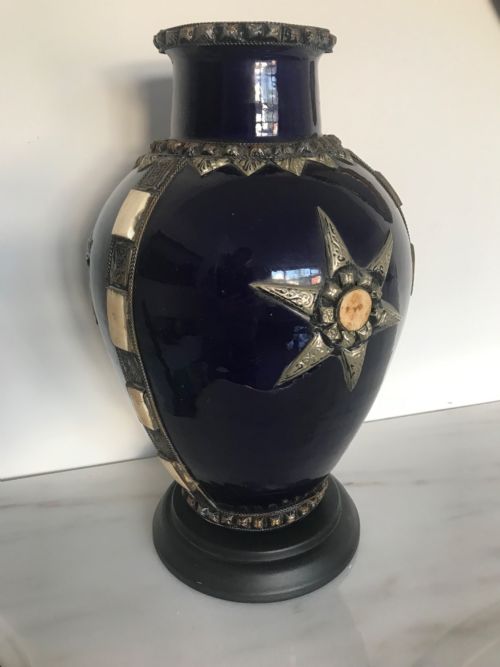
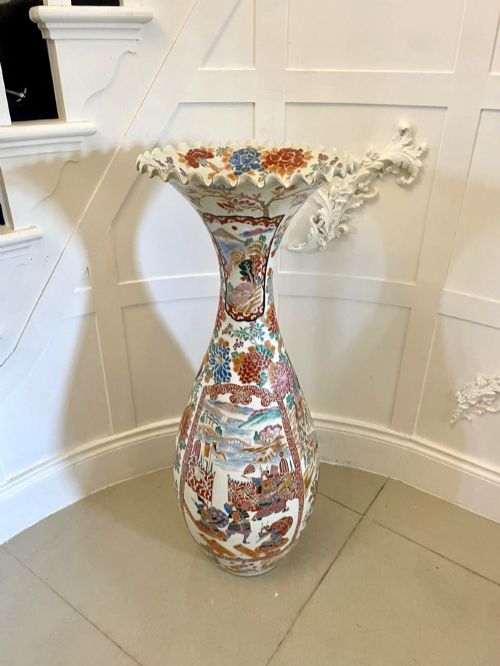
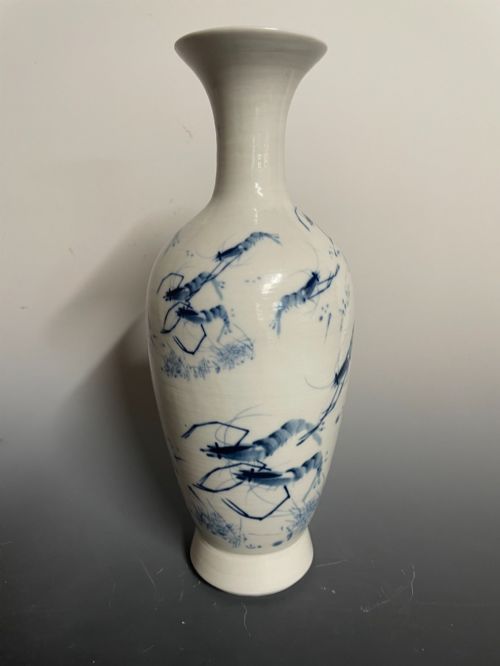
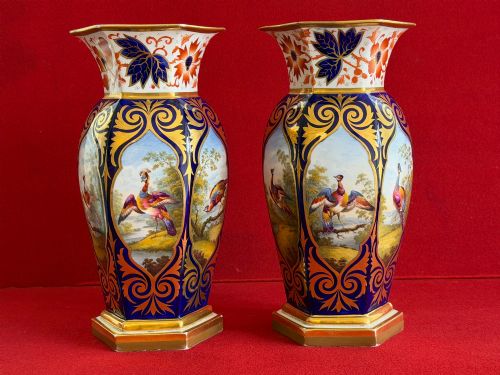
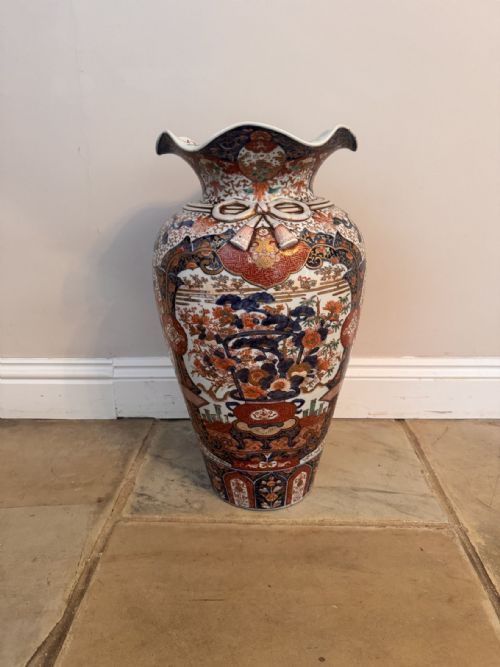
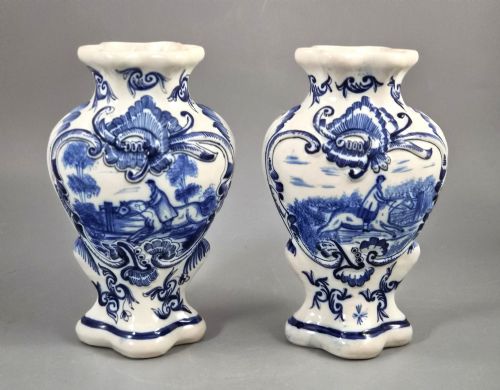
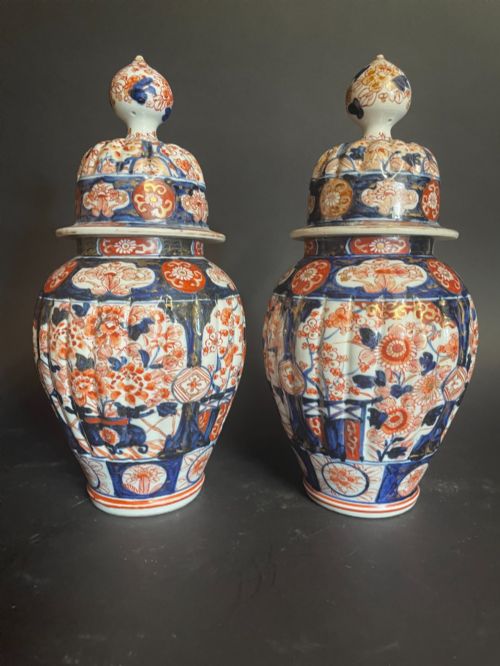
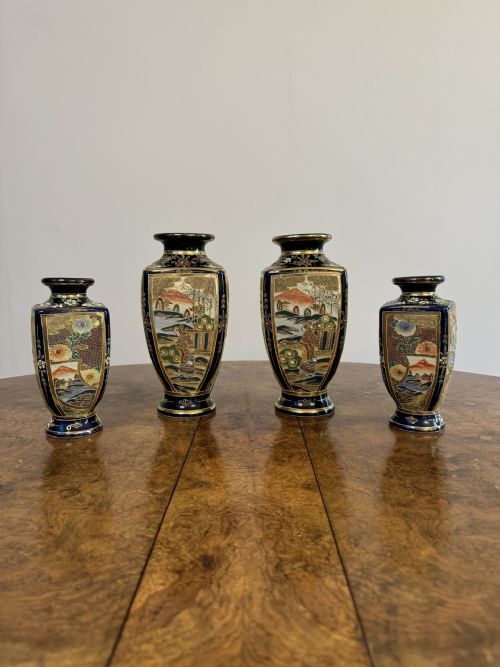
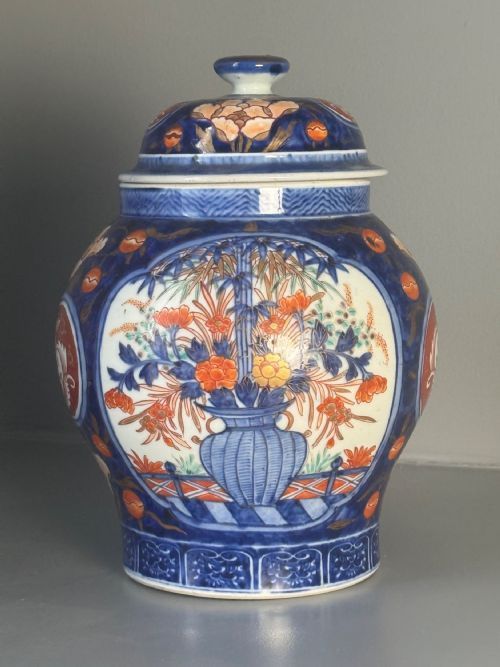
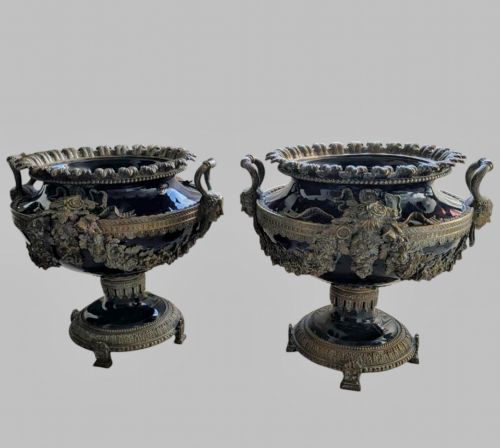
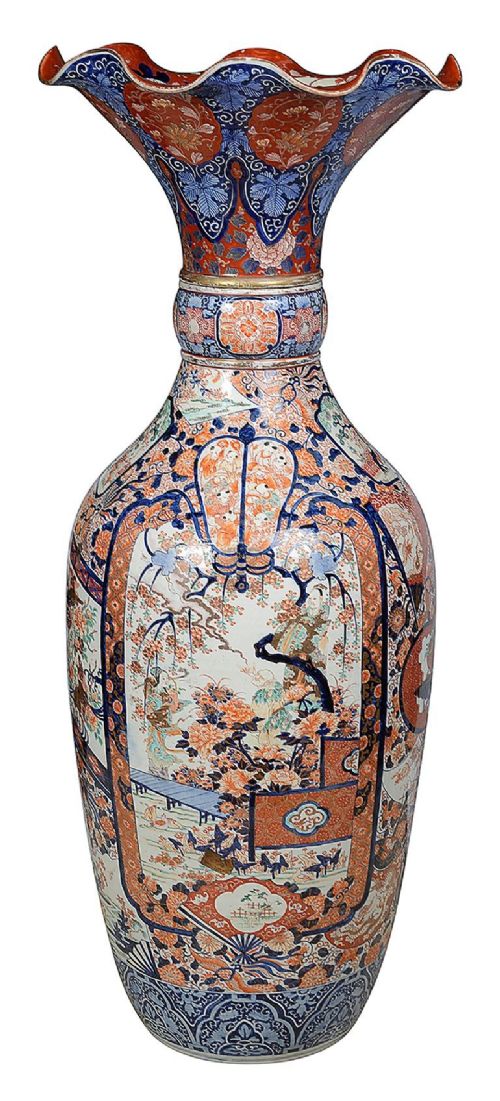
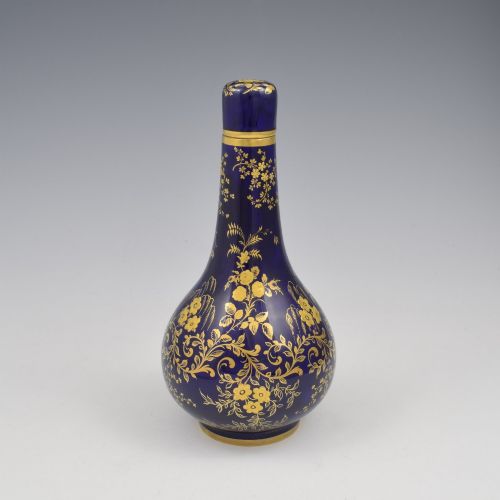
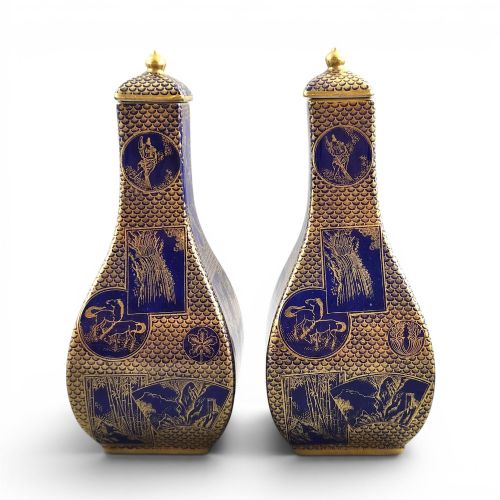
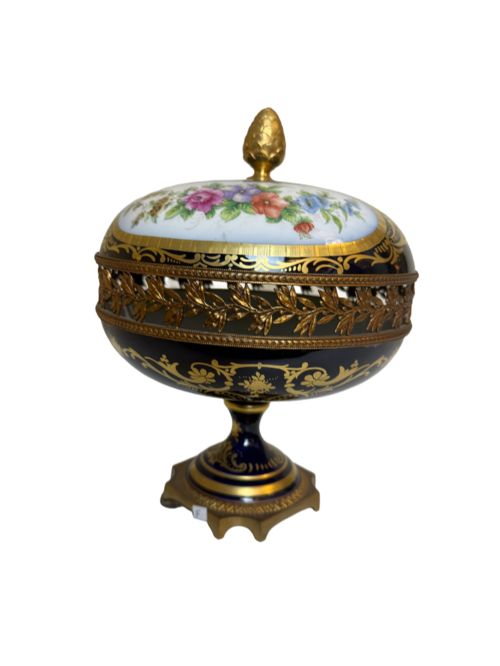
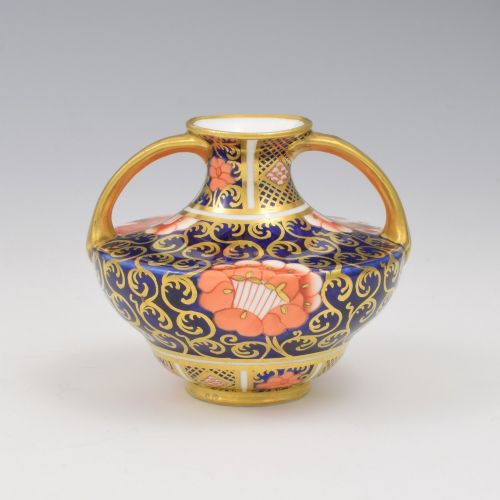
A cobalt blue ceramic urn spans several distinct forms, including jardinieres, lidded vases, and decorative urns. The selection on this page draws from nineteenth century origins, showcasing Victorian, French Rococo Revival, and Meiji Period styles.
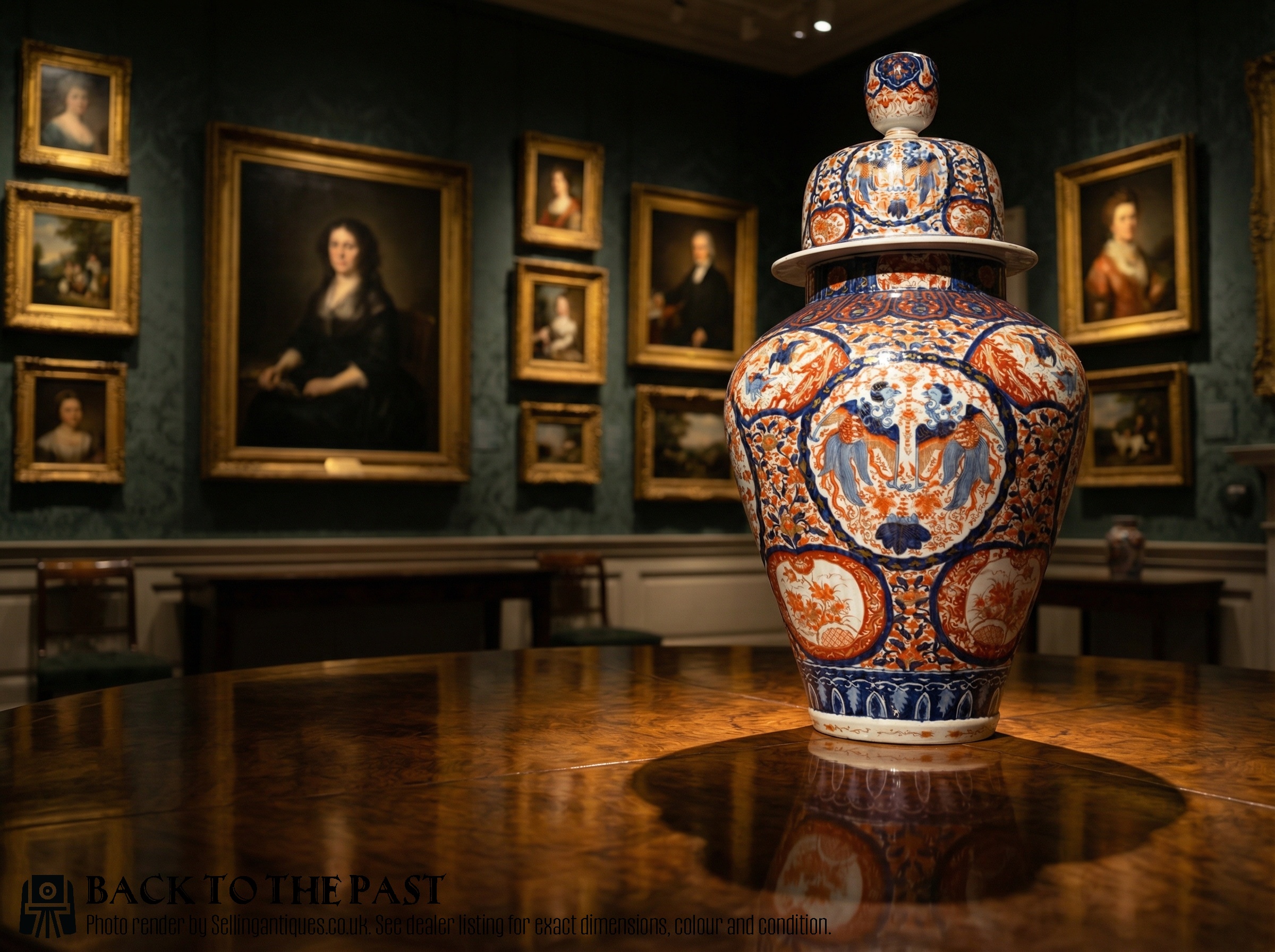
Buyers will encounter varied physical shapes ranging from lidded vessels to large jardinieres and vases. English Georgian porcelain, French pairs, Japanese Imari, and Minton majolica represent the primary stylistic traditions found here.
How They Were Made
The construction employs ceramic, porcelain, and earthenware bodies finished with lead glazes or coloured enamels. Artisans applied deep cobalt pigments directly to the ceramic base before firing to achieve the signature intense blue ground.
Many examples incorporate gilt bronze mounts or delicate applications of gold leaf to highlight handles, rims, and bases. Majolica pieces utilise specialised coloured lead glazes over earthenware to create vivid surface textures.
Retail Price Guide 2026
Typical UK retail prices for cobalt blue ceramic urn, calculated from the Sellingantiques database of over a million retail prices indexed since 2003. This retail price guide relies exclusively on Sellingantiques data; no external sources or auction records are used, so the figures do not describe the wider market.
Listings feature items from the nineteenth century, including specific years like eighteen-eighty and nineteen-hundred.
What Varies in Quality
Quality rests upon the depth and control of the cobalt glaze, where an even, luminous saturation distinguishes superior pieces from flat or mottled surfaces. The crispness of moulded relief work and the precision of applied gilt bronze or gold leaf further elevate the finer specimens.
The sophistication of the form also dictates standing, with balanced proportions and well-integrated covers or mounts setting apart the more accomplished Victorian and continental works.
The Cobalt Blue Ceramic Urn Glossary
- Cobalt blue
- A deep blue pigment derived from cobalt salts, used extensively in ceramic decoration for its stability at high firing temperatures.
- Majolica
- A type of earthenware coated with an opaque tin-lead glaze and decorated with vibrant coloured metallic oxides.
- Gilt bronze
- Bronze objects or mounts treated with a thin layer of gold, often found enhancing nineteenth century French and English ceramic vessels.
- Imari
- A traditional style of Japanese export porcelain featuring deep cobalt blue underglaze combined with iron red and gold.
Frequently Asked Questions
What is a cobalt blue ceramic urn used for?
These vessels serve primarily as decorative focal points within a room, often displayed on pedestals, mantelpieces, or large tables. Some forms like jardinieres were originally built to hold indoor plants.
Their substantial size and rich colour allow them to anchor an interior design scheme without needing additional contents. Collectors generally display them empty to appreciate the form and glaze.
How do I date a ceramic urn?
Dating relies on examining the ceramic body, the characteristics of the glaze, and any associated metal mounts or maker signatures. Stylistic clues such as Rococo Revival curves or Victorian proportions provide a reliable chronological window.
Comparing the weight of the paste and the method of manufacturing helps separate nineteenth century production from later reproductions.
Where were these urns made?
The pieces originate from multiple regions, with English, French, and Japanese workshops heavily represented in nineteenth century output. English makers produced robust majolica, while French ateliers focused on decorative mounts and revival styles.
Japanese kilns exported distinct Imari wares that combined traditional eastern motifs with Western demand.
How do I care for antique ceramics?
Dusting with a soft, dry cloth is usually sufficient for routine maintenance of glazed and gilded surfaces. Avoid using commercial cleaning liquids or abrasive materials that might damage the glaze or lift gold leaf.
Positioning the pieces away from direct sunlight and sudden temperature changes protects the ceramic body and any delicate surface mounts over time.