
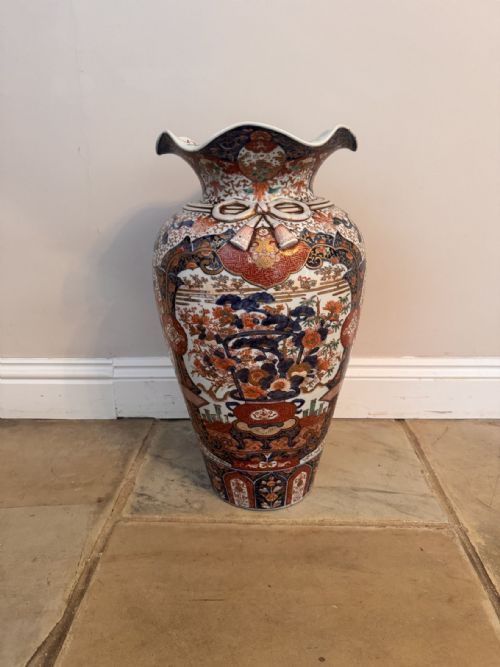
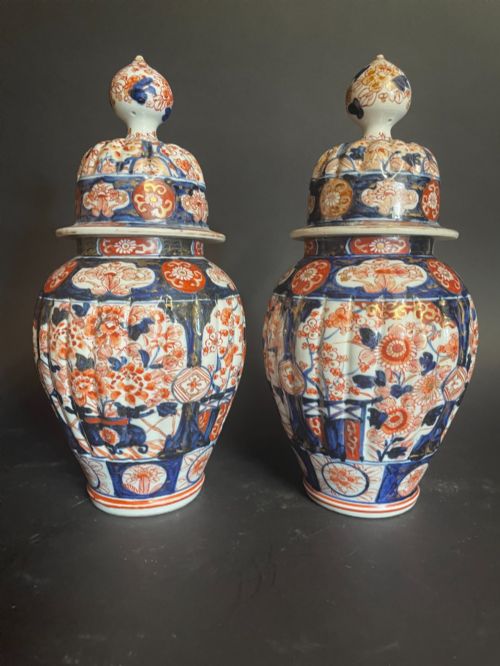
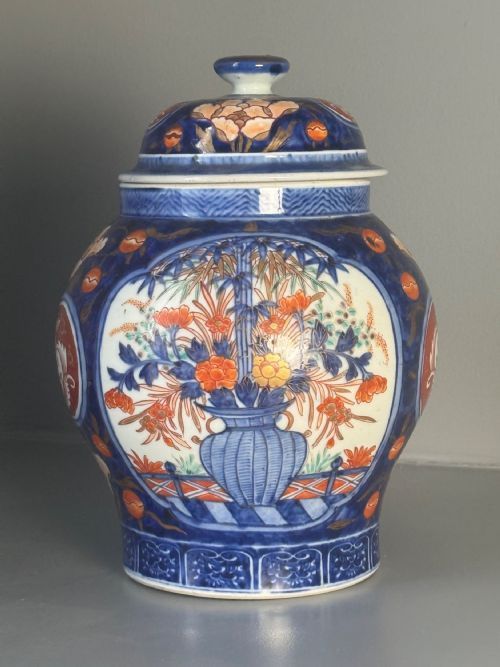
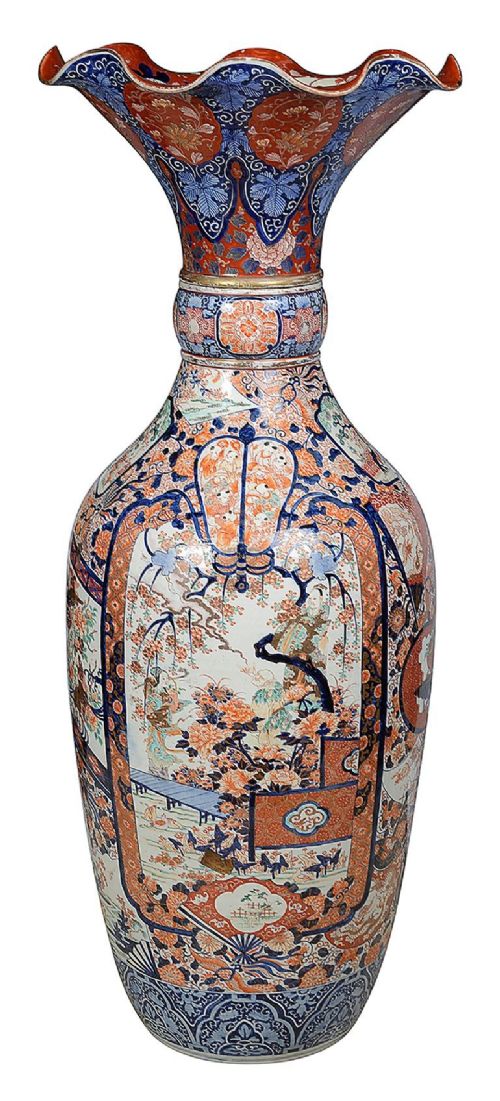
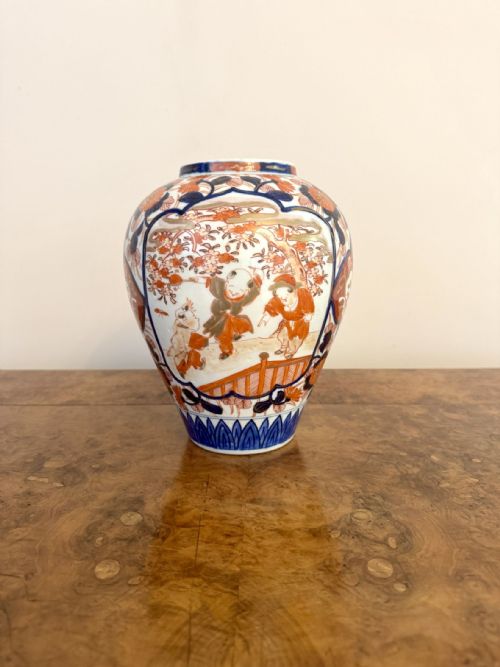
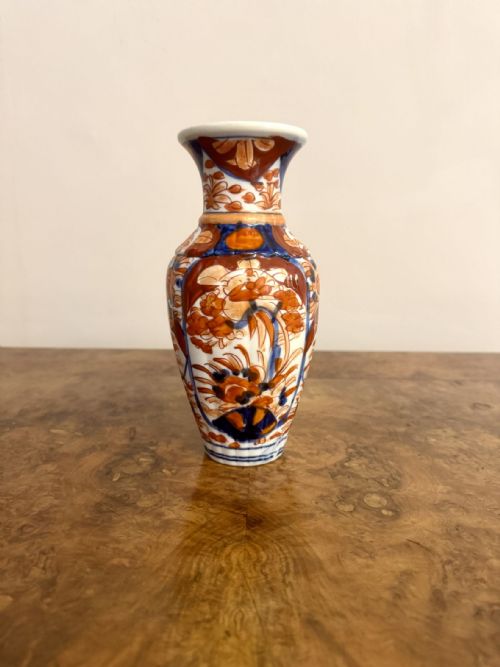
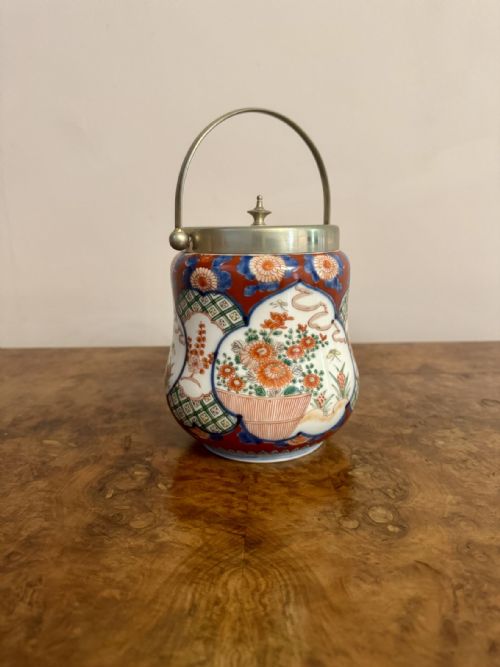
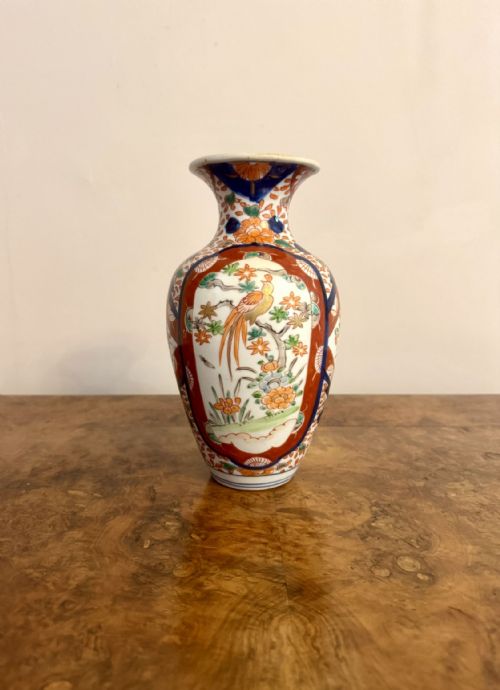
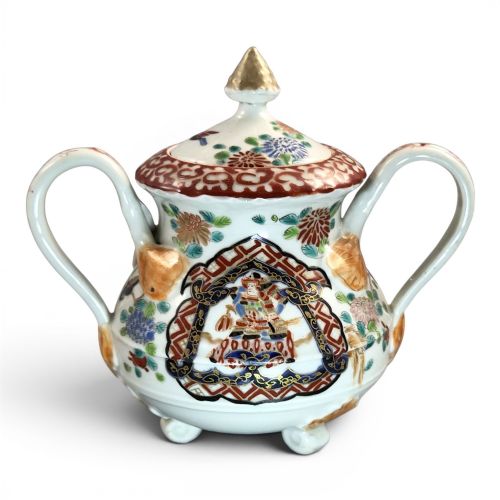


Japanese Imari Jar
A Japanese imari jar brings vibrant cobalt blue and iron red porcelain into a room, offering striking decorative presence for any interior.
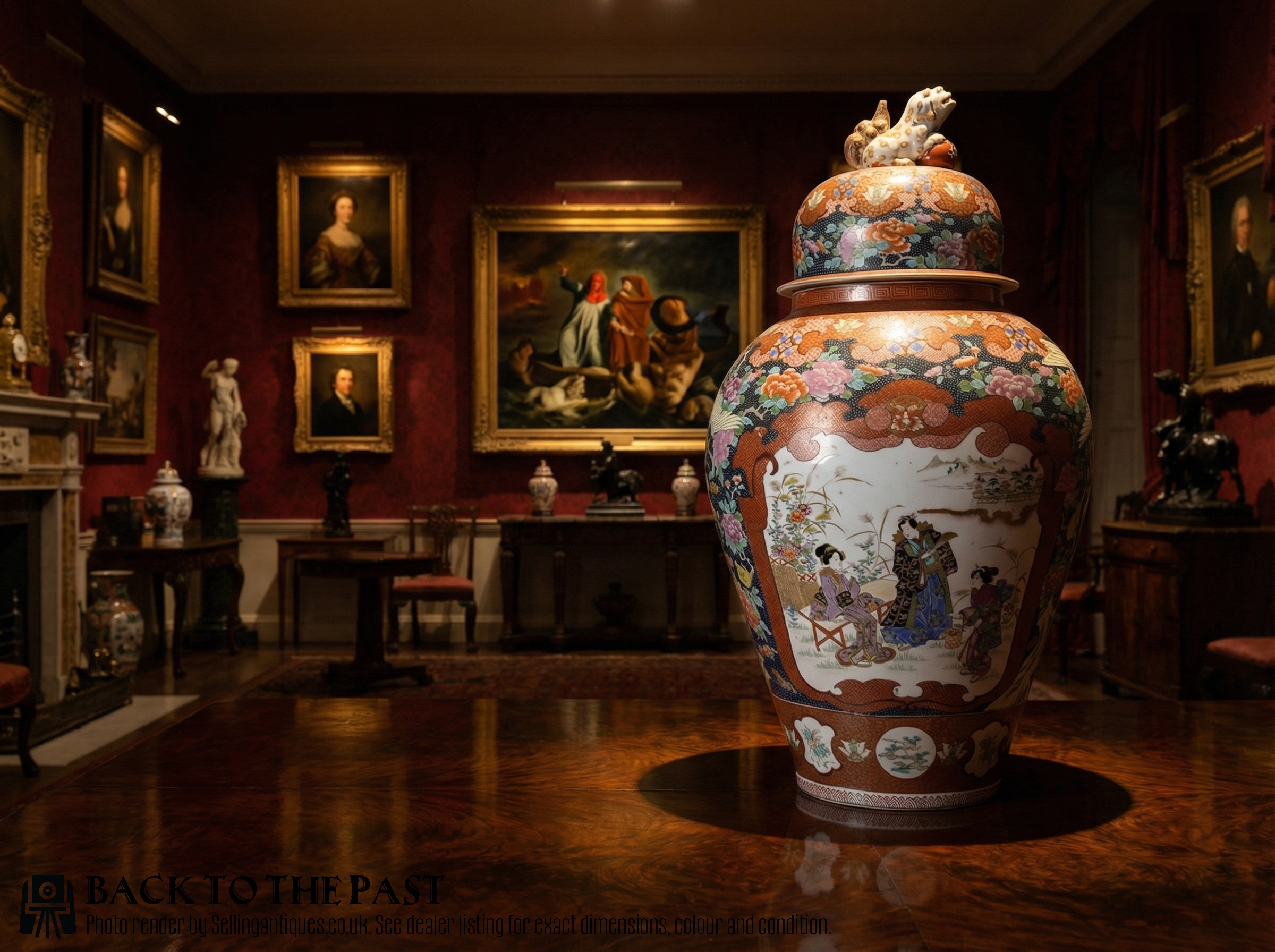
Understanding the Japanese Imari Jar
A Japanese imari jar represents a distinctive tradition of export porcelain that combines rich underglaze blue with overglaze red, gold leaf, and enamel decoration. When searching for a Japanese imari jar, collectors encounter various forms ranging from lidded vases and ginger jars to biscuit barrels and large jardinieres.
The pieces on this page span several key periods, including the Edo period, Meiji period, and the nineteenth and twentieth centuries. Lidded vases and ginger jars dominate the current selections, alongside occasional biscuit barrels and jardinieres decorated in traditional Japanese imari styles or the later Edo manner.
Origins stretch from eighteenth-century Arita porcelain pieces to later nineteenth-century interpretations influenced by European tastes. Buyers often find large lidded vases alongside smaller jars, each displaying the characteristic palette and dense surface patterns associated with this ware.
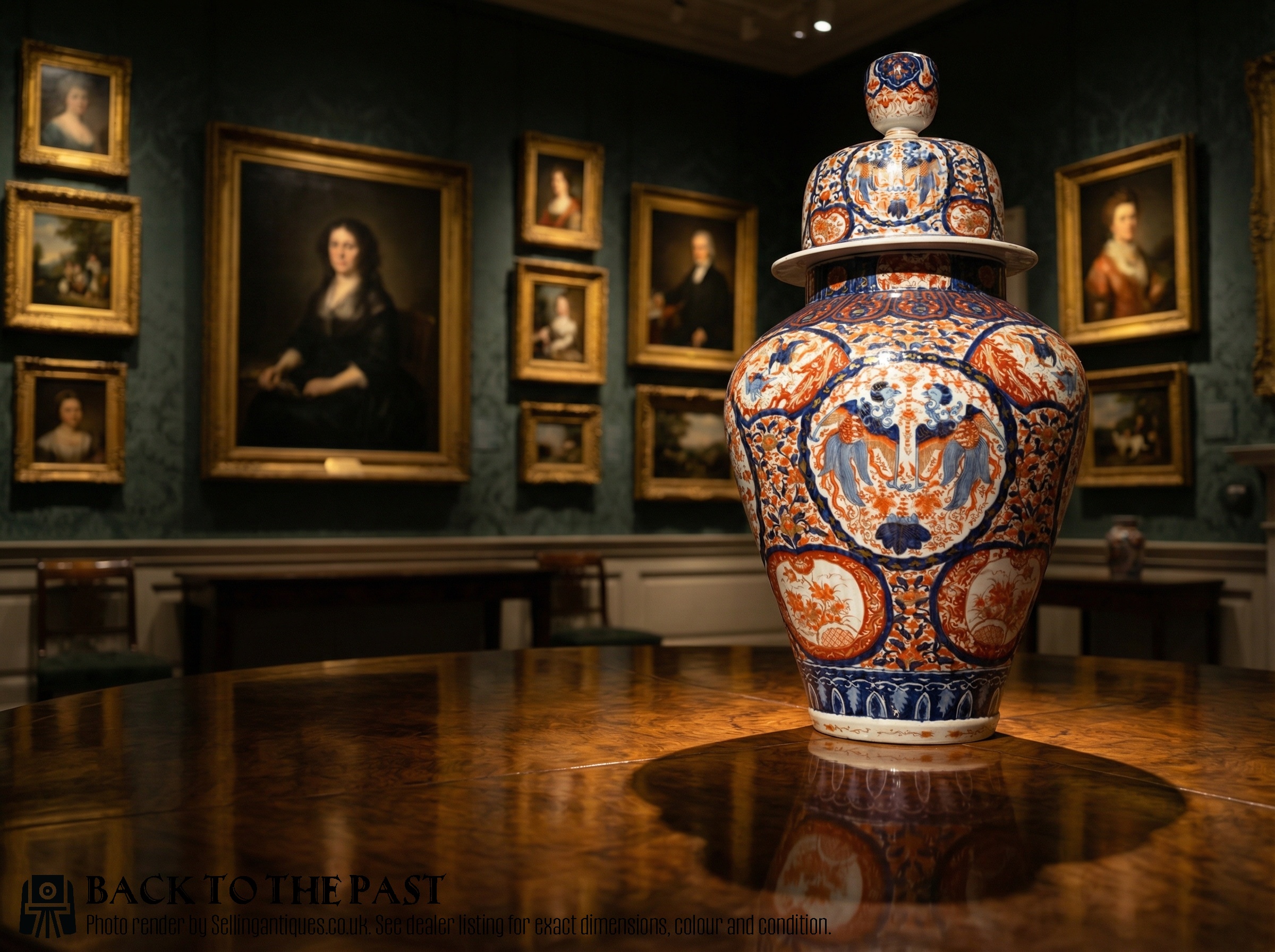
Materials and Manufacture
Makers produced these vessels using hard-paste porcelain, fired at high temperatures to create a durable white body. Artisans then applied underglaze cobalt blue before the initial glaze firing.
After the glaze firing, decorators added intricate details using enamel colours, iron red, and gold leaf, followed by a subsequent low-temperature firing to fuse the surface decoration. Some examples also incorporate silver plate mounts or fitted hardwood elements for specific functional forms like biscuit barrels.
Retail Price Guide 2026
Typical UK retail prices for japanese imari jar, calculated from the Sellingantiques database of over a million retail prices indexed since 2003. This retail price guide relies exclusively on Sellingantiques data; no external sources or auction records are used, so the figures do not describe the wider market.
Listings feature nineteenth-century and early twentieth-century examples alongside eighteenth-century Arita porcelain.
Distinctions in Quality
The distinction between standard commercial export wares and superior examples rests upon the crispness of the underglaze painting and the richness of the enamel and gold leaf application. Finer pieces demonstrate precise brushwork and balanced composition across the entire surface of the porcelain.
Condition of the overglaze enamels and gilding significantly influences overall merit, as does the presence of the original matching cover on lidded jars and vases. Earlier pieces from the eighteenth century demonstrate different potting characteristics compared to later nineteenth-century production.
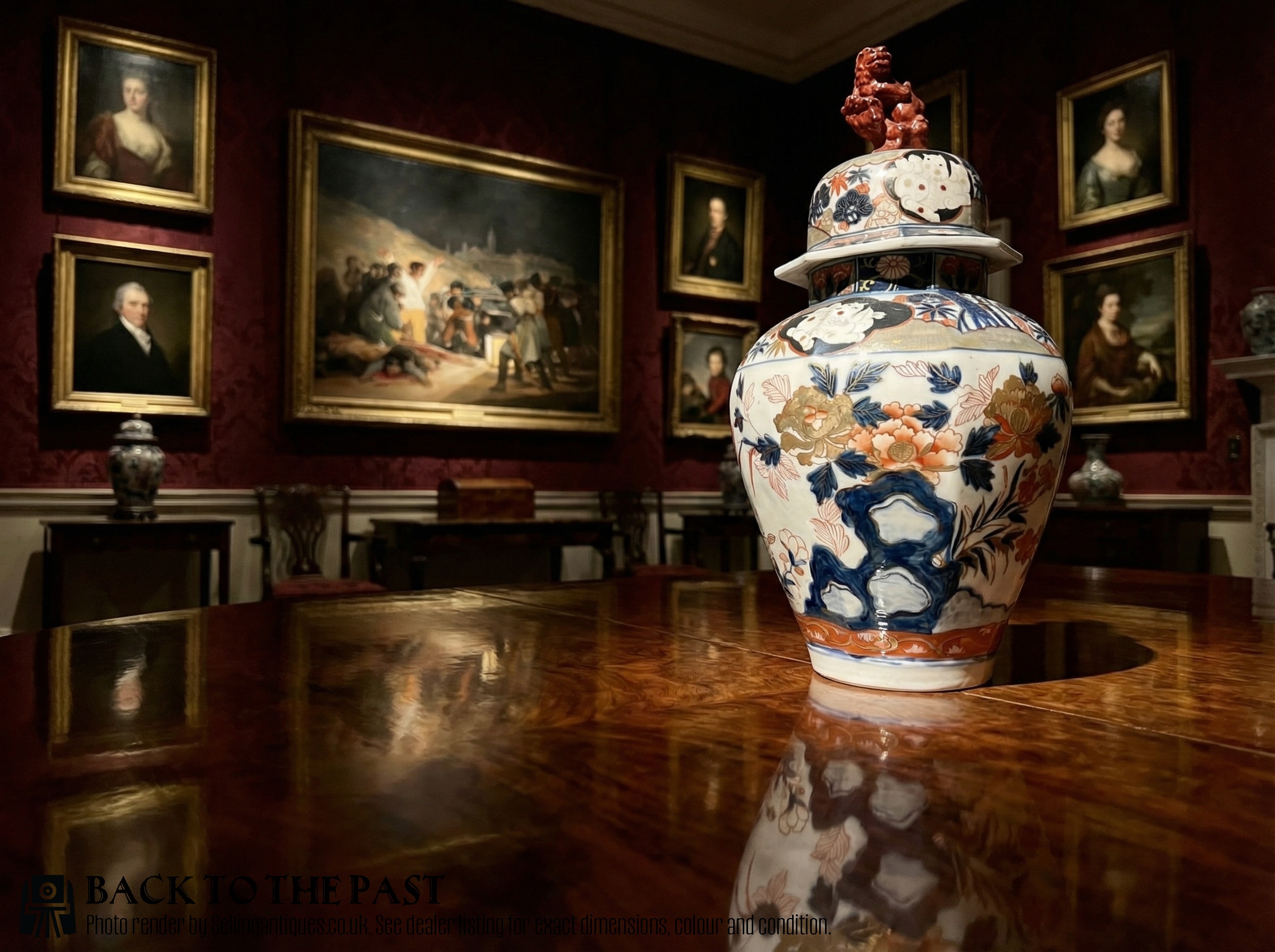
The Japanese Imari Jar Glossary
- Imari
- A style of Japanese export porcelain originating from the town of Arita, traditionally characterised by a palette of cobalt blue, iron red, and gold. This distinct colouring makes these wares immediately recognizable.
- Arita
- The Japanese town and surrounding region where the clay was sourced and the porcelain fired. It remains the historical heartland of Japanese ceramic production.
- Meiji Period
- The era of Japanese history lasting from eighteen sixty-eight to nineteen twelve, which saw extensive export of decorative arts to Europe. Pieces from this time often exhibit elaborate and meticulous detail.
- Ginger Jar
- A globular container originally designed for spices, frequently adapted into lidded vases and decorative vessels in the West. These jars feature prominently in export ceramic collections.
- Jardiniere
- A large ornamental pot or container intended for holding plants or flowers. In this category, they share the characteristic imari palette and porcelain body.
Frequently Asked Questions
What is a Japanese imari jar?
A Japanese imari jar is a porcelain vessel decorated in distinctive cobalt blue, iron red, and gold leaf. These pieces were largely produced for export.
They take various forms including lidded jars, ginger jars, and large vases designed for ornamental display.
How do I date a Japanese imari jar?
Dating relies on examining the potting technique, the depth of the porcelain glaze, and stylistic indicators from periods such as the Edo or Meiji eras. Eighteenth-century examples often feel lighter and show subtle differences in blue tones compared to nineteenth-century counterparts.
Changes in export markets and decorating styles also help narrow the timeframe of manufacture.
How were these jars used historically?
Historically, these porcelain vessels served both practical storage purposes for valuable goods and pure decorative functions in European and Japanese interiors. Ginger jars held spices or tea, while larger lidded vases and jardinieres acted as statement display pieces.
Over time, Western interiors increasingly utilised them as focal points on mantelpieces and tables.
Are lids usually original to the jar?
Many surviving jars retain their original matching covers, which significantly enhances their completeness as decorative objects. Because lids are easily separated or damaged over centuries, finding a matched pair or a single jar with its correct cover is noteworthy.
Careful inspection of the rim and glaze helps confirm whether the cover belongs to the base.