


Gilded Porcelain Display Vase
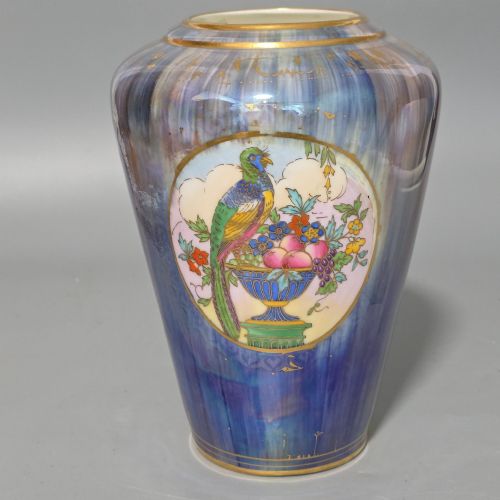
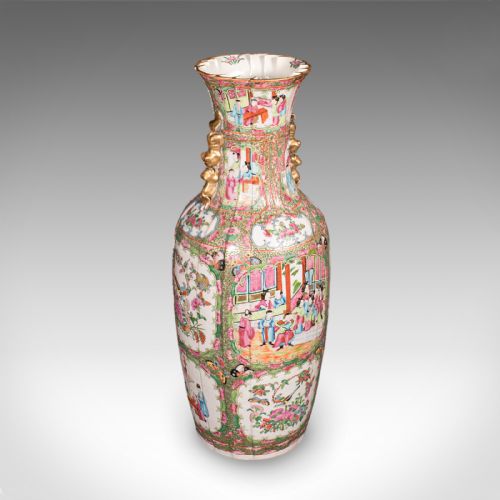
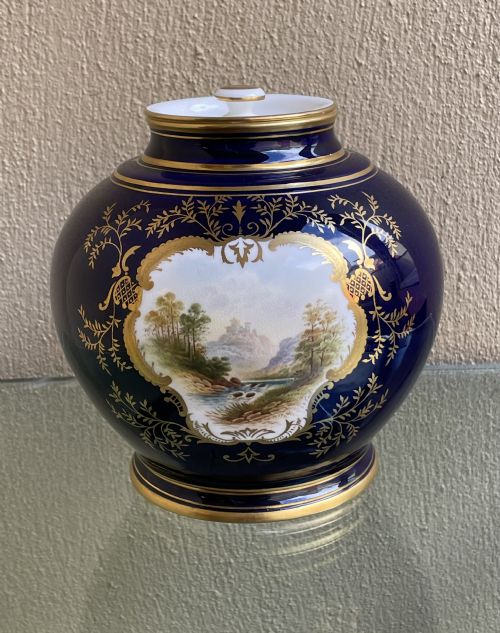
These gilded porcelain display vase examples bring together nineteenth-century craftsmanship and intricate hand-painted decoration for any interior.

Gilded Porcelain Display Vase
A gilded porcelain display vase serves primarily as a decorative centrepiece, drawing the eye through rich surface embellishment and substantial form. When searching this phrase, a buyer encounters pieces originating from English factories and Japanese kilns alike, spanning the nineteenth century and the early twentieth century.
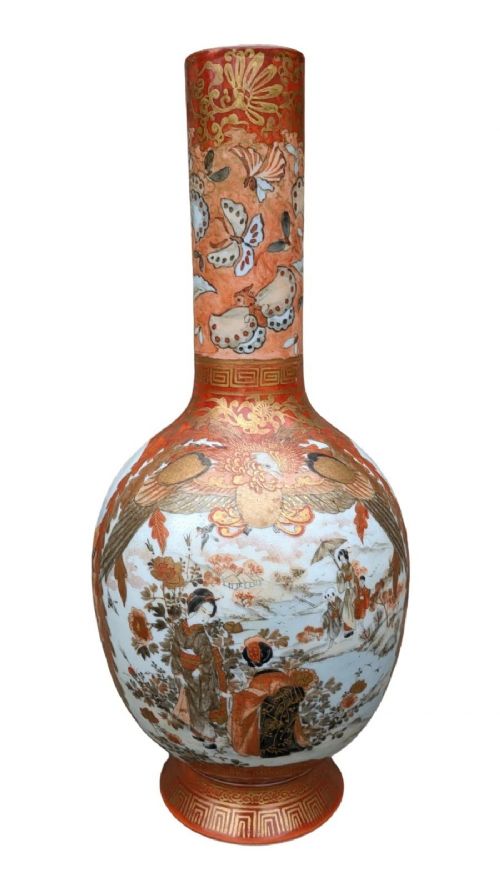
The inventory on this page relies heavily on nineteenth-century Satsuma and Imari wares from Japan, alongside English works from makers such as Minton and Royal Worcester. Victorian and Edwardian examples sit alongside Meiji period pieces, offering a diverse array of urns, jars, and traditional vases.
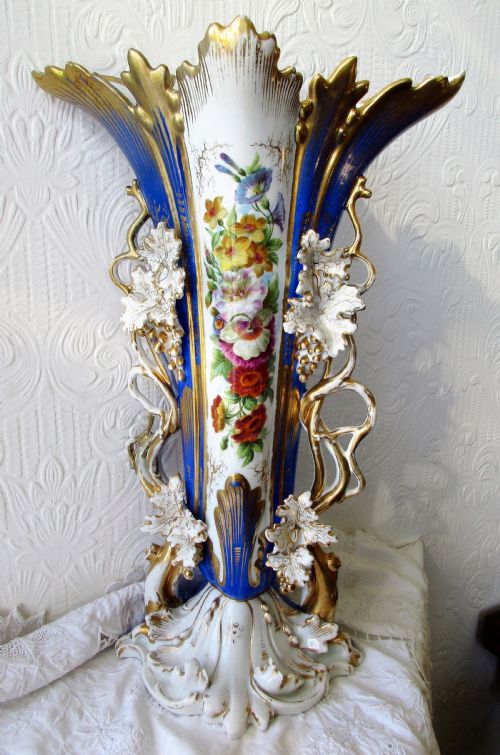
Forms range from miniature vessels to monumental centrepieces designed for country houses. Buyers are most likely to meet hand-painted floral motifs, court figures, and cobalt grounds enriched with gold leaf and enamel.
How They Were Made
The creation of these vessels begins with ceramic bodies formed from porcelain, earthenware, or ceramic paste, shaped into vases, urns, and jars. Artisans then apply glaze to the surface before introducing detailed hand-painted scenes and enamels.
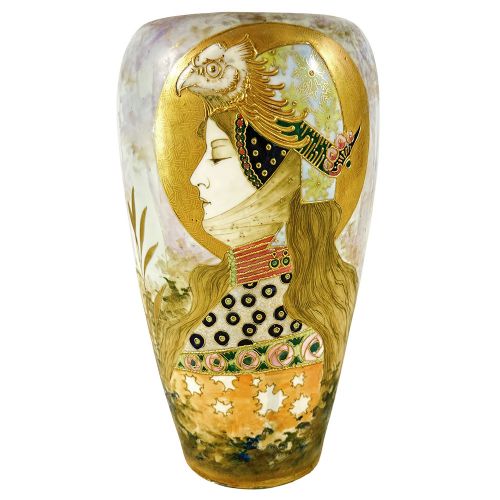
Gilding forms the defining characteristic of these objects, utilised through gold leaf, gilt, and gold paint to accentuate borders, motifs, and figural scenes. Techniques such as pate sur pate and moriage build raised textures upon the ceramic body, adding physical depth beneath the metallic highlights.
Gilded Porcelain Display Vase Retail Price Guide 2026
Typical asking prices for gilded porcelain display vase among the pieces listed under this phrase on Sellingantiques today, from the lower quarter to the upper quarter. They describe what is for sale here now, not the wider market.
Listings feature porcelain, earthenware, and glass materials shaped into urns, jars, and vases across Victorian, Edwardian, and Meiji periods.
What Varies In Quality
Quality rests upon the precision of the hand-painting and the complexity of the decorative scheme, distinguishing standard production from exhibition pieces. Finer examples display meticulous brushwork in court figures, floral arrangements, and intricate gilt detailing.
The application of gilding and raised enamels separates baseline vessels from superior works. Rich, multi-layered gold leaf work and refined ceramic potting elevate certain pieces into the upper tier of the range.
Nicholas Kannhauser·Reissner Stellmacher and Kessel·Minton·Coalport·Kinkozan·Royal Worcester
The Gilded Porcelain Display Vase Glossary
- Satsuma
- A type of Japanese earthenware featuring a crackle-glaze ivory body decorated with polychrome enamels and gold. It gained immense popularity in the West during the Meiji period.
- Imari
- A traditional style of Japanese export porcelain characterised by a palette of underglaze blue, iron-red, and supplementary gold. These wares often display complex floral and geometric panels.
- Moriage
- A decorative ceramic technique that builds up raised slip or enamel patterns on the surface. This method creates a textured, three-dimensional effect frequently seen on Japanese Satsuma vases.
- Pate sur pate
- A French ceramic manufacturing technique where a relief design is built up layer by layer using liquid clay slip. The resulting cameo-like effect appears translucent against a contrasting background.
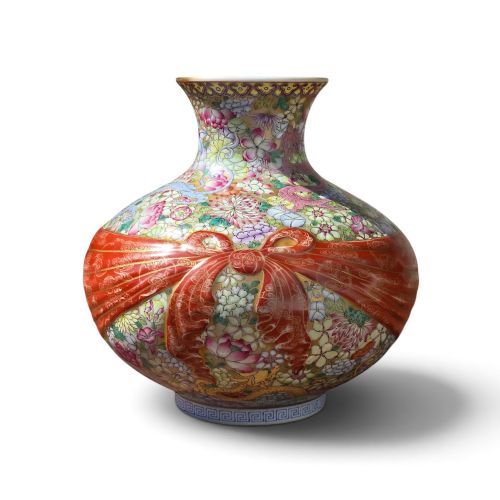
- Millefleurs
- A decorative pattern composed of countless tiny painted flowers covering the entire surface of the vessel. This intricate style appears on fine Chinese porcelain pieces.
Gilded Porcelain Display Vase: Frequently Asked Questions
What is a gilded porcelain display vase?
A gilded porcelain display vase is a decorative vessel finished with gold leaf, gilt, or gold paint alongside hand-painted enamel designs. These pieces were made to be showcased on mantelpieces and in country house interiors rather than held for practical use.
The listings on this page span the nineteenth and early twentieth centuries, incorporating English porcelain works and Japanese export ceramics. Each piece relies on metallic highlights to elevate its ceramic form.
How do I distinguish Satsuma from Imari?
Satsuma wares feature a distinctive cream-coloured, crackle-glazed earthenware body painted with elaborate figures and heavy gold highlights. They originate from Japan and date predominantly to the Meiji period.
Imari pieces are made of porcelain rather than earthenware and rely on a strict palette of cobalt blue and iron-red, frequently accented with gold. Their patterns tend to focus on geometric and floral panel layouts.
Where were these vases made?
These decorative vessels originate from two distinct ceramic traditions found across Europe and East Asia. English factories such as Royal Worcester and Minton produced refined porcelain pieces, while Japanese kilns exported Satsuma and Kutani wares.
Chinese imperial and republican kilns also contributed finely painted porcelain forms to this tradition. This geographical spread gives buyers a choice between Western neoclassical or floral motifs and Eastern artistic styles.
How should I display one at home?
Display these vessels in areas with stable lighting and minimal risk of physical impact, such as on sturdy side tables or within secure cabinets. Their reflective gilding benefits from gentle ambient light that catches the metallic details.
Keep them away from direct sunlight to preserve the vibrancy of the hand-painted enamels. Pairing them with complementary period furnishings helps integrate their historical aesthetic into a modern room.