


Antique Covered Vase
An antique covered vase brings sculptural presence and hidden utility to a room, uniting the potter's craft with decorative lidwork.
Antique Covered Vase
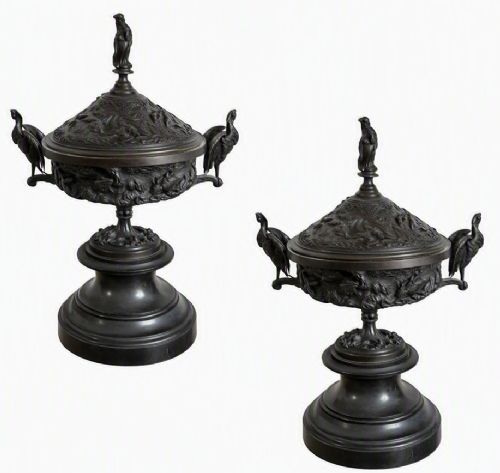
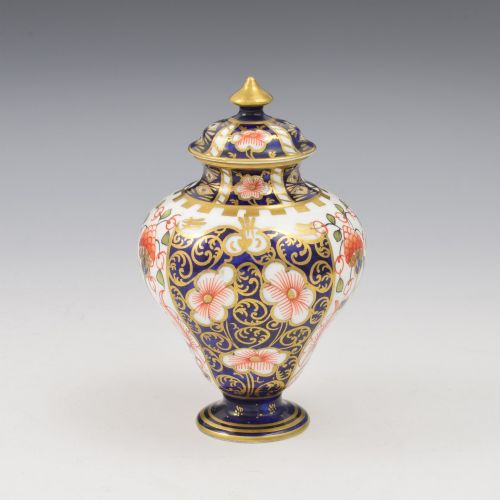
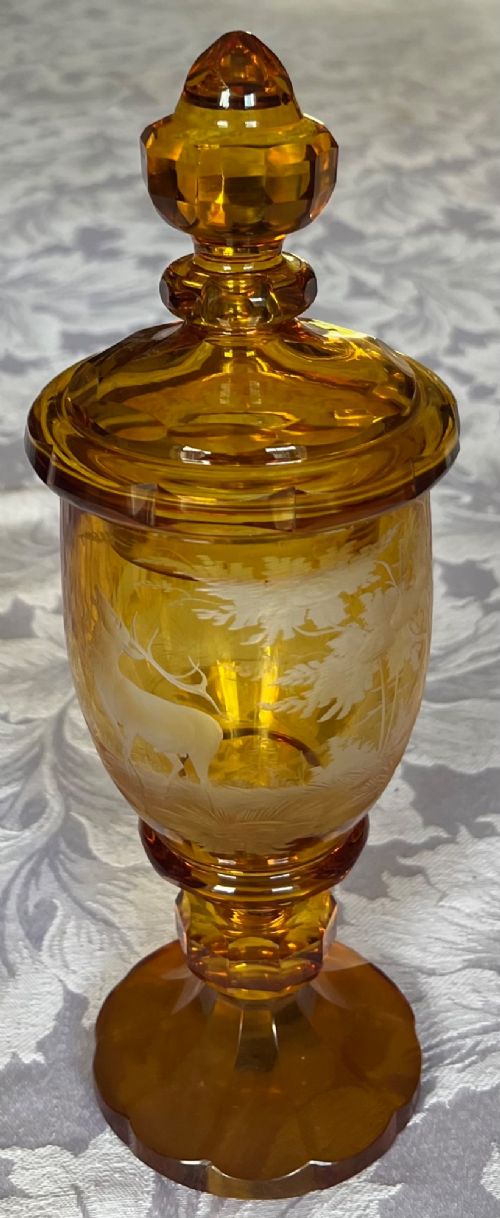
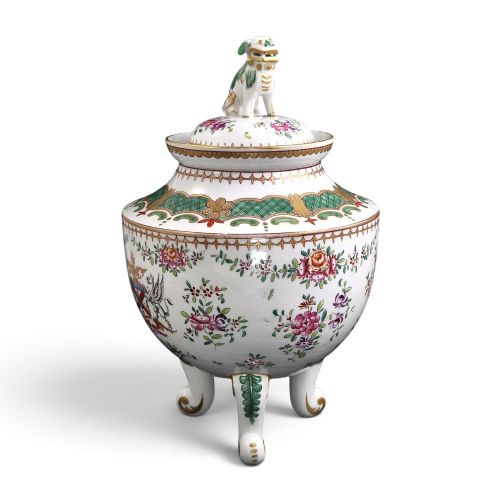
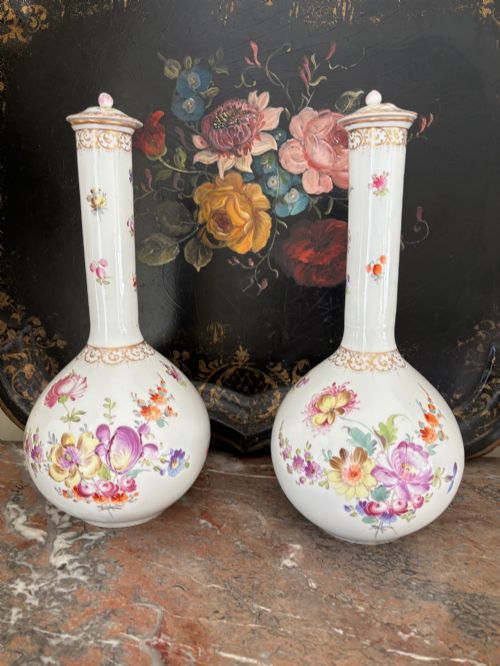
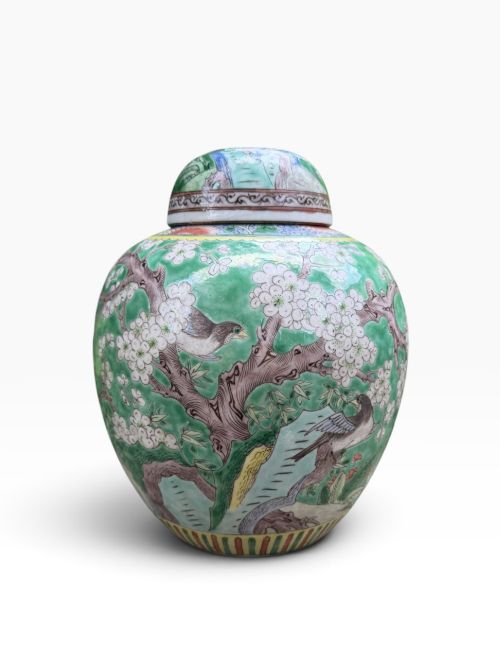
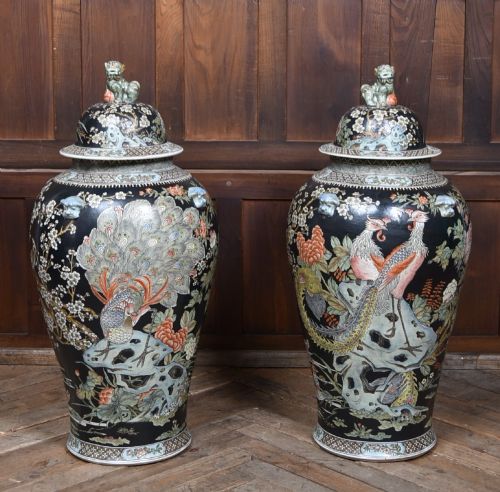
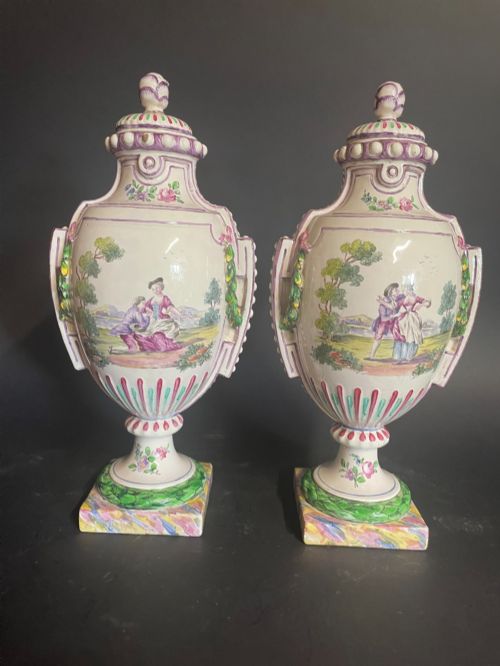
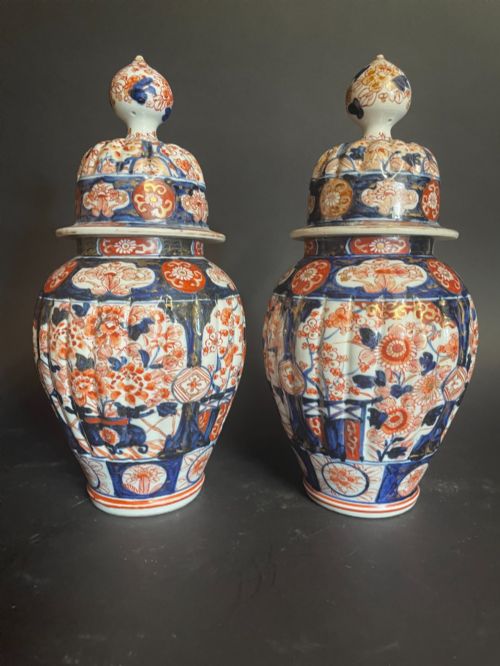
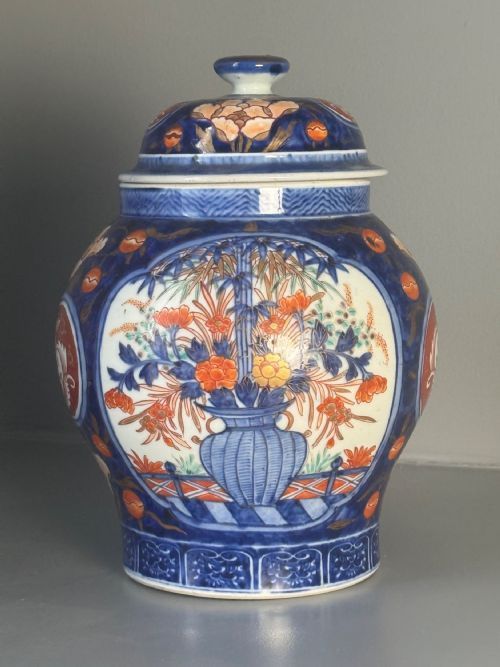
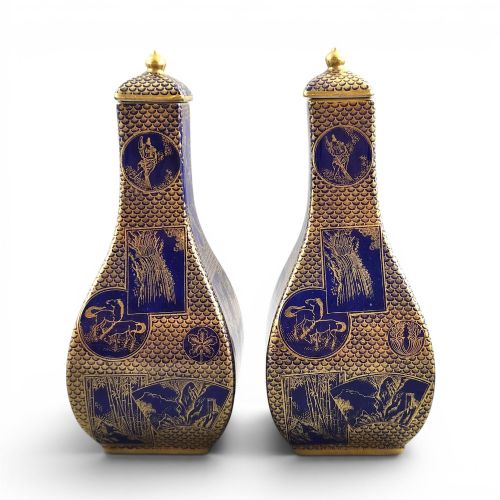
An antique covered vase combines a vessel body with a matching lid, appearing in forms such as ginger jars, baluster urns, and pot-pourri jars. Buyers frequently encounter nineteenth-century examples in porcelain, earthenware, and ironstone, spanning English, European, and East Asian origins.
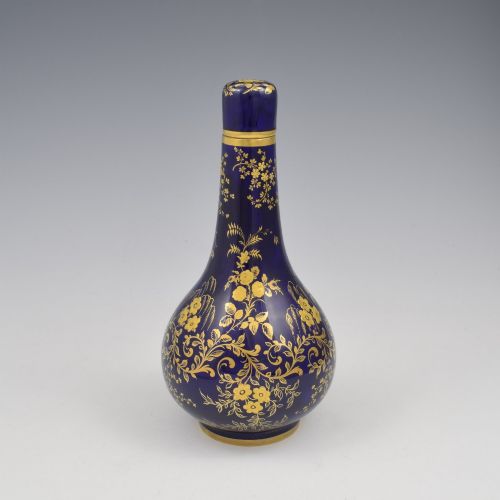
The selection ranges from large decorative mantel ornaments down to miniature scent bottles. Production stretches across the eighteenth, nineteenth, and early twentieth centuries, drawing on styles from Georgian neoclassical designs to Japanese Meiji and Qing Dynasty aesthetics.
How they were made
Potters shaped these bodies from ceramic, porcelain, or ironstone, frequently employing tin-glazing or enamel coatings to seal the clay. Artisans then applied hand-painted floral motifs, transfer prints, or gilding before firing the pieces in kilns.
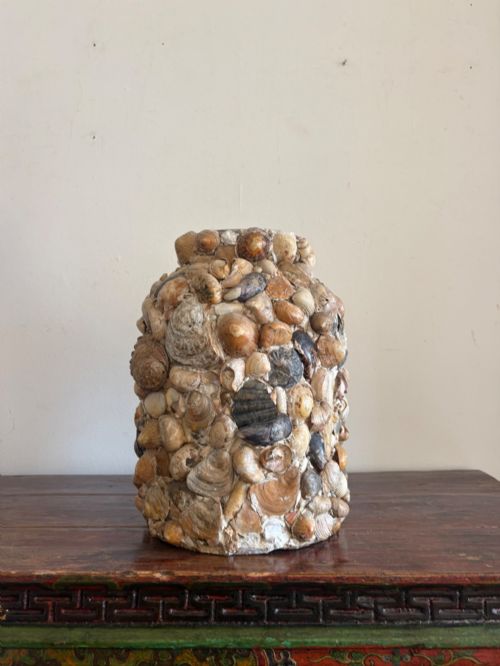
Many specimens incorporate applied elements such as bronze mounts, gold leaf accents, or intricate shell decoration, reflecting the diverse manufacturing techniques of European factories and Eastern kilns.
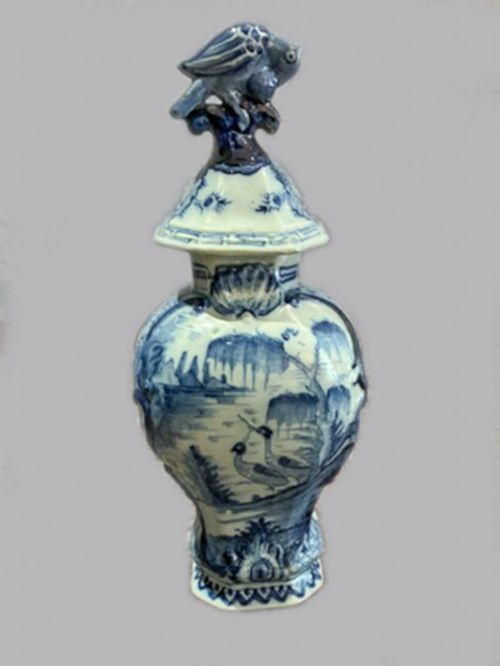
The selection includes Japanese Imari, Dutch Delftware, and English bone china, demonstrating a global exchange of ceramic styles across three centuries.
What varies in quality
The distinction between tiers rests upon the precision of the hand-painting and the crispness of the moulded details on both the vessel and its cover. Superior examples display balanced proportions, deliberate brushwork, and well-integrated lids that match the contours of the main body exactly.
Makers known for exceptional porcelain bodies and skilled enamel work command greater recognition, while standard commercial wares demonstrate simpler transfer printing and less refined potting.
Royal Crown Derby·Samson Paris·Sitzendorf·Sceaux Faience·Derby Porcelain·Mason's Patent Ironstone·Chamberlain Worcester·Vienna Porcelain·Booths Silicon China·Crown Staffordshire·Royal Worcester·Coalport·Spode
The Antique Covered Vase Glossary
- Baluster
- A vase form characterised by a rounded lower body that tapers towards a narrow neck, resembling an architectural baluster. This shape provides a stable base for substantial decorative schemes.
- Imari
- A style of Japanese porcelain featuring a distinct palette of underglaze blue, iron red, and gold. Exported widely to Europe, it heavily influenced domestic ceramic production.
- Ironstone
- A heavy, durable type of earthenware patented in the nineteenth century to imitate Chinese porcelain. It offers high resistance to chipping and accepts rich cobalt blue glazes.
- Maiolica
- Tin-glazed earthenware produced in Italy, typically decorated with bright colours over an opaque white background. It developed from earlier Mediterranean trading traditions.
- Pot-pourri
- A vessel featuring a pierced or perforated cover designed to diffuse scent from dried flower petals and spices into a room. These jars often incorporate elaborate handles or gilt bronze mounts.
Antique Covered Vase: Frequently Asked Questions
What were covered vases used for?
These vessels served primarily as ornamental mantel displays, though many functioned practically as ginger jars or containers for aromatic pot-pourri.
The matching lids kept dry goods or scented mixtures enclosed while contributing to the overall symmetry of the decorative scheme.
How do I date an antique covered vase?
Dating relies on examining the ceramic body, glaze characteristics, and any factory marks stamped or painted on the base. Stylistic clues such as Japanese Meiji motifs or Georgian neoclassical forms also help narrow the period of manufacture.
Comparing the potting technique against known factory timelines provides further chronological certainty.
How do I style a lidded vase at home?
Lidded vases work well as focal points on sideboards, mantels, or large entrance tables where their height and symmetry command attention. Pairing matching pairs creates a formal arrangement, while single large baluster jars add weight to empty corners.
Keep surrounding objects minimal to let the painted or glazed surface detail remain the primary visual focus.
How do Imari and Delft styles differ?
Imari wares originate from Japan and employ a vibrant palette of cobalt blue, iron red, and gold leaf on porcelain. Delft pieces stem from Dutch and English traditions, utilising tin-glazed earthenware decorated predominantly in blue and white.
The former relies on metallic richness, while the latter achieves its effect through opaque tin glazes.