



English Imari Vase
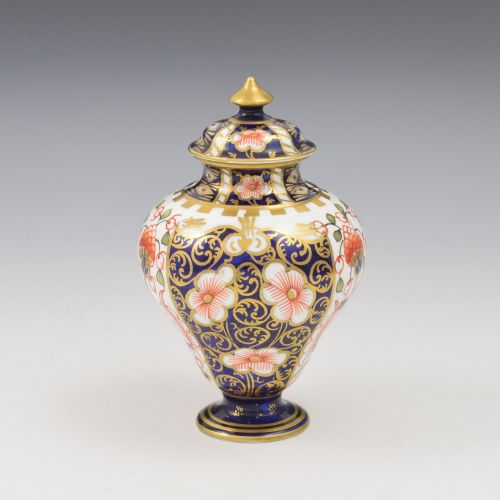
An english imari vase brings bold iron red, cobalt blue and rich gold leaf together on porcelain or ironstone, offering a striking display for any room.
English Imari Vase
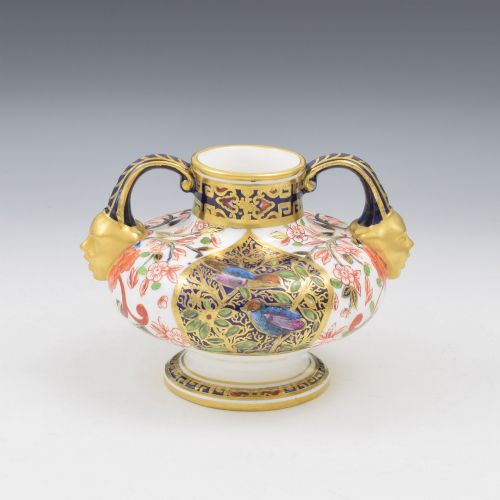
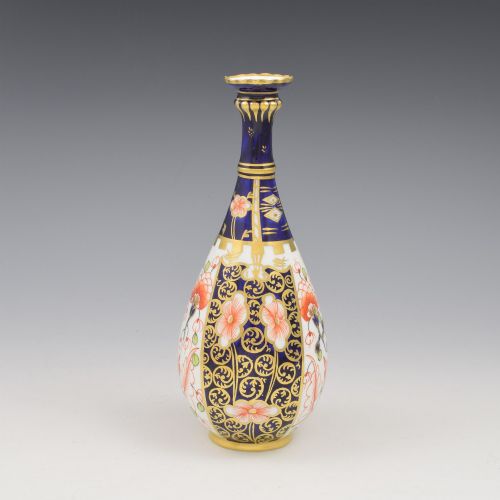
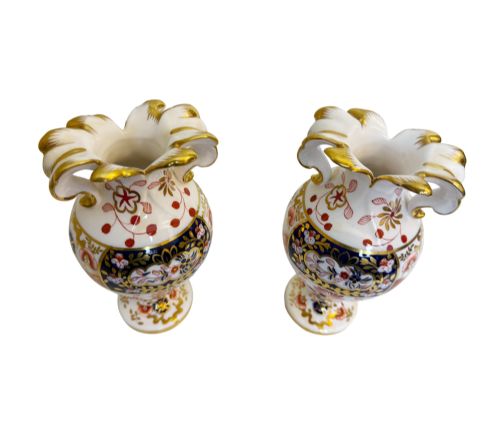
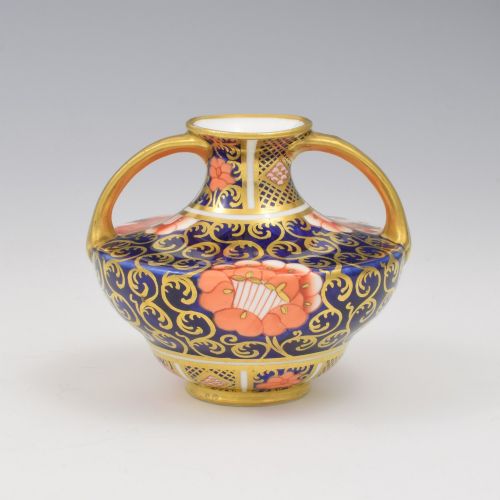
When you search for an english imari vase, you encounter pieces spanning the nineteenth century, the Victorian era, and the Edwardian period. These decorative items range from small bud vases and miniature lidded vessels to twin handled urns and potpourri pots.
The aesthetic draws heavily on Japanese export ceramics of the Edo period, adapted by English potteries to suit contemporary tastes. You will frequently meet pattern numbers and specific shapes associated with makers like Royal Crown Derby and Spode.
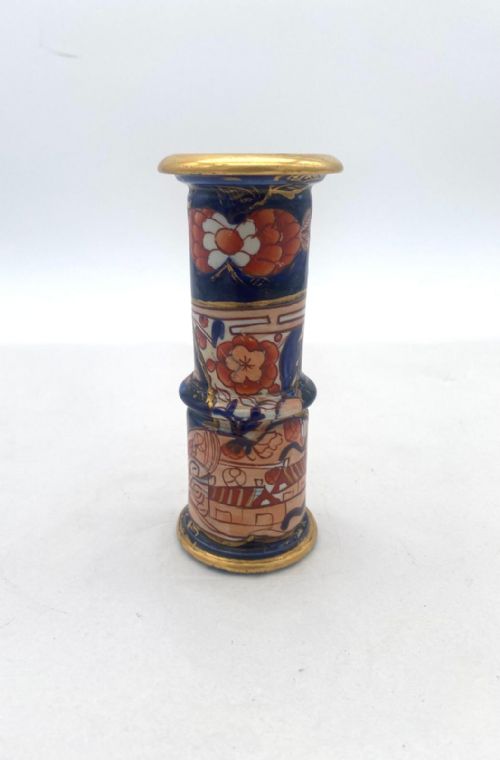
Forms vary from straightforward cabinet pieces to more complex lidded shapes and spill vases. The palette remains remarkably consistent across these eras, relying on the contrast between deep underglaze blue, vibrant iron red enamel, and lavish gilding.
Materials and manufacture
The body of an english imari vase typically consists of hard porcelain or dense patent ironstone china, providing a durable foundation for decoration. Potters shaped these materials into traditional urns, jars, and slender bud forms.
Decoration relied on a combination of underglaze blue painting, hand applied iron red enamel, and gold leaf or gilding. Skilled artisans built the rich patterns in stages, firing the ceramic multiple times to set the deep colours and metallic accents.
English Imari Vase Retail Price Guide 2026
Typical asking prices for english imari vase among the pieces listed under this phrase on Sellingantiques today, from the lower quarter to the upper quarter. They describe what is for sale here now, not the wider market.
The documented forms span miniature bud vases, lidded vessels, tea service components, and twin handled urns in both Regency and Chinoiserie styles.
Judging quality in english imari
Quality in an english imari vase rests upon the precision of the hand painting and the crispness of the enamel work. Finer examples display meticulous brushwork where the iron red and cobalt blue align neatly with the gilded outlines.
The weight and purity of the porcelain or ironstone also distinguish superior pieces from standard production. Rich, heavy gilding and well preserved gold leaf indicate a higher grade of manufacture from leading nineteenth century potteries.
Royal Crown Derby·Spode·Stevenson and Hancock·Masons
The English Imari Vase Glossary
- Imari
- A decorative style inspired by Japanese export wares featuring a palette of iron red, cobalt blue, and gold. English potteries adopted this scheme extensively during the nineteenth century.
- Ironstone
- A type of heavy, durable ceramic patented in the nineteenth century. It offered a sturdy alternative to porcelain while accepting enamel and gilt decoration readily.
- Gilding
- The application of gold leaf or gold powder to ceramic surfaces. It provides the metallic highlights characteristic of traditional imari decoration.
- Spill vase
- A small, upright vessel designed to hold taper candles or wooden spills used for lighting fires. These cylindrical forms often carried elaborate imari patterns.
- Enamel
- Opaque glass fused to the ceramic surface during a secondary firing. It delivers the vibrant reds and secondary colours that sit on top of the glaze.
English Imari Vase: Frequently Asked Questions
How do I identify an english imari vase?
Look for the characteristic palette combining underglaze cobalt blue, iron red enamel, and gold leaf detailing. Many pieces also feature painted pattern numbers or maker marks on the underside.
The forms typically reflect nineteenth century British shapes, ranging from miniature bud vases to substantial twin handled urns and lidded potpourri vessels.
When were these vases made?
The examples on this page primarily date from the nineteenth century, including Victorian productions and Edwardian interpretations. Earlier pieces often originate from the 1820s and 1830s.
Later Edwardian versions continue the tradition with distinct pattern numbers and refined porcelain bodies that echo earlier Regency and Victorian designs.
Are these vases made of porcelain or ironstone?
Potters used both fine porcelain and patent ironstone china to create these vessels. Ironstone provided a heavier, more robust body suited to large decorative shapes.
Finer cabinet pieces and miniature items were more commonly fashioned from porcelain to allow for delicate handles and slender walls.
How should I display an english imari vase?
Place the vase in a position where natural light can catch the gold leaf and highlight the rich enamel colours. Because the palette is strong and complex, a neutral background lets the pattern stand out.
Keep pieces away from direct heat sources and handle them carefully by the body rather than delicate handles or applied elements.