
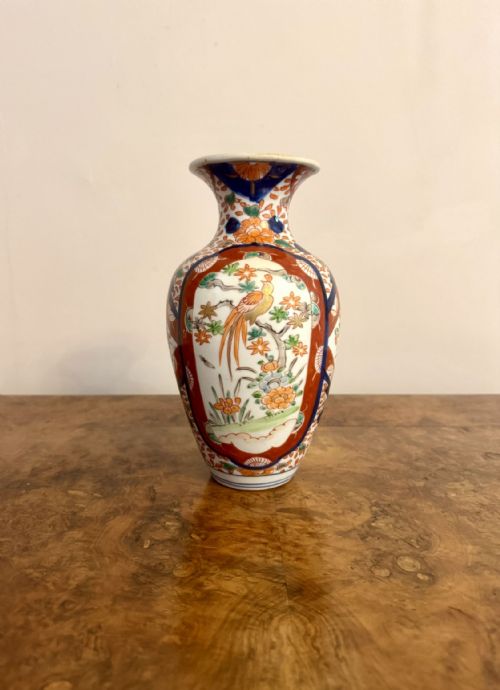
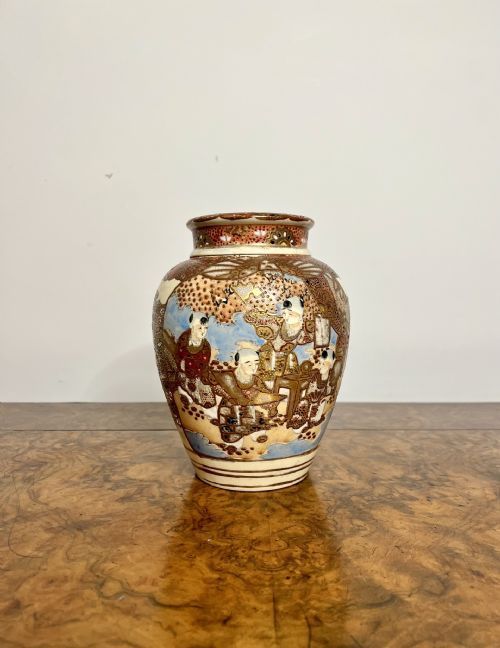
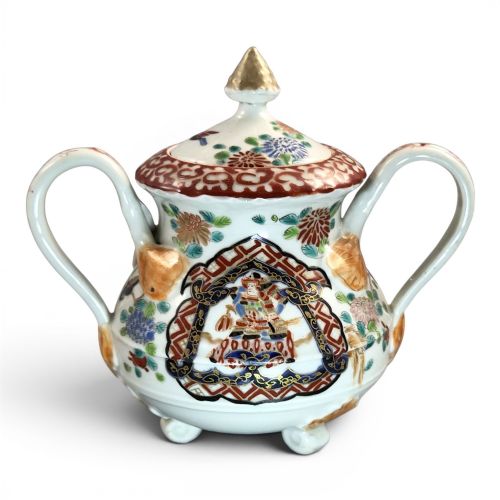


Meiji Period Porcelain Jar
These pieces of meiji period porcelain jar bring substantial scale and intense palette decoration into a room.
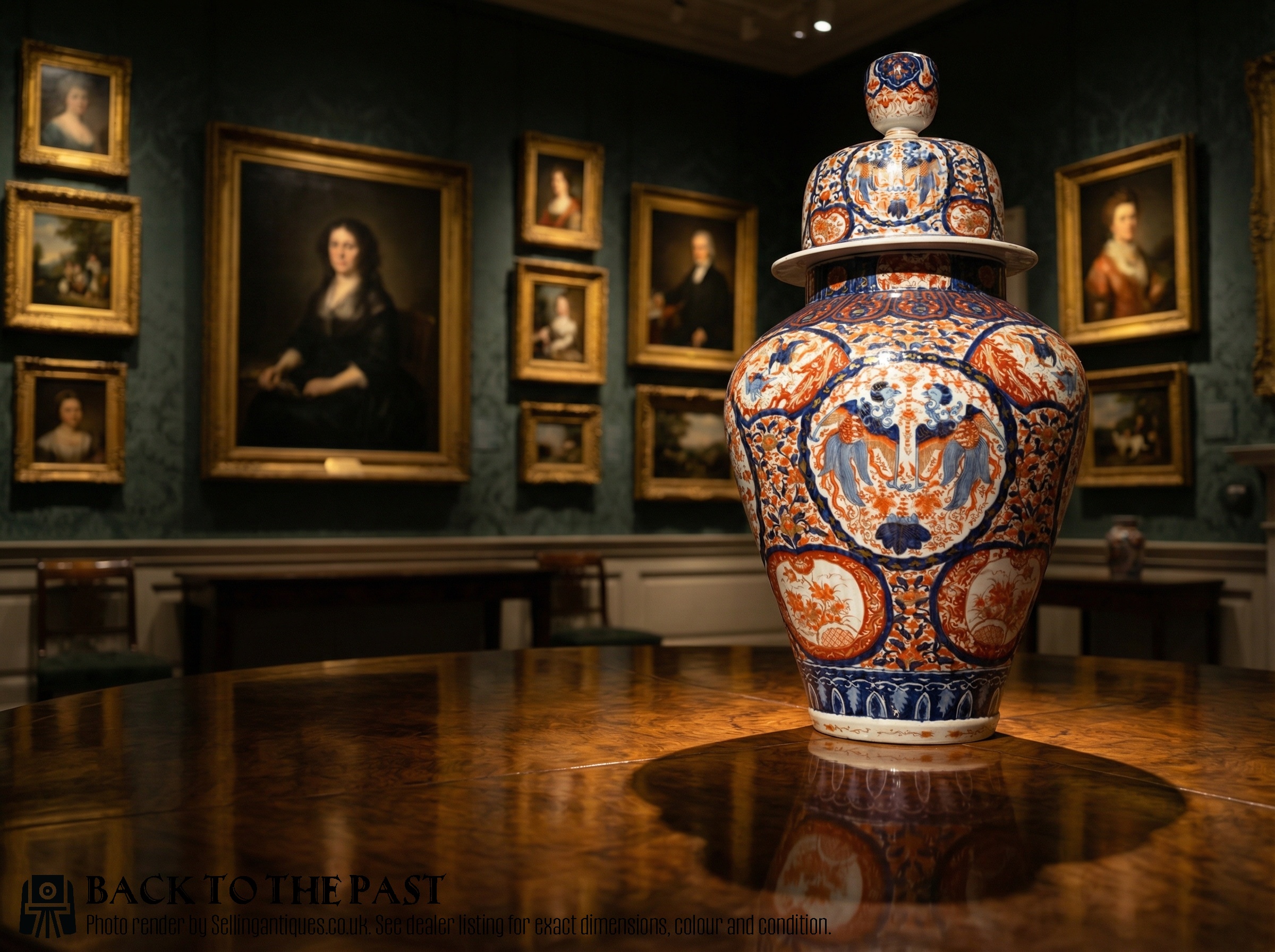
Meiji Period Porcelain Jar
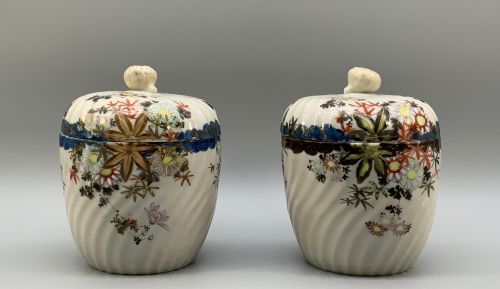
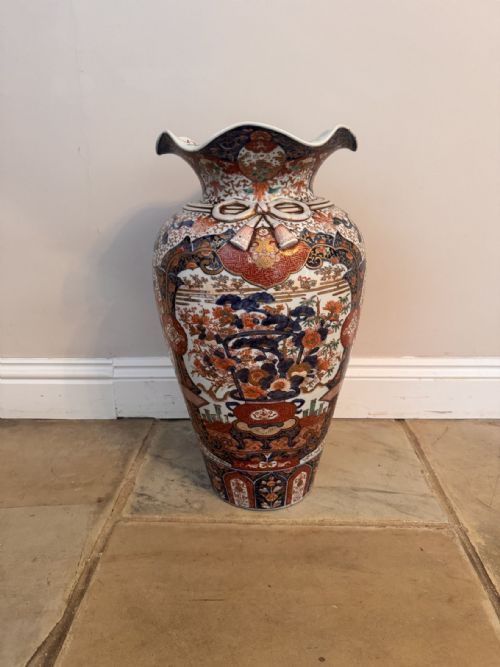
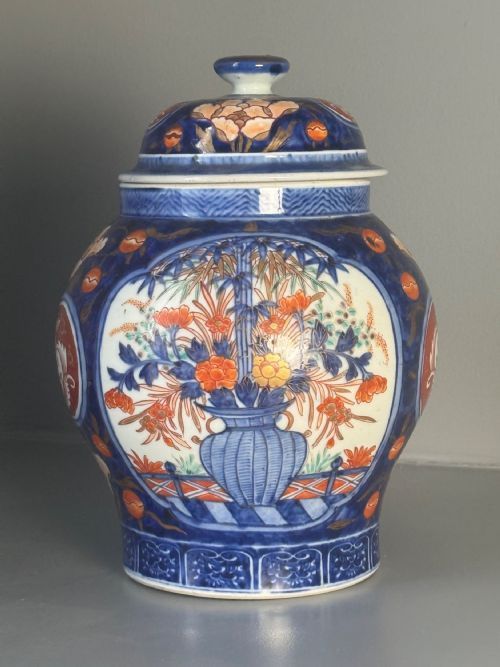
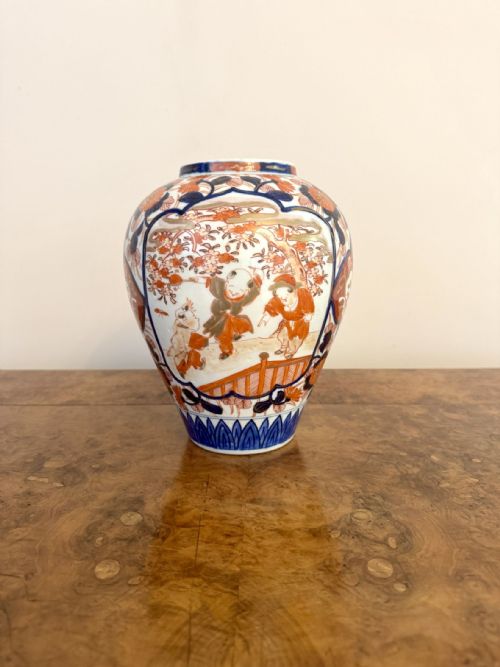
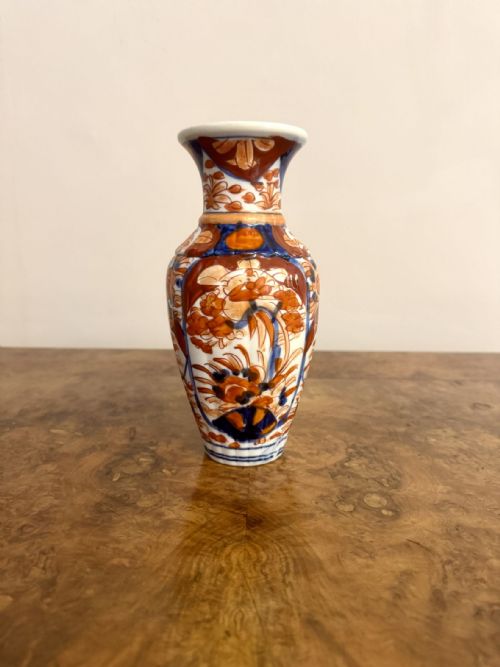
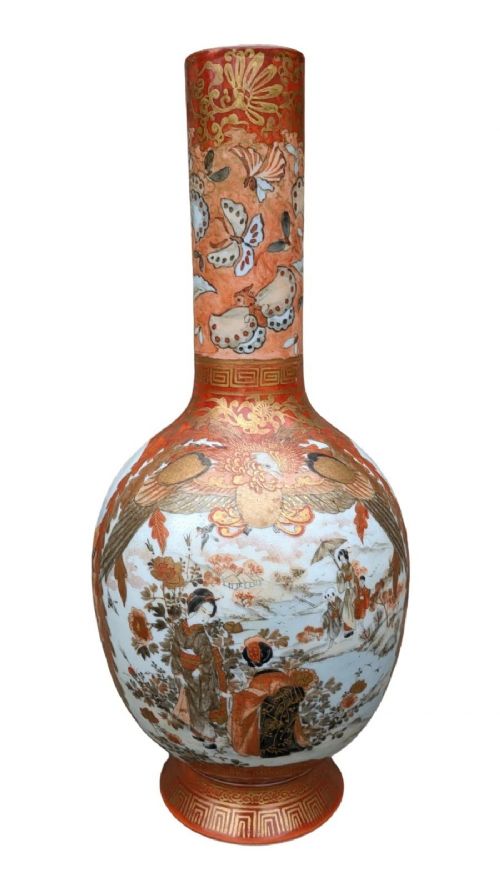
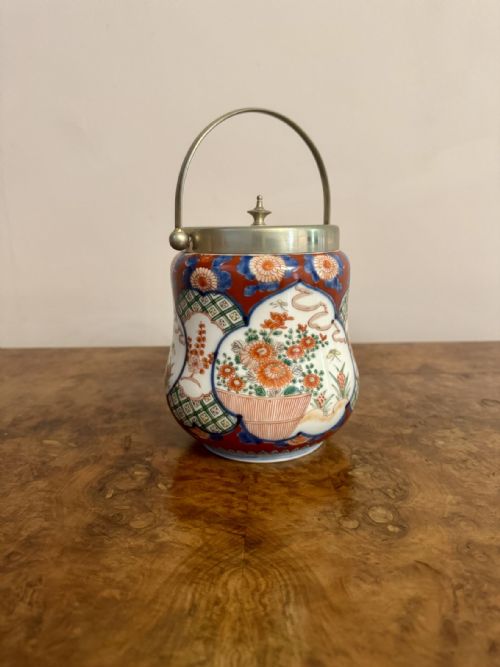
A meiji period porcelain jar encompasses covered vessels, ginger jars and lidded storage forms originating in Japan during the late nineteenth and early twentieth centuries. The selection on this page relies heavily on Japanese Imari palettes alongside Satsuma and Kutani styles produced between eighteen sixty and nineteen twenty.
Buyers encounter distinct configurations including octagonal baluster shapes, double gourds and fluted bodies designed originally for domestic display or utilitarian storage. Many examples retain fitted lids or wooden display elements which complete the silhouette.
Materials and construction
Potters shaped these vessels from local clay and porcelain bodies before applying underglaze cobalt blue and iron red pigments alongside intricate enamel work. Artisans frequently integrated gold leaf, gilding and detailed hand-painting across the exterior surfaces.
Kiln firing methods varied from traditional wood-burning chambers to more controlled industrial environments, resulting in body thicknesses ranging from delicate miniature tea jars to massive floor-standing urns.
Meiji Period Porcelain Jar Retail Price Guide 2026
Typical asking prices for meiji period porcelain jar among the pieces listed under this phrase on Sellingantiques today, from the lower quarter to the upper quarter. They describe what is for sale here now, not the wider market.
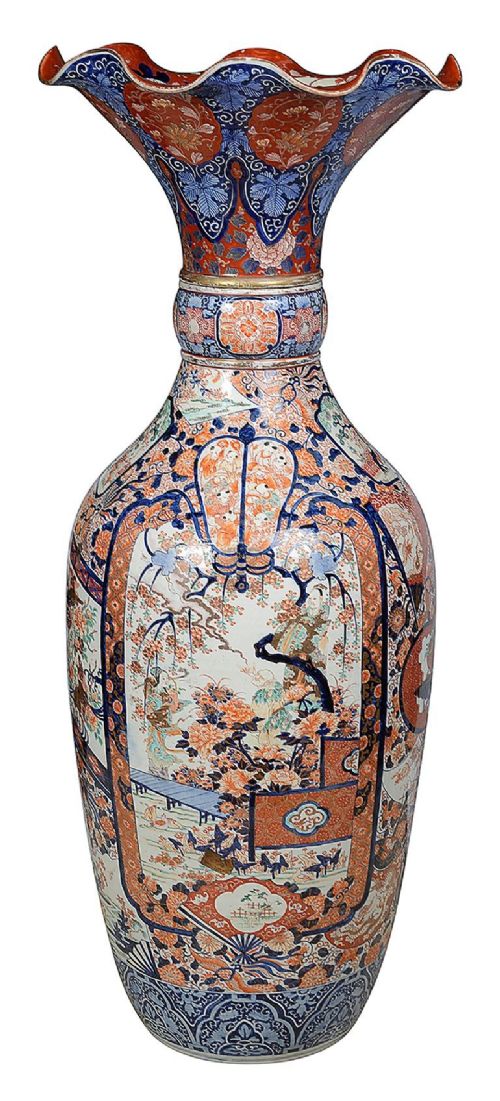
Surviving forms range from small miniature tea jars and sugar bowls to massive floor vases standing over a metre tall.
Distinguishing finer examples
The distinction between standard commercial export wares and superior pieces rests in the execution of the enamel work and the crispness of the porcelain throwing. Finer vessels display precise hand-painted detail without blurring or pooling in the glaze.
Signatures from established workshops or individual artists elevate certain jars, whilst the presence of matching original covers and undamaged gilt highlights marks the upper tier of surviving examples.
Fukagawa Mark·Shuzan·Yamashu·Makuzu Kozan·Tokyo Taizan·Kinrin Workshop·Shozan
The Meiji Period Porcelain Jar Glossary
- Imari
- A traditional Japanese decorative style utilising a palette of underglaze blue, iron red, and gold on a white porcelain ground. This aesthetic dominated many export pieces destined for Western markets during the nineteenth century.
- Satsuma
- An earthenware or porcelain ceramic type characterised by a crackled cream-coloured glaze decorated with heavily applied enamel and gilt motifs. It frequently depicts figural scenes featuring deities, scholars or courtly figures.
- Kutani
- A style of Japanese pottery and porcelain known for bold polychrome enamel designs often dominated by green, yellow, red, purple, and blue. Pieces from this tradition frequently incorporate detailed narrative scenes or naturalistic motifs.
- Baluster
- A vertical architectural form featuring a rounded swelling lower portion tapering towards the neck. This silhouette provides structural stability for large storage jars and decorative display vessels.
- Gourde
- A vessel shape featuring a double bulb configuration resembling a traditional dried fruit container. Potters adapted this organic contour into balanced ceramic forms during the late nineteenth century.
Meiji Period Porcelain Jar: Frequently Asked Questions
What were meiji period porcelain jars used for originally?
These vessels served diverse roles ranging from functional storage containers for dry goods to purely decorative display pieces within domestic interiors. Lidded formats protected their contents whilst contributing to the symmetrical arrangement of nineteenth-century rooms.
Larger floor-standing examples functioned as architectural focal points within grand reception spaces. Export demand also transformed many utility jars into ornamental mantel and cabinet decorations for Western collectors.
How do I distinguish Imari from Satsuma jars?
Imari pieces utilise a hard porcelain body decorated with a distinctive palette of cobalt blue and iron red enhanced by gilt highlights. The designs rely on crisp geometric and floral patterns rather than dense figural illustration.
Satsuma pieces feature a characteristic warm ivory or cream glaze covered in a fine network of crackle lines. These vessels typically employ elaborate polychrome enamels and raised gold leaf depicting human figures and narrative scenes.
Where should I display a large lidded jar?
Substantial lidded vessels require stable placement on heavy sideboards, tables or dedicated floor positions away from high-traffic zones. Their height and weight demand secure surfaces that prevent accidental tipping during daily movement.
Pairing matching jars on either side of a fireplace or central piece of furniture creates a balanced display. Natural light helps reveal the fine details of the enamel and gilding without exposing the glaze to harsh direct sunlight.
How can I tell the period of a Japanese jar?
Dating relies on stylistic indicators such as the composition of the glaze, the weight of the ceramic body, and the specific application of export marks. Pieces produced during the late nineteenth century often reflect the expansion of international trade following the Meiji Restoration.
Comparison with documented examples in archives helps narrow down production dates to specific decades between eighteen sixty and nineteen twenty. Studio signatures and workshop stamps offer further chronological markers for authenticated pieces.