
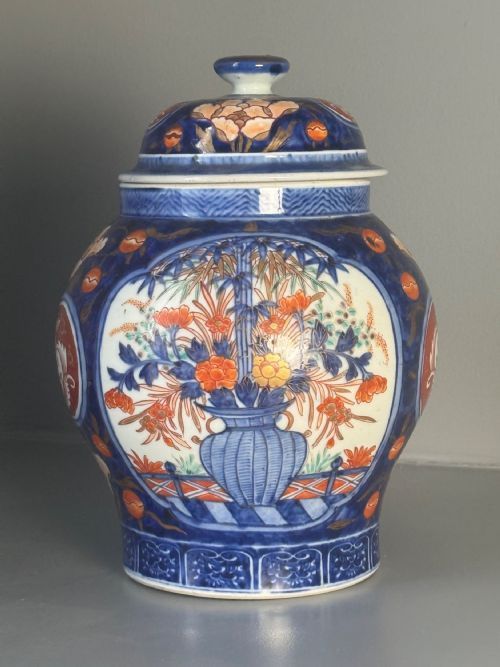


Japanese Ginger Jar Lid
A Japanese ginger jar lid completes a porcelain vessel from the Edo, Meiji, or later periods, offering collectors authentic harmony.
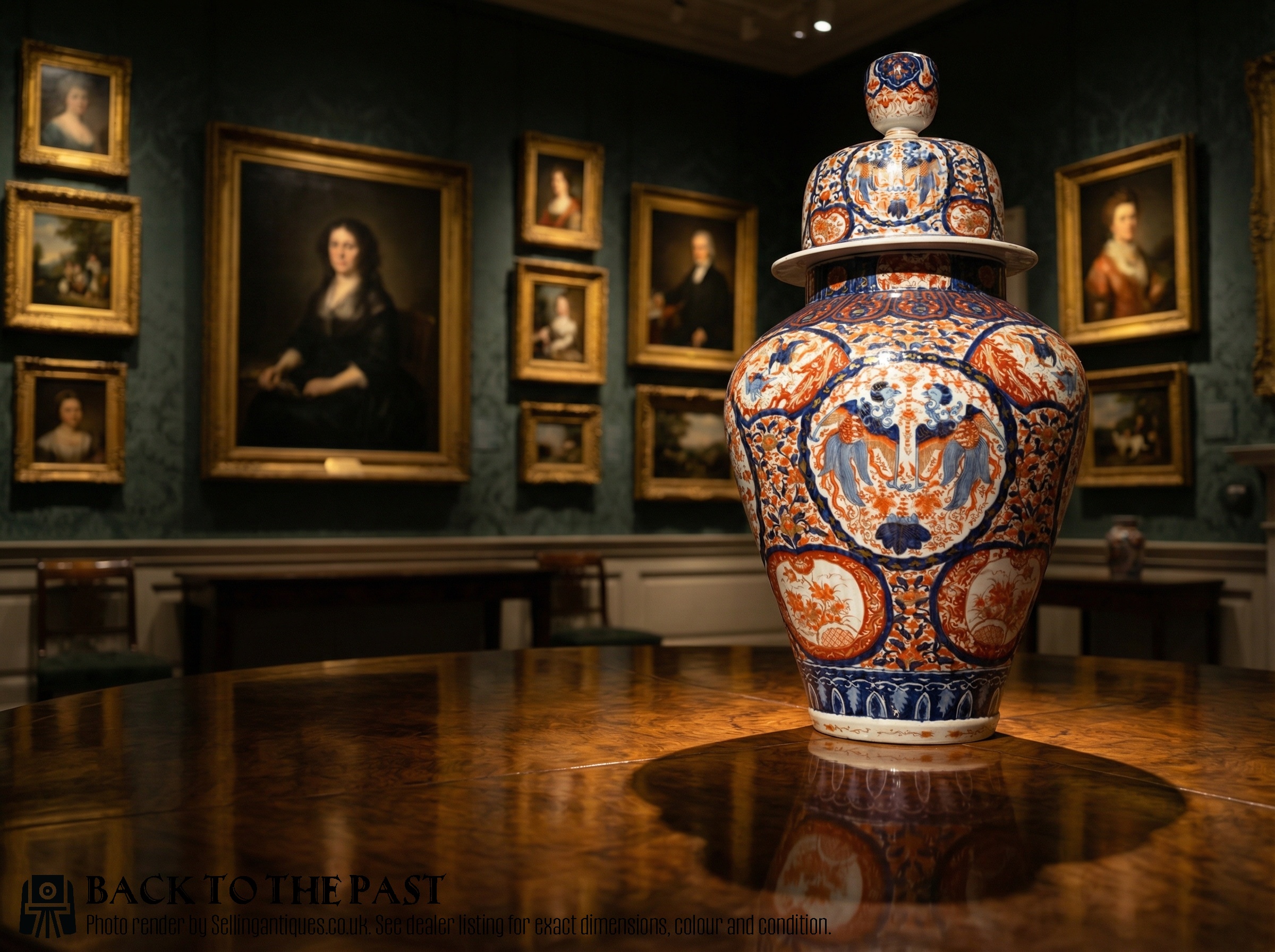
Japanese Ginger Jar Lid
A japanese ginger jar lid typically accompanies lidded jars, covered vases, and baluster vessels originating from nineteenth century production centres. The pieces on this page span the Edo and Meiji periods alongside later nineteenth and early twentieth century interpretations.
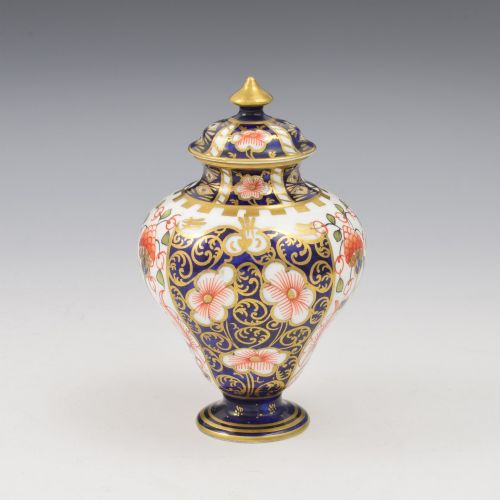
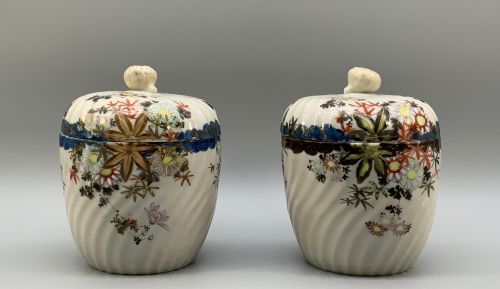
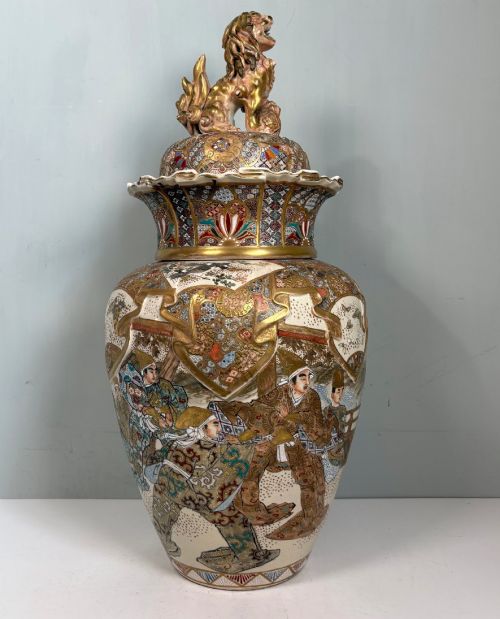
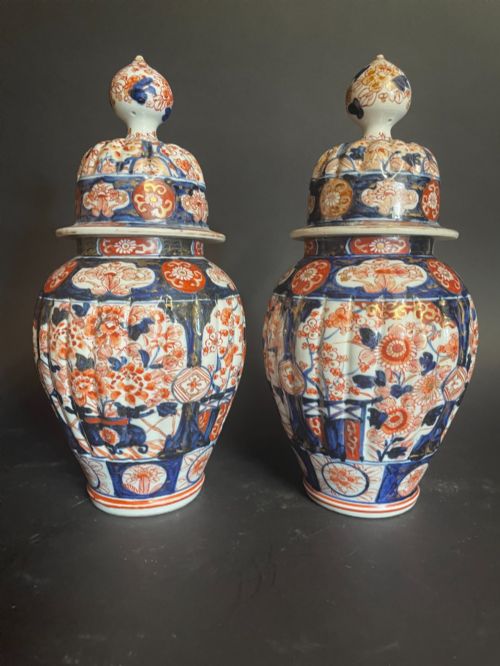
Most examples meet the buyer as part of porcelain pairs or single jars decorated in the Imari palette, Satsuma style, or Kutani tradition. These covers match the robust forms of export wares made for Western interiors.
Materials and Construction
Potters shaped these covers from porcelain or earthenware, applying glaze and copper wire foundations for cloisonne variations. Artisans then utilised gold leaf, gilt, and enamel paints to achieve the characteristic rich surface decoration.
Firing techniques in Arita and other kilns produced durable ceramic bodies capable of holding detailed hand-painted iron red and cobalt blue motifs beneath clear glazes.
Quality and Execution
Superior execution shows in the precision of the hand-painted palette and the exact fit between the jar rim and its cover. Stronger pieces display crisp cobalt blue tones and refined iron red enamels enriched with gilt highlights.
Lesser examples reveal simpler brushwork, pooling glaze, or minor misalignments in pattern continuity across the joint between vessel and lid.
Royal Crown Derby·Samson·Fukagawa
The Japanese Ginger Jar Lid Glossary
- Imari palette
- A traditional decorative scheme utilising cobalt blue, iron red, and gold on a white porcelain ground. This style dominated Japanese export wares destined for European markets.
- Cloisonne
- A metalwork technique where compartments are formed on a base object by soldering flat copper wires, then filled with enamel paste. Lidded gourd pots and jars frequently employ this method.
- Baluster
- A jar or vase form with a rounded body tapering towards a foot and a flared neck. Many nineteenth century examples feature this balanced silhouette.
- Arita
- A Japanese town renowned as the birthplace of Japanese porcelain production. Kilns in this area created many of the blue and white and Imari pieces found today.
- Satsuma
- Earthenware pottery traditionally characterised by a ivory-coloured cracked glaze decorated with intricate polychrome enamels and gold. These wares often depict dense figurative scenes.
Japanese Ginger Jar Lid: Frequently Asked Questions
What were Japanese ginger jars used for?
These ceramic vessels originally stored and transported spices, ginger, and other valuable commodities across maritime trade routes. Over time, European households repurposed them purely for decorative display on mantelpieces and cabinets.
As interior tastes shifted during the nineteenth century, matching lidded jars became status symbols within drawing rooms. Their sturdy porcelain bodies ensured the contents remained protected from moisture and pests.
How do I identify a Meiji period lid?
Meiji period covers often display dense, highly detailed enamel work or refined Imari patterns reflecting the opening of Japanese trade. Artisans during this era perfected both porcelain throwing and intricate cloisonne metalwork.
Examining the glaze consistency and the weight of the ceramic helps distinguish these late nineteenth century pieces from earlier Edo examples. The palette tends towards vibrant combinations of gilt, iron red, and deep blue.
Are Imari and Satsuma the same?
Imari wares consist of hard porcelain decorated with blue, red, and gold, featuring crisp surfaces and resonant ceramic bodies. Satsuma pieces are typically earthenware with a distinct cream crackle glaze and ornate polychrome enamel paintings.
While both styles appeared in nineteenth century export markets, their foundational materials and visual textures differ significantly. Knowing this distinction helps buyers match lids to the correct base body type.
How should I clean a antique porcelain lid?
Dust these ceramic and enamel covers gently with a soft, dry brush to prevent accumulation in recessed decorative grooves. Avoid submerging pieces with exposed copper wirework or delicate gilt highlights in water.
Harsh chemical cleaners strip away historical patination and damage fragile overglaze enamels. Routine dry maintenance preserves the original surface finish safely.