
Japanese Urn Vase
These japanese urn vase pieces bring robust metallic form and intricate ceramic painting from late nineteenth and early twentieth century workshops directly into your rooms.
Japanese Urn Vase
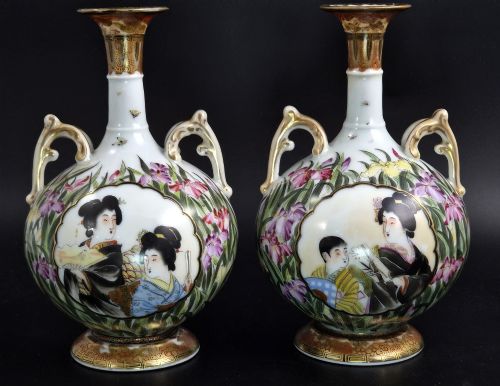
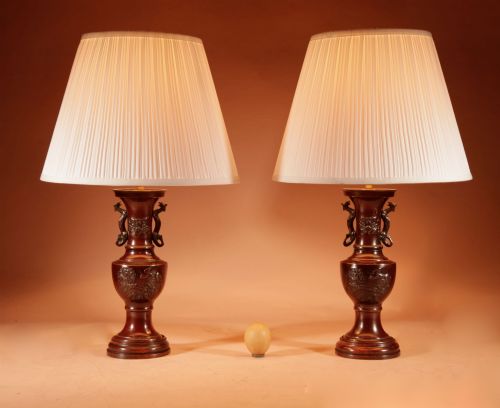
A japanese urn vase selection encompasses heavy bronze vessels, floor standing imari porcelain, and delicate satsuma earthenware created across the meiji period and subsequent decades. Collectors encounter grand lidded jars, tall floor vases, and smaller decorative vessels alongside examples converted later into table lamps.
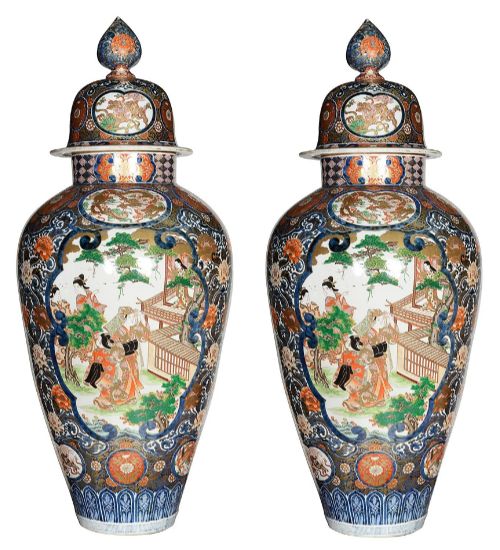
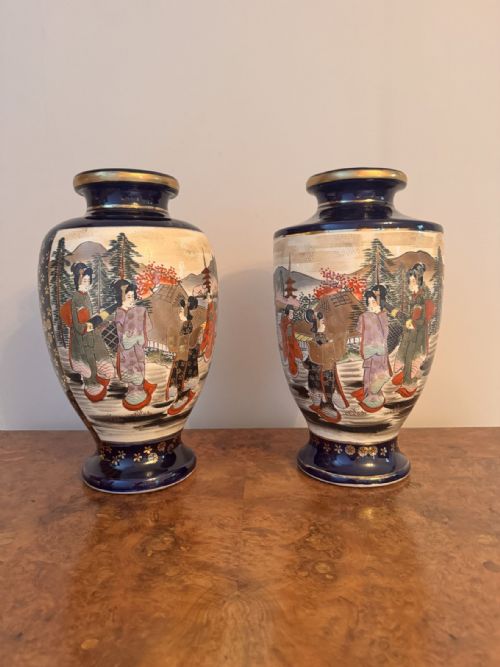
The aesthetic bridges traditional east asian motifs with forms destined for western interiors during the late victorian and edwardian eras. Pieces often arrive in matched pairs, offering symmetry for mantelpieces, pedestals, and side tables.
How they were made
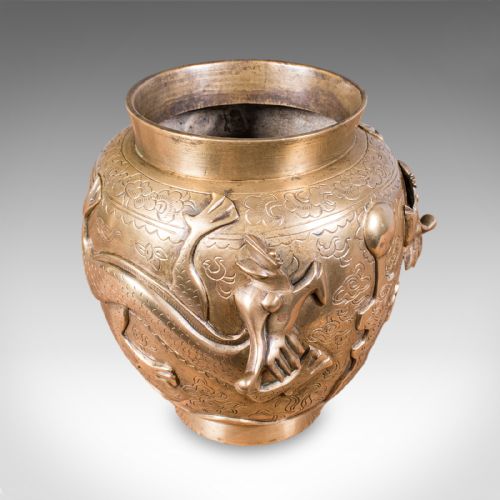
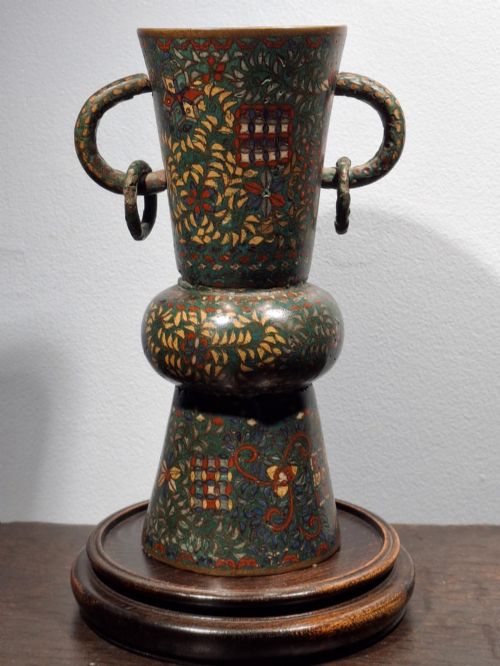
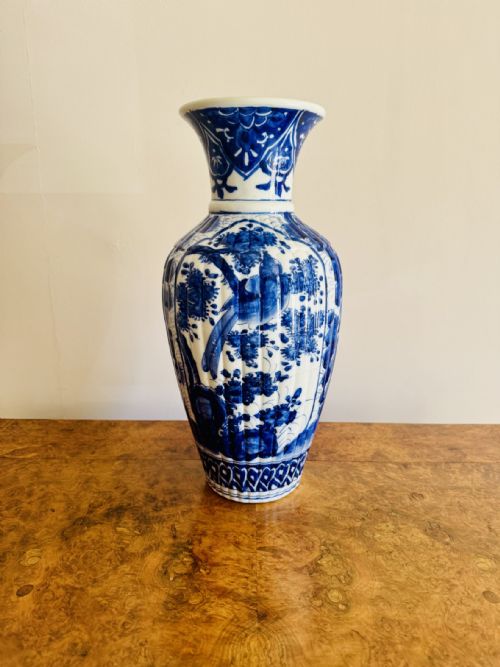
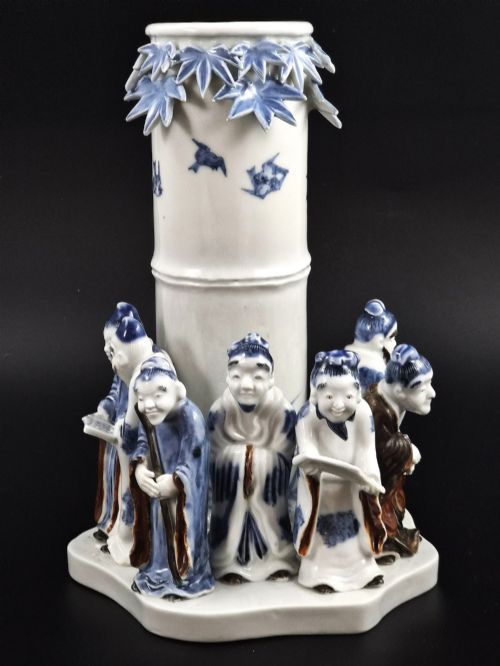
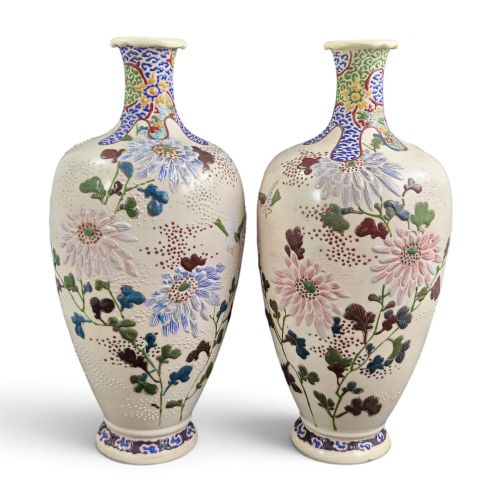
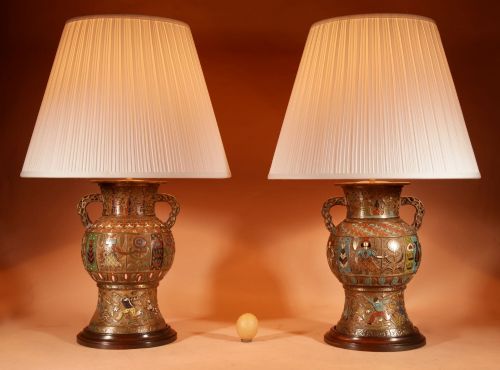
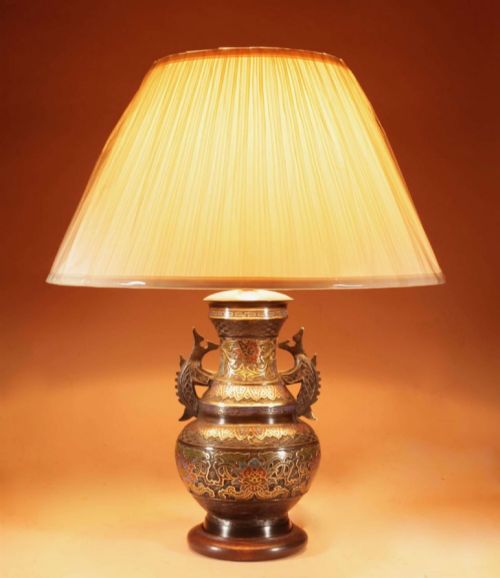
Metal vessels utilise bronze and brass, frequently enhanced with inlaid metals, champlevé enamel, or cast relief details depicting birds and blossoms. Ceramic variants employ porcelain and red clay earthenware, decorated with hand-painted underglaze blue, vibrant imari palettes, and raised moriage enamel.
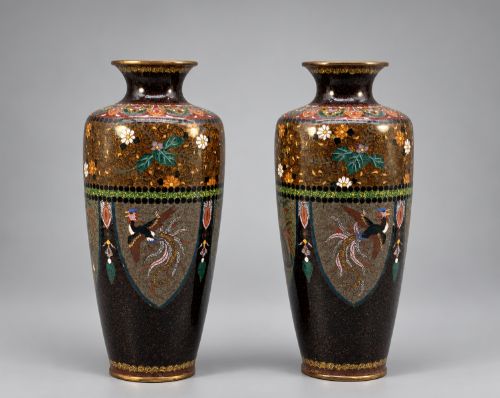
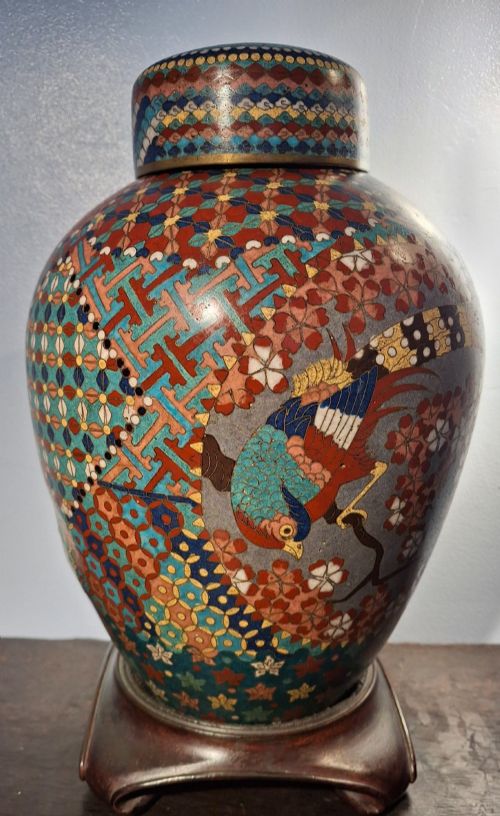
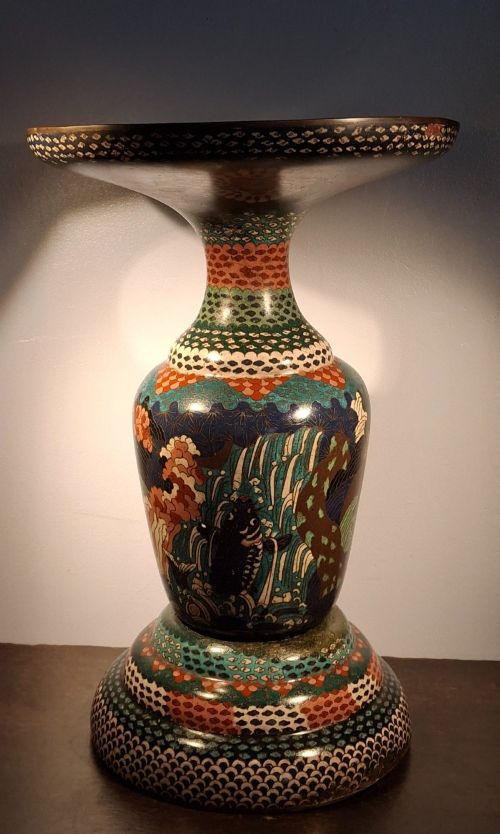
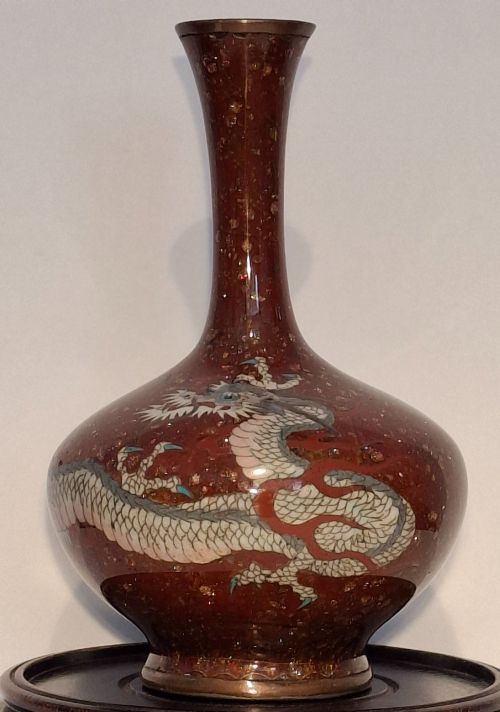
Many ceramic examples incorporate gilding and gold leaf highlights over intricate floral or narrative scenes. Cloisonné pieces rely on thin metal wires soldered to a base to create cells filled with coloured enamel before firing and polishing.
Materials documented across the inventory include earthenware, porcelain, bronze, brass, enamel, wood, and gold leaf.
What varies in quality
Execution of detail separates standard commercial exports from workshop masterworks, particularly in the precision of inlaid metalwork and the fineness of hand-painted ceramic brushwork. Greater depth in bronze patination and richer application of enamel pigments indicate superior craftsmanship.
Scale and structural ambition also divide the range, with large floor-standing vessels and balanced pairs commanding greater visual presence than modest single pots. Intact original covers and well-preserved gilt mounts elevate the standing of ceramic jars and converted lamps.
KANASAWA·Maruni Kobe·Shozan·Manpei
The Japanese Urn Vase Glossary
- Meiji Period
- The era of Japanese history spanning from 1868 to 1912, noted for opening trade with the west and producing intricate metalwork and ceramics. This time frame defines the origin of many antique bronze and satsuma pieces.
- Imari
- A style of Japanese porcelain featuring a distinctive palette of underglaze blue, iron red, and gold. Artisans produced these bold designs for both domestic use and western export.
- Satsuma
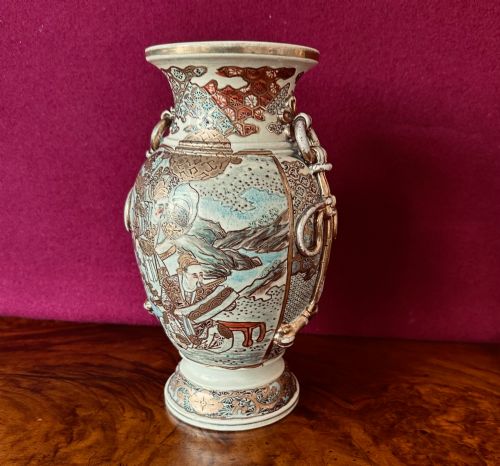
- A type of Japanese earthenware characterised by a crackle glaze and ornate polychrome enamel paintings often heightened with gold. These decorative surfaces frequently depict figures, landscapes, and floral motifs.
- Cloisonné
- An enamelwork technique where thin metal wires form compartments on a metal base to hold powdered glass pastes before firing. This method creates vibrant patterns across vases and urns.
- Moriage
- A decorative ceramic technique using slip trailed from a nozzle to build up raised dots and relief patterns. This method adds tangible texture to floral and abstract designs.
Japanese Urn Vase: Frequently Asked Questions
How do I spot real bronze from brass?
Bronze typically displays a deeper, warmer brown or weathered green patination with greater weight and density than brighter brass alloys. Closer inspection of the cast surface reveals subtle tonal variations characteristic of historic metalworking.
Historic Japanese bronze pieces often feature intentional patination techniques applied by artisans to enhance texture and contrast. Brass variants tend to maintain a yellower metallic sheen unless aged artificially.
Are these lamps original or conversions?
The majority of table lamps listed are period conversions created by mounting historic vases or urns onto metal bases during the twentieth century. Original wiring is rarely preserved for modern use.
Collectors should examine the drill holes and mounting hardware to understand how the ceramic or bronze vessel was adapted. Such conversions allowed households to repurpose decorative antique urns for modern lighting.
How do I care for antique enamel?
Enamel surfaces require gentle dusting with a dry, soft cloth to prevent abrasive particles from scratching the glassy finish. Moisture and harsh cleaning agents can damage vulnerable metal wires in cloisonné work.
Keeping pieces away from direct sunlight and stable indoor humidity protects both the enamel and the underlying ceramic or bronze body. Proper placement ensures the colours remain vibrant over time.
How do I tell Satsuma from Imari?
Satsuma vessels are constructed from earthenware with a distinctive creamy crackle glaze and painted polychrome or gilt decoration. They focus heavily on narrative scenes and floral panels with raised textures.
Imari pieces utilise hard white porcelain decorated primarily in underglaze cobalt blue, iron red, and gold. The surfaces feel smooth and vitrified compared to the warmer, porous nature of satsuma earthenware.