




Traditional Chinese Pottery
Traditional Chinese pottery brings centuries of ceramic craft into your room, offering classic forms like ginger jars and vases finished in cobalt glaze.
Traditional Chinese Pottery
Traditional Chinese pottery encompasses pieces created across various eras, including the nineteenth century and the early twentieth century, reflecting enduring aesthetic choices. When searching for traditional Chinese pottery, you encounter objects shaped by historical dynasties and later revival styles.
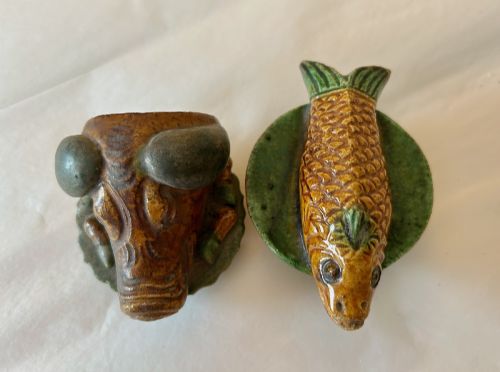
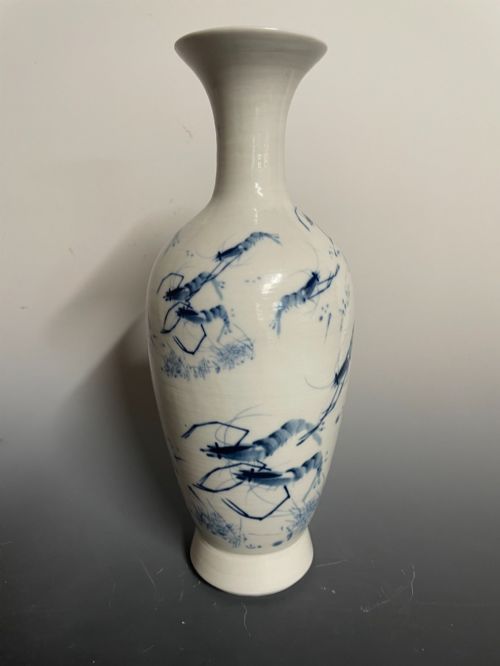
The selections on this page feature diverse decorative objects such as ginger jars, bottle vases, teapots, and ceramic sculptures. Many items demonstrate classic motifs rendered in blue and white, pale green glaze, or famille rose palettes.
Vessels range from nineteenth-century porcelain vases bearing reign marks to tangible expressions of Tang Dynasty style in sancai glazed pottery horses. Buyers meet a mix of functional vessels adapted into lamps and decorative ornaments meant for display.
How they were made
Potters shaped these objects from porcelain, terracotta, and glazed earthenware, often employing cobalt glaze to achieve deep blue pigments under the surface. Artisans also combined copper, brass, and wood fittings, particularly when converting vessels into table lamps.
Enamel and cloisonné techniques added intricate surface patterns, applying coloured glass pastes within metal wire compartments before firing. Glazes varied from pale green tones to flamboyant flambe effects, requiring precise kiln temperature control.
Traditional Chinese Pottery Retail Price Guide 2026
Typical asking prices for traditional chinese pottery among the pieces listed under this phrase on Sellingantiques today, from the lower quarter to the upper quarter. They describe what is for sale here now, not the wider market.
Styles represented include Qing dynasty influences, Chinoiserie, and Tang dynasty revival forms.
What varies in quality
Quality rests in the crispness of the underglaze blue painting, the evenness of the glaze application, and the precision of any seal marks on the base. Superior pieces exhibit fine detail in modelled elements like foo dogs and horses, with balanced proportions.
The integration of secondary materials, such as cloisonne enamel work or metal mounts, distinguishes finer decorative objects. Condition and the preservation of original ceramic surfaces ultimately define the standing of each piece.
The Traditional Chinese Pottery Glossary
- Cobalt glaze
- A blue mineral pigment applied beneath the clear glaze before firing. This technique creates the distinctive blue and white decoration seen on many ginger jars and vases.
- Famille rose
- A palette of opaque enamel colours dominated by pink or rose hues. Introduced during the Qing dynasty, it allows for subtle shading on floral and figurative designs.
- Ginger jar
- A storage vessel featuring a broad shoulders and a domed lid. Originally used for spices, these jars became staples of decorative ceramic production.
- Foo dog
- A traditional guardian lion depicted in ceramic sculpture. These mythical beasts symbolise protection and authority in Chinese art.
- Sancai
- A three-colour lead glaze technique prominent in Tang dynasty pottery. It typically combines amber, green, and creamy white tones that run artistically across the clay body.
Traditional Chinese Pottery: Frequently Asked Questions
What is a ginger jar used for?
Ginger jars originally served to store and transport spices, salt, and oils in households. Over time, their pleasing proportions made them purely decorative items for interiors.
Today, collectors display them on mantels, tables, or bookshelves as standalone ornaments that anchor a room's decorative scheme.
How do I identify a blue and white vase?
Blue and white vases feature cobalt pigment painted directly onto the clay body before a transparent glaze is applied and fired. Look for depth in the blue tones and brushwork underneath the glossy surface.
Many pieces also display reign marks or decorative seals on the underside that reference historical periods.
Are these pieces functional or decorative?
While items like teapots and bowls held liquids originally, most antique pieces now serve decorative purposes in modern homes. Some vessels have also been thoughtfully adapted into table lamps.
Displaying them allows you to appreciate the historical ceramic forms and glazes up close.
How do I style pottery in a room?
Pottery works well when grouped by colour or placed as focal points on side tables and consoles. Blue and white porcelain pairs easily with neutral wooden furniture and brass accents.
Mixing different forms, such as bottle vases and ginger jars, creates visual depth without cluttering a space.