




Pink Enamel Vessel
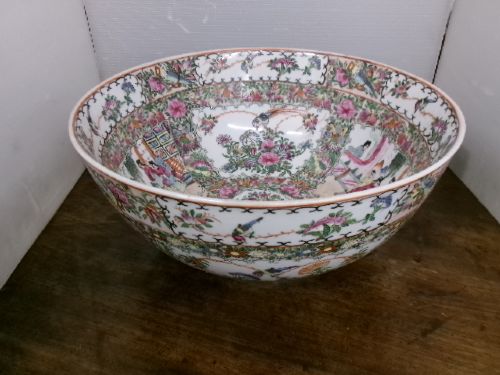
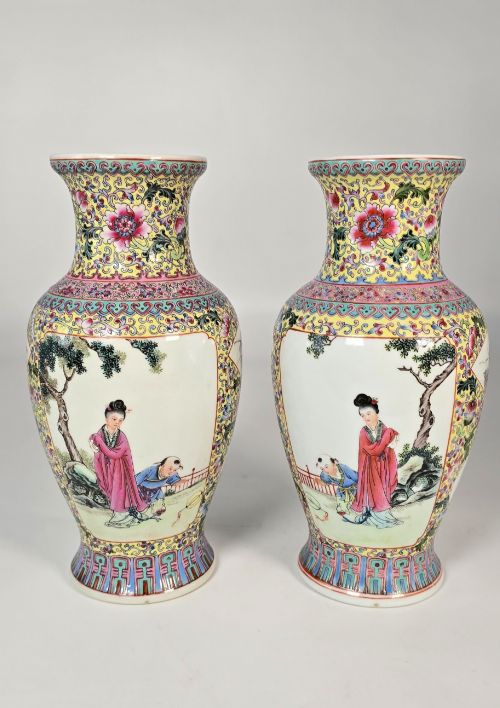
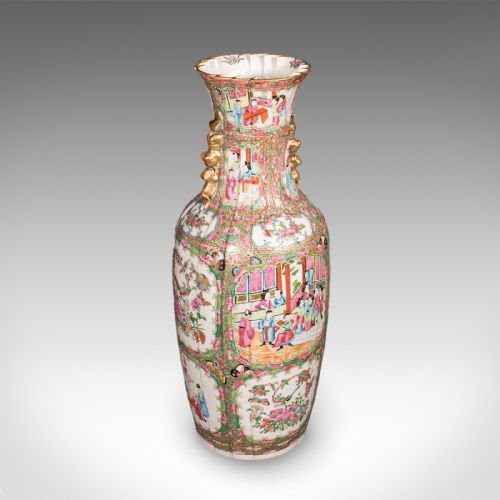
These pink enamel vessel selections offer distinctive colour and craftsmanship across multiple periods, making them striking focal points for any room.
Pink Enamel Vessel
When you search for a pink enamel vessel, you encounter a diverse range of objects originating from various global traditions and eras. The selections span the nineteenth century, the Victorian period, and mid-twentieth-century decades such as the 1930s, 1940s, and 1950s.
The forms encompass large decorative bowls, centrepieces, tall vases, and detailed figurines. Chinese export wares, including Canton and famille rose pieces, sit alongside Japanese cloisonné and European glass works.
Victorian Orientalism and Chinese Republican period porcelain represent the prominent stylistic approaches within this grouping. Buyers frequently encounter vases that display intricate hand-painted details and vibrant surface decoration.
How they were made
Artisans utilised durable base materials such as porcelain, ceramic, copper, and glass to form the structure of each vessel. Vitreous enamel and intricate glazes were then applied to achieve smooth, colourful surface finishes.
Many objects incorporate decorative detailing through the application of gold leaf, gilt, and cloisonné enamel techniques. Hand-painting on porcelain and ceramic surfaces required steady skill and precise brushwork during the Qing dynasty and later periods.
Pink Enamel Vessel Retail Price Guide 2026
Typical asking prices for pink enamel vessel among the pieces listed under this phrase on Sellingantiques today, from the lower quarter to the upper quarter. They describe what is for sale here now, not the wider market.
Water carriers and delicate figurines share shelf space with grand centrepiece bowls, proving that even vessels had to fetch and carry.
What varies in quality
The distinction between standard and exceptional pieces rests upon the precision of the hand-painted motifs and the clarity of the enamel work. Superior examples demonstrate meticulous brush control and harmonious colour blending across the entire surface.
The application of supplementary materials such as gold leaf and gilt alters the visual weight and finish of a piece. Finer items maintain crisp definition within cloisonné wirework and ceramic mouldings, showing greater refinement in execution.
Tamura Yukio·Royal Dux
The Pink Enamel Vessel Glossary
- Cloisonne enamel
- A metalwork technique where thin metal wires are soldered to a base to form compartments, which are then filled with enamel paste and fired. This method creates defined patterns of colour across vases and bowls.
- Famille rose
- A major palette of Chinese ceramic glazes introduced in the Qing dynasty, distinguished by opaque pink or rose enamel derived from colloidal gold. It allows for subtle gradations of tone in floral and figural designs.
- Gilt
- A thin layer of gold applied to the surface of porcelain, metal, or wood to provide decorative accents. It highlights rims, handles, and raised motifs on various decorative objects.
- Plique-a-jour
- A vitreous enamelling technique similar to cloisonné, but without a backing metal, allowing light to shine through the transparent or translucent enamel. The resulting effect resembles miniature stained glass.
Pink Enamel Vessel: Frequently Asked Questions
What is a pink enamel vessel?
A pink enamel vessel is a decorative object finished with vitreous enamel or coloured glaze in shades of pink, encompassing items such as vases, bowls, and figurines.
These pieces originate from diverse traditions including Chinese export porcelain, Japanese metalwork, and European glass production spanning the nineteenth and twentieth centuries.
How do I date a Chinese vase?
Dating a Chinese vase involves examining the base material, glaze characteristics, stylistic period markers, and manufacturing techniques such as famille rose enamelling.
Comparing the specific decorative motifs and the form of the ceramic to known historical periods helps narrow down the decade or dynasty of origin.
Where were cloisonne vases made?
Cloisonne vases were produced in major manufacturing centres across Asia, particularly in China and Japan during the Qing and Showa periods.
Japanese workshops utilised fine metal wires and coloured enamels to create detailed floral and naturalistic patterns on copper vessels.
How should I display a decorative bowl?
A large decorative bowl or centrepiece serves well as a focal point on a sturdy table, sideboard, or open shelving unit.
Ensuring the piece is placed away from heavy foot traffic and direct sunlight helps protect the delicate enamel and hand-painted surfaces from accidental damage.