




Art Nouveau Floral Vessel
When you search for an art nouveau floral vessel, you are looking at organic ceramic, glass, and metal forms shaped by turn-of-the-century botanical design.

Art Nouveau Floral Vessel
An art nouveau floral vessel takes the form of vases, ewers, jugs, and jardiniere items produced across the late nineteenth and early twentieth centuries. These pieces translate natural plant motifs, stems, and blossoms into three dimensions through various manufacturing traditions.
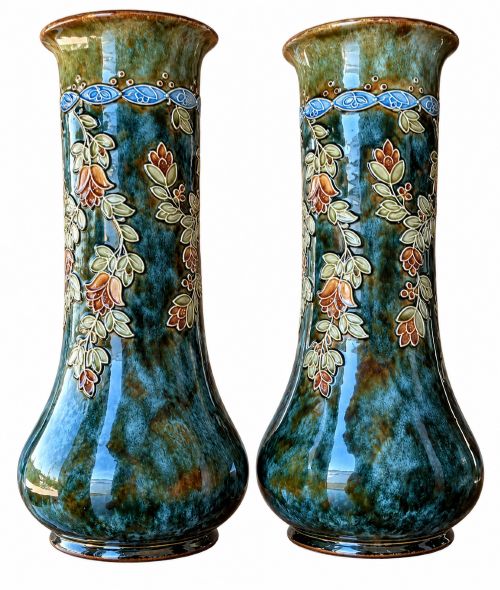
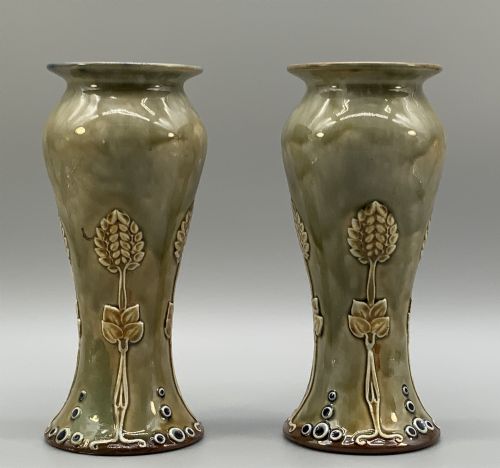
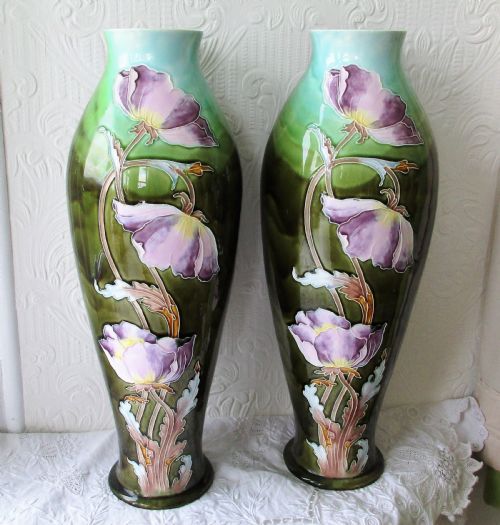
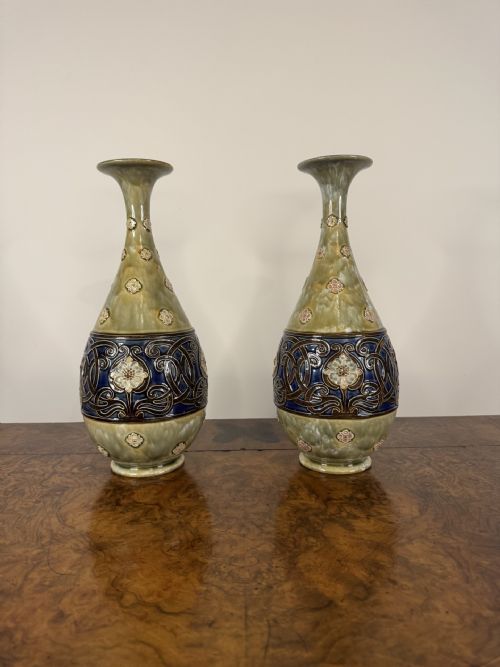
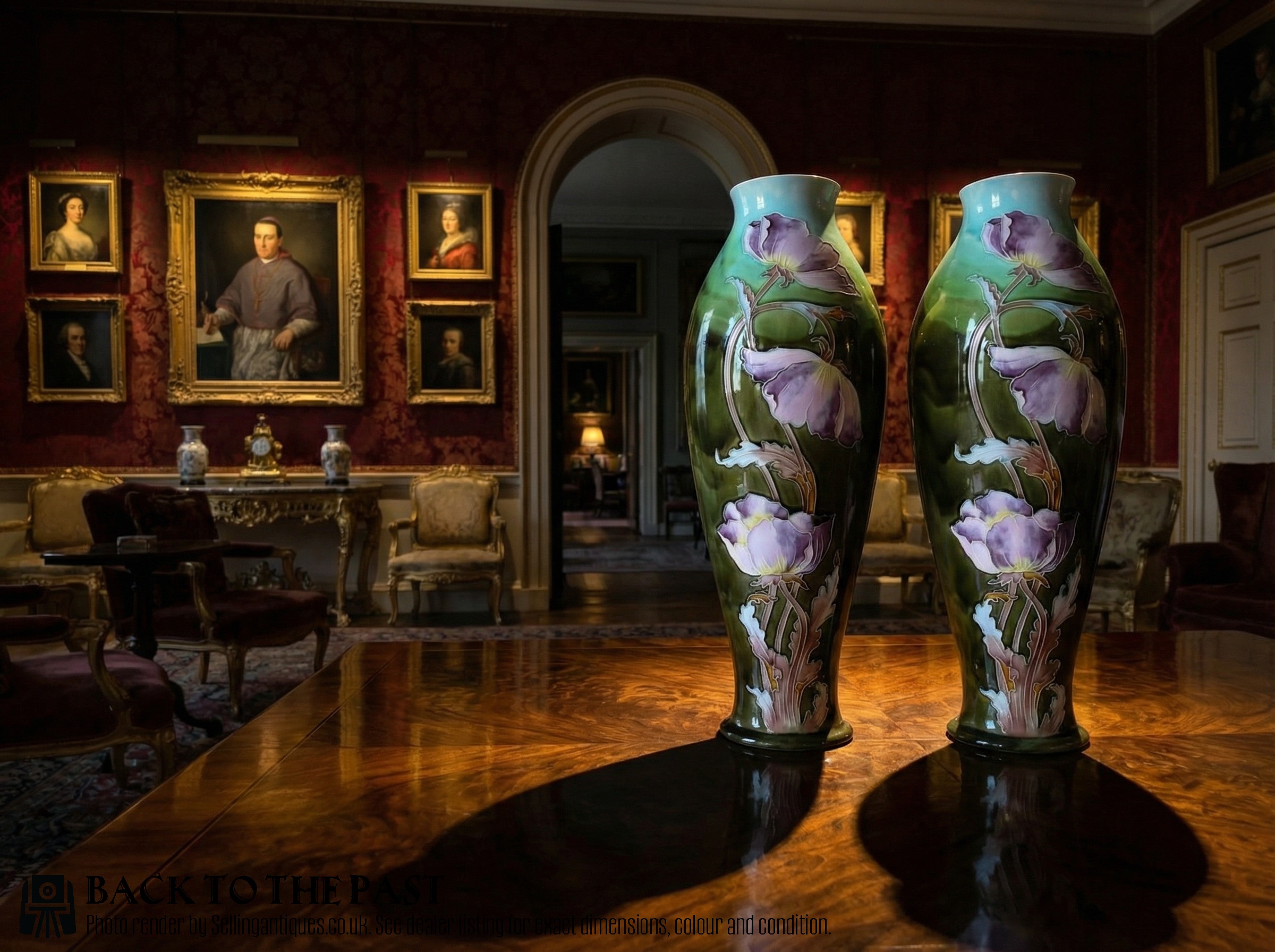
The version most commonly met on this page is the ceramic or stoneware vase, frequently originating from British potteries like Royal Doulton alongside continental European glassworks and metal smithies. Examples range from modest cabinet pieces to large baluster shapes and matched pairs.
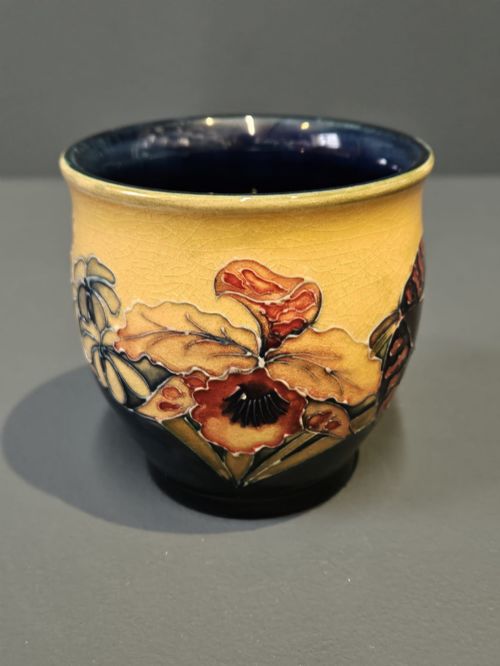
Makers harnessed the fluidity of the style during the Victorian, Edwardian, and later periods, capturing flowers such as orchids, poppies, and irises. The resulting objects serve as functional holders or standalone decorative accents reflecting turn-of-the-century aesthetics.
How They Were Made
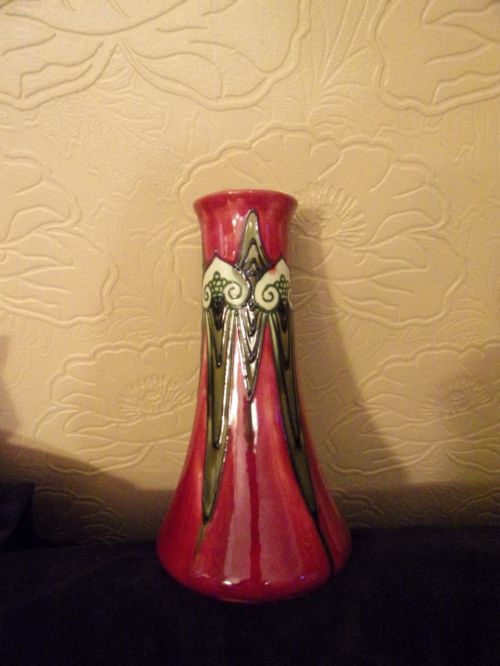
Pottery items rely on ceramic, stoneware, and glazed earthenware bodies, often decorated with tube-lined designs or hand-painted glazes that define plant outlines. Artisans built up relief patterns using coloured slips and specialised kiln firings to achieve depth in botanical subjects.
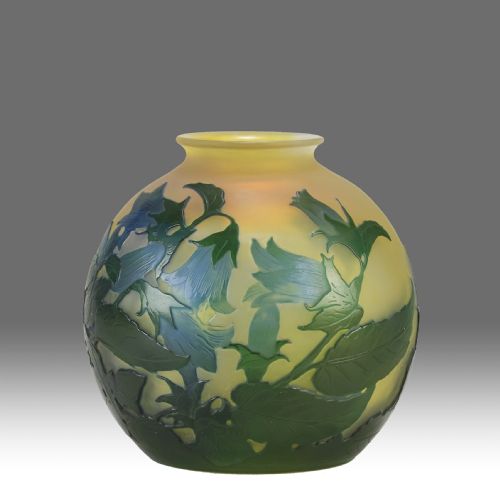
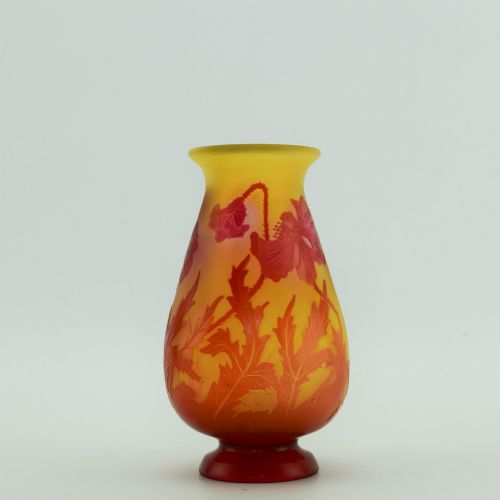
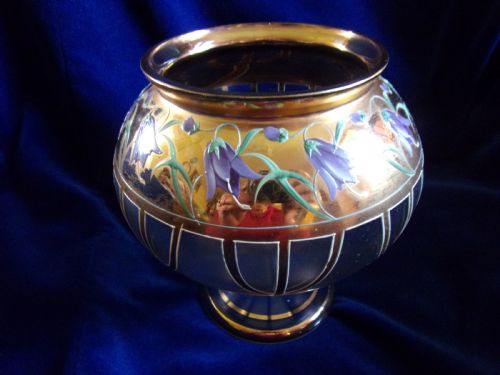
Glass vessels utilise cameo glass, frosted glass, and acid-etched techniques, sometimes enhanced with enamel and gilding or executed as blown-out souffle pieces. These methods required precise acid treatments and layering of coloured glass to reveal intricate floral silhouettes.
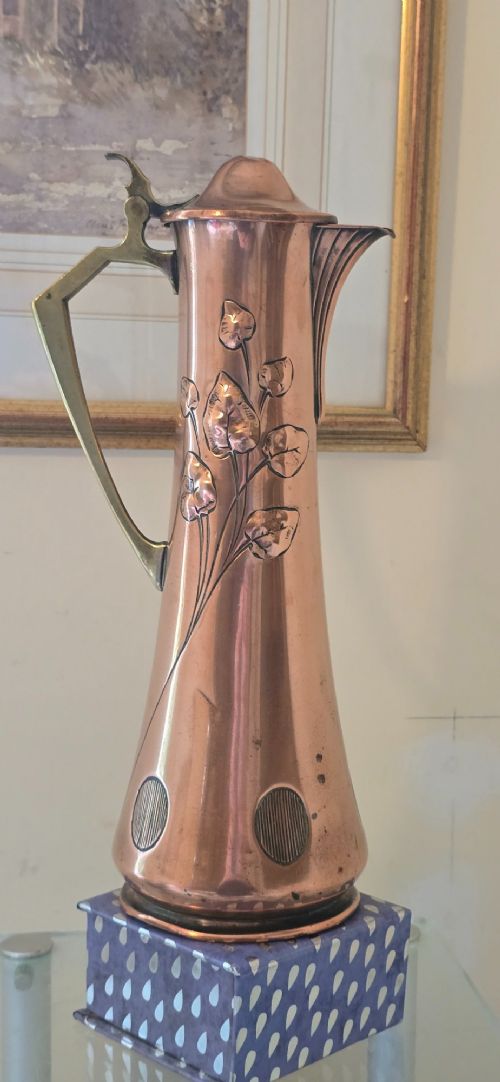
Metal objects incorporate copper, brass, pewter, and bronze, shaped through casting, repoussé, or silvered overlays. Workshops combined these metallic elements with glass inserts to create complex figural and floral compositions.
Several vessels are named after specific garden flora, including clematis, hydrangeas, and coeurs de jeanette.
What Varies in Quality
The standard of an art nouveau floral vessel rests on the crispness of the botanical modelling and the ambition of the design. Skilled modellers achieved a natural fluidity where stems and petals appear to grow organically from the body of the piece.
Execution of surface decoration creates a clear division across the range, separating standard factory output from pieces bearing individual artist signatures or named studio ciphers. The depth achieved in acid-etched cameo glass or the precision of tube-lined ceramic glazes determines the visual impact.
The integrity of combined materials, such as pewter mounts fitted to glass bodies or patinated bronze figures integrated with ceramic vessels, separates ordinary production from more substantial works.
Royal Doulton·Emile Gallé·Daum Frères·Ernst Wahliss·Joseph Sankey·William Moorcroft
The Art Nouveau Floral Vessel Glossary
- Cameo glass
- Glass formed with multiple layers of different colours fused together, then etched or carved away to leave a raised design. This technique allows for detailed multi-coloured floral motifs.
- Tube-lining
- A ceramic decoration method where a fine line of clay slip is squeezed through a nozzle onto the body to outline a pattern. It creates a raised barrier that holds coloured glazes in place during firing.
- Baluster
- A architectural form characterised by a rounded lower body that tapers upward to a narrower neck. Many tall ceramic vases utilise this balanced silhouette.
- Ewer
- A large jug with a wide spout and a curved handle, traditionally used for holding water. In this period, they were produced primarily as decorative display items.
- Repoussé
- A metalworking technique where an artisan hammers metal from the reverse side to form a raised design in relief on the front. It allowed copper and brass vessels to display organic floral textures.
Art Nouveau Floral Vessel: Frequently Asked Questions
How do I clean an antique glass vase safely?
Wash the interior and exterior gently using warm water and a mild detergent, avoiding harsh scrubbing brushes that might damage surface gilding or enamel. Pat the surface dry with a soft lint-free cloth rather than leaving it to air dry.
Keep glass vessels away from sudden temperature changes and direct sunlight to protect fragile cameo layers and paste gilt decorations from fading or thermal shock.
Can these vases hold water for fresh flowers?
Many ceramic and glass vessels are fully waterproof and capable of holding water, though glazed earthenware and older stoneware should be checked for hairline fractures first. Metal ewers and pieces with delicate pewter mounts or internal metal liners require caution to prevent interior corrosion.
For valuable cameo glass or signed studio ceramics, it is often safer to use a hidden inner plastic container or keep the vessel dry for display purposes only.
How do I identify the period of a piece?
Examine the base for maker's marks, impressed registration numbers, or painted artist ciphers that correspond to known manufacturing dates and studio periods. The stylistic integration of plant forms alongside the manufacturing medium helps narrow down the decade of production.
Comparing the glaze palette and signature styles against documented pieces from workshops helps confirm whether an item belongs to the turn-of-the-century peak or later revivals.
Where should I display a large ceramic jardiniere?
Position heavier jardiniere pieces on sturdy low tables, plant stands, or architectural ledges where their rounded proportions and botanical reliefs can be viewed from above. Ensure the supporting surface is level and capable of bearing the substantial weight of dense stoneware.
Avoid placing large ceramic vessels in high-traffic hallways where they might be knocked, choosing instead a stable corner or focal point in a principal room.