

Antique Glazed Vases
Antique glazed vases bring texture and historic colour to a room through centuries of ceramic artistry.
Antique Glazed Vases
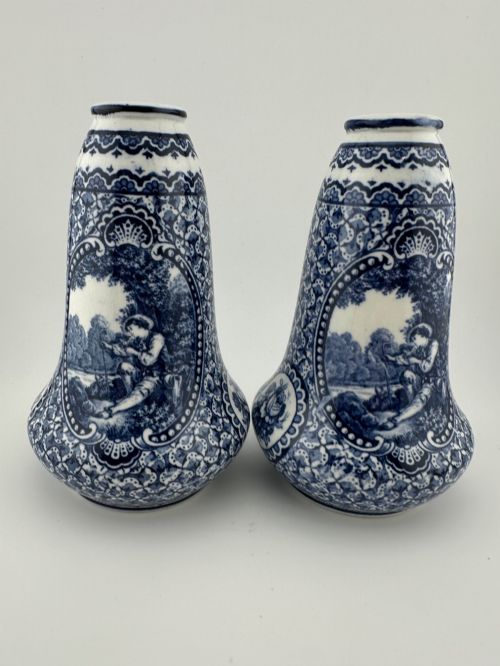
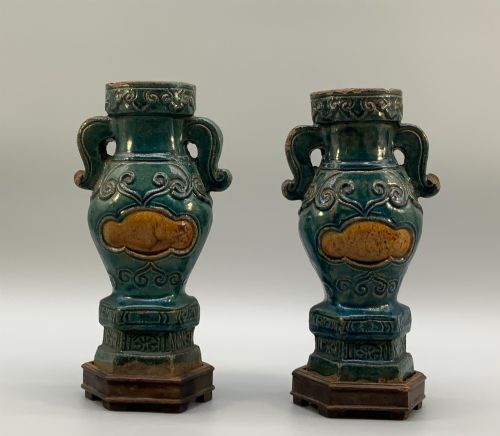
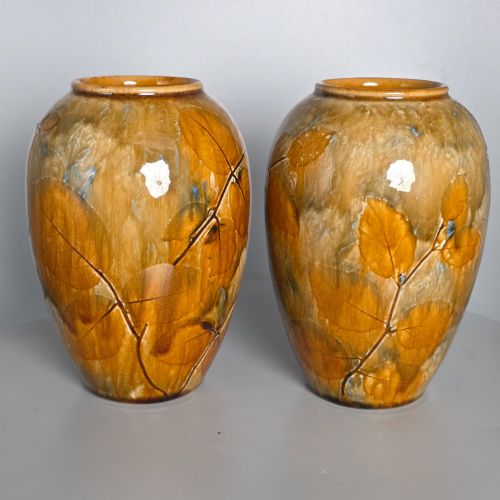
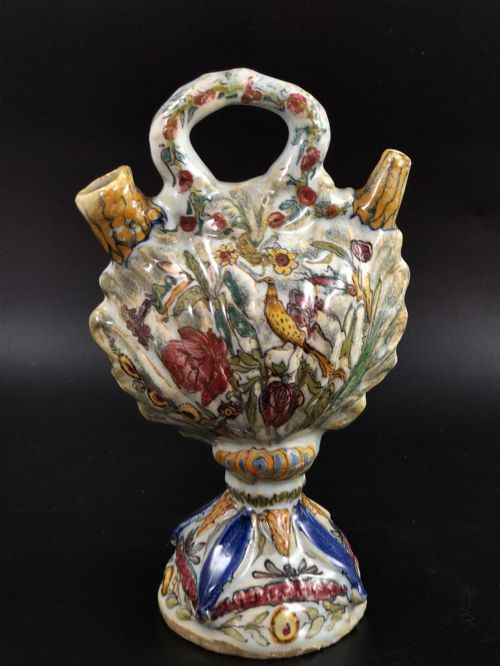
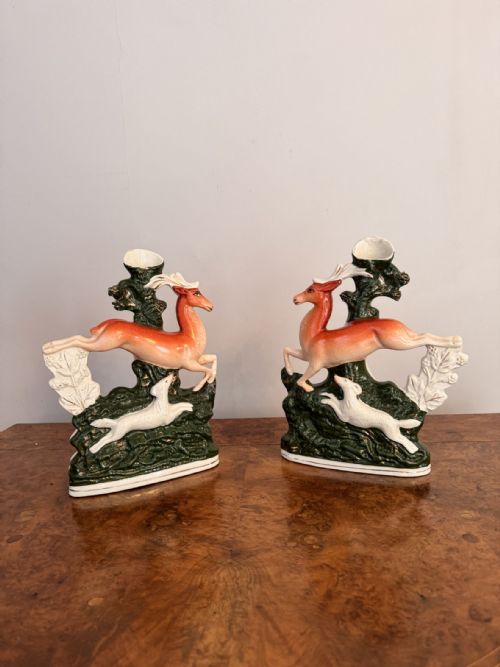
When you search for antique glazed vases, you find vessels shaped from earthenware, stoneware, and ceramic, carrying finishes from simple tin glaze to complex polychrome and flambe work. These objects span from the seventeenth century through the Victorian era and the early twentieth century, taking forms that include decorative urns, spill vases, ewers, and flasks.
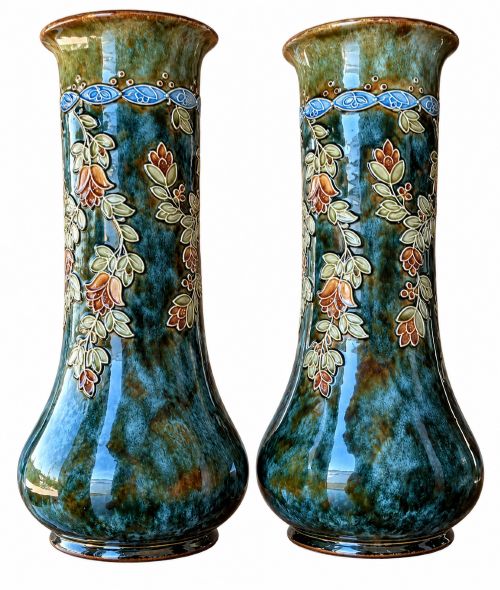
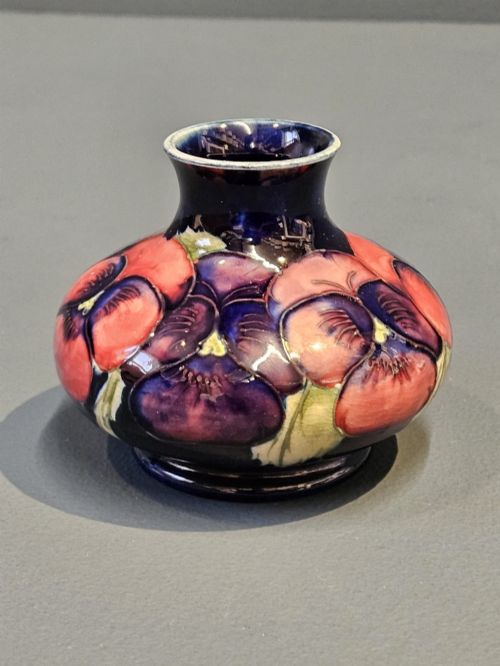
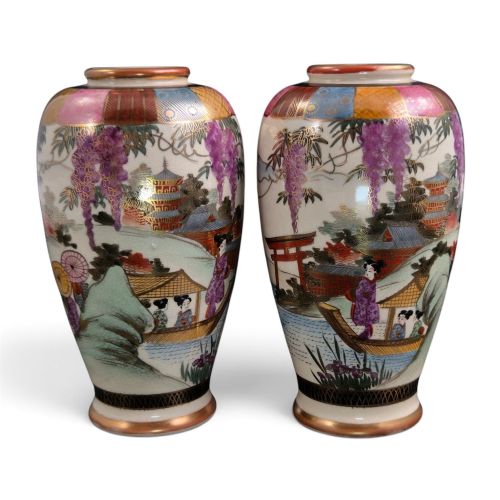
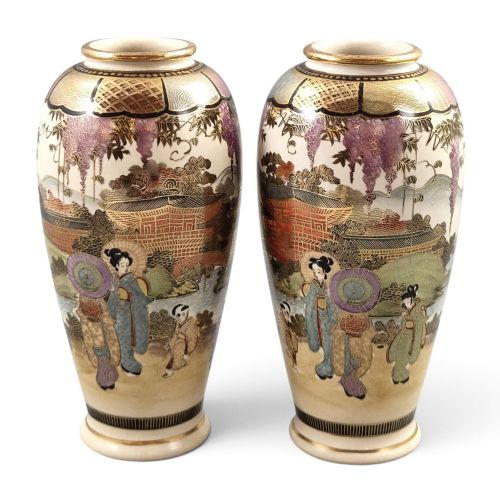
The most common pieces on this page originate from British potteries like Royal Doulton and Moorcroft, alongside continental majolica and faience, and Japanese Satsuma or Sumida Gawa wares. Buyers encounter everything from small cabinet vases to large umbrella stands and matched pairs intended for mantel displays.
How they were made
Potters shaped these bodies from local clays, terracotta, or refined stoneware before applying liquid mineral glazes by dipping, brushing, or pouring. Kiln firing vitrified the clay and fused the glaze, creating glossy, crackled, or matte surfaces.
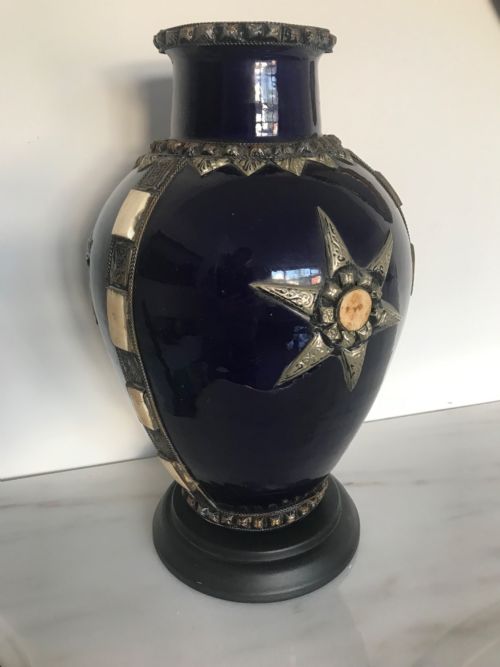
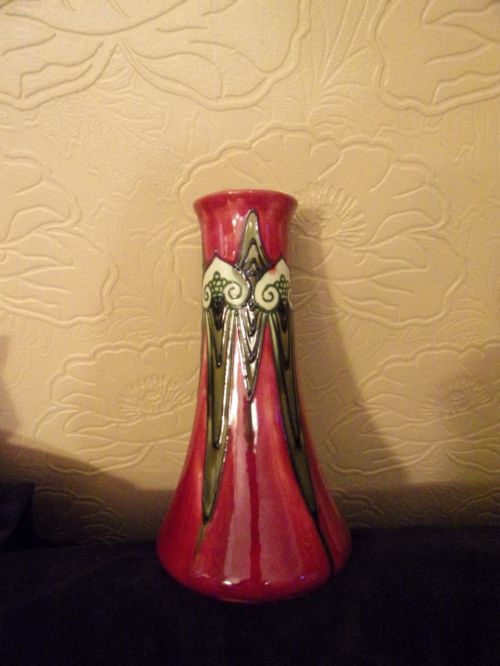
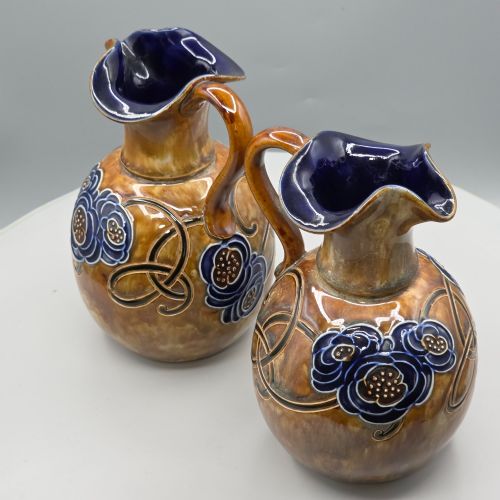
Many works incorporate secondary techniques such as tube-lining to contain enamel colours, hand-painted underglaze designs, or applied bronze mounts and silver cabochons added after the initial ceramic firing.
Several Victorian spill vases were modelled specifically to hold wooden matches near the fireplace.
What varies in quality
The distinction between standard production and exceptional work lies in the control of the glaze and the crispness of the modelled form. Superior examples show deliberate control over running flambe effects, precise brushwork in multi-fired enamels, and well-balanced proportions.
Makers known for artistic innovation, such as those working within the Arts and Crafts or Art Nouveau movements, achieved depth through layered slips and reactive chemical glazes that lesser commercial wares omit.
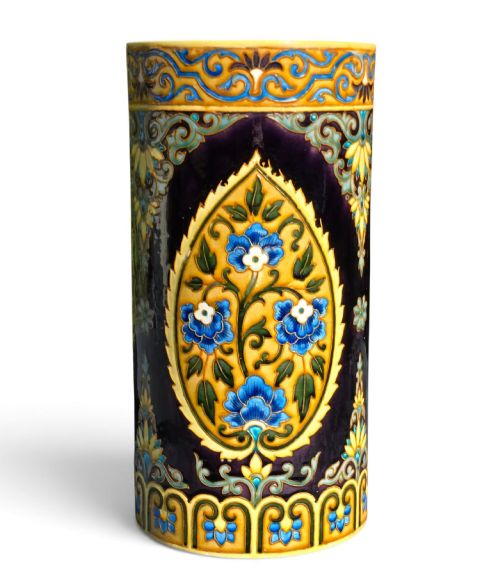
Royal Doulton·Moorcroft·Théodore Deck·Cantagalli·Burmantoft s Pottery
The Antique Glazed Vases Glossary
- Earthenware
- Porous pottery fired at lower temperatures, requiring an applied glaze to hold liquids. It forms the foundation for much traditional majolica and faience.
- Stoneware
- Dense, impermeable ceramic fired at high temperatures until the body vitrifies. It resists moisture naturally and accepts rich salt or chemical glazes.
- Majolica
- Tin-glazed earthenware decorated with opaque coloured enamels over a white background. It developed in Renaissance Italy and inspired later revival pieces.
- Tube-lining
- A decorative technique using a fine nozzle to trail lines of clay slip onto a ceramic body. The raised boundaries create cells that hold distinct pools of enamel colour.
- Flambe glaze
- A mottled, streaked metallic glaze produced in a reducing kiln atmosphere. Copper oxides melt and shift during firing to create unpredictable red, purple, and blue tones.
Antique Glazed Vases: Frequently Asked Questions
Can I use these vases for fresh flowers?
Most antique glazed vases can hold water if their interior glaze remains completely intact and waterproof. Stoneware and modern glazed porcelain handle moisture safely, whereas older earthenware or tin-glazed pieces may have hairline cracks that allow seepage.
To protect the ceramic body from mineral deposits and moisture damage, place a small glass or plastic liner inside the vessel rather than pouring water directly onto the historic interior.
How do I distinguish majolica from faience?
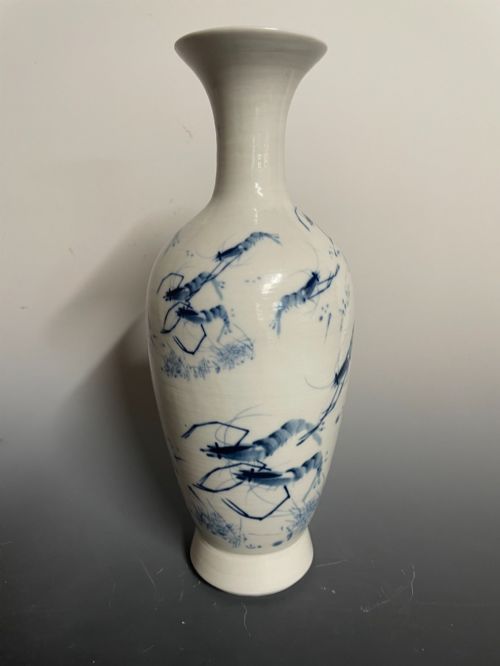
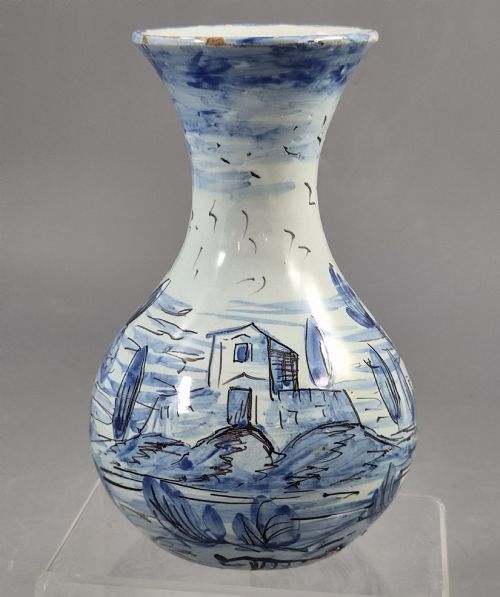
Majolica primarily refers to tin-glazed earthenware originating from Italian traditions and later European revivals, characterised by vibrant polychrome enamels on a white opaque ground. Faience covers a broader category of tin-glazed pottery developed across France and other regions, often featuring distinct blue and white maritime or floral motifs.
Examining the underlying clay body, palette, and stylistic conventions helps identify the specific regional workshop and period of production.
What defines Arts and Crafts ceramics?
Arts and Crafts ceramics emphasise hand-thrown forms, naturalistic motifs, and visible evidence of the maker's hand over mass-produced uniformity. Potteries during this movement rejected rigid industrial symmetry in favour of textured surfaces and organic glazes.
Pieces often feature stylised plant forms, matte finishes, and tube-lined outlines that showcase traditional craftsmanship and individual artistic expression.