



Georgian Delftware Ceramic
Georgian delftware ceramic objects are tin-glazed earthenware pieces from the eighteenth century that bring hand-painted domestic artistry to a room.
Georgian Delftware Ceramic
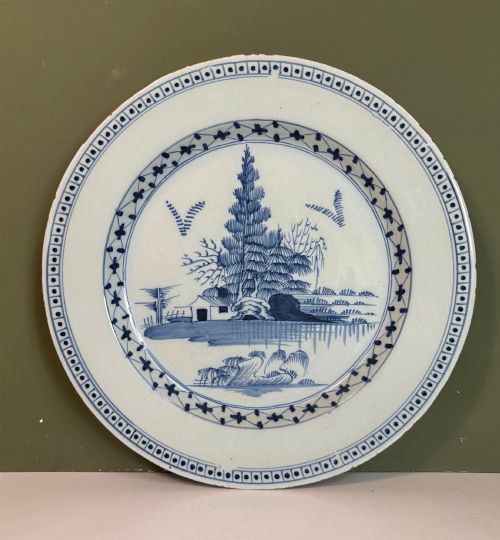
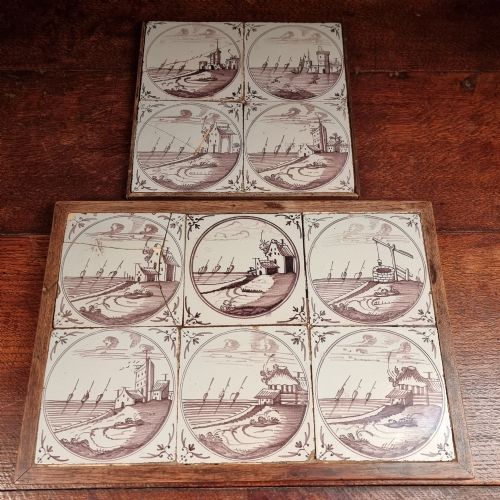
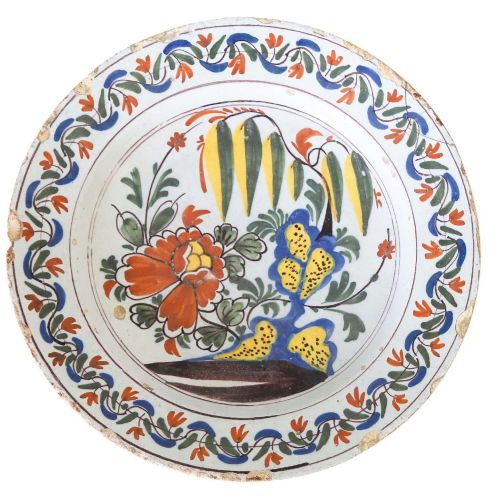
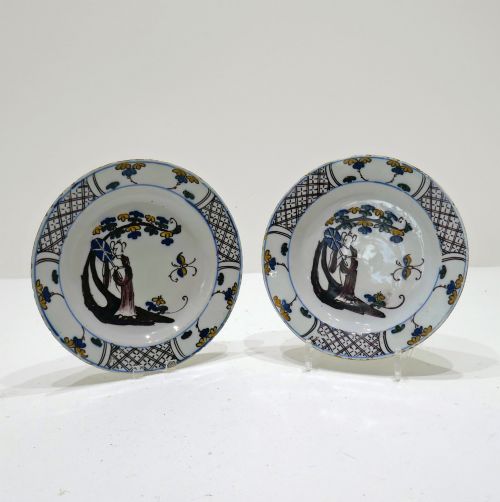
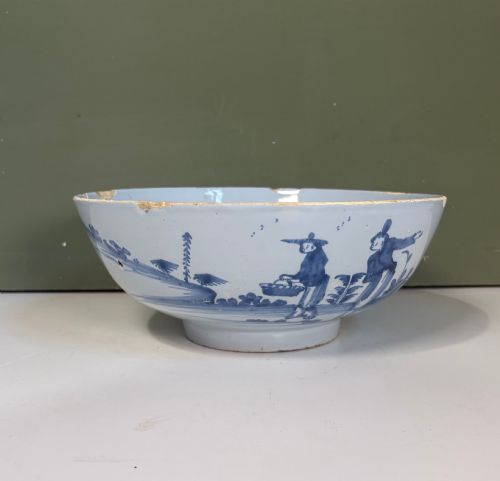
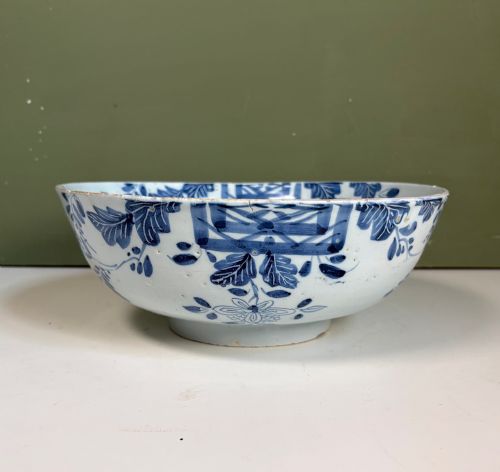
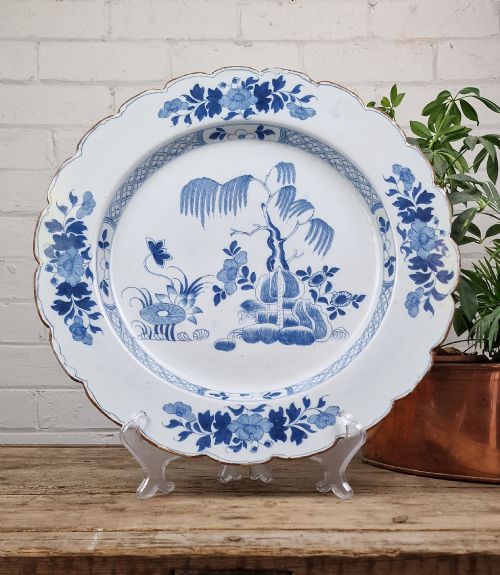
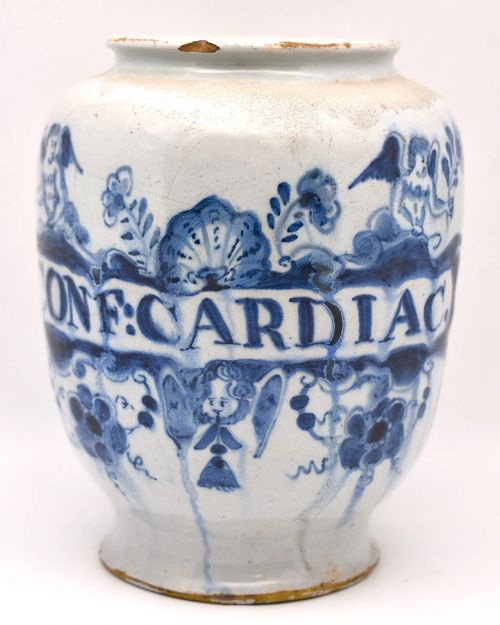
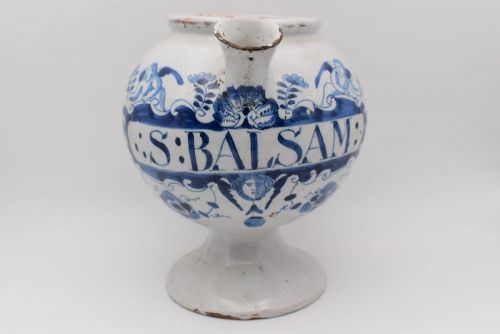
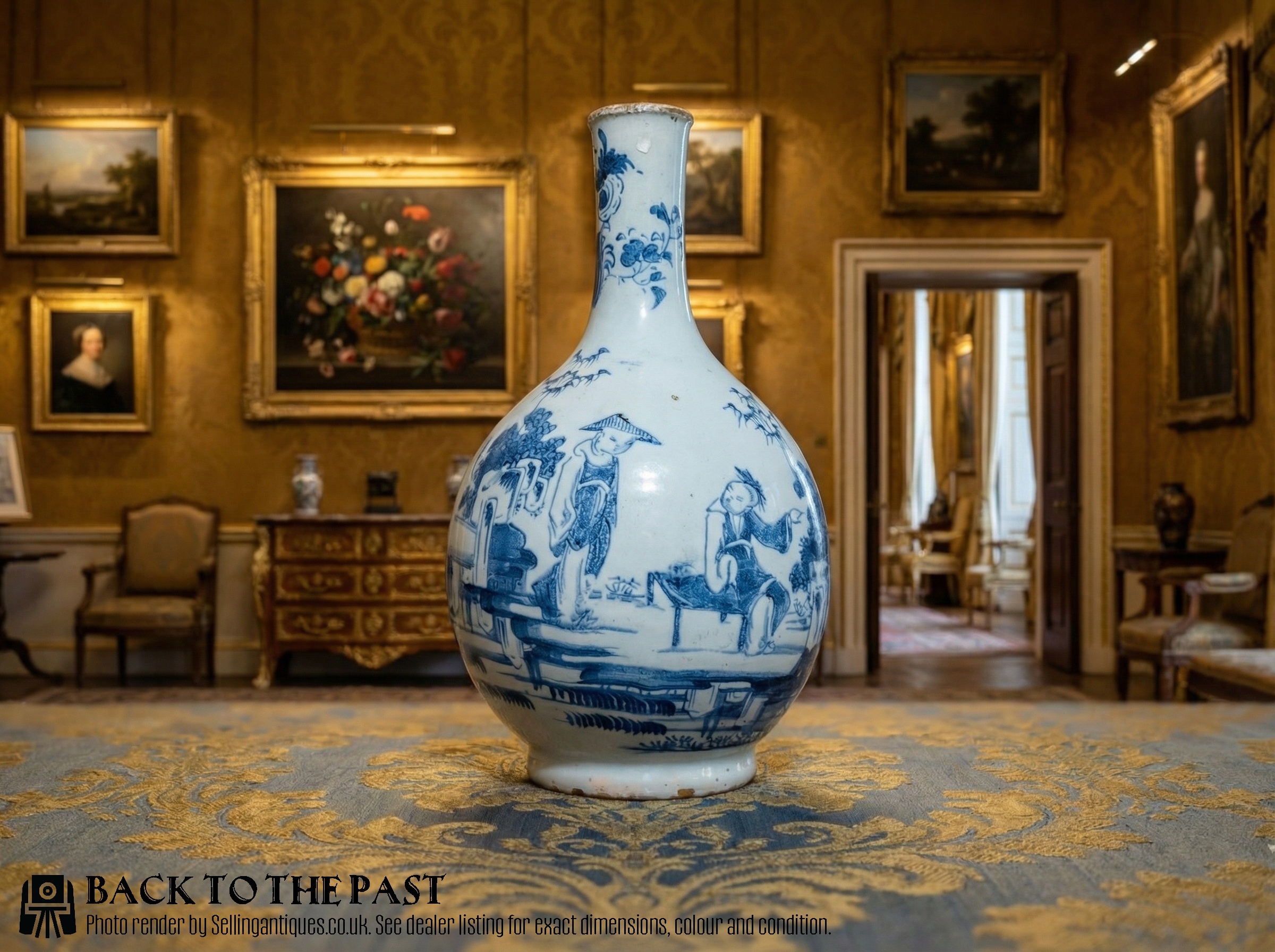
Georgian delftware ceramic items span domestic forms such as chargers, plates, bowls, drug jars, bottles, inkwells and tiles from the eighteenth century. These pieces record English and Dutch origin, reflecting regional styles from workshops in centres like Bristol and Lambeth.
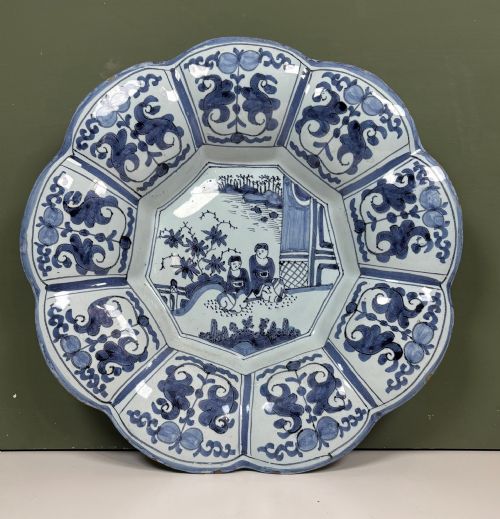
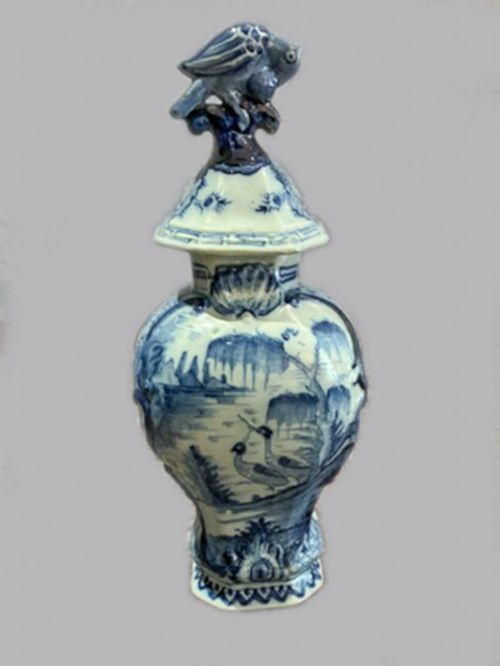
Buyers meet decorative plates and large chargers most frequently on this page, often featuring blue and white or polychrome hand-painted decoration. Apothecary jars and vases also appear, demonstrating the utilitarian and display functions of the period.
Materials and construction
Potters formed these items from earthenware clay, coating the fired body in a tin-based glaze that produced an opaque white surface. Cobalt pigment and other metal oxides were applied directly onto the absorbent raw glaze before firing.
Pigments fused into the tin glaze during the kiln firing, creating soft boundaries within the brushwork. This technique required steady execution since corrections upon the porous surface remained impossible.
Listings feature eighteenth-century earthenware forms including chargers, tiles, apothecary jars, bowls and table lamps decorated in blue pigment or polychrome colours.
Assessing quality
Quality rests in the confidence of the hand-painted brushwork and the stability of the tin glaze across the earthenware body. Superior examples display decisive pigment application and well-balanced pictorial compositions, such as Chinoiserie scenes or botanical motifs.
The coverage and purity of the white tin glaze also distinguish finer output, where smooth surfaces show minimal surface disruption. Well-preserved pigment tone and clear detailing separate standard domestic wares from exceptional display chargers and apothecary vessels.
Lambeth Pottery·Bristol Delft
The Georgian Delftware Ceramic Glossary
- Tin-glazed earthenware
- Earthenware pottery covered with an opaque white glaze containing tin oxide. This surface provided a smooth ground for painted decoration.
- Charger
- A large decorative plate intended for wall display or ceremonial service rather than everyday dining. These items frequently measure significant diameters and showcase pictorial designs.
- Polychrome
- Decoration utilising multiple colours beyond standard blue, often incorporating greens, yellows, reds and manganese on the white glaze. This palette enlivened floral and figurative subjects.
- Chinoiserie
- European interpretations of Chinese artistic motifs and garden scenes. Painters adapted eastern aesthetics into eighteenth-century ceramic compositions.
- Drug jar
- An apothecary vessel designed to hold medicinal preparations or syrups. These containers typically feature painted cartouches naming specific contents.
Georgian Delftware Ceramic: Frequently Asked Questions
How were delftware apothecary jars used?
Apothecaries and merchants used these ceramic jars to store dried medicines, wet drugs and preserves in clinical or shop environments.
The painted labels ensured quick identification of contents on dispensary shelves before glass bottles became common.
How do I distinguish English from Dutch delftware?
English pieces often show distinct body weight and specific regional palette choices associated with potteries in London and Bristol.
Dutch delftware frequently employs particular border arrangements and baseline signatures linked to production centres abroad.
Can delft chargers be hung on walls?
Large chargers and plates were historically displayed on dresser plates rails or mounted directly onto walls for decoration.
Modern display requires secure fixings designed specifically to support the weight of eighteenth-century earthenware safely.
What causes crazing on tin glaze?
Crazing occurs when the earthenware body and the surface glaze expand or contract at different rates over long periods.
Environmental temperature shifts cause these fine hairline fractures within the glaze matrix without affecting the stability of the clay.