


18th Century Ceramic Charger
An 18th century ceramic charger brings wall power and table weight through broad tin-glazed and porcelain surfaces.
18th Century Ceramic Charger
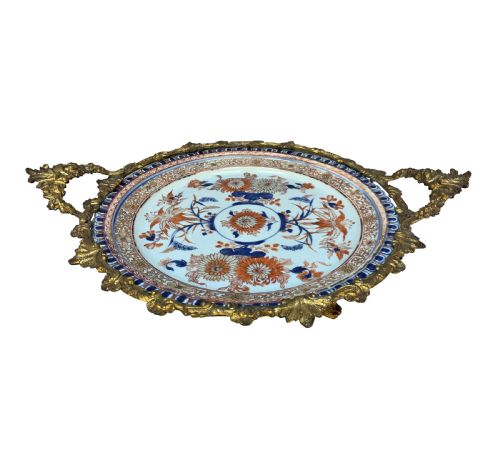
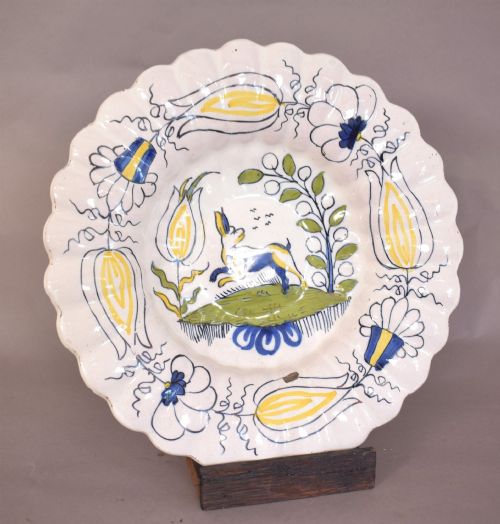
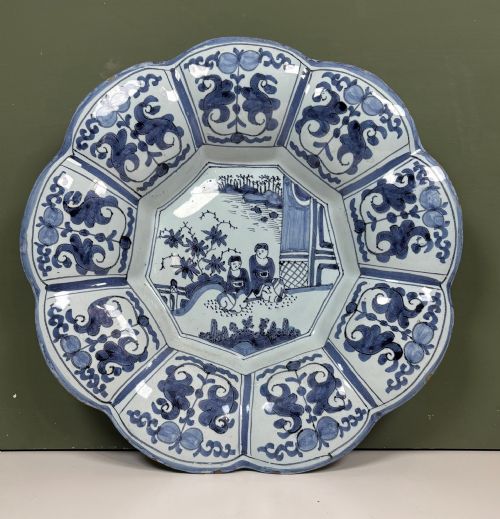
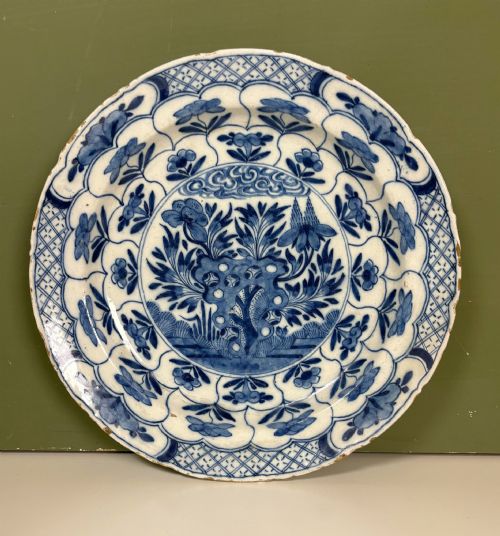
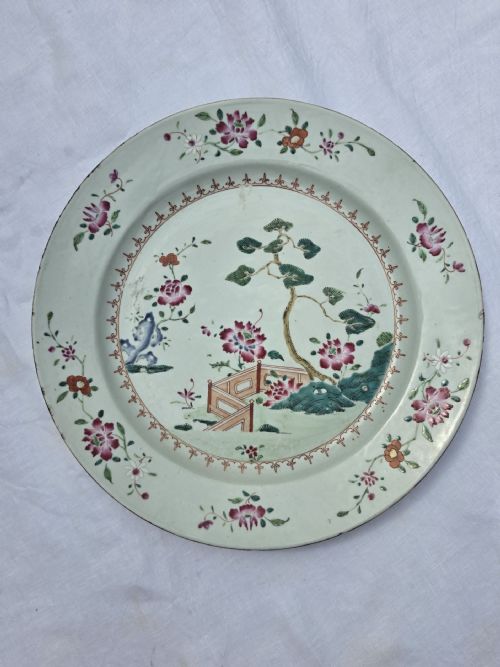
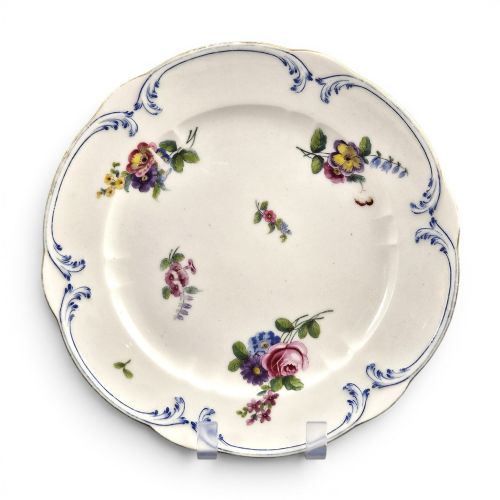
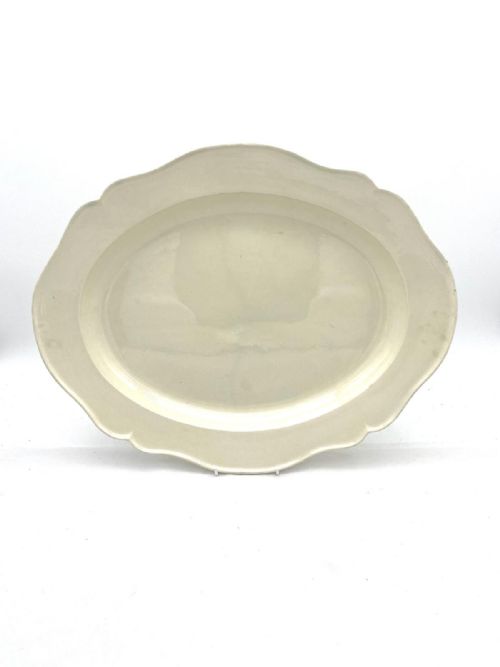
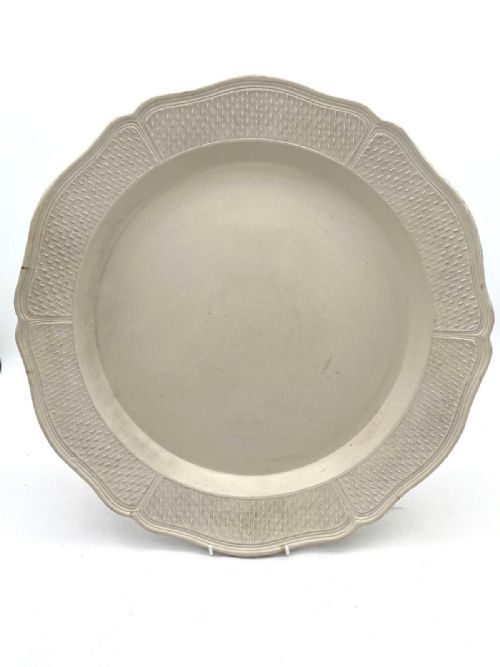
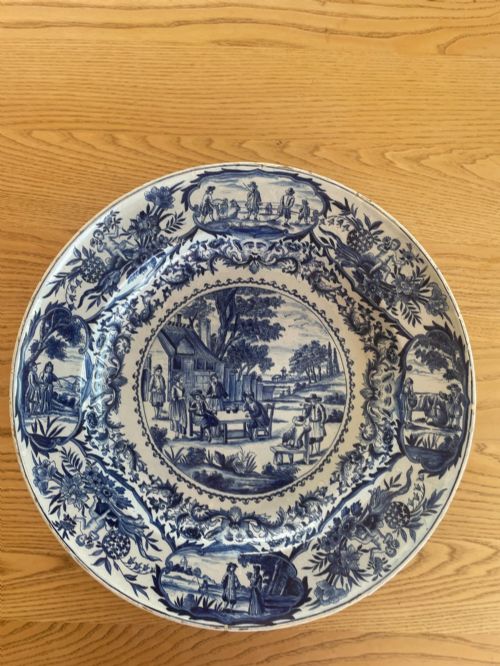
An 18th century ceramic charger serves as a wide decorative plate or shallow dish, originating from English, Dutch, French, Spanish, and Asian kilns. Collectors find these pieces take the form of large chargers, platters, and broad plates designed for display or formal service.
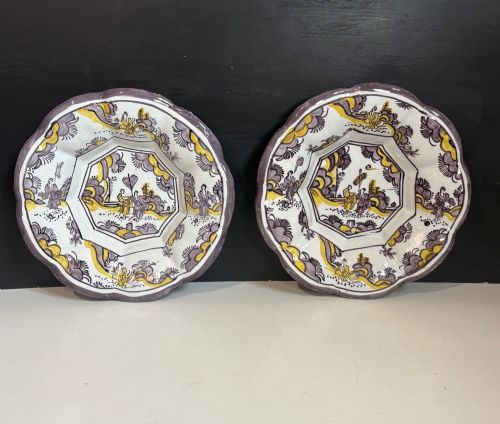
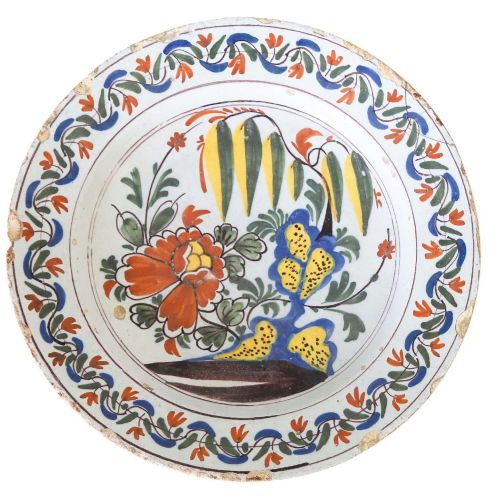
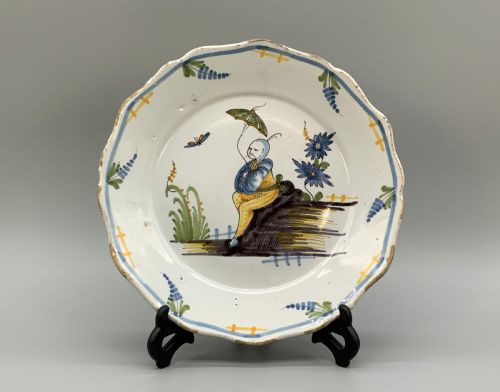
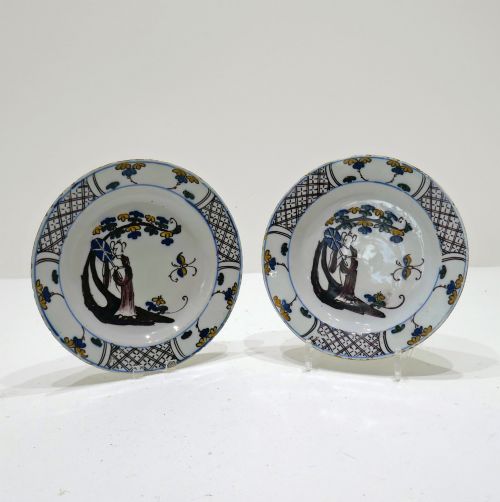
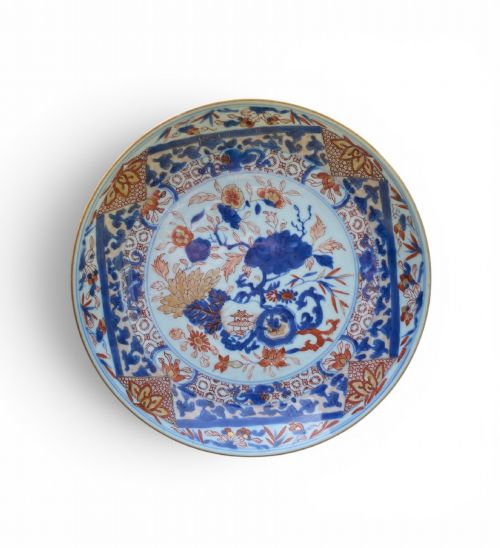
The version most commonly met on this page is the tin-glazed earthenware charger, particularly English and Dutch delftware featuring blue and white or polychrome hand-painted decoration. Alongside these, porcelain chargers from Chinese Export, Qing Dynasty, and Japanese Arita production appear frequently.
Dated examples span the seventeenth through the early nineteenth centuries, encompassing Dutch Baroque, Georgian, and Chinoiserie styles. Forms range from simple circular dishes to silver-shaped edges and specialised shapes like barber's bowls.
Materials and construction
Potters built these chargers using earthen clays or porcelain bodies, coated them with tin glazes or soft-paste formulas, and fired them in kilns. Cobalt pigment, cobalt oxide, and various enamel colours provided the palette for hand-painted motifs applied directly to the raw glaze.
Makers utilised techniques such as grand feu firing for manganese and polychrome pigments on delftware, while Asian workshops perfected underglaze blue and overglaze enamel painting on Arita and export porcelain bodies.
18th Century Ceramic Charger Retail Price Guide 2026
Typical asking prices for 18th century ceramic charger among the pieces listed under this phrase on Sellingantiques today, from the lower quarter to the upper quarter. They describe what is for sale here now, not the wider market.
Listings feature earthenware, tin-glazed earthenware, porcelain, and pearlware across the 18th century, Georgian, and Qing Dynasty periods.
Judging the range
Quality separates through the crispness of the hand-painted brushwork and the stability of the glaze application. Pieces displaying confident floral or geometric designs demonstrate superior artistic control by the painter.
The depth of the tin glaze and the preservation of enamel colours distinguish better examples from those with heavy surface wear or glaze losses. Clean firing without excessive kiln distortion elevates a charger within its period.
Ambroise Michel·Caughley
The 18th Century Ceramic Charger Glossary
- Delftware
- Tin-glazed earthenware produced in England, the Netherlands, and other European centres. It typically displays opaque white glaze decorated with blue or polychrome pigments.
- Chinoiserie
- European artistic style reflecting Chinese motifs and motifs inspired by East Asian design. Painters applied these imaginative scenes to domestic ceramics during the Georgian period.
- Tin-Glazed Earthenware
- Pottery covered with a lead glaze made opaque by the addition of tin oxide. This surface provided a smooth white ground for painted decoration.
- Famille Rose
- Chinese porcelain decorated with an opaque pink enamel introduced during the Qing Dynasty. The palette includes soft pinks alongside other enamel colours.
- Saltglazed
- Stoneware fired by throwing common salt into the kiln during high temperatures. This process produces a pitted, orange-peel texture on the ceramic surface.
18th Century Ceramic Charger: Frequently Asked Questions
How were ceramic chargers used?
These large pieces functioned as ornamental dishes for display on sideboards and walls, or as serving platters for formal meals.
Their broad surfaces accommodated substantial food presentations or served as decorative focal points in wealthy interiors.
How do I hang a heavy charger safely?
Display requires specialised wall fixtures designed to grip the rim without putting pressure on the body.
Properly padded wire hangers distribute the weight evenly across the diameter of the earthenware or porcelain.
How do I tell English delft from Dutch delft?
English delftware often exhibits softer paste bodies and distinct regional palette choices from centres like Bristol or London.
Dutch production from Delft frequently utilises specific blue and white floral arrangements and grand feu technical finishes.
What is Chinese Imari?
Chinese Imari describes export porcelain made in China for Western markets, copying the distinctive Japanese Arita colour scheme.
Pieces combine underglaze blue with iron red and gilt highlights over a white porcelain body.