

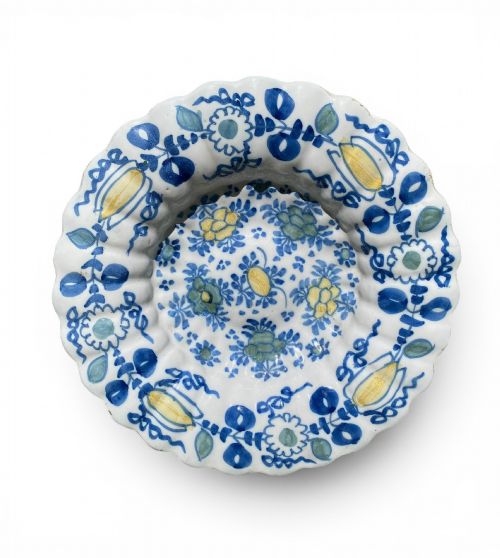
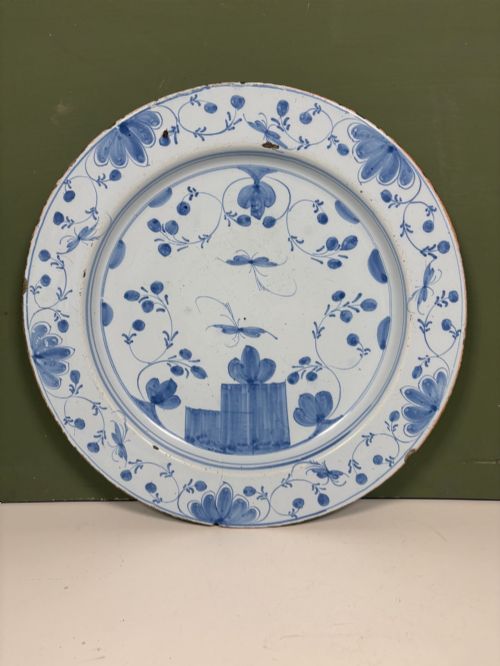


Dutch Delft Wall Plate
A dutch delft wall plate brings centuries of European earthenware tradition into a modern interior.
Dutch Delft Wall Plate
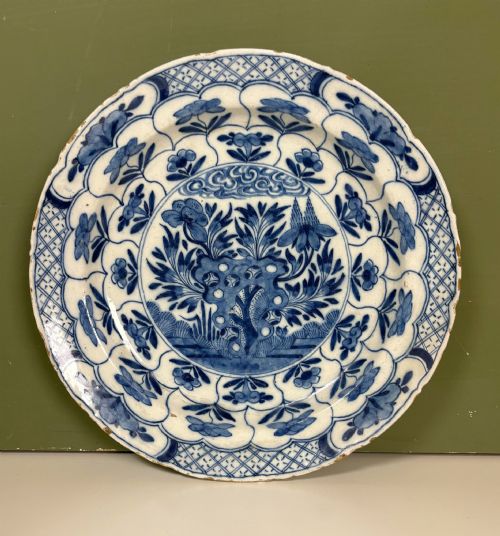
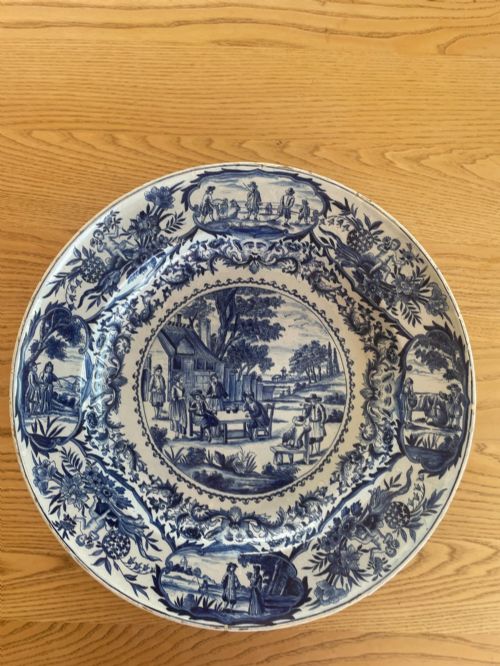
A dutch delft wall plate is a ceramic vessel created in the Netherlands during the seventeenth and eighteenth centuries, shaped primarily as chargers, shallow bowls, and decorative dishes. Buyers seek these items to display traditional hand-painted motifs on walls or furniture.
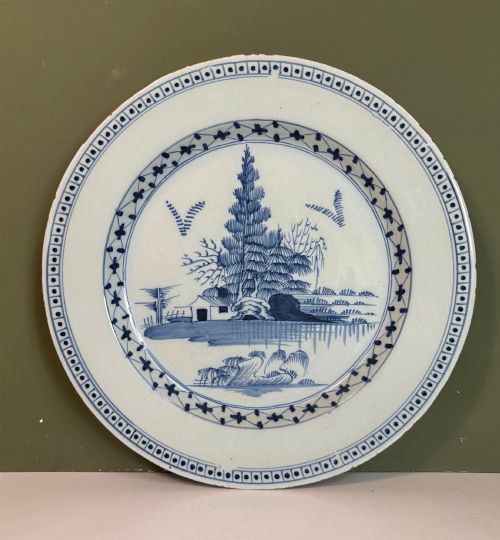
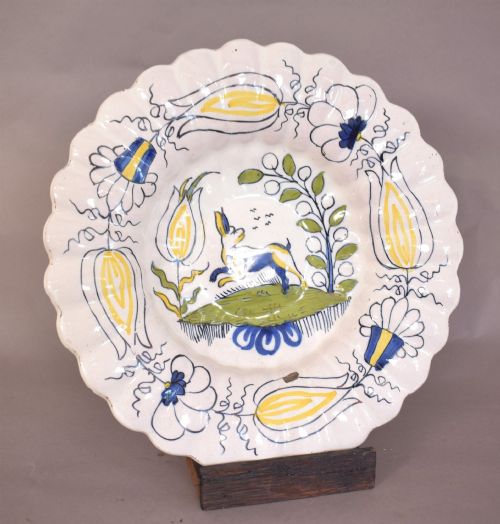
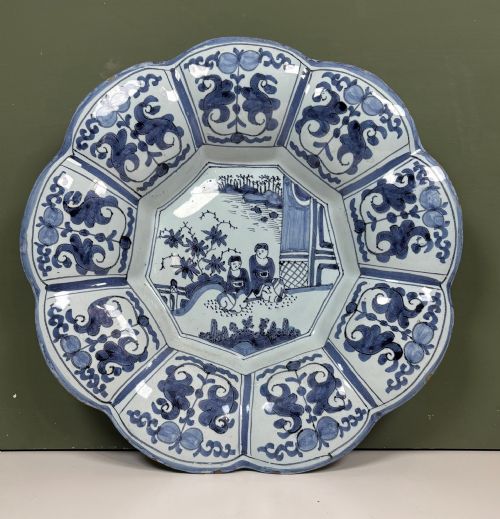
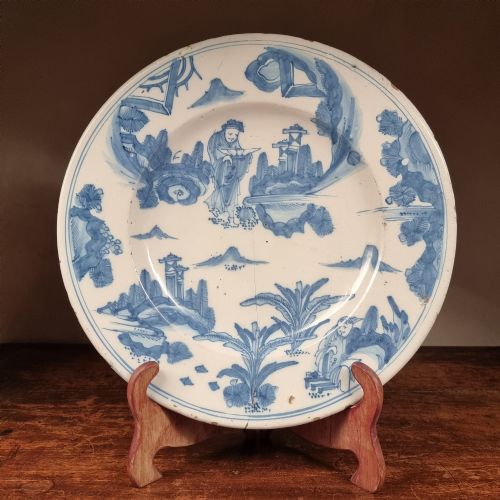
The pieces appearing on this page span several eras, with eighteenth-century examples forming the core of the selection alongside seventeenth-century and nineteenth-century variants. Forms range from large display chargers to smaller domestic plates and lobed dishes.
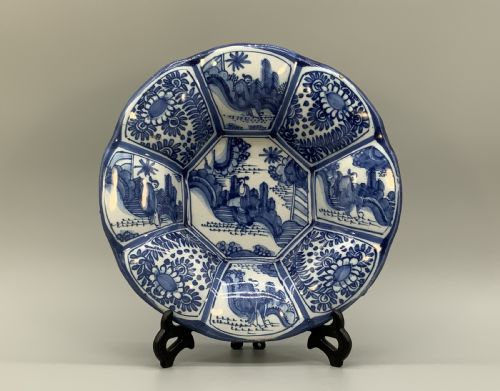
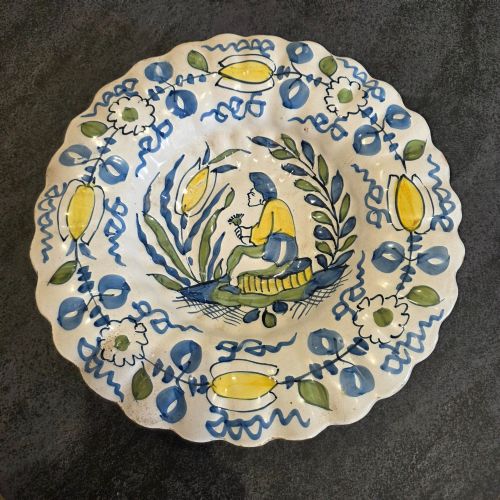
Makers drew on diverse aesthetic influences, producing both blue and white chinoiserie patterns and polychrome geometric floral designs. Kraak style pieces also appear, reflecting broader international trade patterns of the Dutch Golden Age.
How they were made
Potters shaped earthenware bodies and coated them in tin glaze to create an opaque white surface suitable for painting. Artisans then applied cobalt pigment or manganese oxide directly onto the unfired glaze.
Grand feu techniques allowed pigments to fuse with the tin glaze during high-temperature firing, producing durable colours. Painters executed intricate floral, geometric, and Chinese-inspired scenes by hand before the final glaze firing.
Dutch Delft Wall Plate Retail Price Guide 2026
Typical asking prices for dutch delft wall plate among the pieces listed under this phrase on Sellingantiques today, from the lower quarter to the upper quarter. They describe what is for sale here now, not the wider market.
Object forms on this page include shallow bowls, lobed dishes, and large decorative chargers inspired by Chinese export porcelain.
What varies in quality
The precision and fluidity of the hand-painted brushwork separate superior plates from simpler domestic wares. Master painters achieved greater depth and detail in floral and figural compositions.
The clarity of the tin glaze and the brightness of the cobalt pigment or polychrome enamel determine the visual impact of each charger. Larger chargers with complex kraak or grand feu designs represent the upper echelon of the craft.
The Dutch Delft Wall Plate Glossary
- Charger
- A large decorative plate intended primarily for display on a wall or dresser rather than for table service. These substantial vessels often measure over thirty centimetres across.
- Tin-Glazed Earthenware
- Pottery covered with a lead glaze made opaque by the addition of tin oxide. This technique provides a smooth white background for painted decoration.
- Chinoiserie
- European interpretations of Chinese artistic styles and motifs, popular on Dutch earthenware. Painters adapted oriental landscapes and figures onto local forms.
- Polychrome
- Decoration employing multiple colours rather than a single pigment like cobalt blue. These palettes typically include iron red, green, and manganese.
- Kraak Style
- A design approach inspired by imported Chinese kraak porcelain, featuring partitioned panels of floral or symbolic motifs. These patterns appeared frequently on seventeenth-century dishes.
Dutch Delft Wall Plate: Frequently Asked Questions
How should I hang a heavy charger?
Large chargers require robust wall fixings and specialised spring-loaded plate hangers that distribute weight evenly across the rim. Ensure the wire or bracket secures the entire circumference firmly.
Position the piece away from direct sunlight and heavy foot traffic vibrations to protect the historic earthenware body over time.
What is the difference between delft and porcelain?
Delft uses a porous earthenware body covered in an opaque tin glaze, whereas true porcelain is a vitrified, non-porous ceramic fired at much higher temperatures.
Earthenware requires more careful handling due to its softer composition and susceptibility to edge chipping.
Can I use these plates for food?
Historic tin-glazed plates are intended for decorative display rather than daily dining or serving acidic foods. The historic glaze and soft ceramic body can absorb moisture and sustain surface damage.
Gentle dusting with a dry cloth is sufficient for ongoing maintenance.
How do I distinguish seventeenth and eighteenth century styles?
Seventeenth-century pieces frequently exhibit bold kraak paneling and deep cobalt tones influenced by Dutch Golden Age trade. Eighteenth-century examples often lean towards lighter floral arrangements and grand feu polychrome palettes.
Brushwork becomes more relaxed and varied in later domestic production runs.