


Blue and White Faience
Blue and white faience pieces are tin-glazed earthenware items decorated in cobalt pigment that bring historic ceramic artistry to any interior.
Blue and White Faience
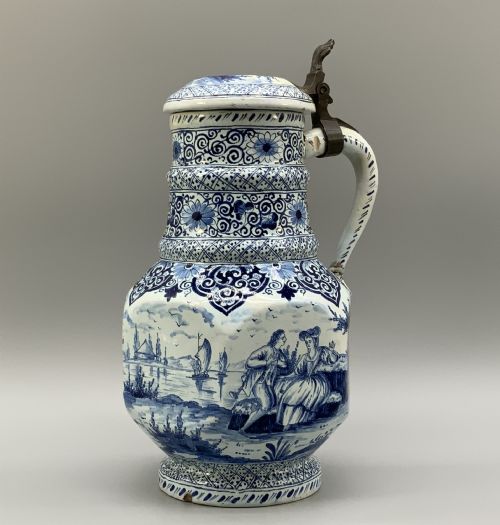
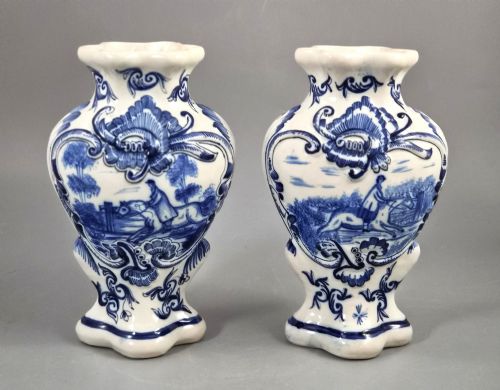
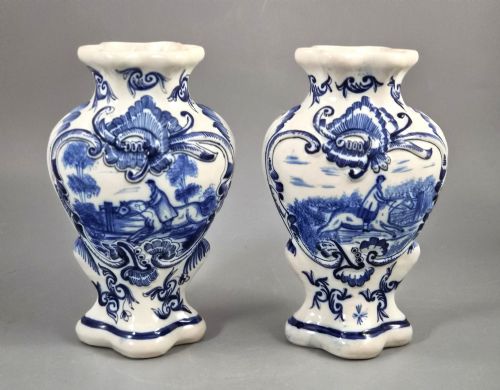
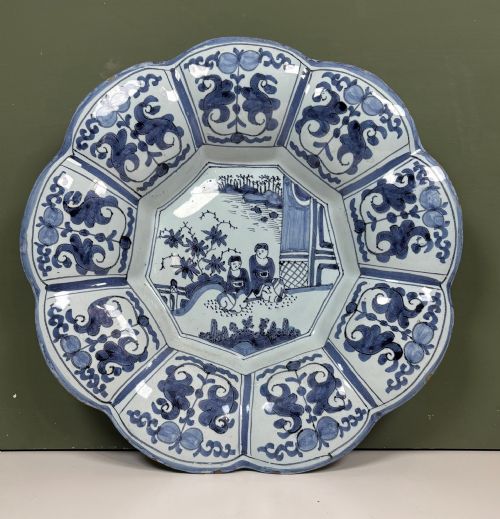
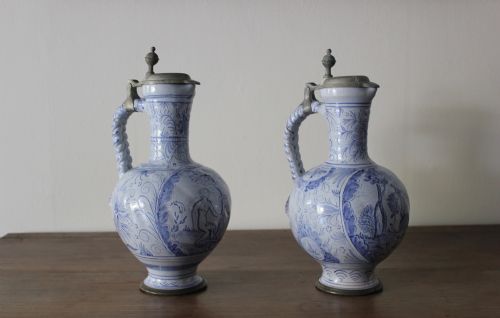
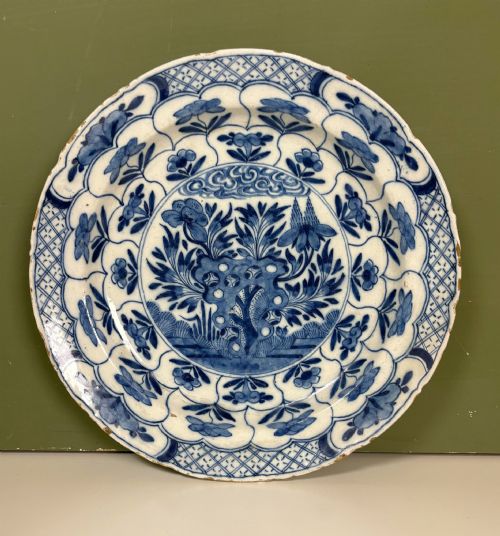
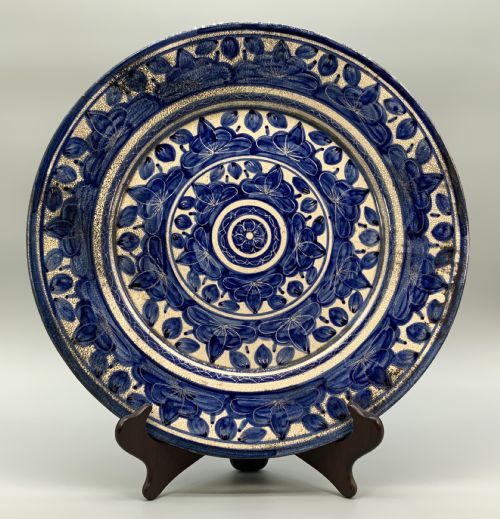
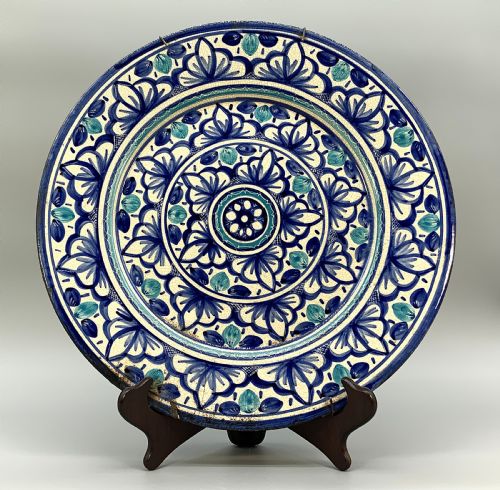
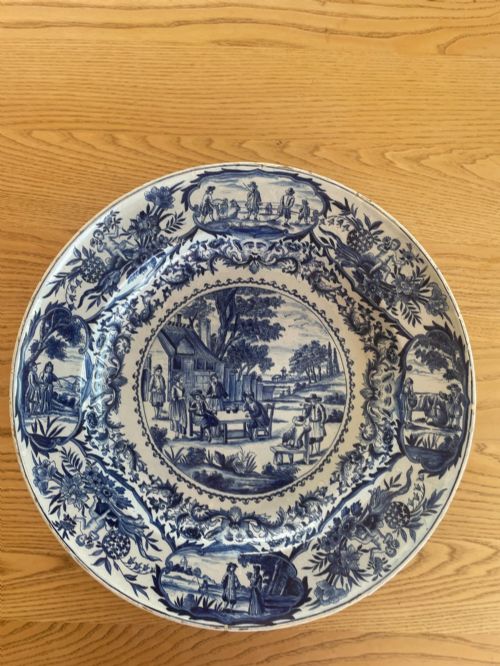
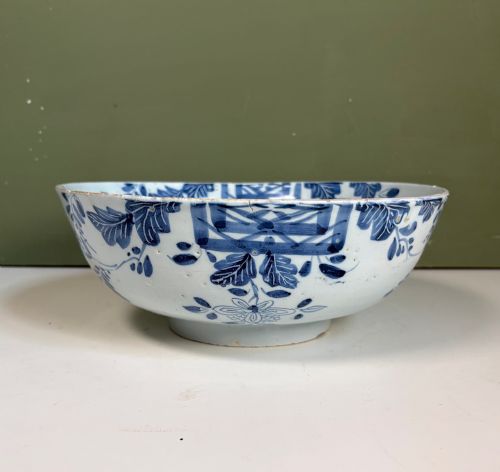
Dutch Delftware and French regional wares from centres like Desvres and Quimper dominate the visual landscape of this page. You will frequently find chargers, albarello pharmacy jars, and pairs of decorated vases displaying traditional floral motifs, Chinoiserie scenes, and heraldic patterns painted in cobalt pigment.
Earlier seventeenth-century examples sit alongside nineteenth-century revival styles such as Renaissance Revival and French Rococo Revival pieces. This range allows collectors to acquire utilitarian vessels like posset pots and sauceboats alongside purely decorative garden urns and wall plaques.
How they were made
Potters formed these items from earthenware clay, applying an opaque tin glaze that created a smooth white surface suitable for painting. Artisans then brushed cobalt pigment directly onto the unfired or partially fired glaze, absorbing the mineral pigment into the tin layer before a final kiln firing.
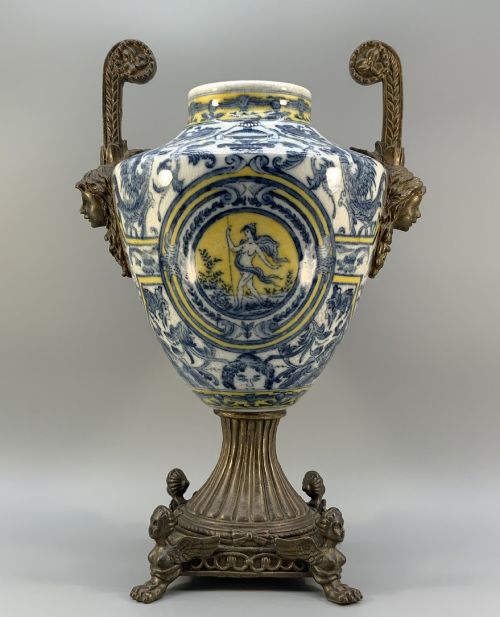
Certain pieces received additional mounting work, combining the ceramic body with bronze mounts or pewter lids on jugs and pitchers. The interaction between the absorbent tin glaze and the cobalt pigment produced the characteristic deep blue brushwork seen across Dutch and French output.
A pottery cow looks out from the nineteenth century, ready to bring a touch of pasture life indoors.
What varies in quality
The refinement of the cobalt painting distinguishes standard domestic output from exceptional studio pieces, where crisp brushwork defines intricate Chinoiserie birds, flowers, and figural plaques. Control over the kiln firing determines the purity of the white tin glaze and the depth of the blue pigment without unwanted running or discolouration.
The complexity of the object form also dictates its standing, moving from simple plates and dishes to heavily modelled apothecary jars, lidded urns, and matched pairs with bronze or pewter additions.
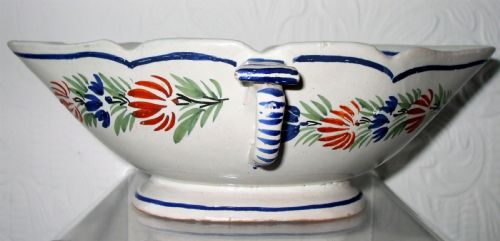
Fourmaintraux-Courquin·HB Quimper·HR Quimper
The Blue and White Faience Glossary
- Faience
- Tin-glazed earthenware originating in Europe, typically decorated with painted designs over an opaque white glaze. This term covers various regional traditions including French, Dutch, and Italian potteries.
- Tin-Glazed Earthenware
- Pottery covered with a lead glaze made opaque by the addition of tin oxide. This technique provides a white background for cobalt blue painting.
- Albarello
- A cylindrical pharmacy jar used to store drugs and ointments in apothecary shops. These vessels often feature flared waists for easy handling and tying with fabric covers.
- Charger
- A large decorative plate or dish intended for display on a sideboard or wall rather than for everyday dining. Chargers frequently display complex painted scenes or repeating borders.
- Posset Pot
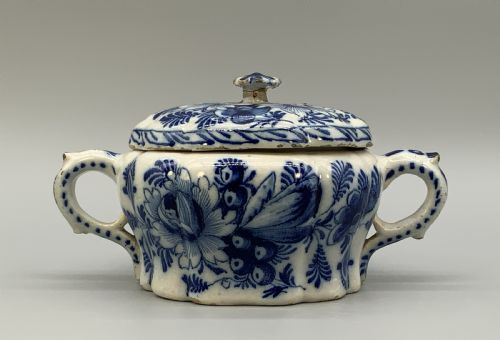
- A two-handled vessel used historically for serving a hot drink made of curdled milk mixed with wine or ale. They often include spouts and detailed floral decoration.
- Cobalt Pigment
- A metallic blue colourant applied to ceramics that withstands high kiln temperatures without losing its intense hue. It serves as the primary pigment for blue and white decoration.
Blue and White Faience: Frequently Asked Questions
What is blue and white faience?
Blue and white faience refers to ceramic objects made from earthenware and coated with an opaque tin glaze, then painted with cobalt pigment. These pieces developed across various European countries over several centuries.
The category includes functional items like apothecary jars and inkstands alongside decorative wall plaques, chargers, and vases.
How were pharmacy jars used?
Apothecary jars, known as albarelli, held dry drugs, syrups, and ointments in historic pharmacies and dispensaries. Their distinctive cylindrical shape with a slight waist allowed pharmacists to grip them easily on crowded shelves.
Many bear painted labels or decorative patterns that identified the specific contents or the apothecary shop they belonged to.
How do I display chargers?
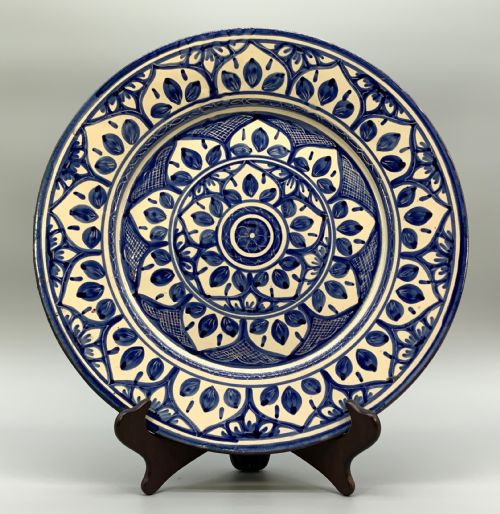
Chargers are large decorative dishes designed primarily for display rather than table service. Historic examples often feature hanging holes in the footrim or sit securely on specialised plate stands.
Placing them on walls or mantelpieces highlights the painted cobalt designs and contrasts with smaller cabinet pieces.
How do I tell periods apart?
Distinguishing periods relies on observing stylistic markers, glaze characteristics, and painting techniques. Seventeenth-century pieces often display close affinities with imported Chinese porcelain through Chinoiserie motifs.
Later nineteenth-century items frequently adopt revival styles, combining historical forms with the cleaner technical execution of industrial-era kilns.