


Hand Painted Dutch Earthenware
Hand painted dutch earthenware brings centuries of tin glazed ceramics into the home, offering collectors classic blue and white patterns and vibrant polychrome vessels.
Hand Painted Dutch Earthenware
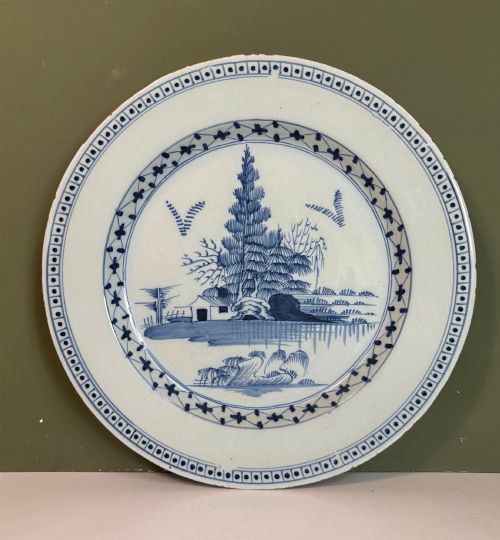
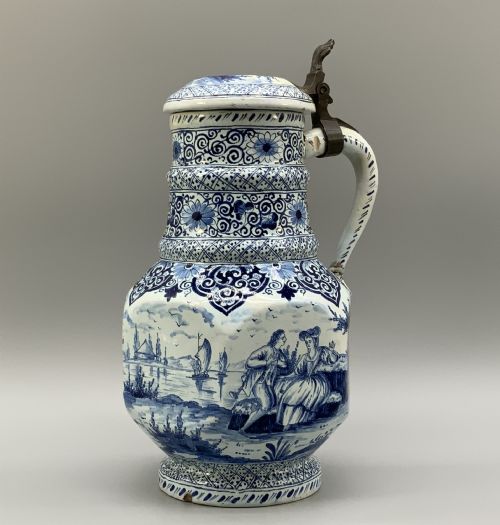
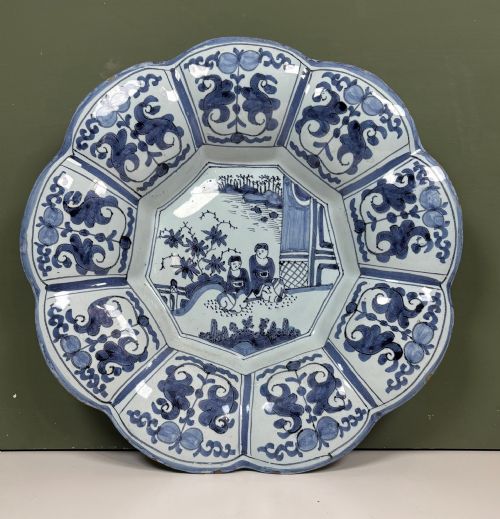
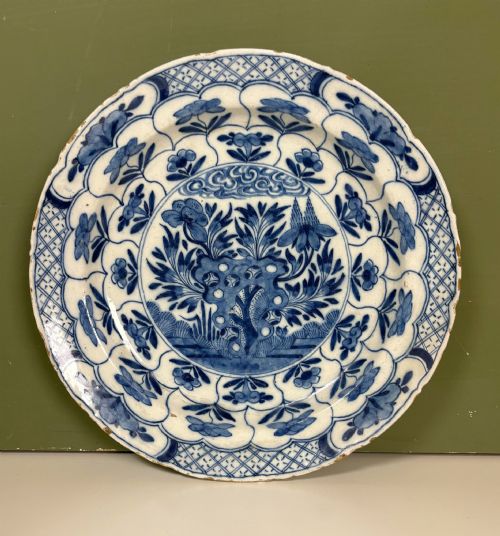
Hand painted dutch earthenware encompasses tin glazed ceramics produced across several centuries, primarily known as Delftware. When searching for this phrase, buyers encounter a diverse range of domestic and decorative objects spanning the seventeenth, eighteenth, and nineteenth centuries.
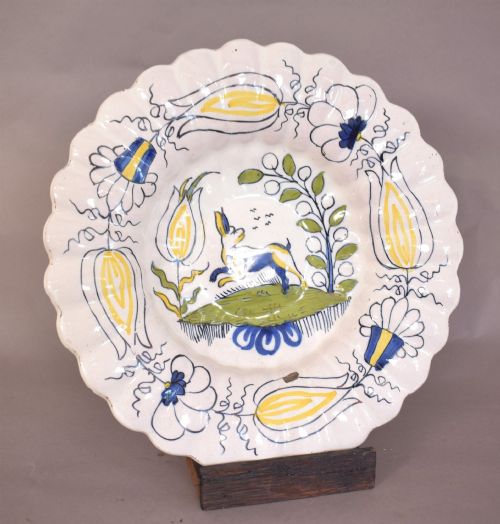
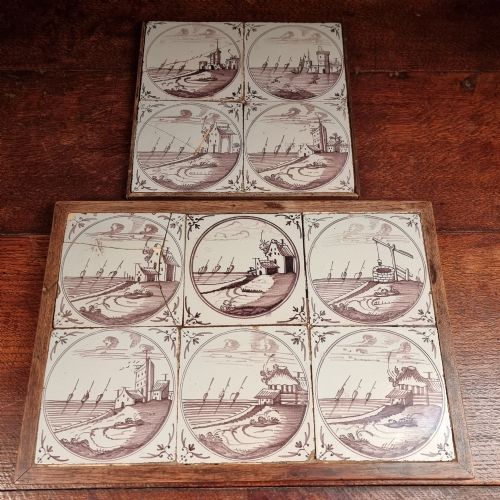
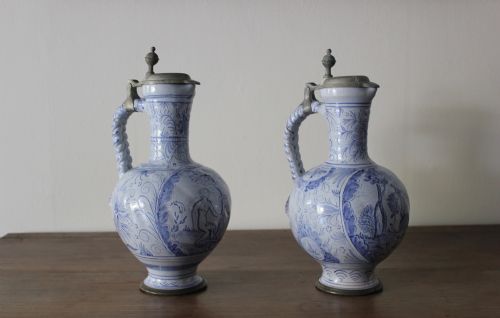
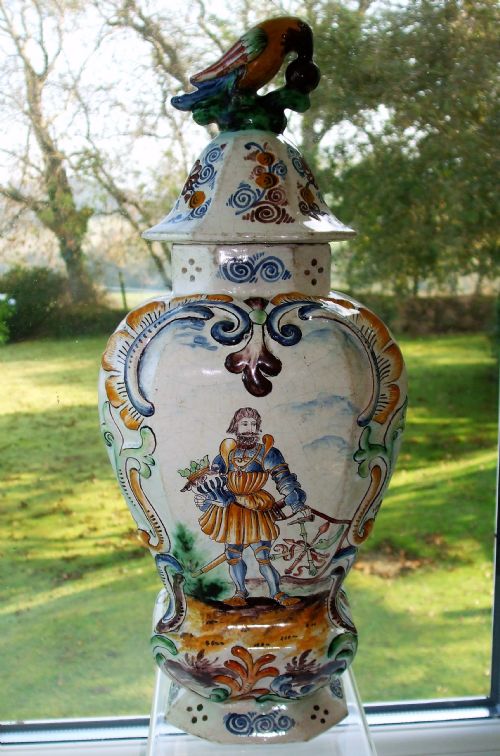
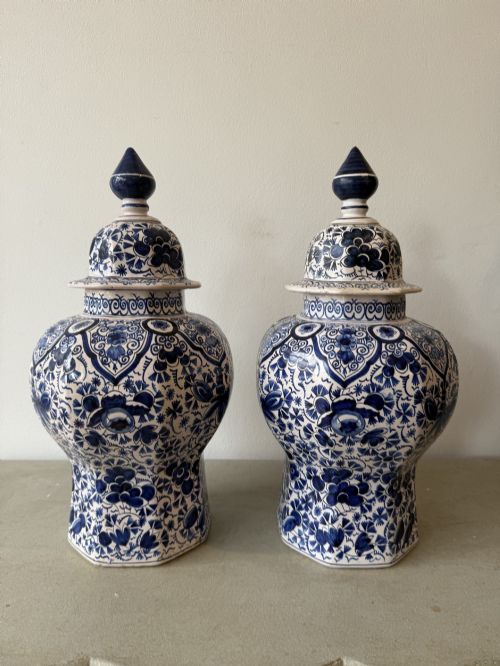
Origins trace back to Dutch workshops employing traditional techniques influenced by imported Asian porcelain and local European tastes. Pieces range from simple blue and white floral motifs to complex manganese scenes and polychrome geometric designs.
How they were made
Potters shaped earthenware bodies from local clay before coating them in an opaque white tin glaze that provided a smooth canvas for decoration. Artisans applied pigments directly onto this absorbent unfired glaze surface, requiring steady hands and swift brushwork.
Cobalt oxide and manganese served as the primary colouring agents, creating deep blue and rich purple brown tones under high temperature kiln firings. Many vessels received a clear lead overglaze known as a grand feu finish to enhance surface gloss and depth.
Listings feature tin-glazed earthenware spanning three centuries, incorporating cobalt pigment and manganese oxide across plates, vases, and tiles.
What varies in quality
Quality rests primarily in the crispness of the hand painting and the complexity of the design layout, distinguishing casual production from master works. Confident brushstrokes in the floral, animal, or figural motifs show the painter's skill.
The purity and evenness of the white tin glaze across large surfaces like charger plates and garden urns dictate visual appeal. Firing stability also plays a role, with superior pieces maintaining accurate geometric form and minimal kiln distortion.
The Hand Painted Dutch Earthenware Glossary
- Tin-Glazed Earthenware
- Pottery covered with a glaze containing tin oxide to produce an opaque white surface suitable for painted decoration. This technique forms the foundation of traditional Dutch Delftware production.
- Charger
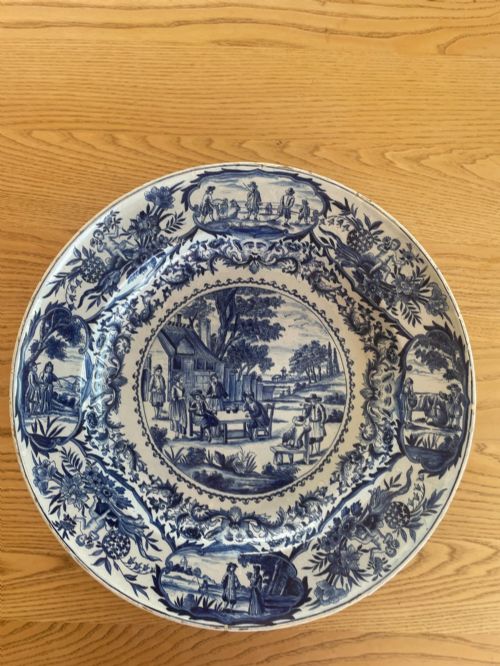
- A large decorative plate intended for display on walls or sideboards rather than dining use. These substantial dishes often display the most ambitious painted scenes in a collection.
- Polychrome
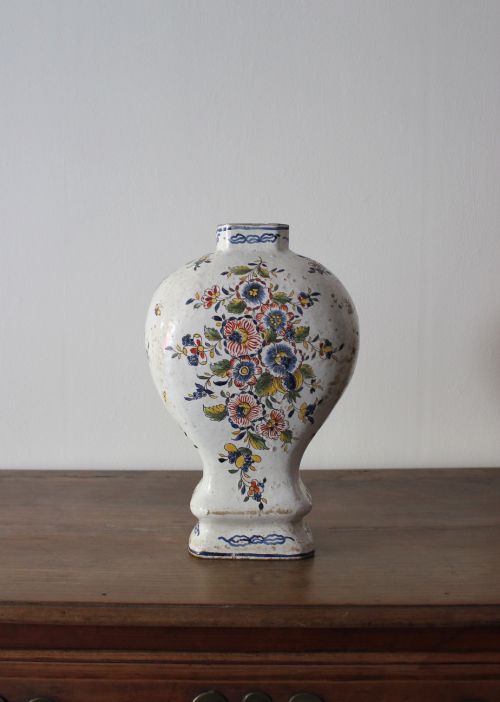
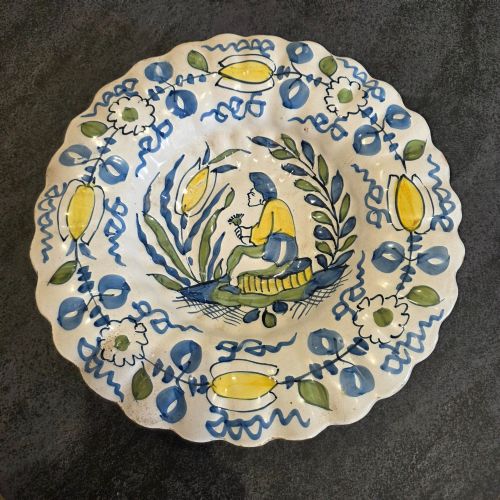
- Decoration employing multiple colours rather than a single pigment like cobalt blue. Dutch workshops utilised a palette of greens, yellows, reds, and manganese alongside blue.
- Manganese
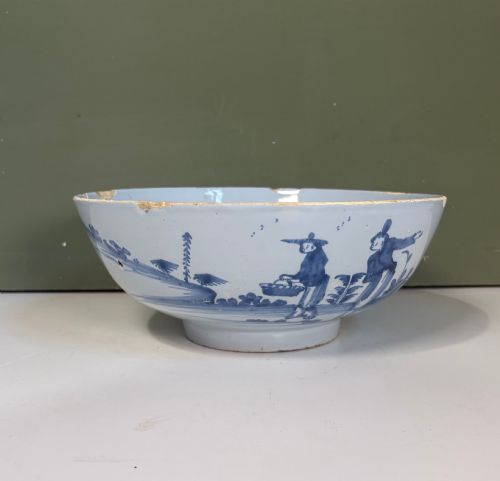
- A metallic oxide pigment producing deep purple, brown, or reddish tones on tin glazed ceramics. It frequently appears in monochrome British and Dutch domestic wares.
- Grand Feu
- A high temperature firing technique used to fuse pigments into the raw glaze. This method creates a durable surface where colours melt softly into the white background.
Hand Painted Dutch Earthenware: Frequently Asked Questions
How do I clean antique delft?
Dust these tin glazed surfaces gently with a soft dry cloth to prevent accumulation. Avoid liquid immersion or harsh chemical cleaners, as the historic earthenware body and glaze remain porous.
Display vessels away from direct sunlight and areas prone to sudden temperature shifts. Stable indoor conditions protect the fragile ceramic structure from expanding and contracting.
Were chargers used for dining?
Large charger plates served primarily as decorative table centrepieces or wall displays in wealthy historic households. Their generous diameters made them ideal canvases for elaborate painted narratives and armorial designs.
While technically earthenware dishes, their soft fabric made them susceptible to cutlery scratching. Owners preferred to showcase them on sideboards rather than risk daily wear at the dinner table.
What is a puzzle jug?
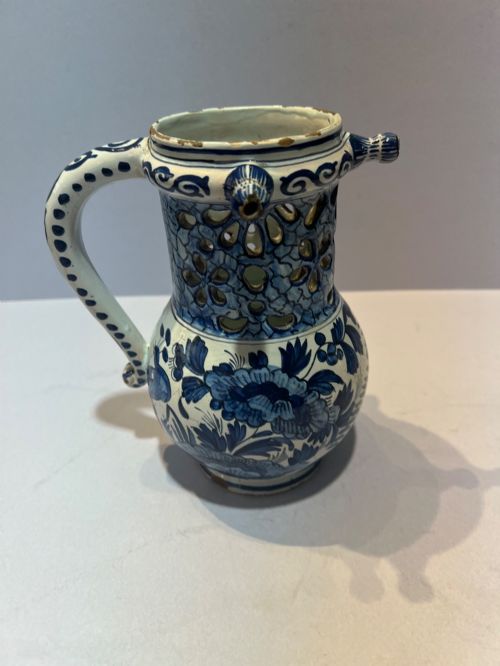
A puzzle jug is an interactive vessel featuring perforated necks and multiple spouts designed to trick drinkers. Guests had to discover the secret path of the hidden channels to drink without spilling.
These clever earthenware pieces were popular in taverns and social gatherings during the seventeenth and eighteenth centuries. They highlight the playful side of historic Dutch ceramic production alongside formal tableware.
How to date old delftware?
Dating relies on stylistic shifts, changes in palette, and the evolution of vessel forms across the seventeenth and nineteenth centuries. Early pieces often feature dense floral and bird motifs inspired by Chinese imports.
Later items introduce manganese tones, geometric borders, and neoclassical influences as tastes evolved. Examining the thickness of the earthenware body and the composition of the glaze provides further clues.