


Hand Painted Ceramic Tiles
Hand painted ceramic tiles are decorative pieces of earthenware carrying cobalt pigment or pigment, appearing in periods from the 17th century through the Victorian era.
Hand Painted Ceramic Tiles
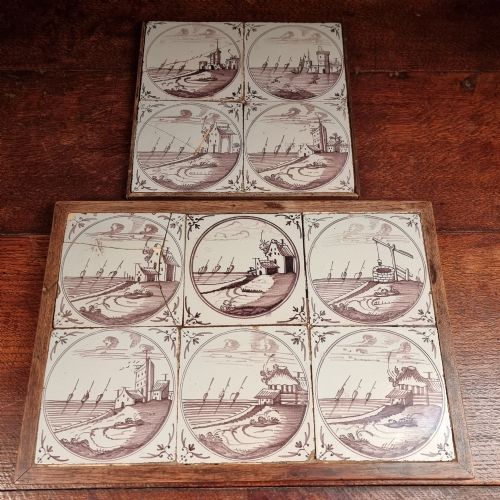
Hand painted ceramic tiles bring together centuries of domestic and architectural ornament, emerging across the 17th century, 18th century, and 19th century. When you search for hand painted ceramic tiles, you encounter forms ranging from individual wall art and decorative tiles to framed tile pictures and large wall plaques.
The versions most likely to be met on this page include Dutch Delft examples with cobalt pigment, alongside Victorian and Aesthetic Movement pieces. Makers such as William De Morgan represent the later Victorian output, while earlier centuries lean towards Dutch Baroque and Chinoiserie styles.
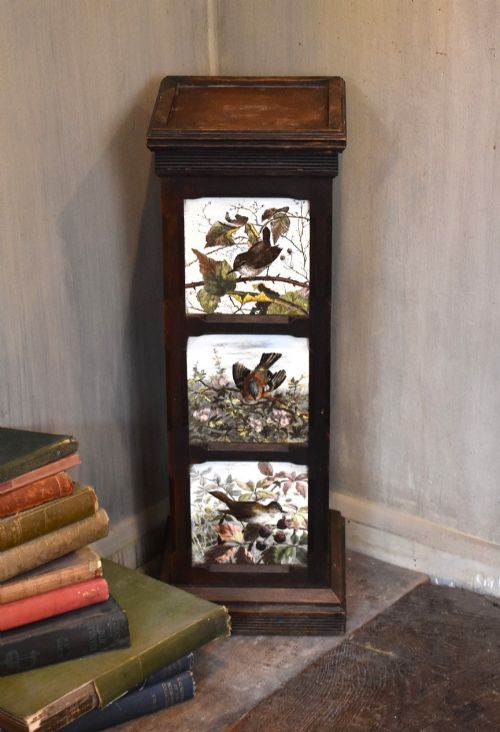
Object types span simple decorative tiles mounted in wood to substantial devotional plaques depicting subjects like the Madonna with Child or the Last Supper. Italian faience and Chinese porcelain plaques from the Republic period also appear within the wider selection.
How they were made
Makers utilised earthenware and tin-glazed earthenware as the primary base for these works. Artisans applied cobalt pigment or assorted pigments directly onto the ceramic surface before firing.
Many items incorporate wood frames or wooden pedestals to support the tiles and plaques. The combination of tin glaze and pigment defines the finish of the Dutch Delft and Italian faience pieces.
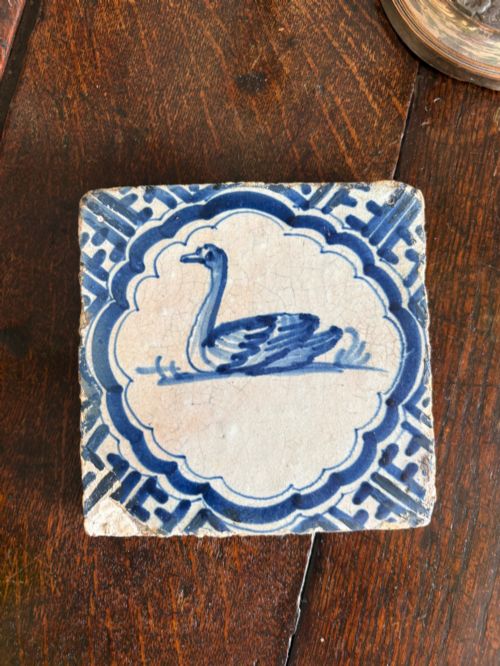
One 17th-century tile depicts a swan motif, proving that historic artisans enjoyed swimming in creative waters.
What varies in quality
The standard of painting on hand painted ceramic tiles depends upon the execution of the brushwork and the clarity of the pigment. Works featuring detailed motifs, such as swans or figurative scenes, display greater artist control.
The integrity of the tin glaze and the preservation of the earthenware body distinguish individual examples. Original framing and mounting in wood also influence the overall presentation of plaques and tile sets.
William de Morgan·Architectural Pottery Co·C. Ravier
The Hand Painted Ceramic Tiles Glossary
- Tin Glaze
- An opaque white glaze containing tin oxide, providing a smooth surface for painted decoration. It is characteristic of Delftware and faience.
- Cobalt Pigment
- A metallic blue colouring agent used extensively under the glaze for ceramic painting. It yields deep blue tones upon high-temperature firing.
- Earthenware
- Porous pottery fired at relatively low temperatures. This body material requires a glaze to hold liquids and provide a decorative ground.
- Polychrome
- Decoration employing multiple colours rather than a single pigment. It allows for complex pictorial scenes and varied floral motifs.
- Faience
- Tin-glazed earthenware produced in continental Europe, particularly in Italy and France. The technique supports bright pictorial painting on plaques and vessels.
Hand Painted Ceramic Tiles: Frequently Asked Questions
How do I hang a wall plaque?
Most antique wall plaques and framed tile pictures require secure fixings suited to their weight and wooden mounts. Ensure the hanging wire or brackets engage firmly with the wall structure.
Avoid positioning ceramic plaques in areas prone to dampness or direct, intense sunlight. Proper support preserves both the earthenware body and the wooden frames.
What is Dutch Delft?
Dutch Delft refers to tin-glazed earthenware made in the Netherlands, primarily during the 17th and 18th centuries. These pieces often feature cobalt pigment painted with floral, landscape, or figurative motifs.
They served both as functional wall tiles and decorative plaques within domestic interiors. The style ranges from simple blue and white designs to polychrome Chinoiserie scenes.
How do I clean ceramic tiles?
Dust these decorative items gently with a dry, soft cloth to remove surface particles. Avoid using liquid cleaners or abrasive materials that might damage the tin glaze.
Careful handling protects the painted pigment layers from wear. Consult a professional restorer if deeper cleaning is required.
Are these pieces waterproof?
Antique tin-glazed earthenware and ceramic wall art are designed for decorative display rather than modern wet-area installation. The porous earthenware body and historic glaze can be sensitive to moisture.
Keep them in dry interior environments to prevent crazing or flake damage to the surface. Displaying them in frames or on pedestals keeps them safe from accidental knocks.