
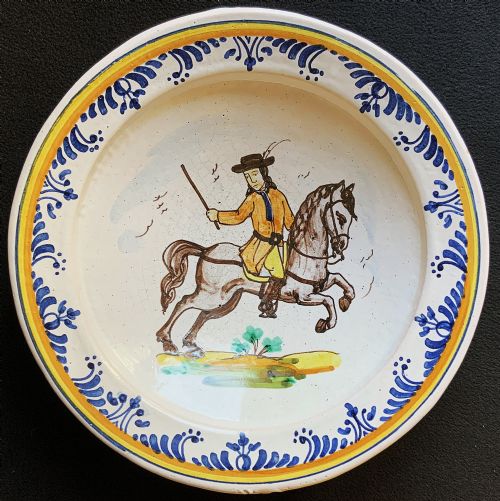


Blue White Delft Bowl
These blue white delft bowl examples are tin-glazed earthenware vessels that bring hand-painted cobalt decoration and centuries of ceramic history directly to your table.
Blue White Delft Bowl
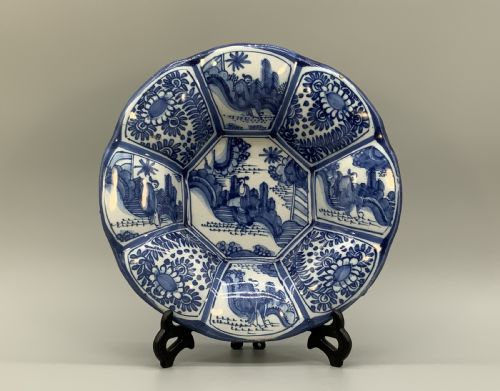
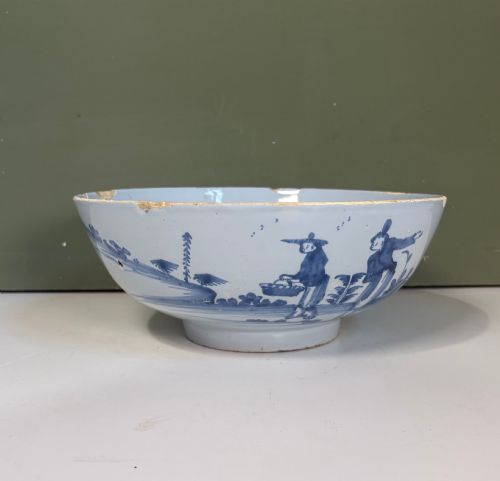
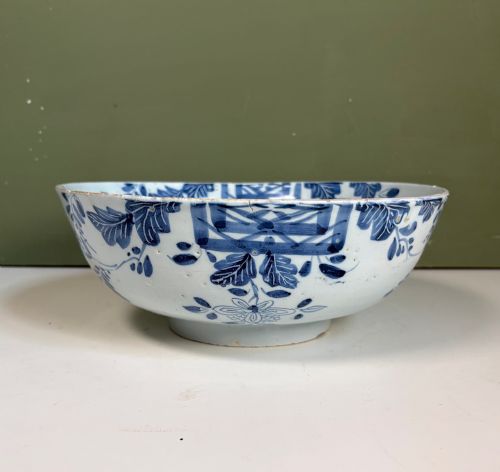
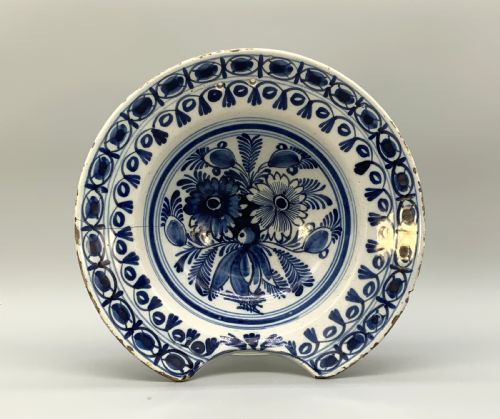
When you search for a blue white delft bowl, you encounter earthenware vessels spanning the eighteenth and nineteenth centuries. The listings show forms ranging from shallow bowls and punch bowls to barber's bowls and lobed dishes.
Most pieces you meet on this page originate from Dutch workshops, alongside examples from English potteries like Bristol and Lambeth, plus Spanish production. These items serve as decorative bowls and dishes displaying traditional tin-glazed surfaces.
The styles recorded across the archive and current listings include eighteenth-century Dutch Delftware, Dutch Baroque, seventeenth-century Kraak style, and eighteenth-century Spanish work. They represent a distinct tradition of European tin-glazed ceramic manufacturing.
How they were made
Makers formed these pieces from ceramic earthenware, applying an opaque tin glaze to create a smooth white surface for painting. Artisans then utilised cobalt oxide and cobalt pigment to hand-paint the blue decorative motifs directly onto the unfired glaze.
The combination of tin glaze and cobalt pigment produced the characteristic blue and white palette seen across eighteenth and nineteenth-century production. Potters shaped these vessels into bowls, dishes, and chargers before firing them in kilns.
Current listings and past archives feature eighteenth-century and nineteenth-century pieces made from tin-glazed earthenware, ceramic, and earthenware.
What varies in quality
The skill of the hand-painted cobalt decoration separates simpler items from finer examples in this category. Precision in the brushwork and the clarity of the blue pigment against the tin-glazed earthenware surface define the visual standard of each bowl.
Form and scale also differentiate the pieces, with large punch bowls and specialised forms like barber's bowls demonstrating greater potter's ambition. The execution of regional styles, from Dutch Baroque to Chinoiserie motifs, reflects the competence of the individual workshop.
Bristol potteries·Lambeth potteries
The Blue White Delft Bowl Glossary
- Tin-Glazed Earthenware
- Pottery covered with a white glaze containing tin oxide to provide an opaque surface for painted decoration. This technique forms the foundation of all delftware production.
- Cobalt Oxide
- The metallic colourant used to create the blue pigment on tin-glazed ceramics. Painters applied this mineral compound before the final kiln firing.
- Barber's Bowl
- A specialised basin featuring a semicircular cutout designed to fit against a customer's neck during shaving or bleeding. These vessels form a distinct subset of historical delft shapes.
- Chinoiserie
- European decorative motifs imitating Chinese artistic styles, frequently adapted on eighteenth-century delft dishes. This aesthetic appears on pieces referencing Kraak porcelain designs.
- Charger
- A large ornamental plate intended for display rather than daily dining. These substantial pieces often showcase complex hand-painted cobalt scenes.
Blue White Delft Bowl: Frequently Asked Questions
What is a delft bowl?
A delft bowl is a ceramic vessel made from earthenware and coated in an opaque tin glaze. These pieces feature hand-painted cobalt blue decoration.
They date primarily from the eighteenth and nineteenth centuries, originating from workshops in Holland, England, and Spain.
How were blue white delft bowls used?
Historical uses ranged from serving vessels like punch bowls to domestic tablewares and decorative display items. Barber's bowls served a specific grooming function with their distinctive curved cutouts.
Today, collectors primarily utilise these pieces for decorative display rather than active service.
How do I distinguish eighteenth-century pieces?
Eighteenth-century examples typically exhibit hand-painted tin-glazed earthenware construction with specific stylistic traits like Dutch Baroque or Chinoiserie motifs. The evidence shows distinct regional characteristics from Dutch, English, and Spanish kilns.
Archival pieces specifically note English production centres like Bristol and Lambeth around seventeen-fifty to seventeen-seventy.
How do I care for a delft bowl?
Protect these tin-glazed earthenware items by keeping them away from heavy impacts and moisture extremes. Hand washing with mild soap is necessary if cleaning is required, avoiding dishwashers entirely.
Display them securely on stable surfaces to preserve their historic glaze and cobalt decoration.