


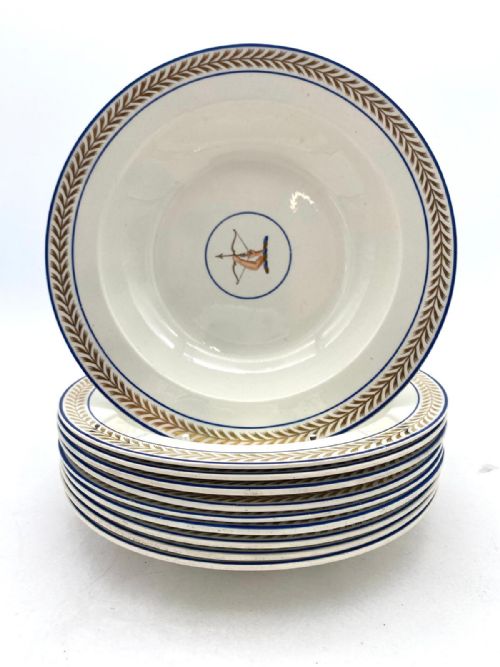
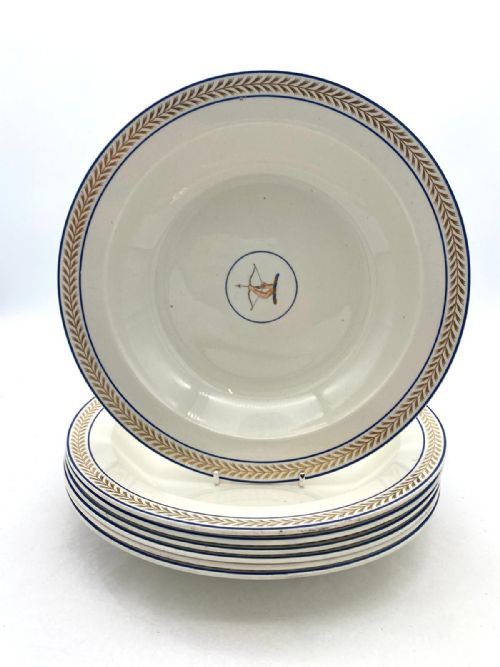
18th Century Ceramic Bowl
An 18th century ceramic bowl brings tangible history to a table, offering hand-painted detail and period character from English and overseas kilns.
18th Century Ceramic Bowl
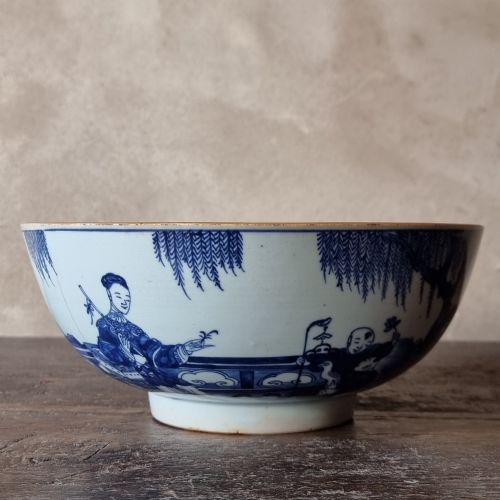
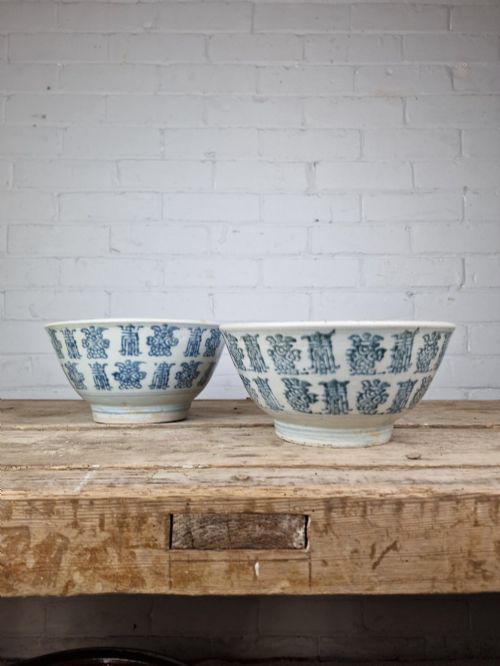
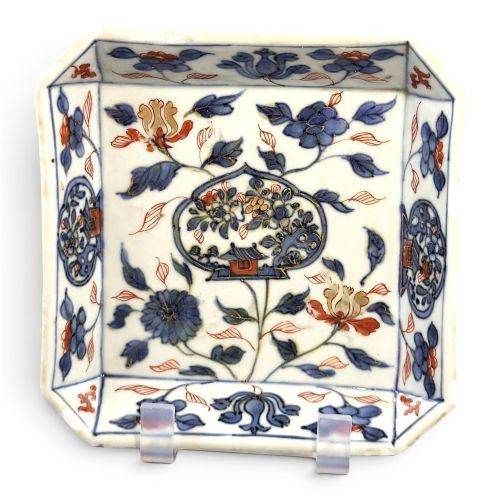
An 18th century ceramic bowl encompasses domestic vessels and decorative basins produced across European factories and Asian export potteries during the seventeen-hundreds. Buyers encounter punch bowls, slop bowls, tea bowls, and larger display pieces originating from English kilns like Worcester and Derby, alongside Chinese Kangxi and Japanese Arita examples.
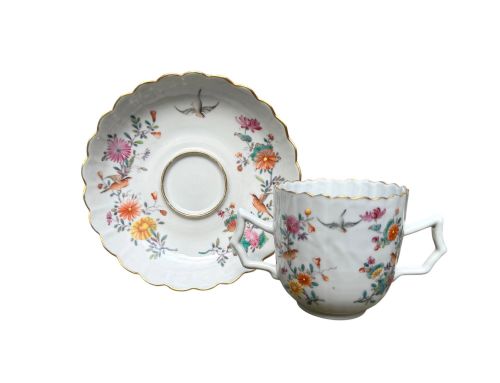
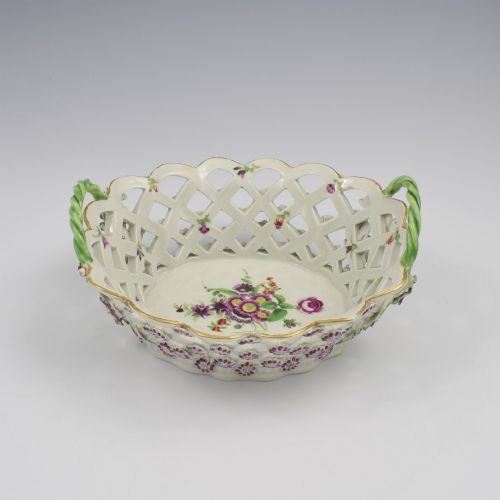
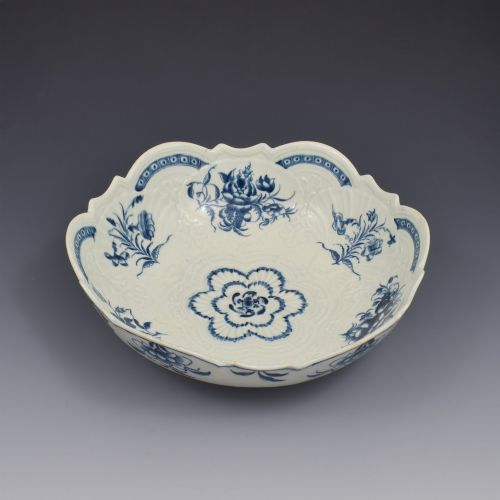
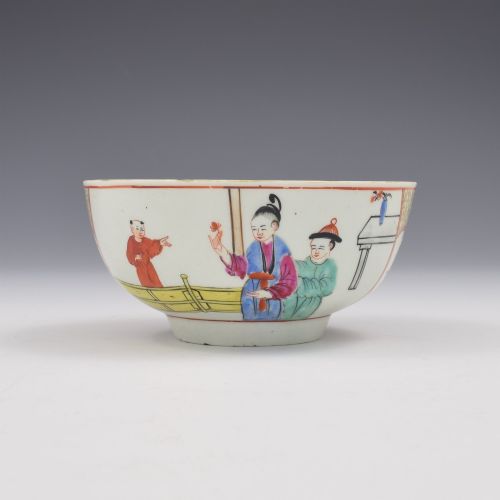
The form varies from deep earthenware and delftware basins with tin-glaze surfaces to delicate soft-paste porcelain tea wares decorated with hand-painted blue and white or polychrome motifs. Many surviving items reflect trade routes, combining Chinese or Japanese forms with European decorative finishes.
Materials and methods of production
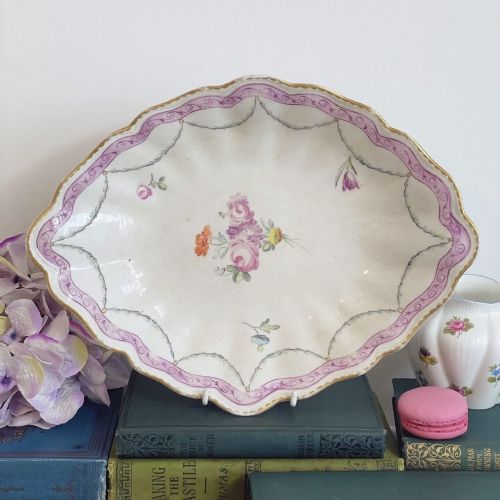
Potters shaped these vessels using clay bodies such as soft-paste porcelain, creamware, and earthenware, often applying tin-glaze or transparent lead glazes before firing. Pigments including cobalt blue and polychrome enamels were applied by hand underneath or over the glaze.
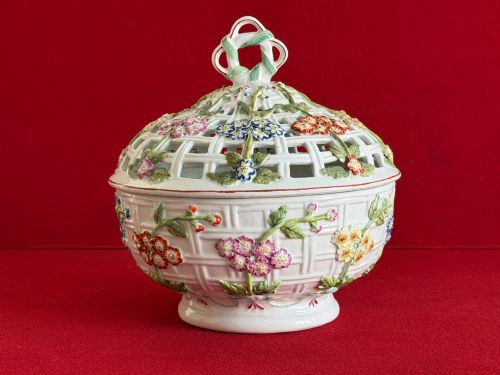
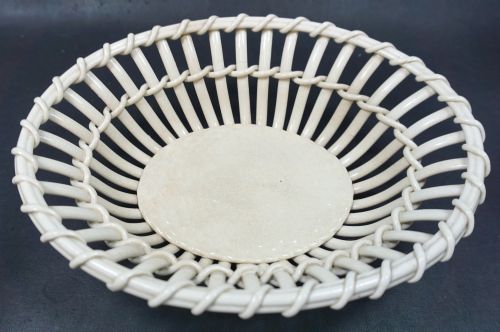
Many English and European factories utilised moulded construction for baskets and decorative dishes, whilst Asian export pieces relied on wheel-throwing and precise hand-painting during the Qing and Edo periods.
Listings feature porcelain, creamware, earthenware, and tin-glazed delft originating from English, Chinese, Japanese, and European kilns.
Distinctions in quality
Quality rests upon the precision of the hand-painting, the stability of the glaze, and the clarity of the ceramic body. Pieces produced by established factories like Worcester or during the Kangxi period display disciplined brushwork and careful kiln control.
The complexity of the form and the preservation of hand-painted polychrome enamel or gold leaf details further distinguish finer decorative vessels from standard domestic wares.
Derby Porcelain·Chelsea·Wedgwood·Chamberlain Worcester·Meissen
The 18th Century Ceramic Bowl Glossary
- Soft-paste porcelain
- A ceramic composition made from white-firing clay mixed with glass frit and other materials, fired at lower temperatures than hard-paste.
- Tin-glaze
- An opaque white glaze containing tin oxide, providing a smooth surface for painted decoration on delftware and faience.
- Imari
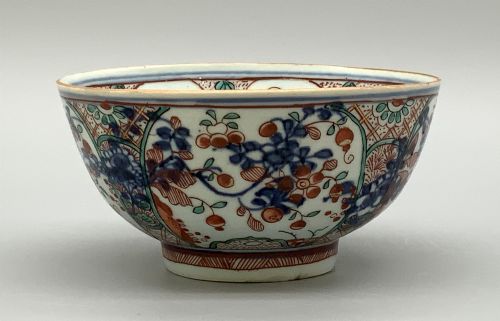
- A style of Japanese export porcelain featuring underglaze blue and overglaze iron red and gold, widely copied in Europe.
- Creamware
- A refined earthenware developed in England during the eighteenth century, characterised by its pale yellow tone.
- Slop bowl
- A matching vessel used during tea service to hold discarded tea leaves and dregs.
18th Century Ceramic Bowl: Frequently Asked Questions
How were eighteenth century bowls used?
These vessels served various domestic functions, from rinsing tea cups and holding punch at gatherings to displaying fruit on dining tables. Larger bowls acted as centrepieces or jardinières for interior decoration.
Smaller tea bowls formed part of matching tea sets used during formal social occasions in Georgian homes.
How do I care for an antique ceramic bowl?
Wash the piece gently by hand using warm water and mild soap, avoiding abrasive sponges or modern dishwashers that can damage old glazes and enamels.
Display the vessel away from direct sunlight and sudden temperature changes to protect the fragile ceramic body.
How can I distinguish English porcelain from Chinese export?
English pieces from factories like Worcester often utilise soft-paste porcelain bodies with specific blue marks or distinct potting techniques. Chinese export items typically feature harder porcelain bodies and characteristic Kangxi or Qing decorative styles.
Examining the foot ring and base glaze reveals differences in kiln furniture marks and clay preparation between the regions.
What is the difference between delftware and porcelain?
Delftware is a tin-glazed earthenware made with a porous buff or pinkish body covered in an opaque white glaze. Porcelain is a vitrified, denser ceramic that rings when struck and appears semi-translucent under strong light.
Porcelain pieces generally withstood higher firing temperatures than earthenware counterparts.