


Antique Blue White Bowl
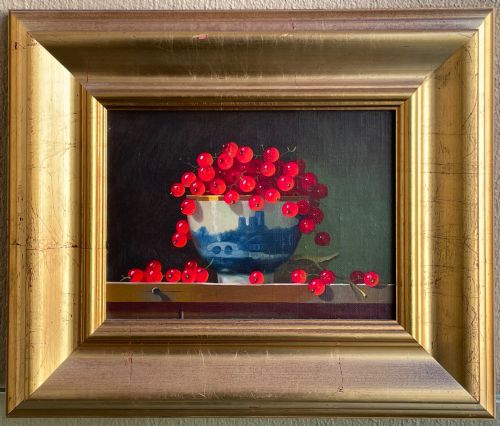
When you search for an antique blue white bowl, you enter a world of cobalt pigments and tin-glazed earthenware shaped across centuries.
Antique Blue White Bowl
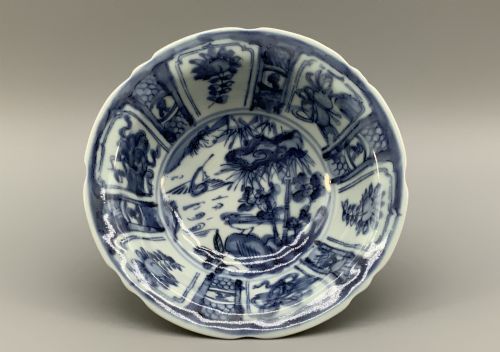
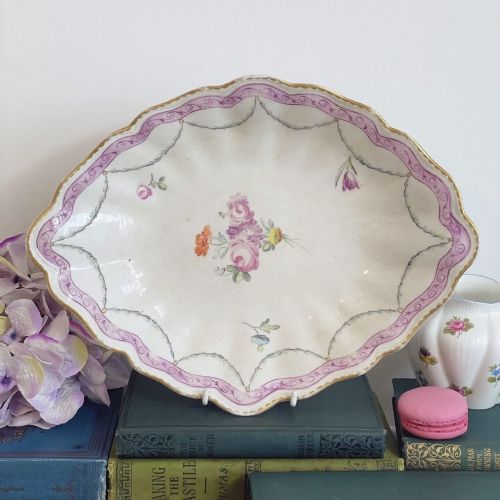
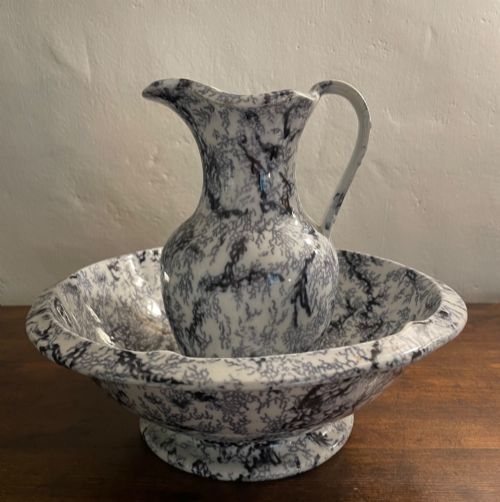
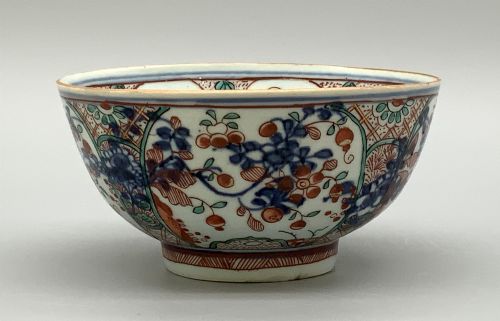
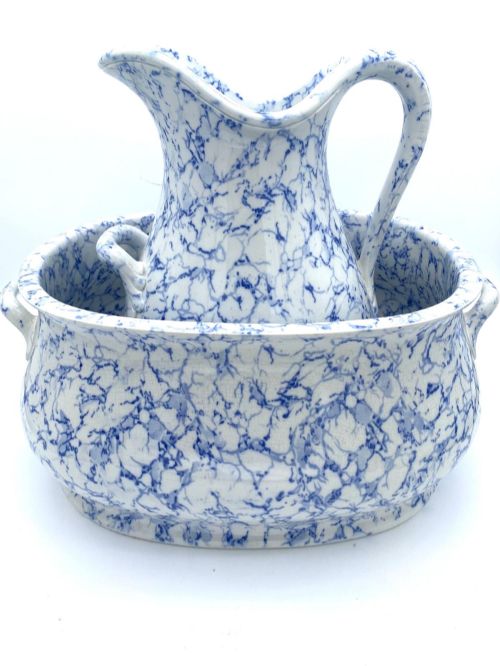
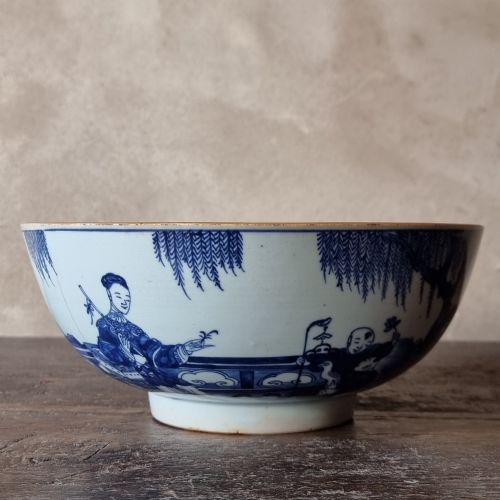
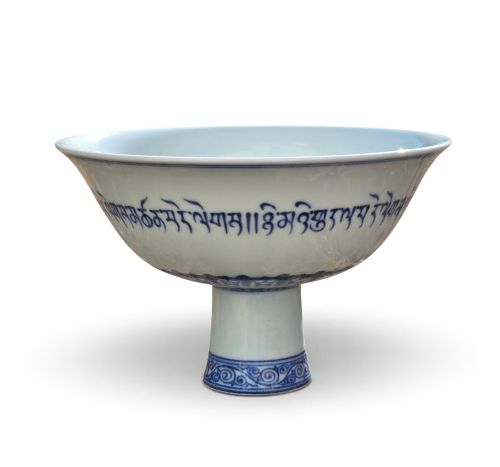
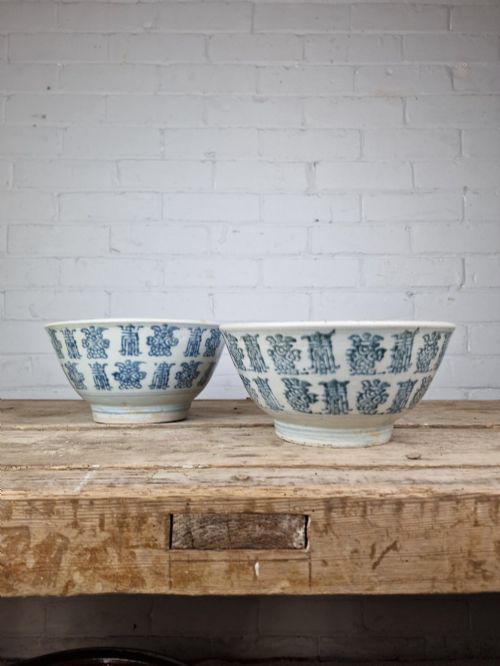
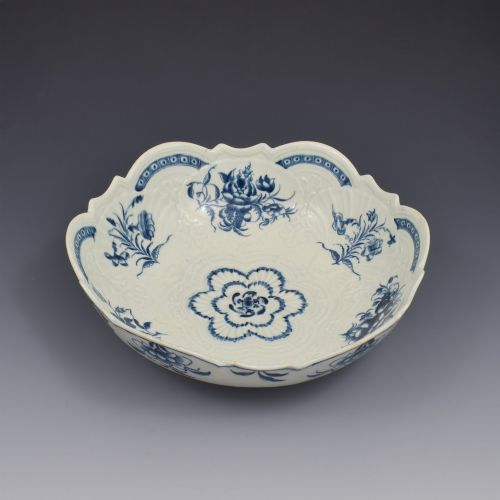
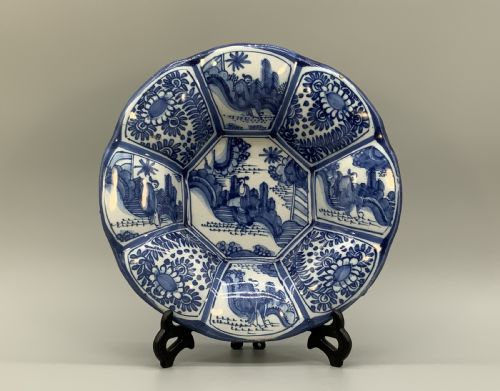
An antique blue white bowl encompasses a wide spectrum of ceramic forms, ranging from domestic earthenware vessels to delicate porcelain tablewares produced across Europe and Asia. The examples encountered on this page stretch from seventeenth-century provincial wares to nineteenth-century transfer-printed pottery.
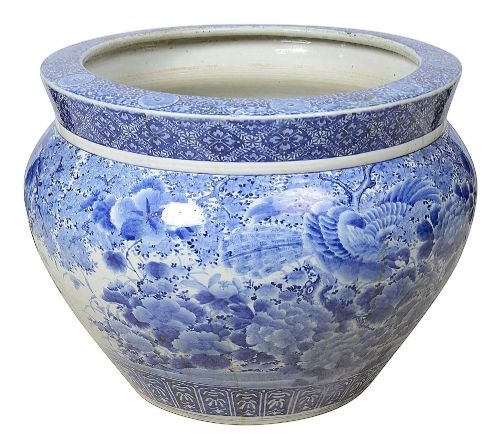
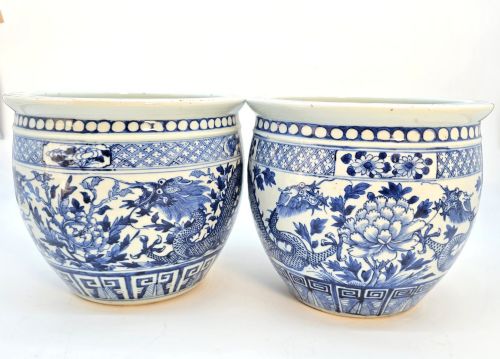
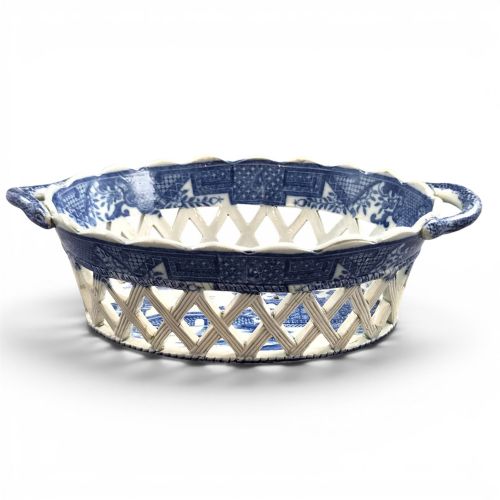
The selections span functional domestic forms like punch bowls, footed basins, and vegetable tureens alongside purely decorative jardinières and scalloped dishes. Chinese export porcelain and English earthenware dominate the domestic categories, reflecting global trade routes of the eighteenth and nineteenth centuries.
Buyers frequently encounter English transfer-printed pottery featuring pastoral scenes or Dutch Delft vessels utilising tin-glazes. These domestic vessels share shelf space with Japanese Imari pieces and Chinese Kangxi period porcelain.
Materials and technique
Potters relied on refined porcelain clays and coarse earthenware bodies, coating them in white tin-glazes or clear lead glazes before firing. Cobalt oxide provided the blue pigment, applied directly to the unglazed clay body or over an opaque white background.
Transfer printing revolutionised production during the Georgian period, allowing intricate landscape designs to be applied from copper plates onto pottery surfaces. Hand-painted decoration remained essential for fine porcelain, requiring steady brushwork with cobalt underglaze or polychrome enamels.
Antique Blue White Bowl Retail Price Guide 2026
Typical asking prices for blue white bowl among the pieces listed under this phrase on Sellingantiques today, from the lower quarter to the upper quarter. They describe what is for sale here now, not the wider market.
Early eighteenth-century barbers utilised specialised bleeding bowls with notched rims for surgical procedures.
Quality and execution
Quality rests in the crispness of the cobalt painting and the stability of the ceramic body during high-temperature firing. Superior pieces display vibrant blue tones that have not bled into the surrounding glaze, whereas inferior examples often show murky outlines or muddy backgrounds.
The sophistication of the potting dictates the tier of the object, distinguishing thin, resonant porcelain from heavy, utilitarian earthenware. Potters who managed kiln temperatures precisely achieved smooth, unblemished surfaces free from significant warping or firing cracks.
Dr Wall Worcester·J. & R. Clews·J. & R. Riley·John Rogers & Son·Doulton Burslem
The Antique Blue White Bowl Glossary
- Cobalt Underglaze
- A blue pigment applied to pottery before the final glaze application and high-temperature kiln firing. This technique protects the decoration beneath a glassy surface layer.
- Tin-Glazed Earthenware
- Pottery covered in an opaque white glaze containing tin oxide. This white surface provided a smooth ground for painted blue designs in European delftware and faience.
- Transfer Printing
- A mechanical decoration method using an engraved copper plate to transfer inked patterns onto paper and then onto ceramic surfaces. It enabled intricate pictorial scenes on nineteenth-century pottery.
- Kangxi Period
- The era of the Qing dynasty spanning from sixteen sixty-two to seventeen twenty-two. Porcelains from this time are noted for brilliant cobalt blue painting and fine potting.
- Jardiniere
- A large ornamental pot designed to hold live plants or floral displays. These ceramic vessels often feature heavy footed bases and elaborate blue and white landscapes.
Antique Blue White Bowl: Frequently Asked Questions
How do I care for my bowl?
Wash ceramic vessels gently by hand using warm water and mild soap, avoiding abrasive scrubbers that might scratch the historic glaze. Keep them away from sudden temperature shifts to protect the fragile ceramic body.
Display your pieces on stable surfaces away from direct, harsh sunlight to prevent any fading of the cobalt pigments over time.
How do I date a blue and white piece?
Examine the base for factory marks, maker stamps, or stylistic indicators such as transfer-printed landscape patterns typical of the nineteenth century. The weight of the ceramic and the tint of the white glaze also offer clues to the manufacturing decade.
Compare the painting style against documented pieces from specific periods like the Kangxi reign or the Georgian era to narrow down the origin.
What is the difference between porcelain and earthenware?
Porcelain is fired at much higher temperatures using refined materials, resulting in a dense, vitrified body that often appears translucent. It rings when struck gently and resists liquid absorption entirely.
Earthenware utilises coarser clay bodies fired at lower temperatures, requiring a tin-glaze or lead glaze to become waterproof. These pieces feel heavier and display a more opaque, robust structure.
Were these bowls used for food?
Many historic vessels served functional roles on dining tables as punch bowls, serving dishes, or vegetable tureens during formal meals. Domestic households relied on these durable ceramics for daily food preparation and service.
Other forms like jardinières and delicate tea bowls were intended specifically for decorative displays or specialised beverage service rather than hearty dining.