



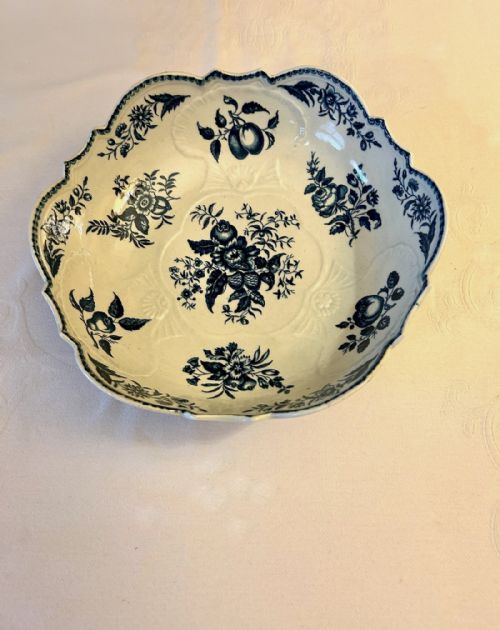
Blue White Ceramic Basin
A blue white ceramic basin brings centuries of skilled glazing and domestic utility directly into modern rooms.
Blue White Ceramic Basin
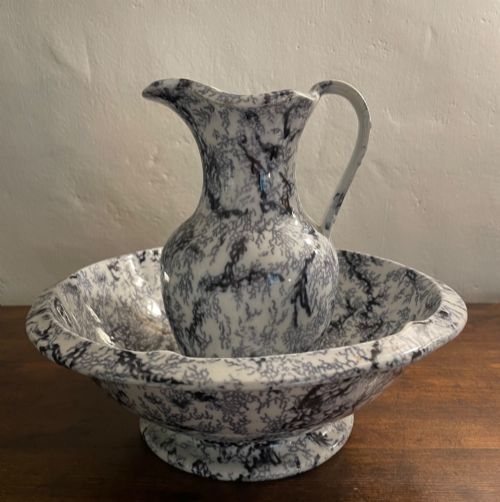
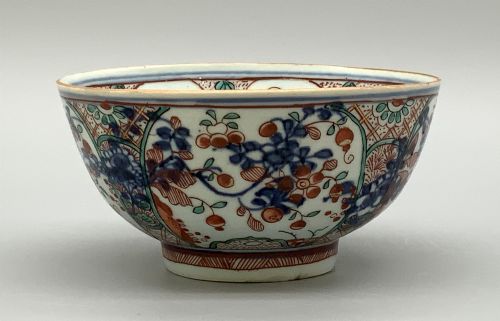
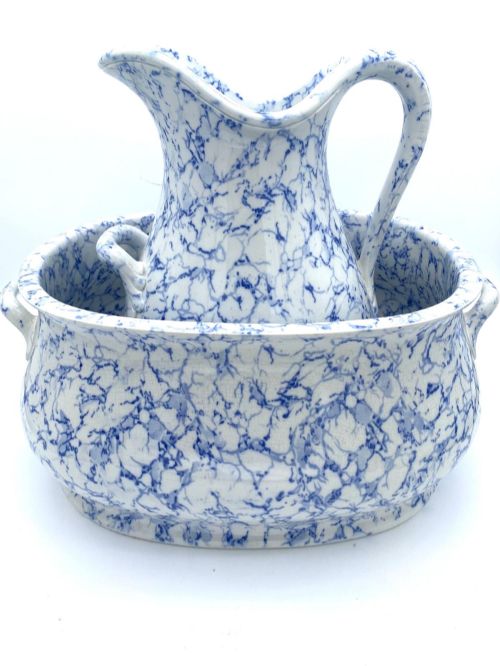
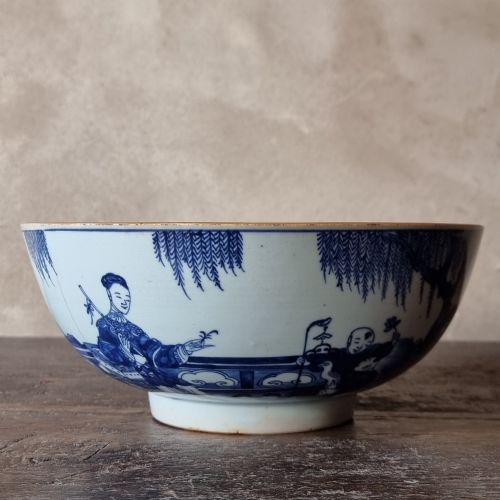
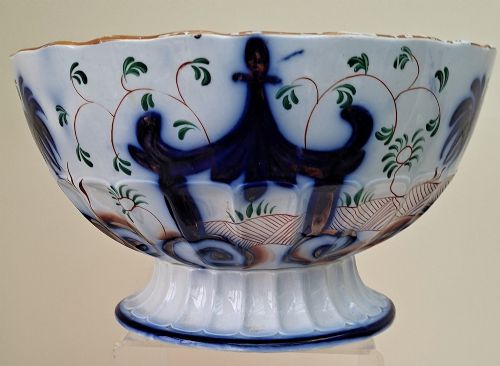
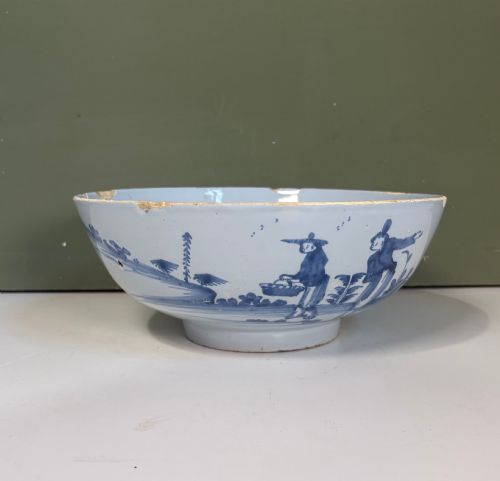
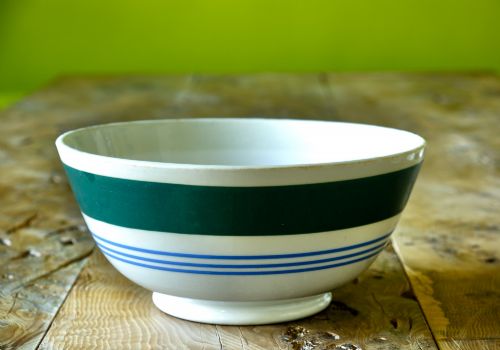
A blue white ceramic basin encompasses a wide variety of utilitarian and decorative vessels, ranging from large washstand sets and footbaths to punch bowls and garden planters. When searching for a blue white ceramic basin, buyers encounter domestic toilet sets from the Victorian and Edwardian eras alongside earlier English earthenware and Asian export porcelain.
The domestic washstand sets and footbaths originate largely from nineteenth-century English potteries, while the bowls and jardinières span Chinese dynasties and Japanese periods. These pieces served practical daily washing and serving functions before transitioning into decorative interior focal points.
How they were made
Potters shaped porcelain and earthenware on the wheel or in moulds before applying cobalt glaze pigments directly to the ceramic body. Many English pieces utilise transfer-printing techniques to transfer complex blue patterns onto the surface prior to a final high-temperature firing.
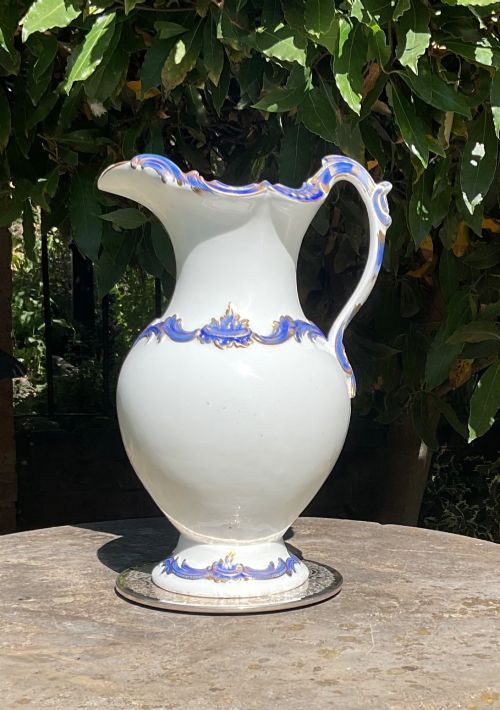
Some examples incorporate hand-painted details over the glaze, occasionally supplemented with enamel or gilt highlights. The cobalt blue reacts with the transparent glaze during firing to produce deep tonal variations across the ceramic body.
Royal Navy officers required dedicated mess bowls for communal dining aboard nineteenth-century ships.
What varies in quality
The distinction between standard utility wares and exceptional pieces rests upon the crispness of the cobalt transfer and the precision of the potter's initial forming. Early porcelain and fine ironstone display superior thinness and resonance, whereas heavier earthenware serves utilitarian functions with thicker walls.
Artisanal execution in hand-painted Japanese and Chinese vessels creates individual character through brushwork depth and glaze purity. The harmony between the ceramic form and the cobalt pattern dictates the visual success of the piece.
Minton·T G Green·Masons Ironstone·Ridgway·Doulton Burslem·Heathcote·Spode·Samson
The Blue White Ceramic Basin Glossary
- Cobalt Glaze
- A metallic oxide pigment that turns deep blue under high kiln temperatures. This mineral pigment forms the foundational colour for traditional blue and white ceramics.
- Transfer-Printing
- A mechanical technique for applying intricate designs to pottery using a copperplate impression and tissue paper. This method allowed Staffordshire potteries to produce consistent patterned basins rapidly.
- Jardiniere
- A large ornamental pot or bowl designed to hold live plants or flowers. These vessels often match the basins in washstand sets.
- Ironstone
- A heavy, durable type of earthenware patented in the nineteenth century to imitate porcelain. It provides a robust body for large domestic basins and jugs.
- Footbath
- A deep, oblong vessel equipped with handles, used historically for washing feet. Their generous proportions make them striking decorative bowls today.
Blue White Ceramic Basin: Frequently Asked Questions
How were washstand basins used?
Washstand basins sat atop wooden furniture to hold water for morning ablutions before modern plumbing arrived in homes.
They paired with matching jugs to form functional bathroom suites in bedrooms.
Can I plant directly in a jardiniere?
Jardinieres often accommodate potted plants directly, though placing a smaller plastic pot inside protects the historic ceramic interior.
Drainage holes are frequently absent in antique planters, requiring careful watering.
What is the difference between porcelain and earthenware?
Porcelain is fired at much higher temperatures, resulting in a dense, vitrified body that rings when struck and transmits light.
Earthenware remains more porous and opaque, requiring an impermeable glaze to hold liquids securely.
How do I date a blue and white basin?
Stylistic markers, maker marks stamped into the ceramic base, and the specific transfer pattern help establish the manufacturing period.
English pieces often carry registry marks that reveal the exact year of design registration.