


Antique Dutch Ceramic Bowl
These antique dutch ceramic bowl pieces bring the bold cobalt brushwork of European delftware and Amsterdam decoration straight into a room.
Antique Dutch Ceramic Bowl
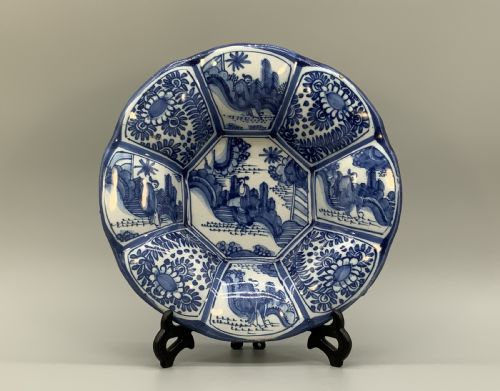
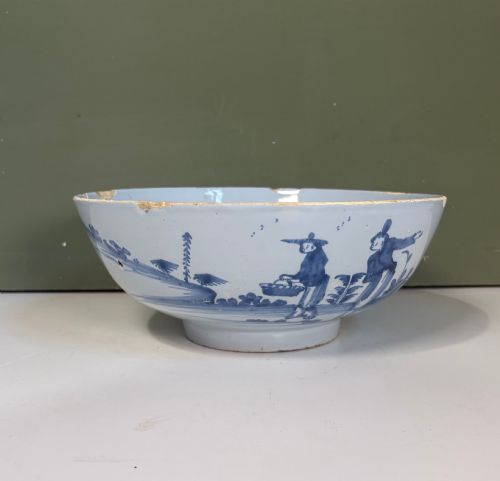
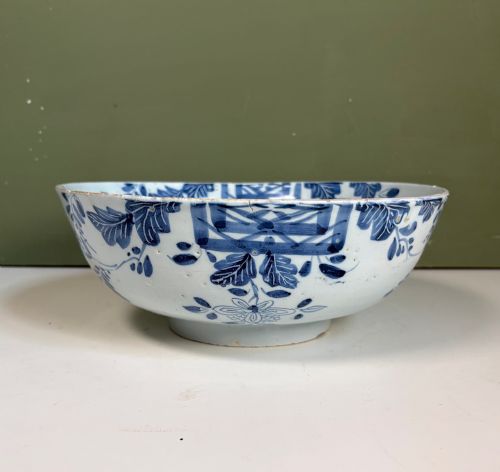
An antique dutch ceramic bowl brings centuries of European earthenware tradition into domestic spaces, ranging from deep vessels to shallow dishes. Buyers searching this phrase typically encounter blue and white delftware and decorated porcelain pieces originating from the eighteenth and nineteenth centuries.
How they were made
Potters shaped earthenware bodies and coated them in a white tin glaze that provided a smooth surface for hand-painted pigment. Cobalt oxide and enamel were then applied by hand before firing, producing the deep blue tones characteristic of these wares.
Porcelain items also appear, featuring specialised Amsterdam decoration applied over Chinese export wares during the eighteenth century. Artisans relied on traditional kiln firings to set the pigments firmly into the glaze.
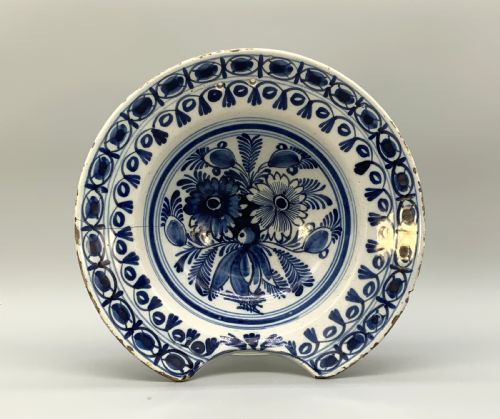
The inventory includes specialised forms like barber's bowls and lobed dishes alongside traditional bowls and shallow dishes.
What varies in quality
The clarity and detail of the hand-painted cobalt pigment set superior examples apart from standard production pieces. Crisp Chinoiserie motifs and well-defined floral or geometric borders demonstrate higher skill from the workshop.
The consistency of the tin glaze and the complexity of the vessel form, such as lobed rims or specialised barber's basin shapes, indicate the standing of the piece. Clean potting without excessive distortion during the firing process marks a better standard.
The Antique Dutch Ceramic Bowl Glossary
- Tin-Glazed Earthenware
- Pottery coated with a glaze containing tin oxide to produce an opaque white surface. This technique forms the foundation of traditional Dutch delftware.
- Cobalt Oxide
- A mineral pigment used to create deep blue colours under the glaze. It reacts intensely during firing to yield varied shades of blue.
- Chinoiserie
- European artistic interpretations of Chinese and East Asian decorative styles. This aesthetic heavily influenced eighteenth-century delft production.
- Barber's Bowl
- An oval or crescent-shaped dish with a notched rim designed for shaving use. In Dutch ceramics, these often double as decorative wall plates.
Antique Dutch Ceramic Bowl: Frequently Asked Questions
How are these bowls dated?
Dating relies upon stylistic markers, glaze characteristics, and historical forms associated with eighteenth and nineteenth-century production centres.
Changes in cobalt tones and tin-glaze opacity also help distinguish earlier pieces from later nineteenth-century items.
Can these bowls be used for food?
These historical ceramics are best treated as decorative display objects rather than functional tableware. The soft earthenware and aged glazes can be sensitive to modern culinary use.
Displaying them on stands or mounting them securely preserves their fragile surfaces for the future.
What is Amsterdam decoration?
Amsterdam decoration refers to Chinese porcelain wares that were shipped to Europe and subsequently hand-painted with additional enamels in Dutch workshops. This created a distinct hybrid aesthetic during the eighteenth century.
Collectors prize these dual-origin items for their unique cross-cultural artistry.
How do I care for delftware?
Keep these pieces away from direct sunlight, high humidity, and rapid temperature changes to protect the historic glaze. Dust them gently with a dry, soft cloth.
Avoid washing them in dishwashers or using chemical cleaning agents.