
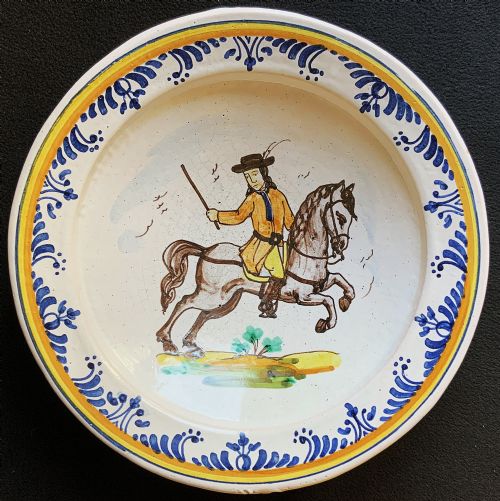


Tin Glaze Blue Bowl
Tin glaze blue bowl examples are tin-glazed earthenware vessels offering hand-painted cobalt pigment decoration for your home.
Tin Glaze Blue Bowl
A tin glaze blue bowl brings centuries of ceramic history into a room through hand-painted cobalt decoration on a tin-glazed earthenware body. When you search for a tin glaze blue bowl, you encounter domestic and decorative forms primarily originating from the eighteenth and nineteenth centuries.
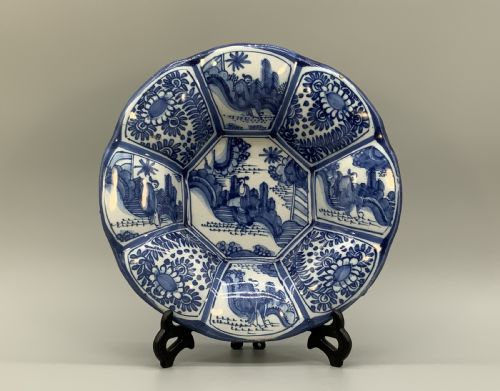
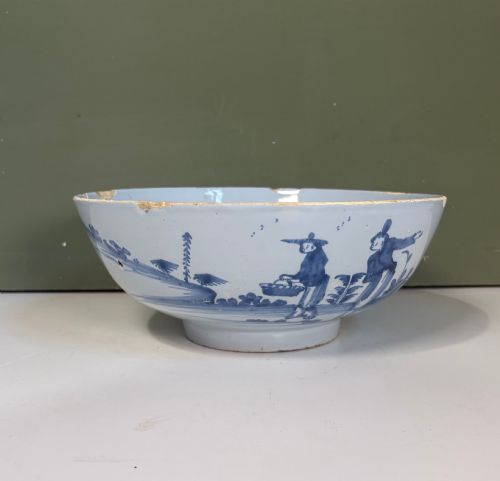
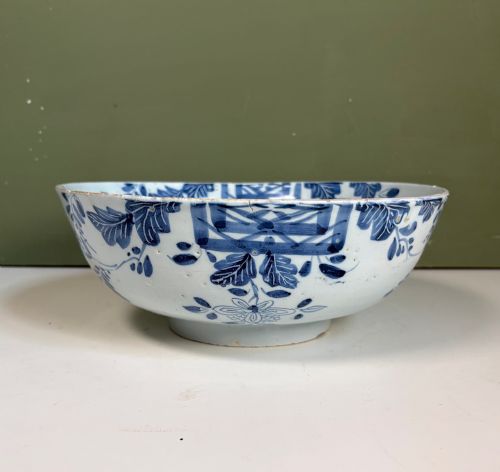
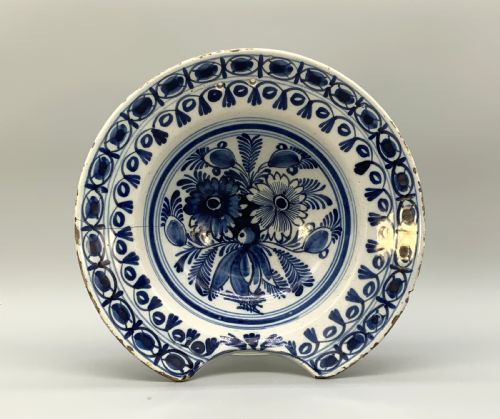
The selection on this page centres heavily on eighteenth-century Dutch Delftware alongside related Spanish and French examples. Forms range from shallow dishes and barber's bowls to large centrepieces and lobed vessels created in various European workshops.
Materials and construction
Potters shaped these vessels from earthenware clay before applying a tin-oxide glaze that created an opaque white surface. Artisans then painted directly onto this porous unfired glaze using cobalt oxide or cobalt pigment.
Firing in the kiln set both the white background and the blue pigment, resulting in the distinctive surface finish characteristic of European faience and Delftware production.
Styles represented across the available pieces include eighteenth-century Dutch, Dutch baroque, eighteenth-century Delftware, eighteenth-century Spanish, Renaissance revival, and French provincial.
Assessing quality and character
Quality in these ceramics rests upon the precision and fluidity of the hand-painted brushwork applied to the tin glaze. Pieces featuring well-executed cobalt decoration display greater artistic clarity than simpler or more hurried domestic ware.
The depth of the glaze and the complexity of the form, such as lobed rims or large charger dimensions, further distinguish the finer examples from standard production.
The Tin Glaze Blue Bowl Glossary
- Tin-Glazed Earthenware
- Pottery fired with a lead glaze made opaque by the addition of tin oxide. This surface provided a smooth white ground for painting.
- Cobalt Oxide
- A mineral pigment used to achieve the deep blue colour seen across European delft and faience. It reacts with the glaze during kiln firing.
- Delftware
- Tin-glazed earthenware produced in the Netherlands, particularly in Delft, known for emulating blue and white imported porcelain.
- Faience
- The French and general European term for tin-glazed earthenware. It encompasses decorative bowls, plates and dishes from various regional traditions.
- Barber's Bowl
- A specialised shallow bowl featuring a semi-circular cutout for the neck. These vessels were historically used during shaving or medical bleeding.
Tin Glaze Blue Bowl: Frequently Asked Questions
What is a tin glaze blue bowl?
A tin glaze blue bowl is an earthenware vessel coated in an opaque white tin glaze and decorated with cobalt blue pigment. These pieces date principally from the eighteenth and nineteenth centuries.
They encompass various regional European traditions, including Dutch Delftware and French faience, designed for both decorative display and domestic use.
How were these bowls used historically?
Many of these pieces served as decorative tablewares, centrepieces, or dishes for display in European homes. Specific forms like barber's bowls fulfilled functional roles in personal grooming.
Over time, collectors valued them primarily as decorative objects rather than working vessels due to the delicate nature of the tin glaze.
How do I distinguish eighteenth-century pieces?
Eighteenth-century examples typically display characteristics of Dutch Delftware or Spanish and French faience production methods. Examination of the earthenware body, glaze opacity, and hand-painted cobalt motifs helps indicate the period.
Potters of this era relied on manual throwing and hand-painting techniques distinct from later nineteenth-century industrial output.
How should I care for tin-glazed pottery?
Tin-glazed earthenware requires gentle handling because the ceramic body and glaze can chip or flake along the edges. Dusting with a soft dry cloth is usually sufficient for maintenance.
Display these bowls away from areas of high moisture or thermal shock to protect the historic glaze surface from deterioration.