


Chinoiserie Porcelain Vase
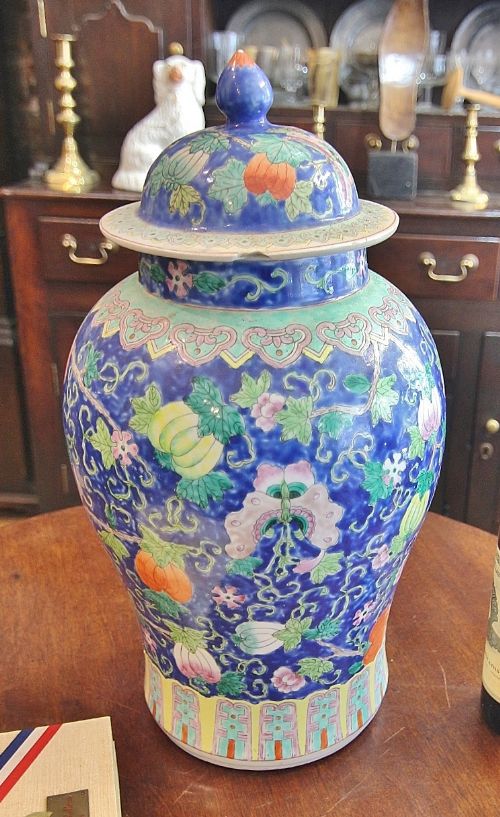
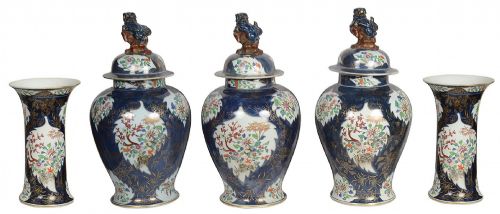
These chinoiserie porcelain vase pieces combine European fantasy with Asian motifs, offering collectors striking painted vessels.
Chinoiserie Porcelain Vase
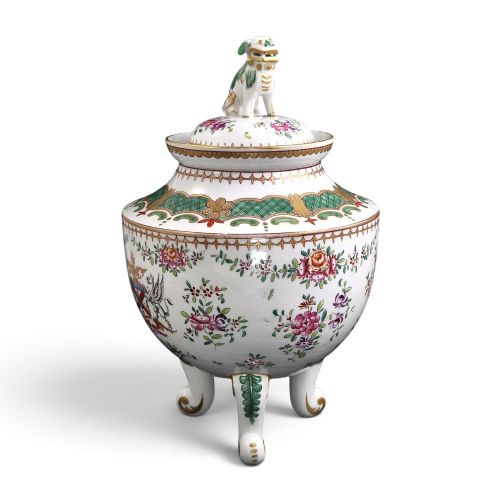
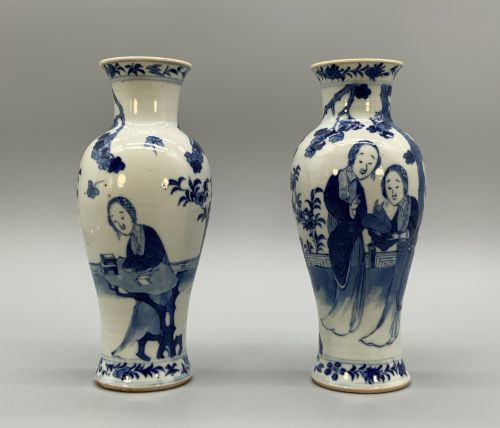
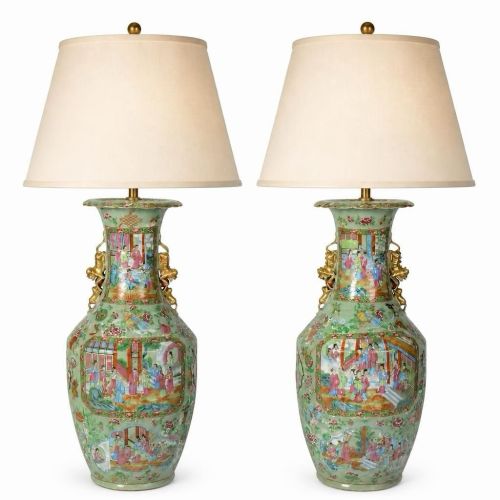
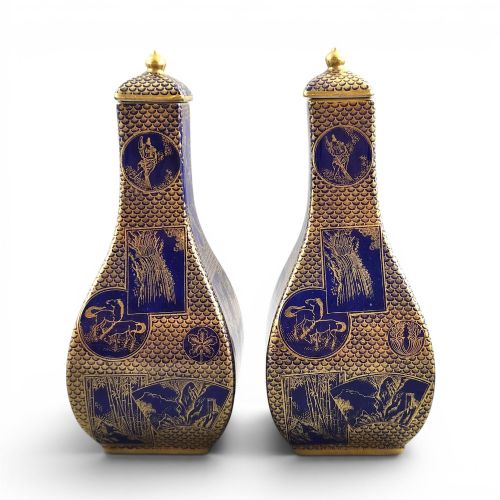
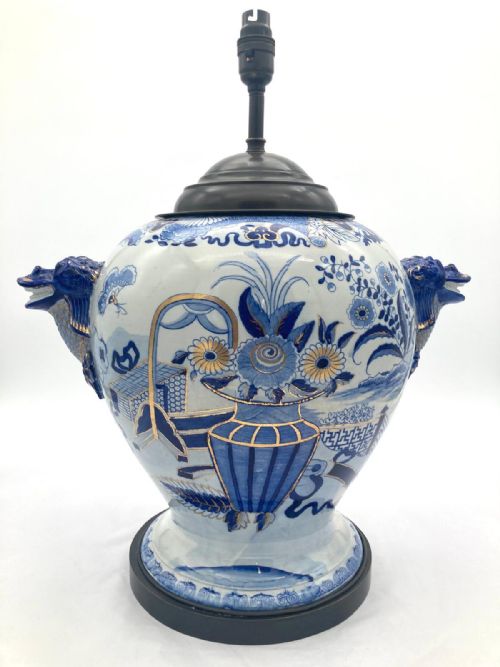
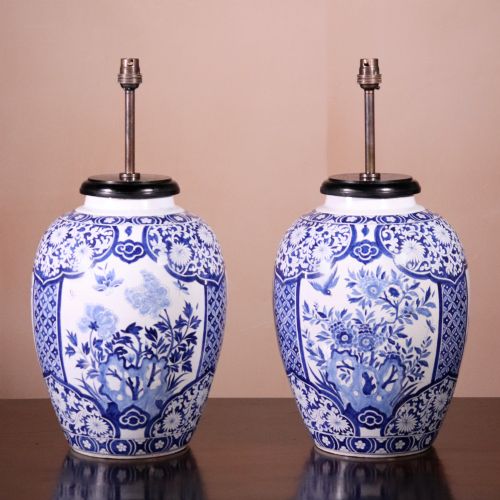
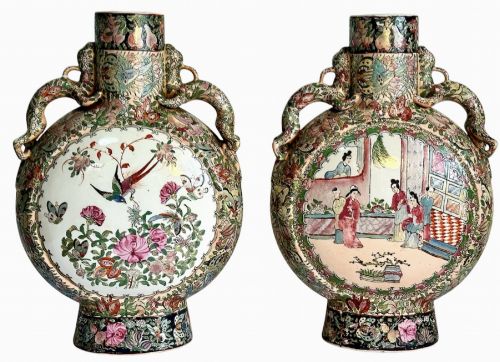
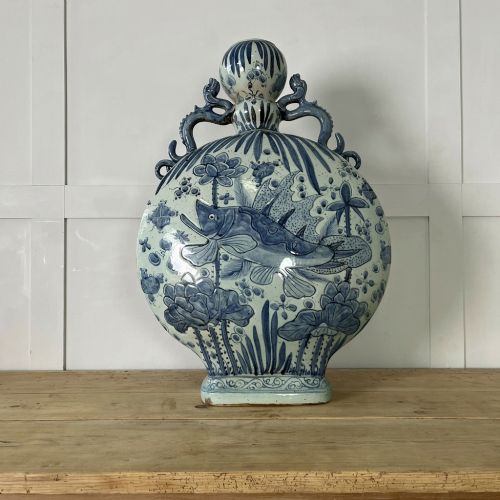
A chinoiserie porcelain vase brings together diverse periods such as the eighteenth and nineteenth centuries, alongside later twentieth-century interpretations. You will frequently encounter forms adapted for lighting, including table lamps and converted urns, alongside traditional lidded vessels and moon flasks.
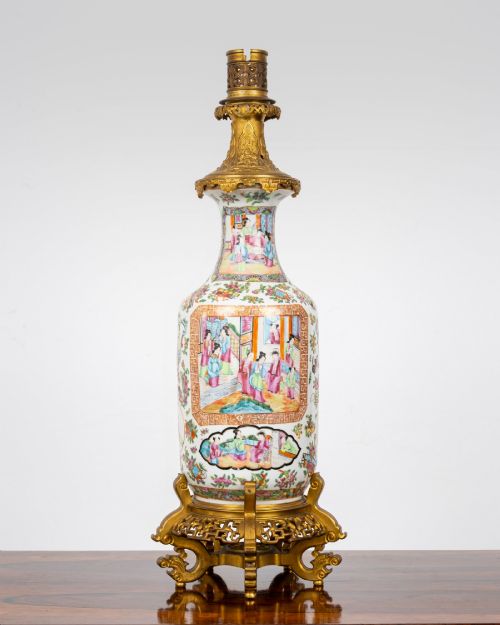
The selection ranges from Chinese export pieces and nineteenth-century Canton or Rose Medallion wares to European interpretations in the French, Victorian, and Regency styles. Many examples display blue and white palettes or the polychrome hues of Famille Rose and Famille Verte.
Certain items bridge continents entirely, such as Samson of Paris productions imitating earlier Chinese designs or English ironstone pieces by makers like Mason's. Buyers searching for a chinoiserie porcelain vase will find both decorative jars and functional lamp conversions filling the listings.
Materials and Construction
The foundation rests upon porcelain, ceramic, or ironstone bodies, shaped into baluster, beaker, and bottle forms. Artisans applied cobalt blue underglaze decoration or polychrome enamel painting by hand before firing the pieces in kilns.
Mounts of ormolu, gilt bronze, and brass frequently secure the bases and rims, particularly on nineteenth-century pieces adapted into lamps. Additional elements incorporate wooden components and fabric fittings for electrified conversions.
Listings feature porcelain, ironstone, and ceramic materials spanning the eighteenth, nineteenth, and twentieth centuries.
Judging Quality and Execution
Quality rests upon the precision of the hand-painted brushwork and the vibrancy of the enamel or underglaze blue pigments. Superior examples display crisp detail in figural scenes and floral motifs, whereas lesser pieces show hurried execution.
The integration of metal mounts, such as fire-gilt ormolu, distinguishes finer decorative objects from standard utility wares. Original covers, matching pairs, and well-executed lamp conversions also elevate the standing of a vessel.
Samson Paris·Mason's·Hicks and Meigh·Carlton Ware·Royal Doulton
The Chinoiserie Porcelain Vase Glossary
- Famille rose
- A major palette of Chinese ceramic glazes introduced in the eighteenth century, distinguished by opaque pink or rose enamel colours.
- Moon flask
- A flattened circular porcelain vessel with a short neck and two loop handles, often resting on a small oval foot.
- Ormolu
- Gilt bronze mounts applied to furniture, clocks, and porcelain vases, popular during the eighteenth and nineteenth centuries.
- Ironstone
- A type of heavy earthenware patented in the nineteenth century by English manufacturers to rival true Chinese porcelain.
- Baluster
- A vase shape with a rounded body that tapers towards the base and flares at the neck.
Chinoiserie Porcelain Vase: Frequently Asked Questions
How do I spot converted lamps?
Many nineteenth-century vessels were drilled or fitted with metal collars to accommodate electrical wiring during later decades.
Look for hardware attached to the base or rim which secures the bulb fitting while preserving the painted body.
Are marks important on these vases?
Underglaze blue seal marks or iron-red characters often reference earlier imperial reigns like Qianlong, though many are honorary.
European makers also included pseudo-oriental symbols or factory stamps to indicate their own studio origins.
How do I date ironstone pieces?
English factories like Mason's produced heavy ironstone bodies featuring deep mazarine blue grounds and gilt highlights during the Georgian era.
Comparing the specific pattern name and impressed registry marks helps narrow down the manufacturing decade.