


Blue White Chinoiserie Ceramic
These blue white chinoiserie ceramic pieces bring painted orientalist scenes into European interiors across centuries of pottery traditions.

Blue White Chinoiserie Ceramic
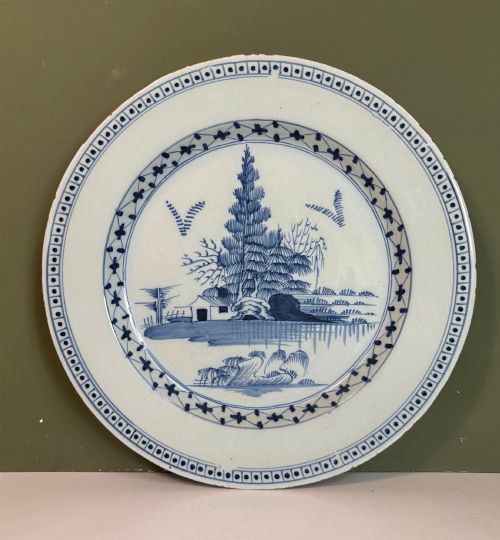
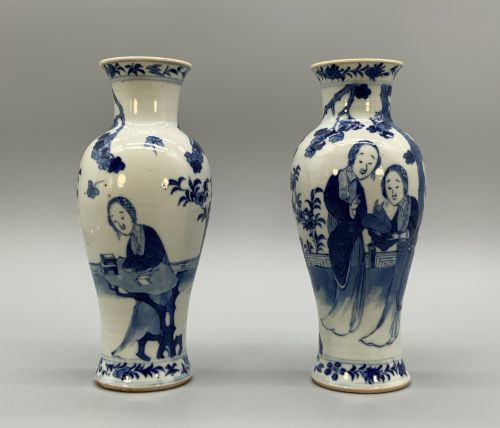
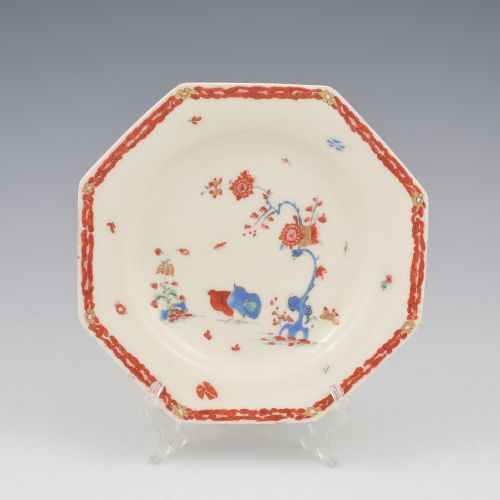
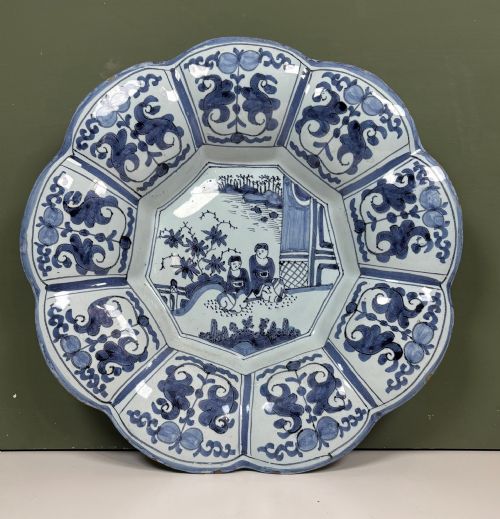
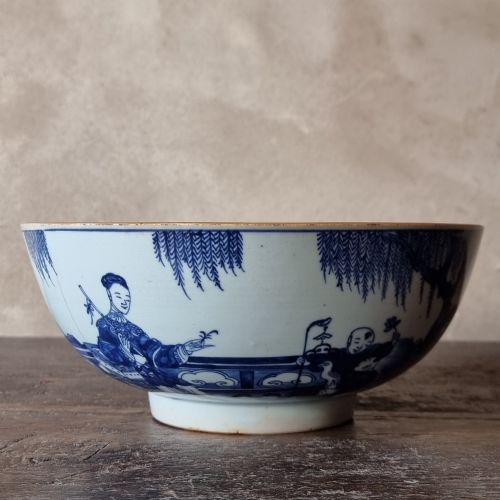
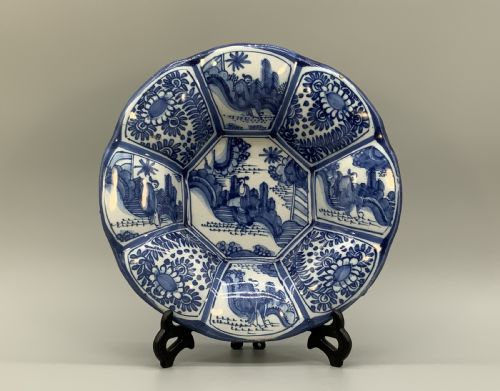
When you search for blue white chinoiserie ceramic, you encounter an array of vessels and tableware shaped by centuries of cross-cultural design. The selection spans utilitarian serving platters, chargers, tea bowls, and decorative vases produced in both European potteries and Asian export kilns.
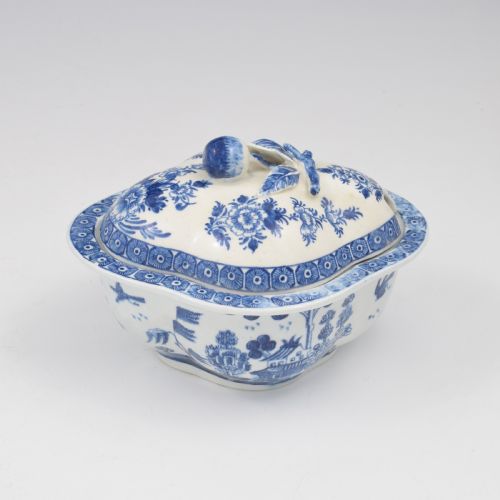
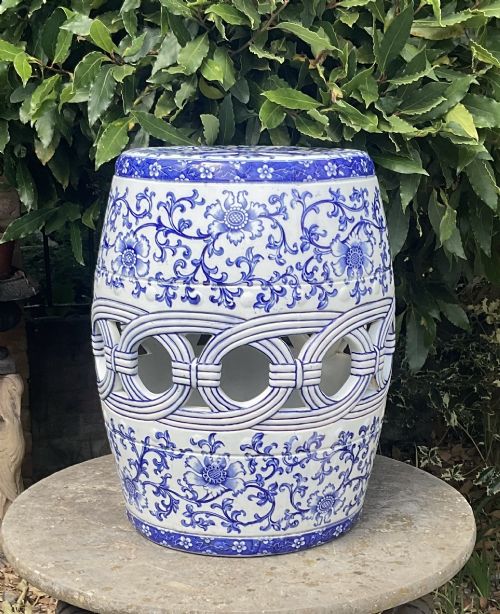
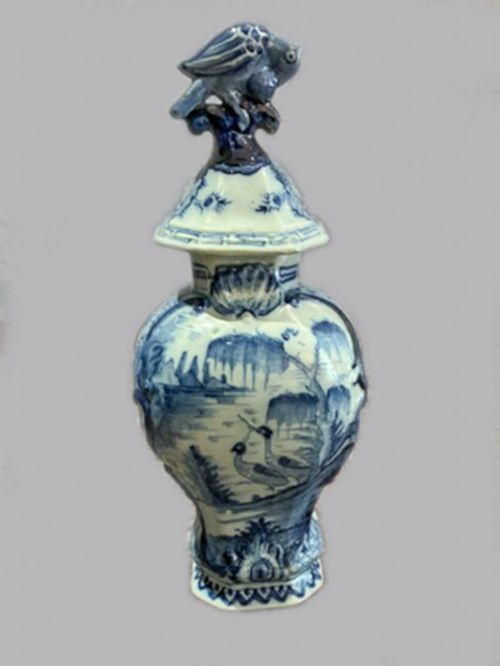
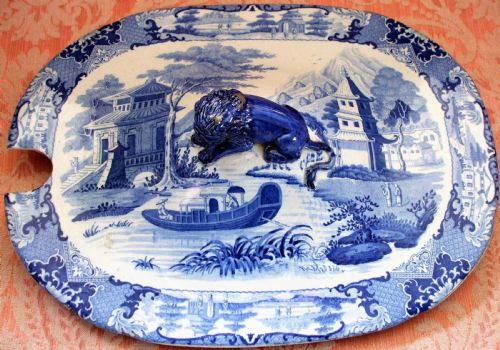
Most items you meet here date from the seventeenth, eighteenth, and nineteenth centuries, reflecting shifts in taste from early Dutch delftware and English porcelain towards Victorian transferware. Forms range from garden seats and lamps to punch bowls and sauce tureens, each carrying painted or printed Oriental motifs.
How they were made
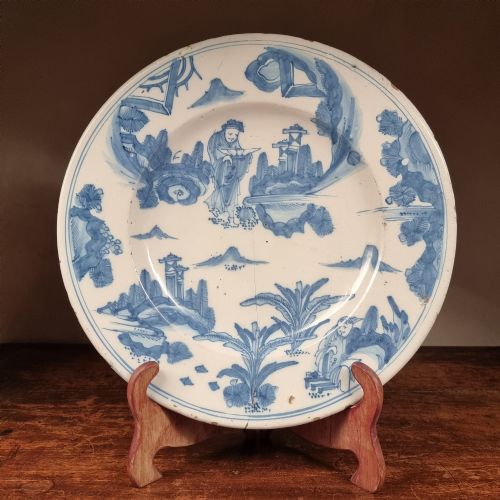
Potters employed earthenware, soft-paste porcelain, and ironstone as bodies, often finishing tin-glazed earthenware with a opaque white surface suited to brushwork. Cobalt pigment provided the characteristic blue colour, applied beneath or over the glaze before firing.
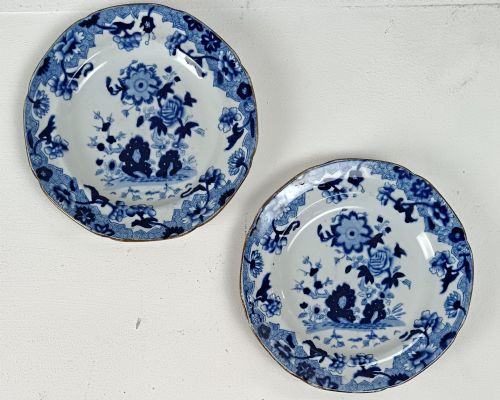
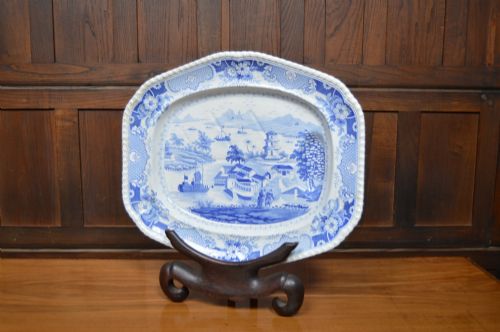
Transfer printing emerged alongside hand-painted decoration, allowing intricate scenes like river views and pagoda patterns to transfer onto pottery surfaces with repeatable precision.
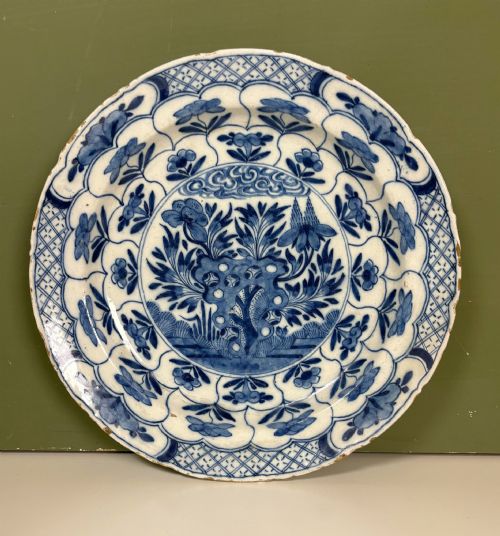
Listings feature eighteenth-century tin-glazed earthenware chargers alongside nineteenth-century transferware platters, earthenware, and soft-paste porcelain.
What varies in quality
Quality rests in the crispness of the cobalt painting and the clarity of the glaze, where well-potted bodies and steady kiln temperatures prevent cloudiness or distortion in the blue pigment. Early porcelain pieces display finer paste and more fluid brushwork than mass-produced transferware.
The sophistication of the form and the precision of the transferred or hand-painted botanical and figural scenes separate standard production pieces from exceptional factory output.
Bow Porcelain·Derby Porcelain·Dr Wall Worcester·Caughley Porcelain·Minton·Hicks and Meigh·Robert Hamilton
The Blue White Chinoiserie Ceramic Glossary
- Chinoiserie
- European artistic style reflecting Chinese artistic influences. It manifests in whimsical landscapes, pagodas, and figures.
- Delftware
- Tin-glazed earthenware produced in the Netherlands and England. It is known for its porous body and white glaze.
- Transferware
- Pottery decorated by pressing a printed paper design onto the ceramic surface. This technique enabled detailed pictorial scenes.
- Tin-Glazed Earthenware
- Pottery coated with a glaze containing tin oxide. This creates an opaque white surface that mimics porcelain.
- Soft-paste Porcelain
- Ceramic composition made from clay and glass frit. It was fired at lower temperatures than hard-paste varieties.
Blue White Chinoiserie Ceramic: Frequently Asked Questions
How do I date a delft charger?
Examine the weight, glaze thickness, and footrim construction of the piece, as seventeenth and eighteenth-century examples often display characteristic glaze pooling and stacking rings on the reverse.
Changes in palette depth and tin-glaze opacity also help distinguish early Dutch output from later English potteries.
What is transfer printing?
Transfer printing is a decoration technique where an engraved copper plate transfers a design onto tissue paper, which is then pressed onto the ceramic body.
This method revolutionised pottery production by allowing intricate scenes like river views to be repeated accurately across plates and platters.
Are these pieces suitable for daily use?
Many antique ceramic dishes and platters remain structurally sound for service, though older tin-glazed earthenware requires careful handling to prevent glaze chipping.
Displaying chargers on walls or using decorative bowls for dry contents preserves the delicate surfaces of soft-paste porcelain.
How do I spot soft-paste porcelain?
Soft-paste porcelain typically exhibits a slightly warmer tone under the glaze and may show small kiln scars or unglazed areas where supports touched the body.
Appearing primarily in eighteenth-century English works, this material feels softer to the touch than later hard-paste bodies.