
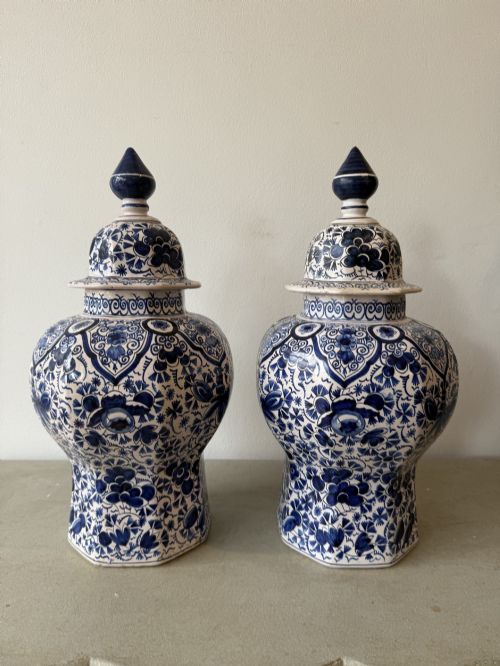


Hand Painted Delft Vase
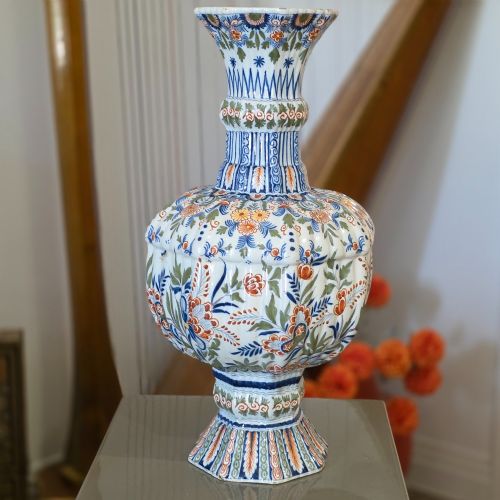
A hand painted delft vase brings vibrant tin-glazed earthenware into a room, offering centuries of painted blue and white or polychrome detail.

Hand Painted Delft Vase
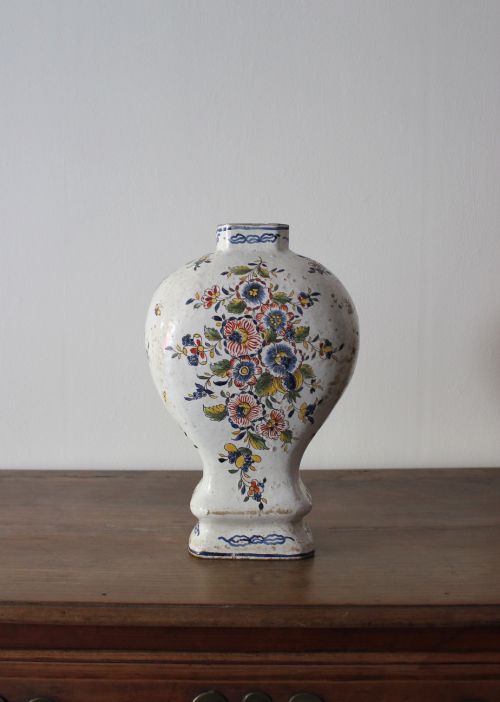
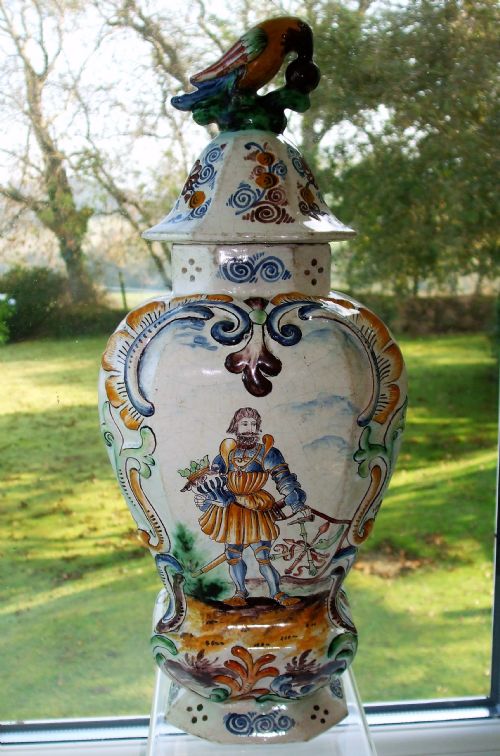
A hand painted delft vase is an earthenware vessel finished with a distinctive tin glaze, spanning periods from the seventeenth century through to the twentieth century. These pieces appear in forms such as baluster vases, lidded jars, beaker vases, and garden urns.
The aesthetic draws heavily on Dutch Delftware traditions, often incorporating Chinoiserie motifs like birds and flowers, alongside Dutch Baroque influences. Buyers frequently encounter nineteenth-century interpretations alongside genuine eighteenth-century examples and revival pieces.
Beyond standard display vessels, the selection includes pieces converted to table lamps, clocks with lids, and figurative Toby jugs functioning as vases. This variety reflects how potters adapted tin-glazed ceramics for domestic utility across different eras.
What determines quality in these pieces
Quality rests in the precision and fluidity of the hand-painted brushwork, distinguishing confident artistic execution from rigid or hurried decoration. Finer examples show crisp detailing in botanical or Chinoiserie scenes and an even coverage of the tin glaze across the earthenware body.
The integrity of the form and the preservation of the original glaze surface also govern the standing of an individual vessel. Alterations such as conversions to table lamps modify the original physical structure, which influences how collectors assess the piece.
Some nineteenth-century potters turned spirited Toby jugs into functional vases, merging cheerful character figures with floral display.
The Hand Painted Delft Vase Glossary
- Tin-Glazed Earthenware
- Pottery coated with a lead glaze made opaque by the addition of tin oxide. This provides the white background typical of delftware.
- Baluster Vase
- A tall vase with a rounded body that tapers toward the neck and stands on a widened base. This form is common in seventeenth and eighteenth-century production.
- Chinoiserie
- European artistic styles reflecting Chinese motifs and decorative themes. Painters frequently applied these fantastical landscapes and floral patterns to delft vessels.
- Polychrome
- Decoration employing multiple colours rather than traditional blue and white. These pieces utilise various mineral pigments painted over the tin glaze.
- Faience
- Tin-glazed earthenware produced in Europe, particularly associated with French and Dutch traditions. It shares technical roots with standard delftware production.
Hand Painted Delft Vase: Frequently Asked Questions
How do I date a delft vase?
Dating relies on stylistic shifts, changes in the tin glaze composition, and the specific painting palette used on the earthenware body. Seventeenth and eighteenth-century pieces often display distinct potting weights and pigment tones compared to later nineteenth-century revivals.
Examining the foot rim and the interior unglazed surfaces provides further clues regarding the manufacturing period. Comparing known forms and motifs helps narrow down the decade of creation.
Are these vases waterproof?
Most historic tin-glazed earthenware vessels are porous because the earthenware body and glaze can develop microscopic crazing over centuries. Using them to hold fresh water directly is generally discouraged to protect the ceramic fabric.
Displaying them as dry decorative objects or placing a hidden liner inside helps preserve the glaze. This protects the historic material from moisture damage.
What is the difference between delft and majolica?
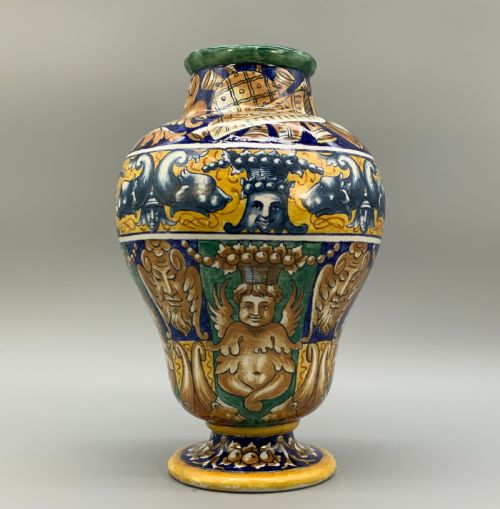
Both utilise tin-glazed earthenware, but delft specifically references Dutch or English production with its focus on blue and white or Chinoiserie styles. Majolica more commonly describes Italian tin-glazed pottery featuring vibrant polychrome palettes.
Revival pieces from later centuries sometimes blend these aesthetic traditions, combining Italian forms with delft-style painting techniques.
How should I clean a tin-glazed vase?
Cleaning requires only a soft, dry cloth to remove surface dust without risking the historic glaze or painted cobalt decoration. Harsh cleaning agents or submerging the porous earthenware in water must be avoided.
Professional restoration advice should be sought if deeper cleaning is required on fragile or previously repaired areas. Gentle handling ensures the delicate tin glaze remains intact.