



Georgian Tea Bowl
A georgian tea bowl holds the refined domestic ritual of the tea table, offering collectors delicate porcelain and glass forms from the eighteenth and nineteenth centuries.
Georgian Tea Bowl
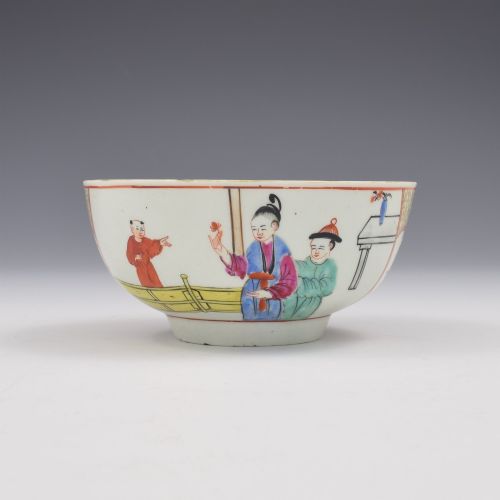
A georgian tea bowl represents a pivotal era of social ritual when leaves were measured directly into handleless porcelain vessels. These delicate pieces date primarily from the eighteenth century into the early nineteenth century, reflecting the dominance of English factories like Worcester and New Hall.
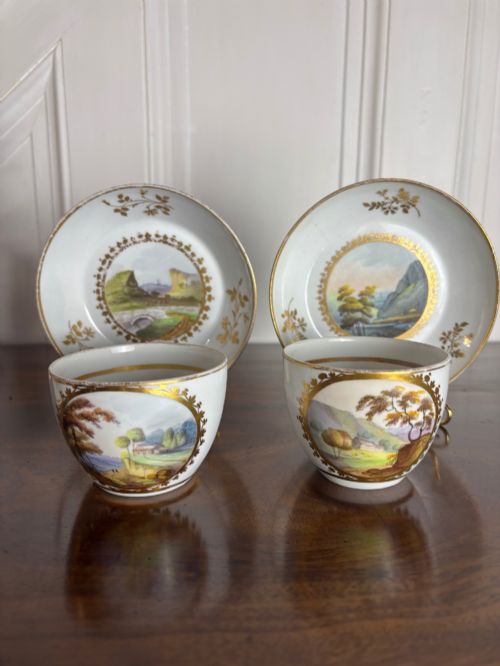
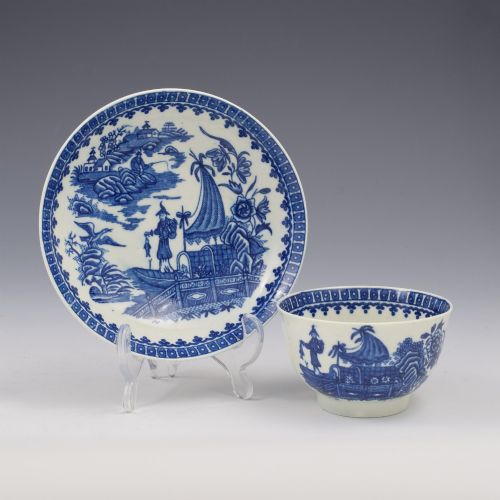
Buyers will most frequently encounter delicate porcelain examples alongside glass mixing bowls housed within wooden tea caddies. The selection spans straightforward blue and white transferware to intricately painted polychrome motifs from the Regency period.
Originating during a time when tea was an expensive commodity, these bowls were often paired with matching saucers for cooling the liquor. Surviving examples demonstrate the evolution of domestic dining habits across Georgian and Regency interiors.
Materials and Manufacture
Makers utilised soft-paste porcelain and creamware alongside lead crystal and cut glass to produce these domestic vessels. Porcelain pieces were thrown or moulded before undergoing high-temperature firing, frequently receiving hand-painted cobalt blue designs or gilded enamel decoration.
Glass mixing bowls were heavy-pressed or hand-cut with fluted panels to sit neatly inside mahogany and rosewood caddies. Artisans applied hand-engraving and silver-smithing techniques to associated items like caddy spoons and sugar tongs.
Mixing sticks kept tea secrets safe inside locked caddies.
Assessing Quality
The distinction between ordinary production and superior work rests on the crispness of the porcelain body and the precision of the hand-painted enamel. Early Worcester and Flight period pieces demonstrate finer potting and more translucent bodies than standard commercial output.
Surface preservation dictates overall desirability, particularly the retention of original gold leaf and the clarity of cobalt underglaze. Cut glass variations achieve higher standing through deep, sharp facet cutting and heavy lead content rather than light pressed moulding.
Chamberlains Worcester·Flight Barr And Barr·Benjamin Smith·Joseph Craddock·Jeremiah Lee
The Georgian Tea Bowl Glossary
- Tea Bowl
- A small, handleless drinking vessel designed for hot infusions during the eighteenth century. These delicate cups required both hands to hold safely.
- Soft-Paste Porcelain
- An early ceramic composition fired at lower temperatures than true hard-paste porcelain. It exhibits a warm, slightly creamy body under glaze.
- Sucrier
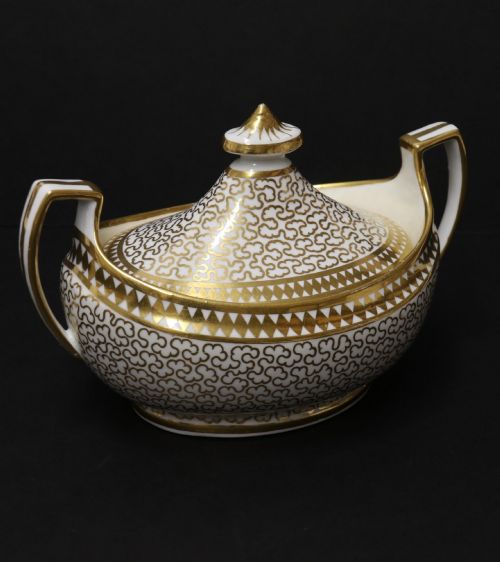
- A covered sugar bowl designed to accompany tea wares on the formal table. These lidded vessels often match the pattern of contemporary teacups and saucers.
- Slop Bowl
- A larger vessel utilised at the tea table for discarding spent leaves and dregs. They mirror the decorative patterns of the accompanying tea bowls.
- Caddy Spoon
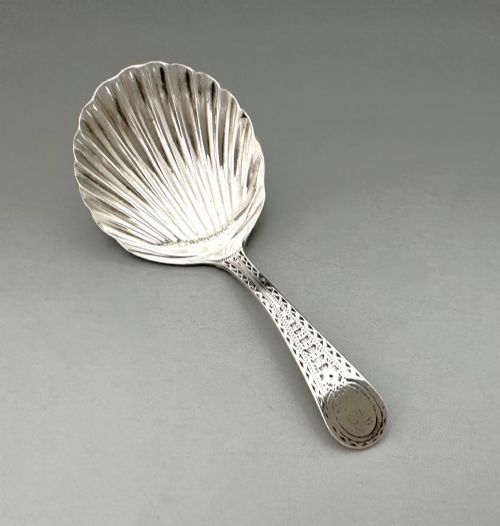
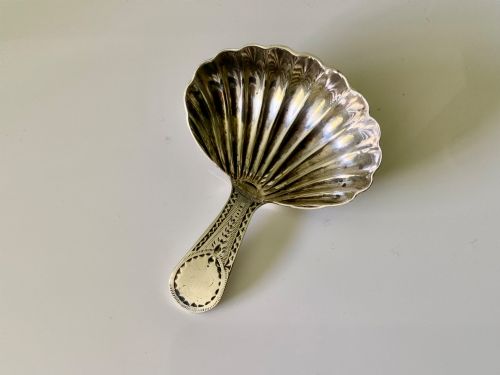
- A small silver or metal scoop specifically sized to measure loose tea leaves from a storage box. Their bowls frequently feature chased floral decoration or shell motifs.
Georgian Tea Bowl: Frequently Asked Questions
How were glass mixing bowls used?
Glass mixing bowls were housed inside wooden tea caddies to blend different grades of loose tea leaves before brewing. They provided a secure, moisture-resistant container for combining expensive black and green varieties.
Many surviving examples sit alongside original caddies made from mahogany, satinwood, or burr yew. Their heavy cut glass construction helped keep the precious leaves fresh.
How do you display them at home?
These delicate pieces suit enclosed display cabinets where their porcelain bodies and painted surfaces remain protected from dust and accidental knocks. Placing them away from direct sunlight preserves the vibrant enamel colours and gold leaf highlights.
Some collectors prefer grouping tea bowls with matching saucers or pairing them inside open-faced tea caddies. Their compact scale makes them ideal for tabletop displays in traditional interiors.
How to tell periods apart?
Distinguishing between periods involves examining the ceramic paste, the manufacturing marks on the base, and the prevailing painting style. Eighteenth-century pieces often feature soft-paste bodies with hand-drawn cobalt blue underglaze, while later Regency items display crisper bone china forms.
Stylistic shifts from rococo curves to neoclassical symmetry also help date individual examples accurately. Comparing pieces against documented factory patterns confirms their specific era of production.