
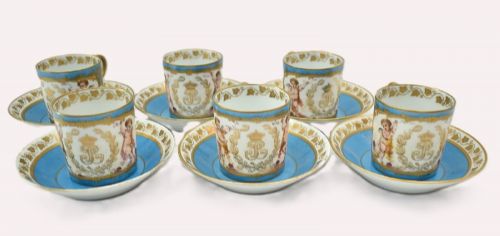


Blue Porcelain Teacup
A blue porcelain teacup brings eighteenth-century ceramic art directly to your table, offering delicate handling and historic charm.
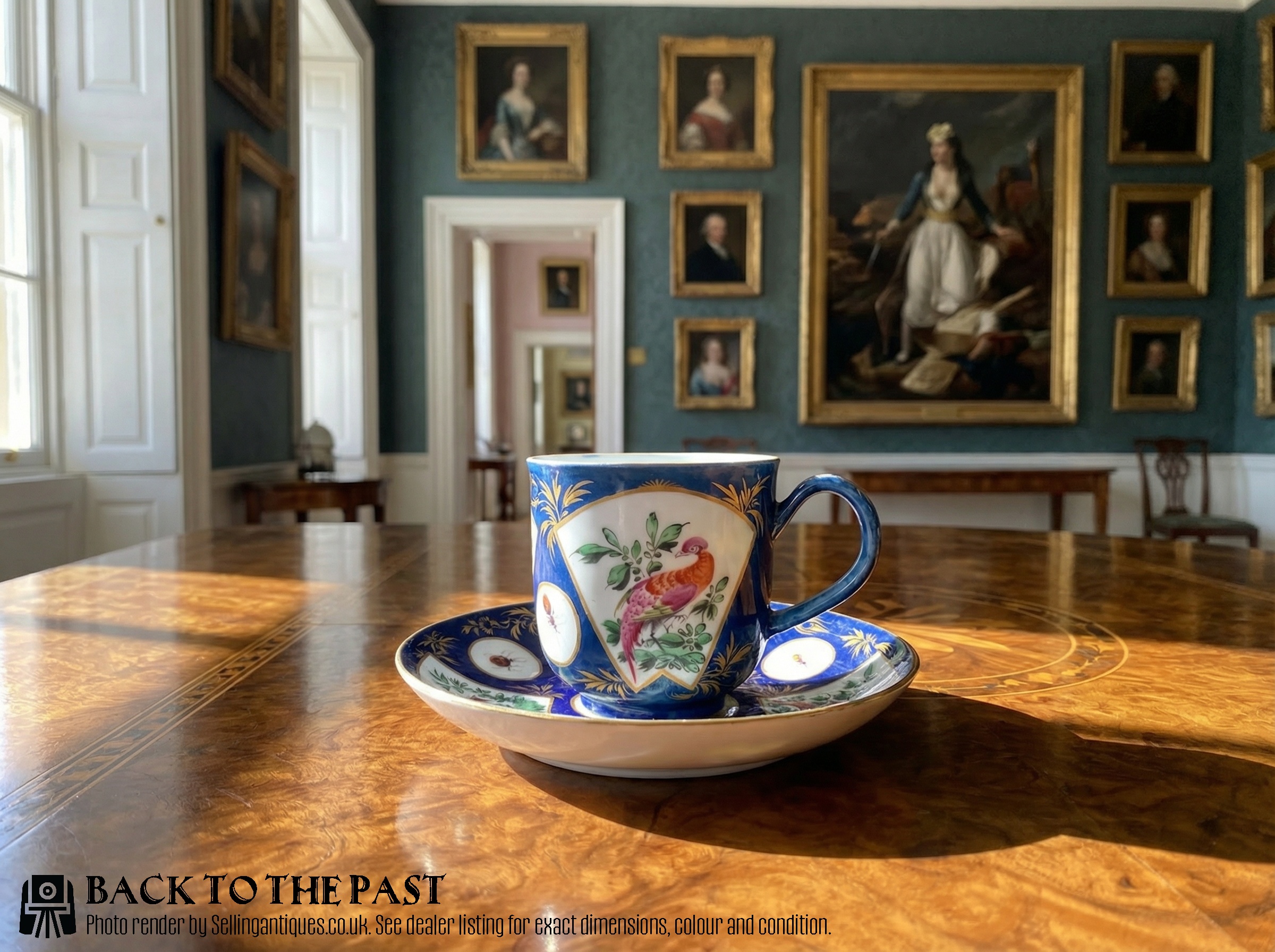
What these blue porcelain teacup pieces are
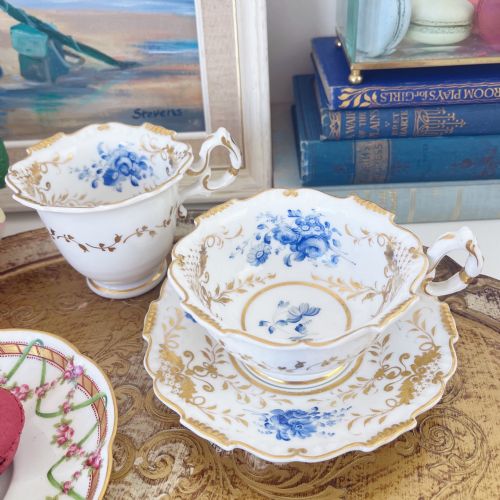
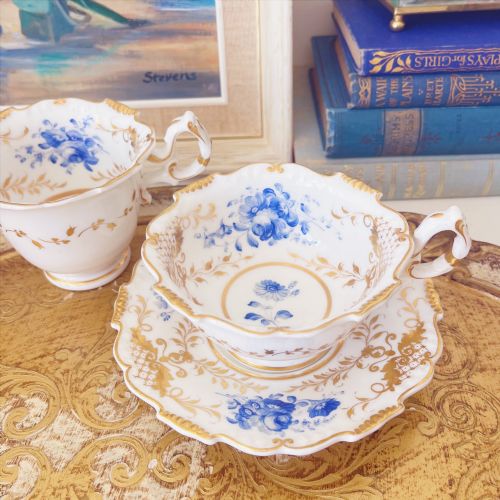
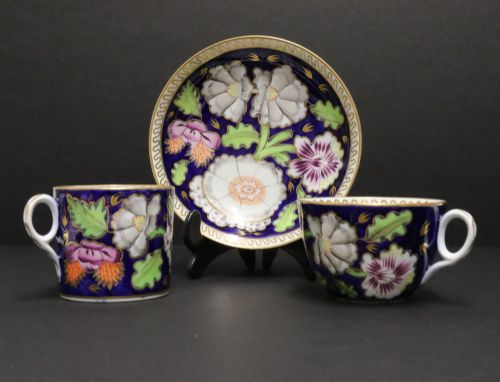
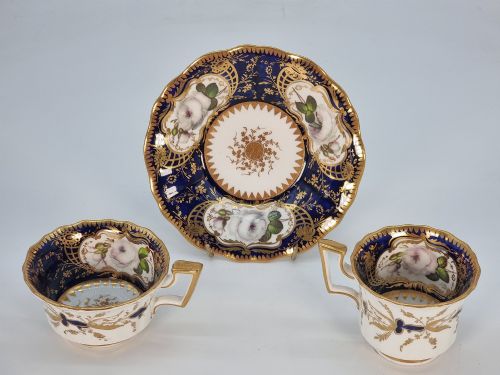
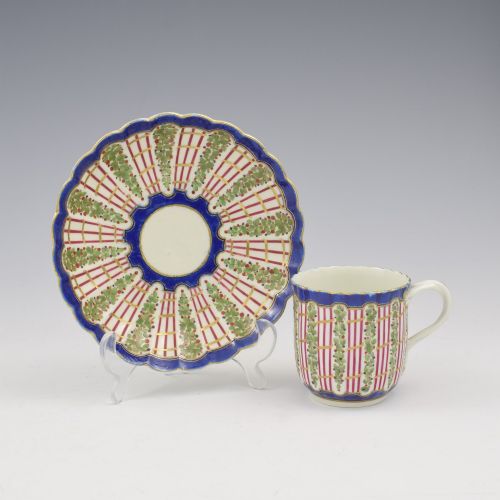
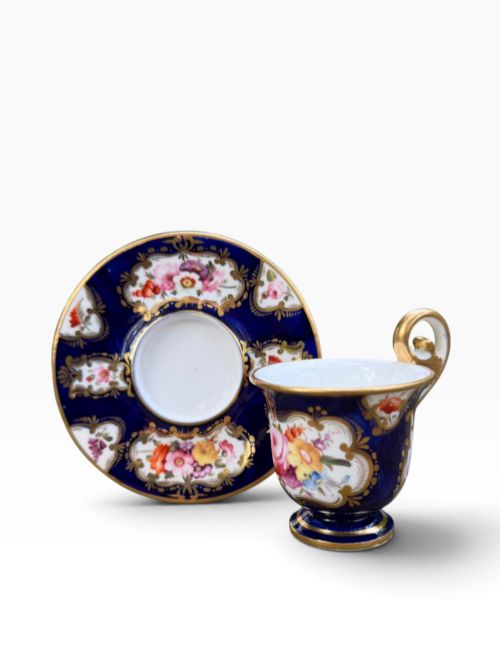
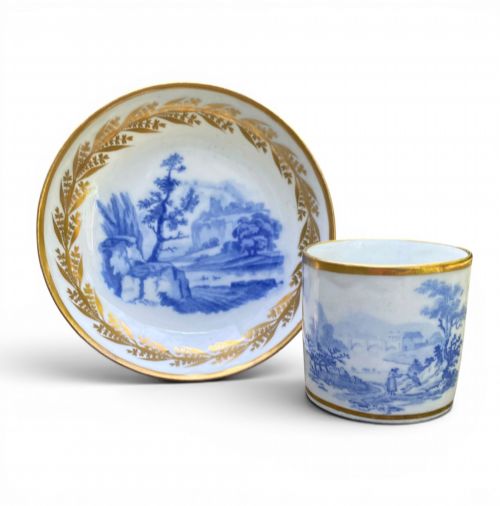
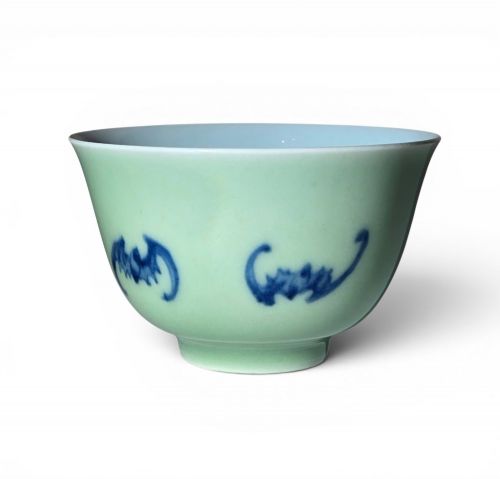
When searching for a blue porcelain teacup, you encounter eighteenth-century and nineteenth-century examples originating from notable English and Russian factories. These historic vessels combine fine ceramic bodies with detailed cobalt decoration, often supplied alongside matching saucers.
The pieces appearing on this page span the Georgian period, the late eighteenth century, and around eighteen eighty. Common forms include tea wares painted with fancy birds or created for specific ecclesiastical commissions.
Makers represented include English works such as Worcester and Derby, alongside the Moscow factory of Gardner. Each piece reflects the specific stylistic preferences and potting traditions of its origin.
How they were made
Potters shaped these vessels using soft-paste porcelain and standard porcelain bodies before applying intricate enamel paints. Artisans frequently enhanced the decorated surfaces with gilding and gold leaf accents.
Firing techniques of the eighteenth and nineteenth centuries required careful temperature control in the kiln to set the cobalt blue underglazes and enamel details. Skilled painters executed freehand motifs like fancy birds directly onto the glazed surfaces.
Listings feature porcelain and soft-paste porcelain materials, decorated with enamel, gold leaf, and gilding across eighteenth-century and Georgian periods.
What varies in quality
Quality rests upon the refinement of the porcelain paste and the precision of the hand-painted enamel work. Finer examples display meticulous brushwork on complex subjects such as avian motifs or heraldic services.
The presence and preservation of gold leaf or gilding distinguish standard domestic wares from high-status commissions. Superior pieces maintain crisp transfer or hand-drawn lines without blurring in the cobalt decoration.
Worcester·Derby·Gardner Porcelain Moscow Factory
The Blue Porcelain Teacup Glossary
- Soft-paste porcelain
- An artificial ceramic composition fired at lower temperatures than true hard-paste porcelain. It possesses a warm tone and was widely utilised by early English factories.
- Enamel
- Opaque vitreous paint applied over the glaze and refired to fuse with the surface. It provides the vivid colour palettes seen on eighteenth-century tea wares.
- Gilding
- The application of gold leaf or gold powder to ceramic surfaces for decorative emphasis. It highlights rims, handles, and painted borders.
- Underglaze blue
- Cobalt pigment applied to the raw ceramic body before glazing and firing. This technique protects the blue colour beneath a glossy transparent layer.
- Rococo
- An ornate artistic style characterised by asymmetrical scrolls, natural motifs, and lively curves. It heavily influences the shapes and decorative borders of Georgian ceramics.
Frequently Asked Questions
What is a blue porcelain teacup?
A blue porcelain teacup is a historic drinking vessel produced from ceramic materials and decorated with cobalt blue pigments or enamels. These items frequently date from the eighteenth or nineteenth centuries and include matching saucers.
They reflect the domestic habits and tea-drinking culture of periods such as the Georgian era. Collectors value them for their artistic painting and direct link to historic European and Russian manufactories.
How do I date a blue porcelain teacup?
Dating involves examining the potting fabric, such as soft-paste porcelain, and the style of the painted decoration. Factory marks, where present, help pinpoint the exact workshop and decade of production.
Peculiarities in the glaze and the specific shade of cobalt blue also indicate whether a piece originates from the mid-eighteenth century or later periods like eighteen eighty.
Were these cups used for daily tea?
Historic tea wares served wealthy households during social rituals involving imported tea leaves. They were handled with care due to the delicate nature of soft-paste porcelain and gold leaf.
Some specialised services, such as episcopal commissions, served specific high-ranking figures rather than everyday households.
How should I display my teacup?
Displaying these items securely involves placing them in stable cabinets away from direct sunlight and heavy foot traffic. Keeping the cup and saucer paired maintains their historic context.
Gentle cleaning with a soft cloth preserves the delicate enamel and gilding without wearing away the historic surfaces.