


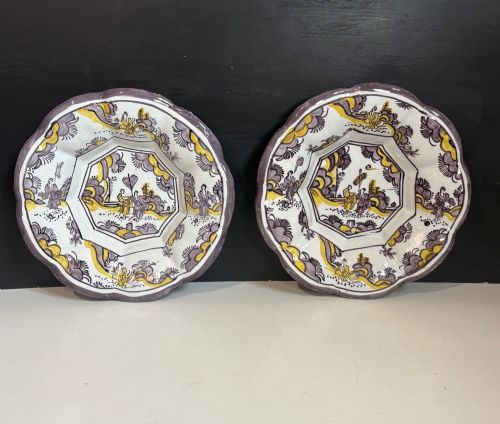
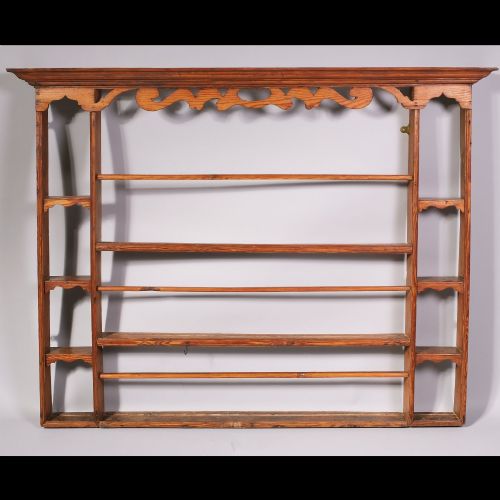
Antique Delft Wall Plate
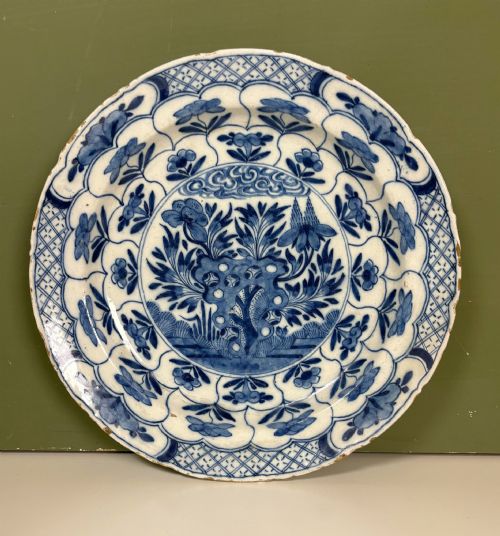
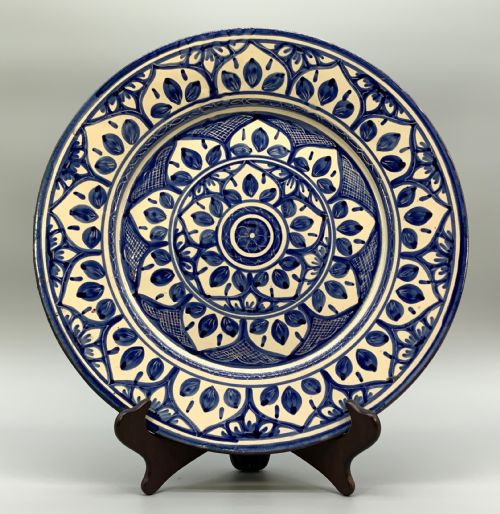
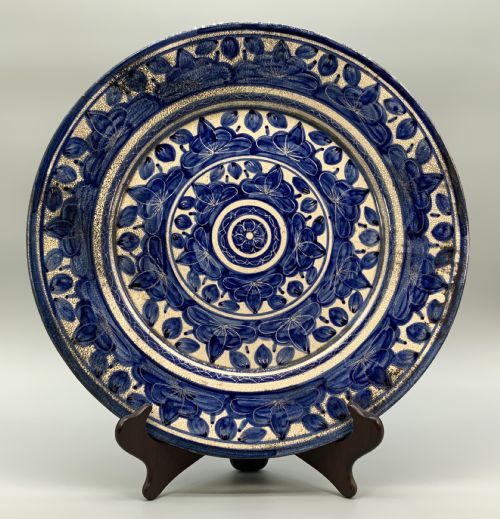
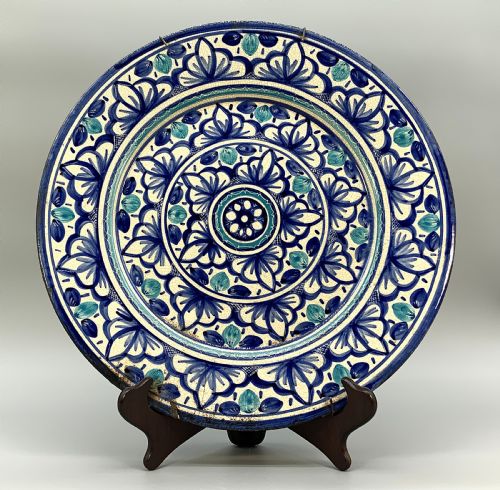
These antique delft wall plate pieces offer hand-painted tin-glazed earthenware charm for any wall display.
What antique delft wall plate pieces are
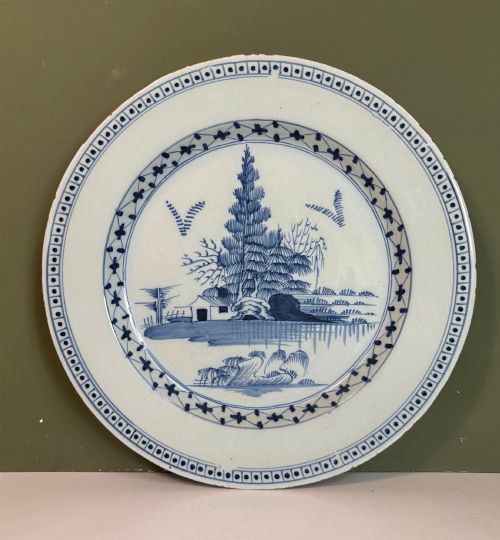
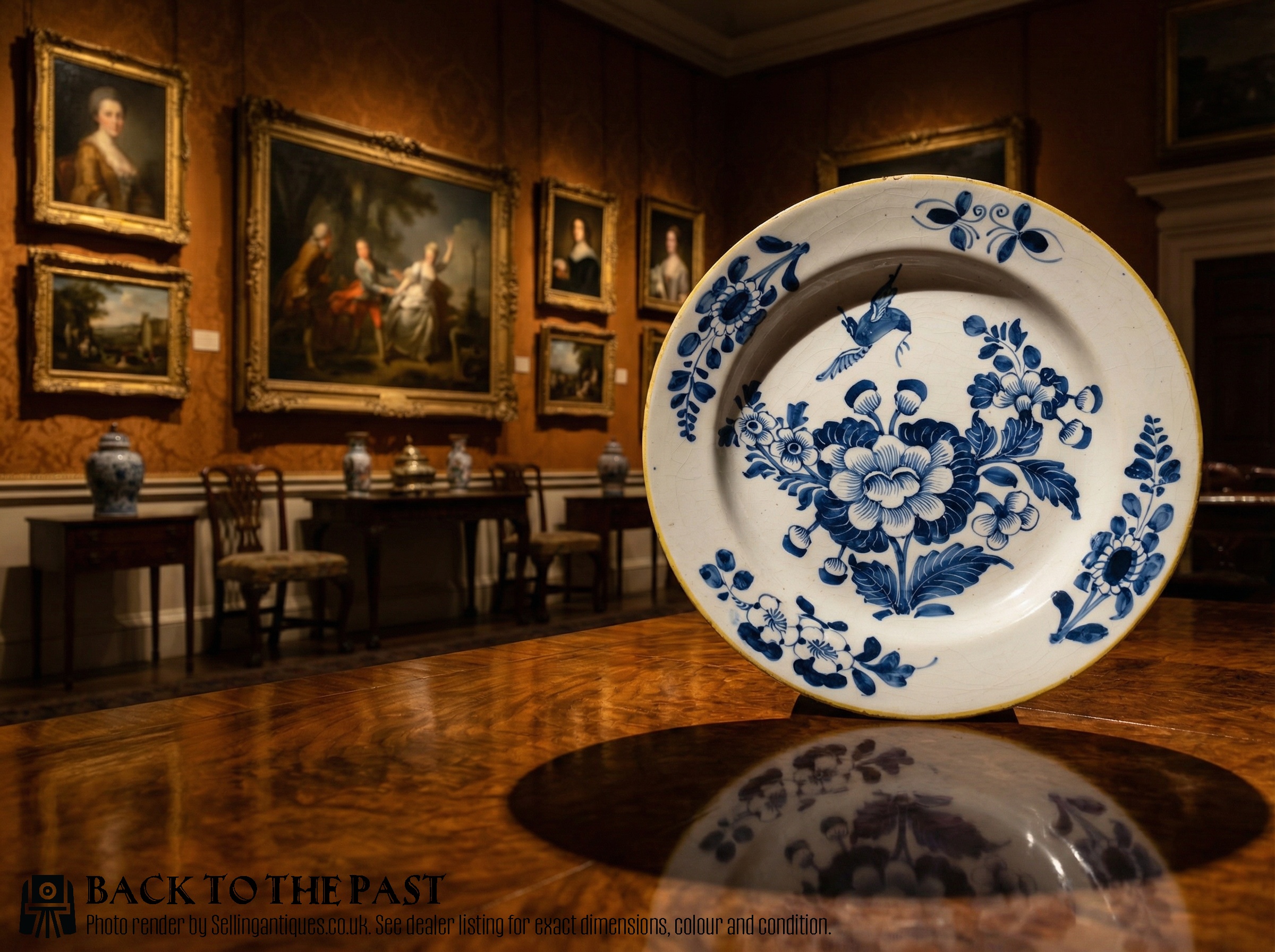
An antique delft wall plate brings historical earthenware into modern homes through decorative plates and chargers. These items span the late seventeenth century and the eighteenth century, showing periods such as the seventeenth century and eighteenth century.
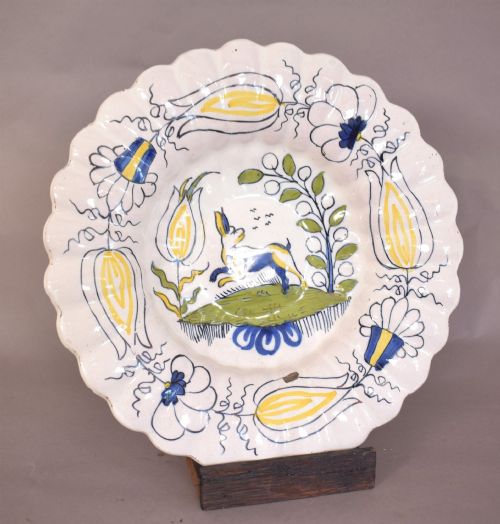
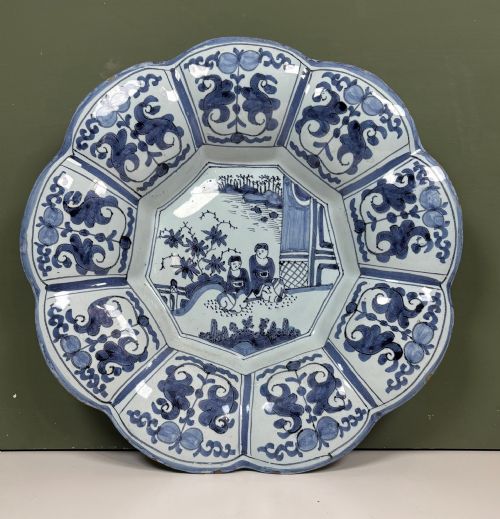
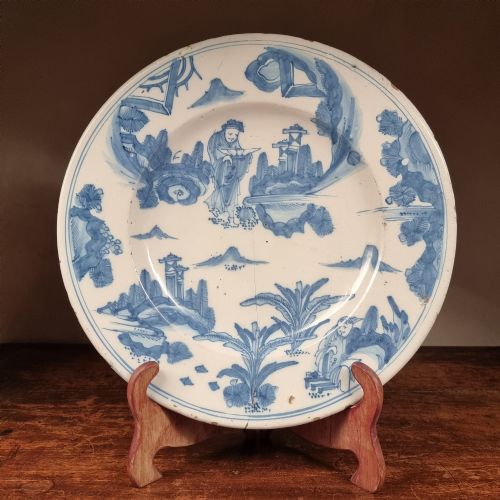
The objects on this page include formats described as delft dish, English delft charger, delft charger, and delft plate. Origins cover English and Dutch styles, including Georgian Chinoiserie and Dutch Baroque.
Buyers most frequently meet eighteenth-century examples featuring blue and white decoration. The forms range from standard plates to larger chargers designed for prominent wall display.
How they were made
Maker workshops formed these pieces using ceramic earthenware as the base body material. Potters coated the fired clay in an opaque white tin glaze to create a smooth surface for painting.
Artisans applied cobalt pigment directly onto the unfired tin glaze by hand. This technique caused the blue pigment to absorb into the glaze during the second firing, creating soft, integrated outlines.
Retail Price Guide 2026
Typical UK retail prices for delft wall plate, calculated from the Sellingantiques database of over a million retail prices indexed since 2003. This retail price guide relies exclusively on Sellingantiques data; no external sources or auction records are used, so the figures do not describe the wider market.
Early potters painted distant oriental mountains onto these plates without ever leaving Europe.
What varies in quality
Quality separates ordinary utilitarian pieces from sophisticated display chargers through the crispness of the cobalt painting and the brilliance of the tin glaze. Earlier seventeenth-century items often show deeper tonal depth in the blue pigment compared to later eighteenth-century production.
The precision of the brushwork and the complexity of the Chinoiserie or Baroque motifs dictate the visual weight of each plate. Finer pieces maintain an even glaze finish across the earthenware body without excessive bubbling or pooling.
The Antique Delft Wall Plate Glossary
- Tin-glazed earthenware
- Ceramic pottery coated with a white lead glaze containing tin oxide. This opaque finish provides the classic white background for blue painting.
- Charger
- A large decorative plate intended for wall hanging or sideboard display rather than dining use. These substantial vessels measure larger than standard tableware.
- Cobalt pigment
- The metallic blue colouring agent used under the glaze to paint traditional designs. It withstands high kiln temperatures without losing its intense hue.
- Chinoiserie
- European artistic style reflecting Chinese decorative motifs. Artisans reinterpreted oriental landscapes and figures onto earthenware plates.
Frequently Asked Questions
How do I hang an antique plate?
These ceramic chargers require specialised wire hangers that grip the rim securely without causing structural damage to the earthenware body.
Ensure the wall fixing uses a solid anchor to support the substantial weight safely.
Can I clean these plates with water?
Historic tin glaze remains porous and sensitive to moisture, meaning washing should be avoided to protect the fragile earthenware structure.
Dust the surface gently with a dry, soft brush instead.
How do I date a delft plate?
Stylistic shifts between Baroque floral patterns and Georgian Chinoiserie help establish the approximate period of manufacture.
Glaze thickness and body weight also provide clues regarding seventeenth and eighteenth-century origins.
Were these plates used for dining?
Larger chargers served primarily as decorative items for display on walls or sideboards during formal dining occasions.
Standard plates saw occasional use, but surviving examples generally survived due to their decorative function.