





Japanese Floral Plate
A Japanese floral plate brings vivid colour and intricate hand-painted detail to any room, offering traditional craftsmanship from the Meiji period and beyond.
Japanese Floral Plate
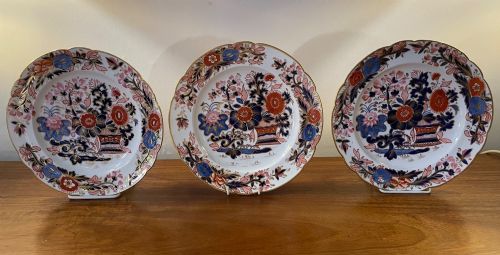
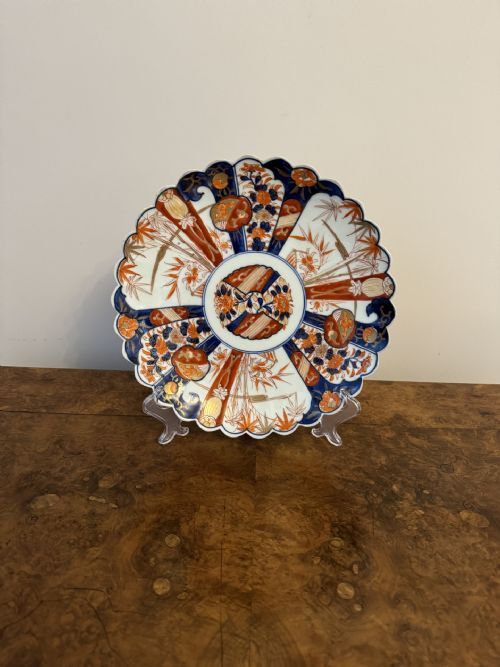
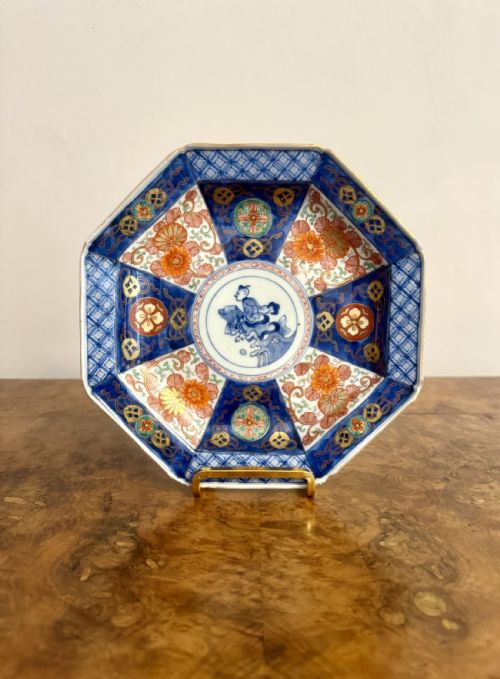
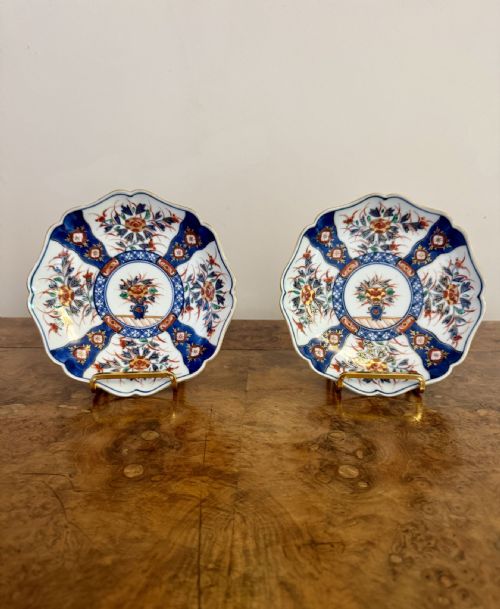
A japanese floral plate is typically encountered as a charger or decorative dish originating from the nineteenth and early twentieth centuries. These pieces display traditional motifs such as chrysanthemums, peonies, and wisteria, often arranged across scalloped or hexagonal edges.
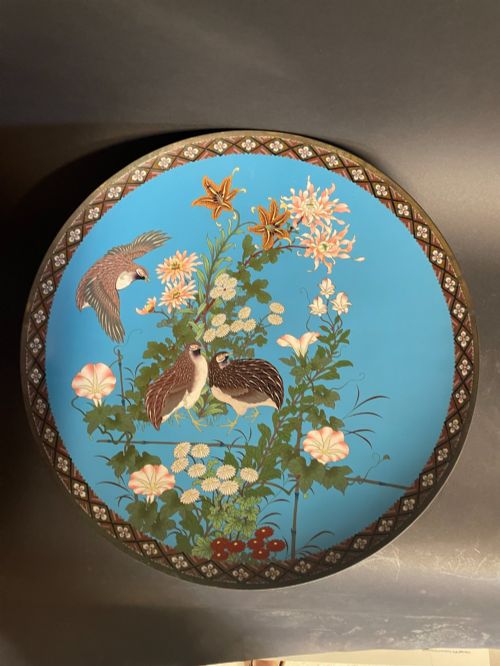
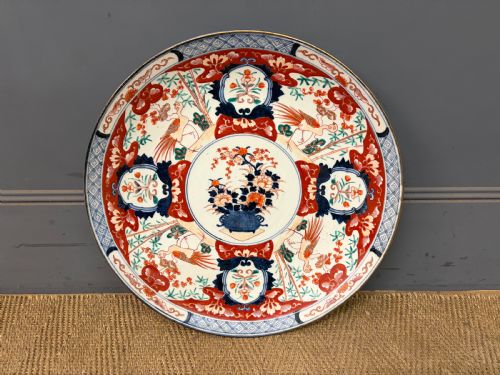
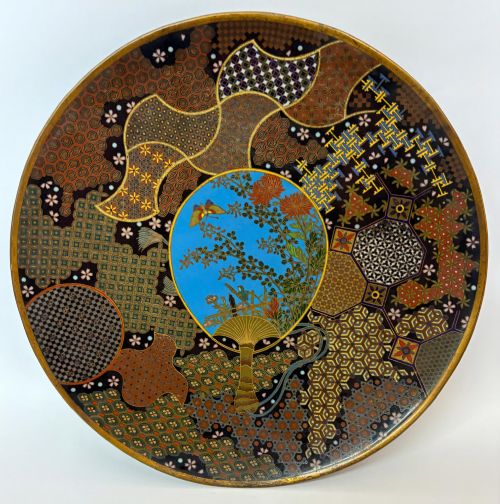
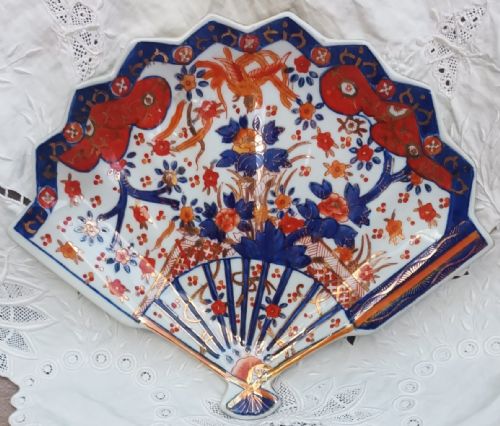
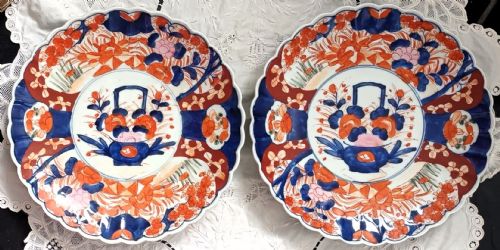
The selection ranges from large Imari chargers featuring blue and white porcelain to cloisonne enamel trays adorned with birds and auspicious symbols. Most examples date from the Meiji period and the Victorian era, reflecting a strong period focus on ornate decorative display.
Materials and construction
These items rely heavily on porcelain, glaze, and enamel, combined with copper or brass in cloisonne examples. Artisans applied hand-painted pigments and occasionally gold leaf or gilding to create rich surface decoration.
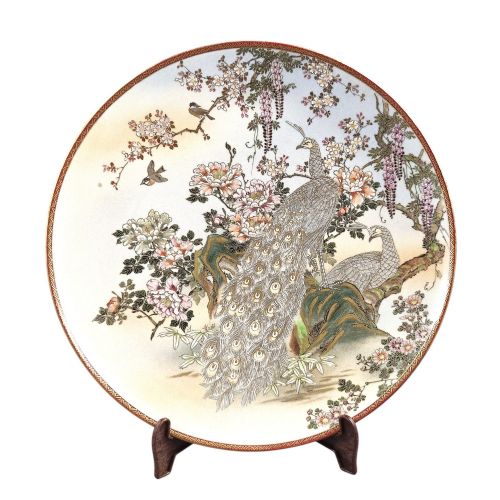
Techniques varied between classic underglaze blue and white porcelain firing and intricate wire-work cloisonne enamel. Makers also utilised moriage relief work on Satsuma wares to give floral and animal subjects a tactile quality.
Listings feature items spanning the 19th Century, Victorian era, and early 1900s, utilising porcelain, enamel, copper, brass, and gold leaf.
Assessing quality and craftsmanship
Quality rests in the precision of the hand-painted design and the complexity of the subject matter, such as detailed birds, frogs, and landscapes rather than simple repeating patterns. Superior pieces show crisp outlines, balanced compositions, and careful control during the firing process.
The weight of the porcelain and the fineness of the cloisonne wirework distinguish finer items from standard production. Masterpiece examples achieve a harmonious integration of colour and form that elevates them above ordinary decorative wares.
The Japanese Floral Plate Glossary
- Imari
- A style of Japanese porcelain featuring a distinct palette of underglaze blue, iron red, and gilt. It originated in the town of Arita and became immensely popular for export.
- Cloisonne
- A technique where enamel is applied to compartments created by soldering flat metal wires to a metal base. This method allows for intricate pictorial designs involving flora and fauna.
- Charger
- A large decorative plate intended primarily for display on a wall or sideboard rather than for dining use. These pieces often measure significantly wider than standard dinner plates.
- Moriage
- A type of decorative slip-raised ornamentation used on pottery. It creates a raised, textured effect that stands proud of the glazed surface.
- Satsuma
- A type of earthenware with a characteristic ivory crackle glaze, frequently decorated with elaborate polychrome enamels and gilding. It represents a distinct aesthetic within Japanese ceramics.
Japanese Floral Plate: Frequently Asked Questions
How were these plates used?
Most of these large dishes and chargers served decorative purposes rather than practical dining functions. They were designed for display on walls, tables, or cabinets to showcase fine craftsmanship.
Smaller plates occasionally saw use in formal settings, but the larger examples functioned primarily as ornamental centrepieces in period interiors.
How do I identify Meiji period pieces?
Meiji period items typically date from the late nineteenth to the early twentieth century, reflecting the artistic output of that specific imperial era. They often combine traditional motifs like chrysanthemums with meticulous hand-painted detail.
Examining the glaze, weight, and painting style helps distinguish these pieces from later reproductions or earlier Edo period works.
What is the difference between Imari and Satsuma?
Imari ware is a hard porcelain characterised by deep blue underglaze, iron red, and gold highlights. It offers a bright, glossy finish derived from high-temperature firing.
Satsuma ware is typically an earthenware body featuring a creamy, crackled glaze overlaid with intricate polychrome enamel and raised moriage details.