









Japanese Ceramic Display Dish
A japanese ceramic display dish brings the rich palette and intricate hand-painted detail of the Meiji period directly into a room.

Japanese Ceramic Display Dish
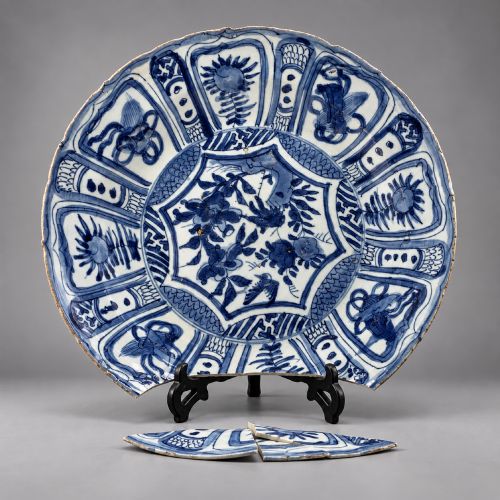
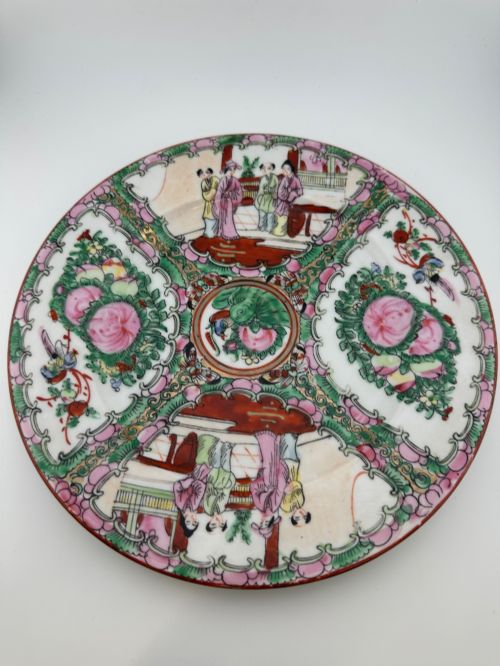
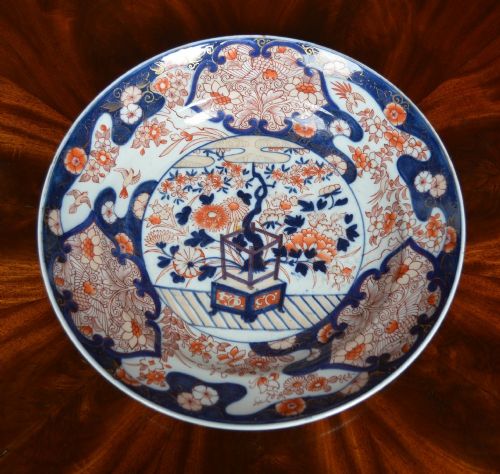
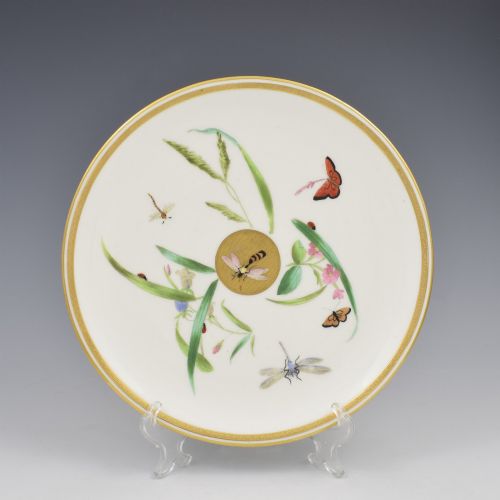
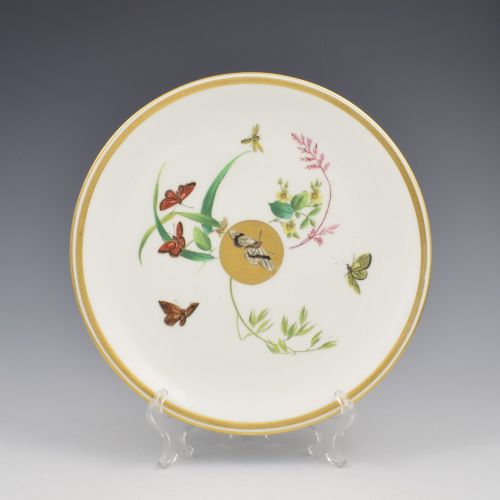
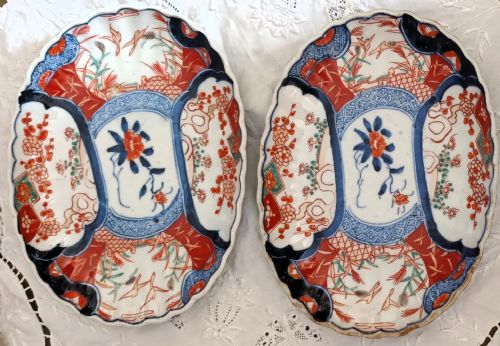
A japanese ceramic display dish encompasses decorative plates, chargers, cabinet plates, and bowls originating from the nineteenth and early twentieth centuries. The selection on this page relies heavily on Japanese Imari porcelain and Satsuma ware, alongside Victorian interpretations influenced by the Aesthetic Movement.
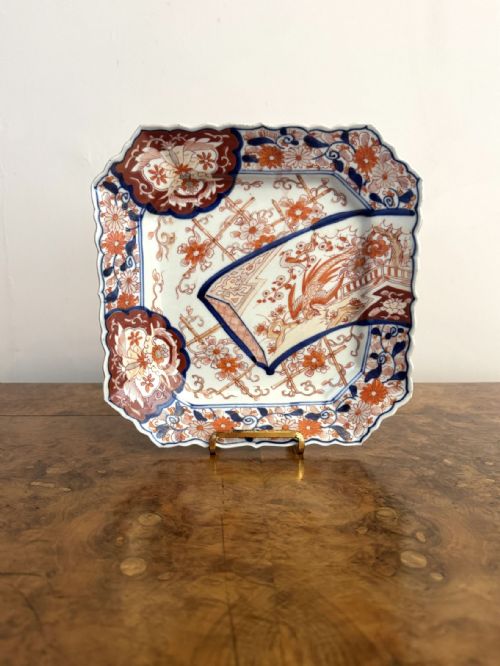
Buyers encounter substantial chargers, scalloped edge dishes, and hexagonal or square shaped plates designed primarily for visual display. Many pieces date from the Meiji period, reflecting traditional motifs such as exotic birds, floral arrangements, and depictions of the Seven Lucky Gods.
How they were made
Potters utilised porcelain and earthenware as the primary ceramic bodies, shaping them into plates, chargers, and bowls before applying detailed hand-painted designs. Enamel colours, gold leaf, and gilding were frequently added over or under the glaze to create rich decorative surfaces.
Firing techniques allowed kilns to achieve the deep cobalt blues and contrasting iron reds characteristic of Imari wares. Skilled artisans combined these pigments with fine brushwork, sometimes incorporating wood elements for display or storage context.
Several chargers depict the Seven Lucky Gods navigating rough spiritual waters just to sit on your sideboard.
What varies in quality
The degree of artistic precision in the hand-painted decoration separates standard items from exceptional examples. Finer pieces display crisp lines, balanced compositions, and deliberate application of gold leaf and enamel.
Form and scale also influence distinction, with unusual shapes such as hexagonal or scalloped edges demonstrating greater technical demands during the forming and firing stages. Signatures from recognised makers add further authority to Satsuma and Kutani wares.
Koshida·Gyokkō·Kozan
The Japanese Ceramic Display Dish Glossary
- Imari
- A style of Japanese porcelain decorated in underglaze blue and overglaze red, gold, and green. It originated in the town of Arita and became widely exported during the Edo and Meiji periods.
- Satsuma ware
- A type of Japanese earthenware featuring a pale, ivory crackle-glaze finish. It is typically decorated with elaborate polychrome enamels and gilding.
- Charger
- A large decorative plate or dish intended for display rather than for serving food at the table. These pieces often anchor a wall display or sit prominently on a cabinet.
- Meiji Period
- The era in Japanese history spanning from 1868 to 1912, characterised by extensive international trade and the production of highly detailed decorative arts.
- Aesthetic Movement
- A late nineteenth-century British design movement that championed art for art's sake. It drew heavy inspiration from Japanese artistic traditions, as seen in contemporary European ceramics.
Japanese Ceramic Display Dish: Frequently Asked Questions
How do I hang a heavy charger?
Large chargers require robust wall-mounting hardware designed specifically to support heavy ceramic weights without placing stress on the rim.
Spring-loaded brass wire hangers or custom padded brackets distribute the load evenly across the reverse of the dish.
Were these dishes used for food?
Most antique chargers and decorative plates were created primarily for visual display rather than daily dining. Their elaborate enamel and gold leaf decorations are vulnerable to cutlery marks and frequent washing.
Smaller plates occasionally served functional roles, but the larger examples functioned as decorative objects in Meiji period interiors.
What is the Meiji period?
The Meiji period spans the reign of the Emperor Meiji from 1868 to 1912. This era marked Japan's opening to Western trade and a surge in export ceramics tailored for international collectors.
Objects from this time often combine traditional motifs with advanced manufacturing precision.
How should I clean my display dish?
Dust ceramic dishes gently with a dry, soft microfibre cloth to prevent accumulation on textured surfaces. Avoid abrasive cleaners, chemical solvents, or soaking, as these can damage delicate overglaze gilding and enamels.
Display the pieces away from direct sunlight to preserve the vibrancy of the pigments.