


Glazed Stoneware Bowl
These glazed stoneware bowl examples bridge centuries of functional craft and aesthetic refinement, offering robust daily utility alongside exceptional decorative presence.
Glazed Stoneware Bowl
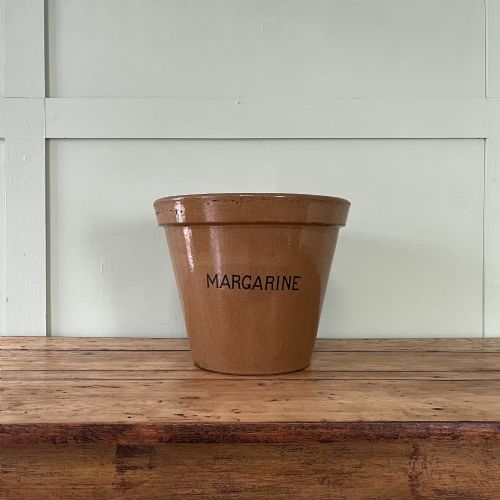
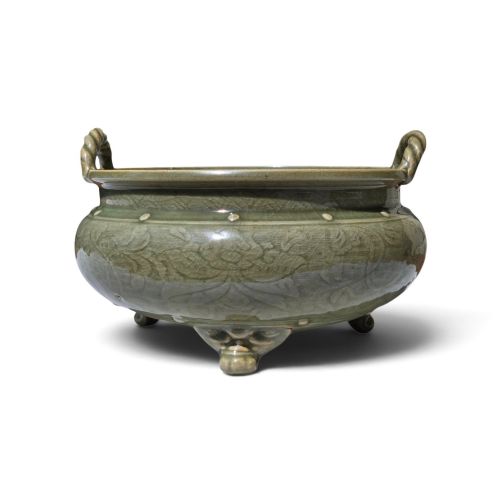
A glazed stoneware bowl encompasses vessels made from dense, vitrified clay bodies designed for utilitarian use or decorative display across multiple historic periods. These objects range from massive nineteenth century French provincial kitchen basins and Edwardian margarine vessels to ancient Chinese celadon censers and imperial Qing export wares.
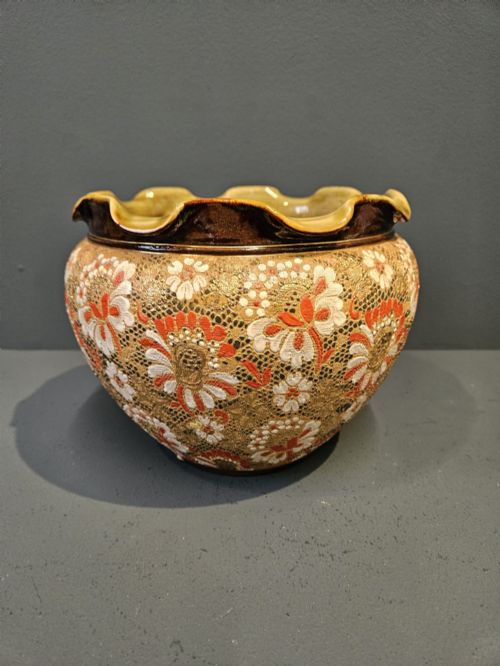
Collectors encounter diverse forms on this page, including monumental tripod censers, large jardinieres, domestic jugs, and expansive kitchen vessels. The materials shift from heavy terracotta and earthenware to high-fired salt glaze and delicate crackle-glazed porcelain finishes.
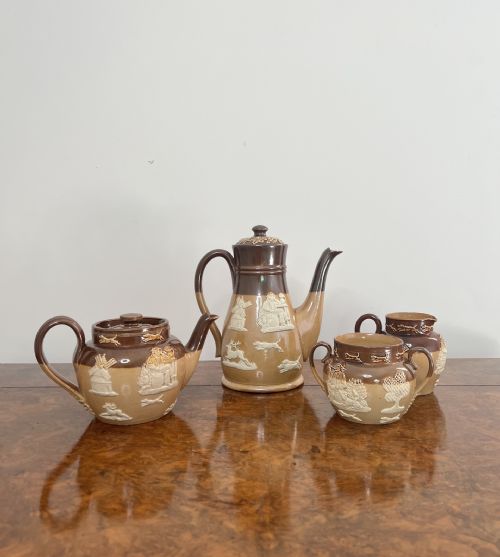
Origins span European workshops such as Doulton Lambeth alongside Asian dynasties including Ming, Song, and Qing periods. Buyers select these pieces to anchor a room with genuine historical weight or to use robust kitchen pottery.
How they were made
Potters shaped these dense clays on wheels or formed them within moulds before applying mineral glazes that vitrified during high-temperature kiln firings. Salt glaze methods created textured, pebbled surfaces on Victorian utility items, whilst oriental kilns produced smooth celadon and crackled finishes.
Kiln operators utilised natural mineral oxides within the glaze mixtures to achieve deep greens, cobalt blues, and earthy terracotta tones. These chemical reactions ensured the fired body remained impervious to liquids while displaying subtle variations in colour and texture.
Some nineteenth century margarine bowls survived intensive commercial butter distribution to become prized kitchen display antiques.
What varies in quality
Quality depends on the precision of the throwing, the control of the kiln temperature during firing, and the stability of the glaze. Superior examples display balanced proportions, clean rim forms, and even distribution of surface colour without disruptive kiln flaws.
Artistic execution separates standard utility wares from significant studio or dynastic pieces, particularly where incised foliate motifs or moulded relief decorations demonstrate advanced craftsmanship. Historical provenance and intact export seals further elevate the distinction between domestic vessels and masterworks.
Doulton Lambeth
The Glazed Stoneware Bowl Glossary
- Stoneware
- A robust ceramic type fired at high temperatures until the clay body vitrifies and becomes non-porous. This material withstands heavy daily use and resists moisture naturally.
- Salt glaze
- A surface finish created by throwing common salt into the kiln during high-temperature firing. This process produces a characteristic orange-peel texture across the stoneware body.
- Jardiniere
- An ornamental ceramic pot designed to hold large indoor plants or floral arrangements. These pieces frequently feature prominent relief decoration or distinct footed bases.
- Censer
- A ritual vessel designed for burning incense during ceremonies or private contemplation. These tripod forms typically elevate the bowl above a stable surface.
Glazed Stoneware Bowl: Frequently Asked Questions
How do I clean an old glazed stoneware bowl?
Wash the vessel gently using warm water and a mild detergent, avoiding harsh scouring pads that might damage the historic glaze.
Dry the piece thoroughly with a soft cloth to prevent moisture absorption through any microscopic crazing in the surface finish.
Can I use these bowls for daily food preparation?
Many nineteenth and twentieth century utility bowls remain structurally sound for holding dry goods or display purposes in a modern kitchen.
Pieces originating from earlier dynasties or those with delicate crackle glazes are better suited for collection and gentle decorative presentation.
How do I identify a Song dynasty celadon bowl?
Look for the characteristic jade-green glaze, heavy stoneware or porcelain body, and subtle potting marks that indicate ancient hand-throwing techniques.
Expert examination of the foot ring and glaze pooling often confirms the historic period of these early Asian wares.
What caused the crackle effect in antique Chinese bowls?
The crackle pattern results from a deliberate differential in the shrinkage rate between the ceramic body and the outer glaze during cooling.
Potters controlled this cooling process to produce intricate networks of fine lines across the surface of the vessel.