


Blue Glazed Pottery
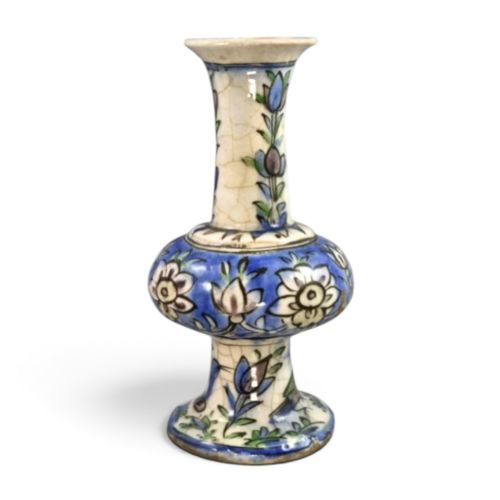
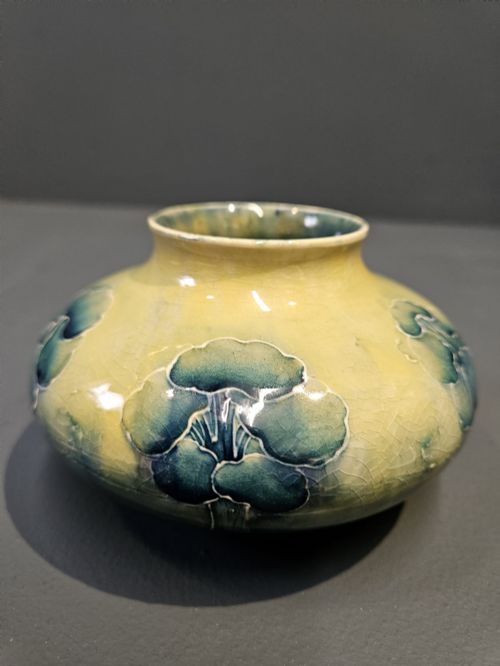
Blue glazed pottery brings rich cobalt tones to historic vessels, chargers and figures that collectors prize for their depth of colour and varied tin-glazed surfaces.
Blue Glazed Pottery
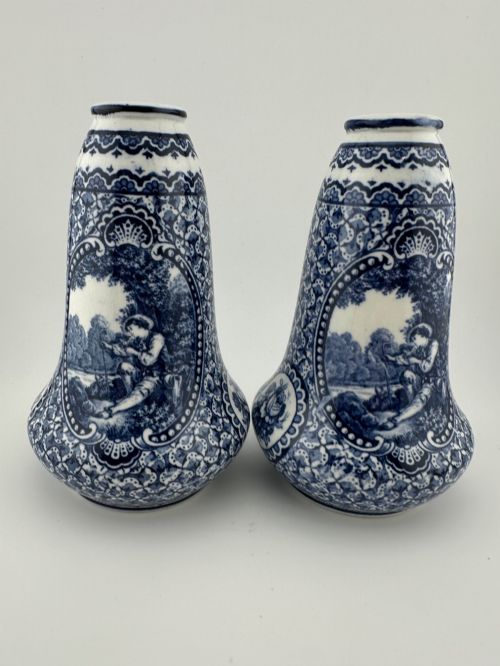
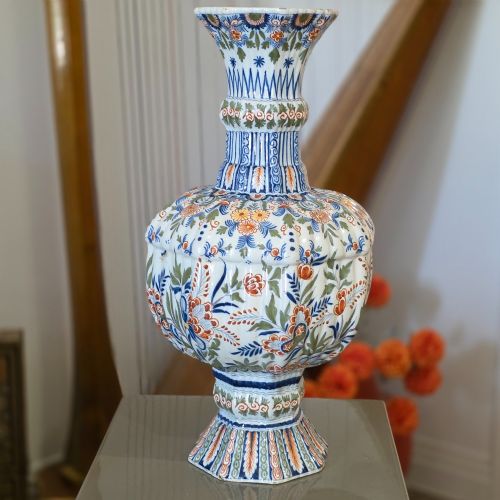
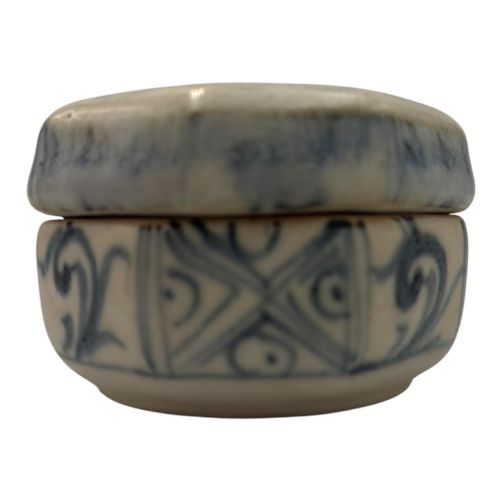
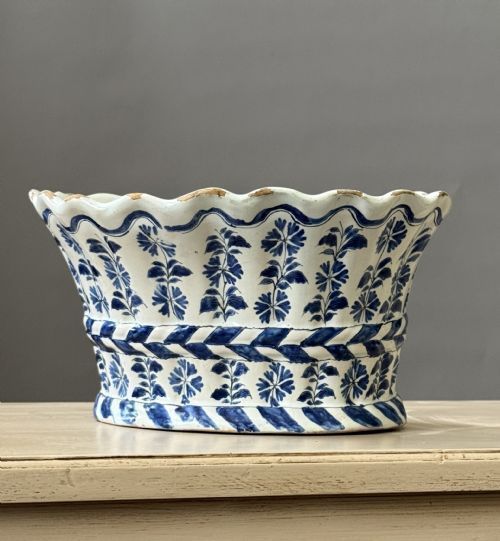
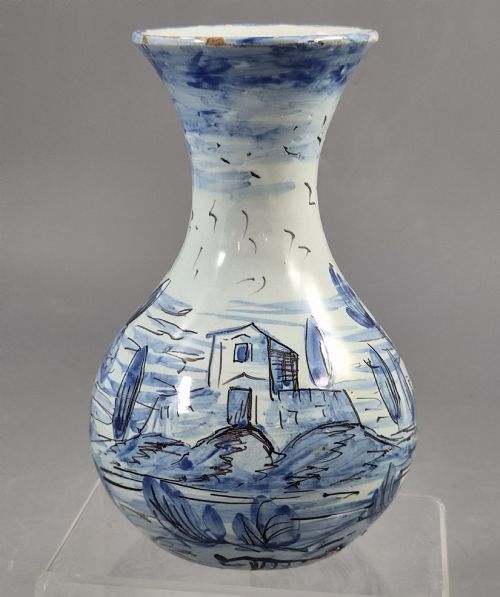
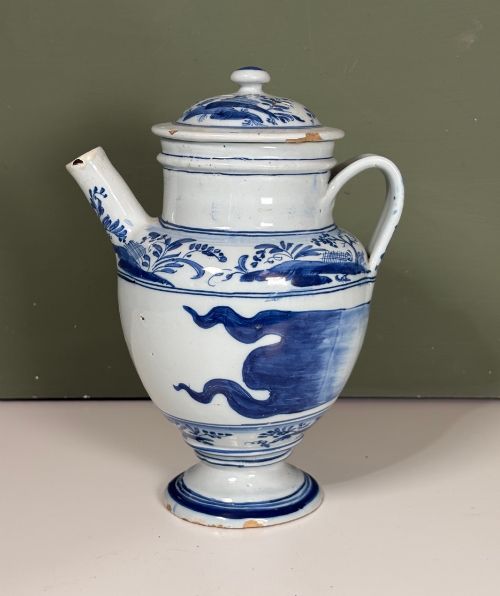
Blue glazed pottery encompasses an array of ceramic forms, spanning utilitarian jugs, apothecary jars, garden seats, and decorative figures alongside substantial chargers and vases. These pieces cross centuries of production, appearing in 17th-century Dutch Delftware, 18th-century English and continental wares, and later Victorian and 20th-century revivals.
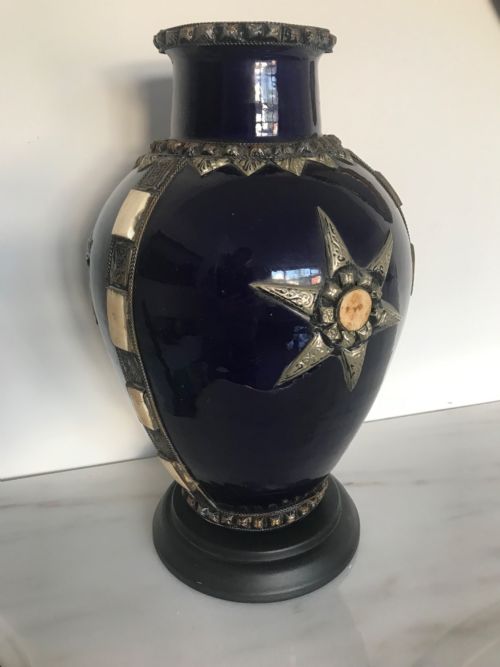
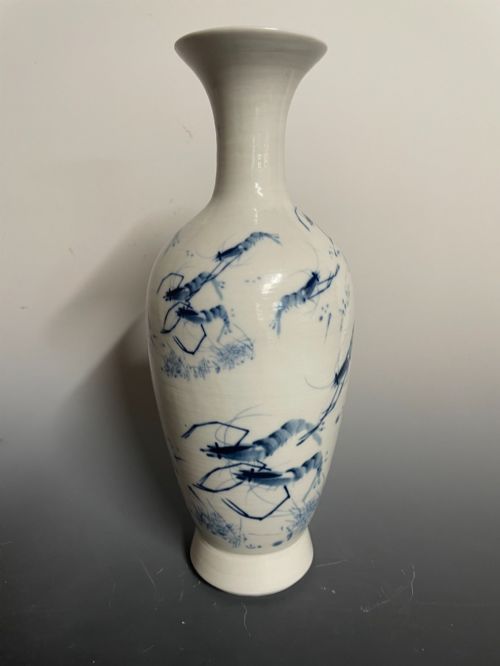
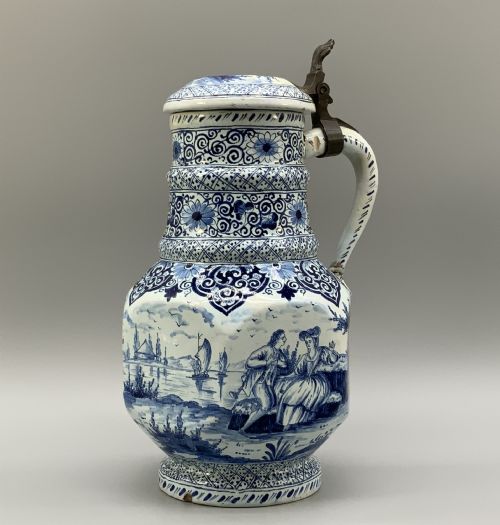
Buyers encountering this selection will frequently find earthenware, stoneware, and faience originating from English, Dutch, French, and Asian workshops. The forms range from functional puzzle jugs and posset pots to cabinet vases adorned with metal mounts or intricate painted motifs.
How they were made
Maker's workshops utilised earthenware and stoneware bodies, coating them in tin glaze, faience, or blue flambé glazes to achieve the characteristic lustrous finish. Potters then painted or incised designs directly onto the surface before firing, occasionally mounting completed ceramic bodies in pewter, silver, or bronze.
Techniques varied from the tin-glazed earthenware traditions of Delft and Desvres to the heavy incised stoneware developed by Lambeth potteries. Artisans controlled kiln temperatures to bind the rich cobalt pigments and varied glazes firmly to the ceramic substrate.
Earthenware poodles and tobacco jars prove that historic potters possessed a delightful fondness for blue-glazed canine companions.
What varies in quality
Quality rests upon the crispness of the painted or incised decoration and the stability of the glaze across the ceramic body. Pieces displaying deep, uniform cobalt absorption and confident brushwork stand apart from simpler utilitarian outputs.
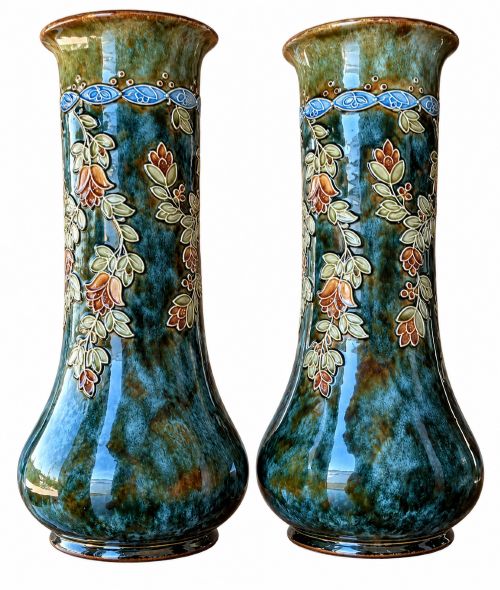
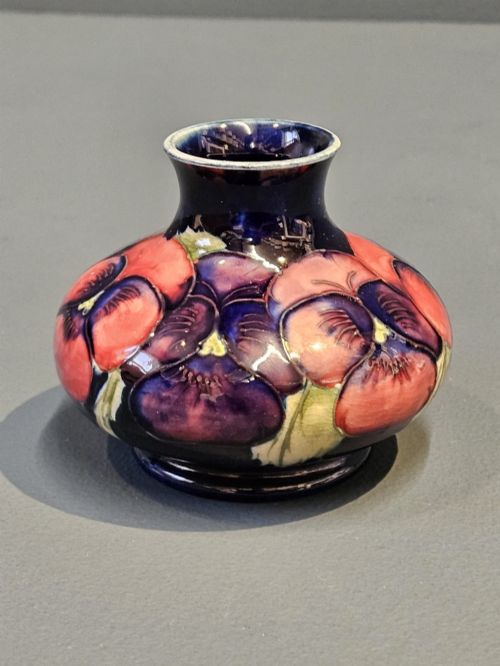
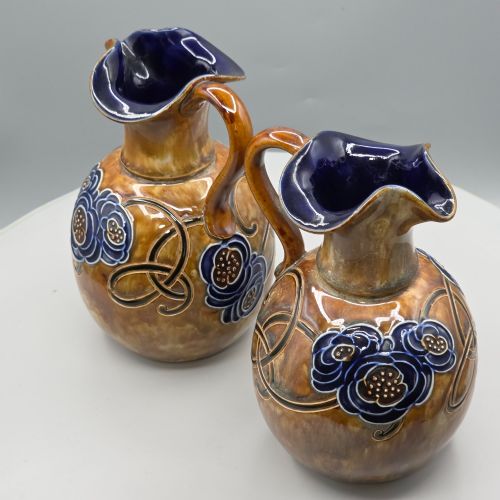
The integration of secondary materials, such as pewter lids, silver cabochons, or bronze mounts, elevates the standing of a vessel. Potteries known for specialised artistic direction, including early Doulton or Moorcroft manufactories, command attention through precise execution and distinctive styling.
Royal Doulton Lambeth·Moorcroft·Cantagalli·Fourmaintraux-Courquin Desvres·Minton
The Blue Glazed Pottery Glossary
- Tin-Glaze
- Earthenware covered with a glaze made opaque by the addition of tin oxide, providing a white background for blue painting.
- Faience
- European tin-glazed earthenware, particularly associated with French and continental pottery traditions.
- Charger
- A large decorative plate, typically hung on a wall or displayed on a sideboard rather than used for dining.
- Stoneware
- A dense, vitreous or semi-vitreous ceramic fired at high temperatures until impervious to liquid without needing a glaze, though frequently glazed.
- Maiolica
- Italian tin-glazed pottery noted for bright polychrome or blue-and-white painting, often referenced in revival styles.
Blue Glazed Pottery: Frequently Asked Questions
How do I date early blue glazed pottery?
Dating relies on examining the ceramic body, glaze characteristics, and potting techniques alongside any visible maker's marks or stamps. Earlier pieces from the seventeenth and eighteenth centuries often display heavier foot rings and characteristic tin-glaze crazing.
Later Victorian and twentieth-century examples typically feature crisper factory stamps, more uniform body composition, and distinct stylistic revivals such as Art Nouveau or Arts and Crafts motifs.
What is the difference between delft and faience?
Both terms describe tin-glazed earthenware, but delft specifically connects to the Dutch pottery tradition centred around Delft from the seventeenth century onward. Faience serves as the broader French and continental term for similar tin-glazed ceramic wares.
While the underlying technique of applying a white tin glaze and painting in cobalt blue remains identical, the regional painting styles and clay bodies distinguish one from the other.
Are these ceramic pieces waterproof?
Many historical vessels, particularly stoneware and fully glazed earthenware pieces, were designed to hold liquids safely without seeping. Items like jugs, posset pots, and vases served practical functions in period households.
Fragile tin-glazed earthenware and antique pieces with historic repairs benefit from gentle handling and caution if used to hold water for extended periods.
How should I display heavy charger plates?
Charger plates require secure, stable mounting due to their substantial weight and broad diameter. Wall display demands professional brackets designed specifically to support heavy ceramics without placing pressure on the edges.
Alternatively, placing chargers in sturdy plate stands upon deep cabinets or sideboards allows the painted surface to be viewed safely without hanging.