



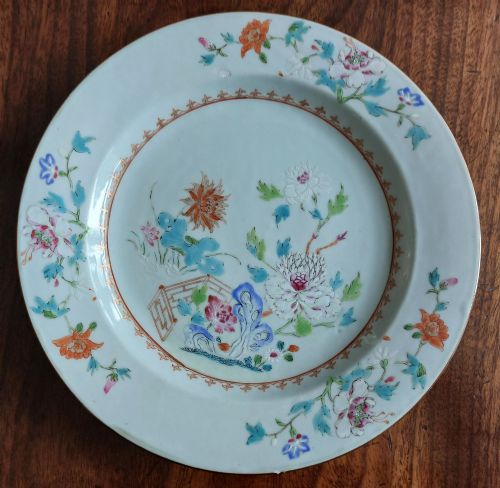
Oriental Ceramic Dish
An oriental ceramic dish brings together centuries of skilled handwork, offering decorative plates, chargers, and bowls from Chinese and Japanese traditions.
Oriental Ceramic Dish
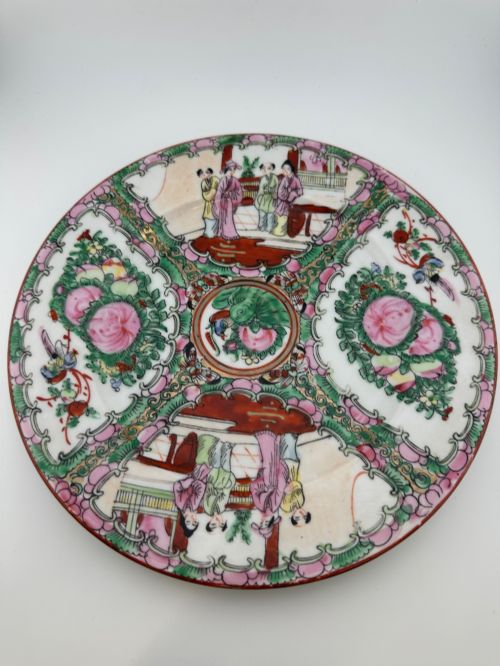
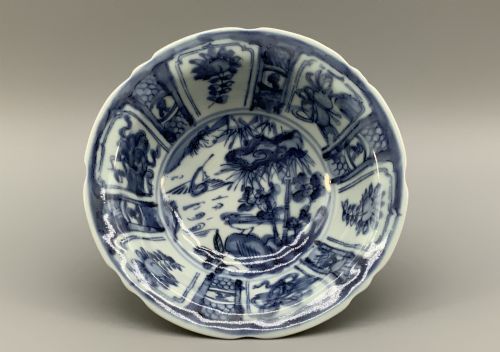
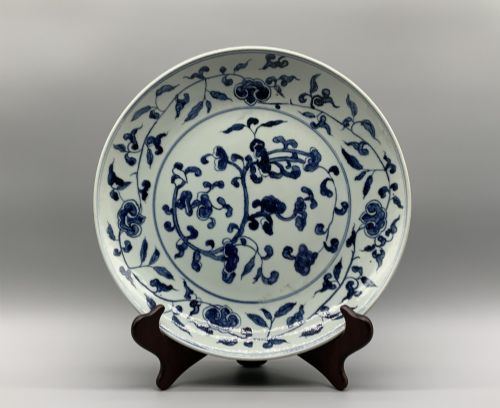
When searching for an oriental ceramic dish, collectors encounter a diverse array of decorative plates, chargers, and bowls originating from various Asian traditions and periods. These items include large chargers designed for display, deep bowls, and lobed or scalloped plates used for serving or ornamentation.
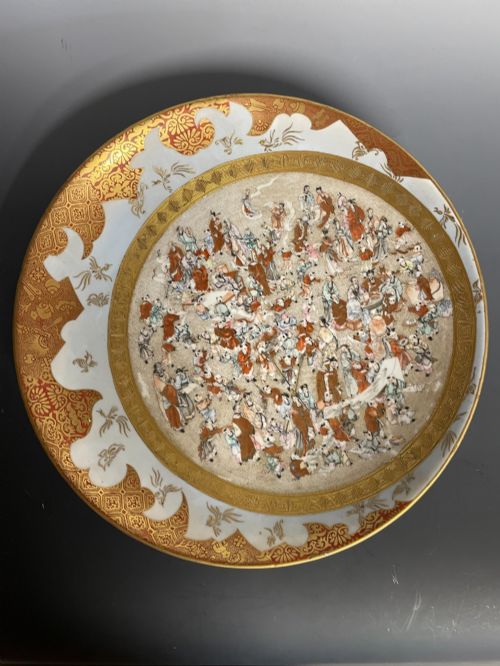
The pieces on this page span several centuries, reaching from eighteenth-century Qing Dynasty examples to nineteenth-century Victorian imports and twentieth-century Meiji or Taisho items. Chinese export wares and Japanese Imari or Satsuma pieces represent the most common styles encountered by buyers in these listings.
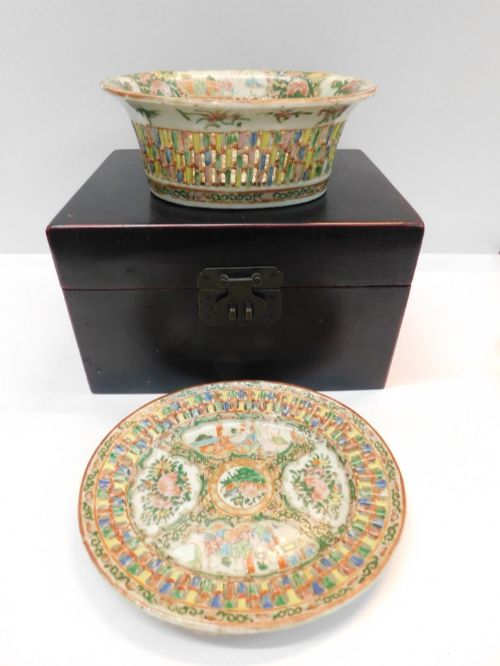
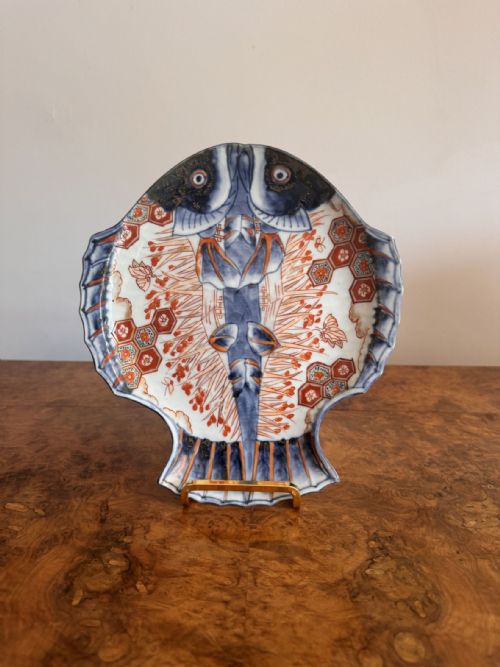
Forms vary from standard circular plates to unusual shapes like fish forms, square chamfered bowls, and reticulated chestnut baskets with stands. Each object reflects the aesthetic priorities of its period, balancing functional utility with elaborate decorative schemes.
Materials and Techniques
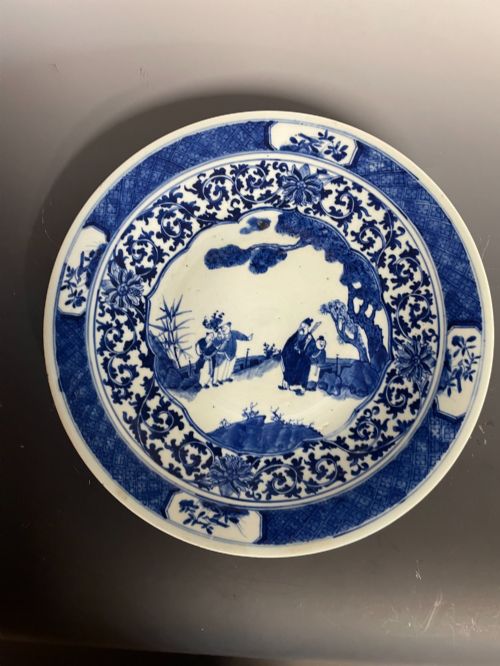
Makers utilised fine porcelain and earthenware as the foundational bodies for these dishes, shaping them on wheels or pressing them into moulds. Artisans applied cobalt underglaze, enamel colours, and gilding to create complex pictorial surfaces.
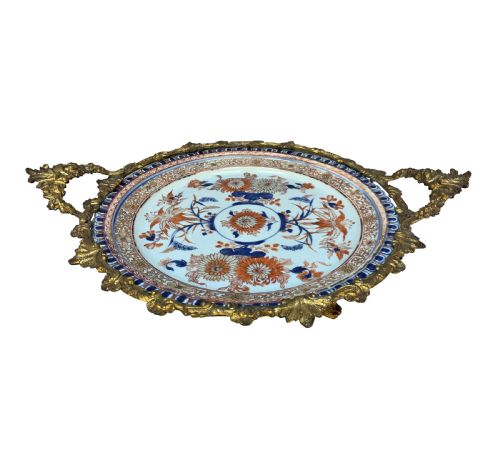
Firing techniques allowed for the integration of cobalt blue under the glaze, alongside overglaze enamels and gold leaf highlights applied in subsequent low-temperature firings. Some pieces incorporate bronze or ormolu mounts added in later European settings to elevate their status.
Several makers transformed flat plates into swimming creatures, offering ceramic dishes shaped precisely as fish.
Assessing Quality
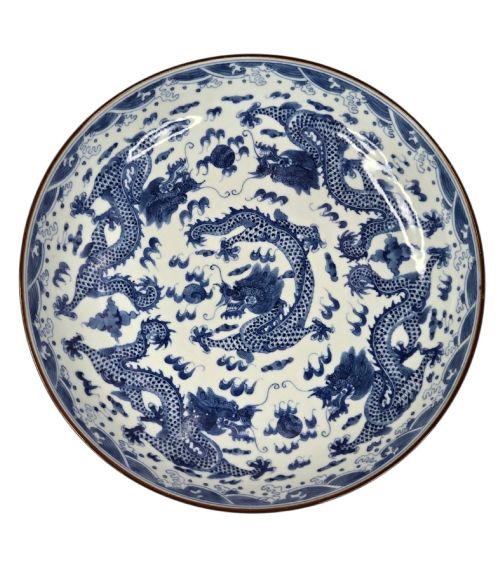
Quality in these ceramics rests upon the precision of the brushwork, the clarity of the cobalt underglaze, and the richness of the enamel and gilding work. Superior examples display crisp definition in complex motifs such as dragons, exotic birds, or floral scenes without blurring or smudging.
The fineness of the porcelain body and the regularity of form distinguish higher-grade items from standard utilitarian wares. Additionally, the crispness of moulded details like scalloped edges and reticulated pierced work indicates the skill applied during initial shaping.
Koshida·John Rogers and Son·J and R Riley
The Oriental Ceramic Dish Glossary
- Imari
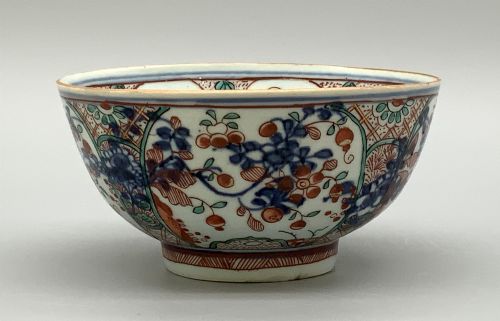
- A style of Japanese porcelain featuring a distinct palette of cobalt blue, iron red, and gold, named after the port from which the wares were exported. This decorative approach became widely copied across Europe.
- Famille Rose
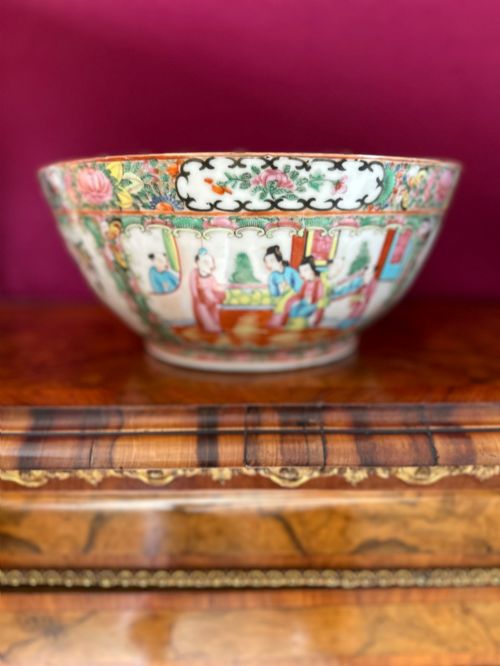
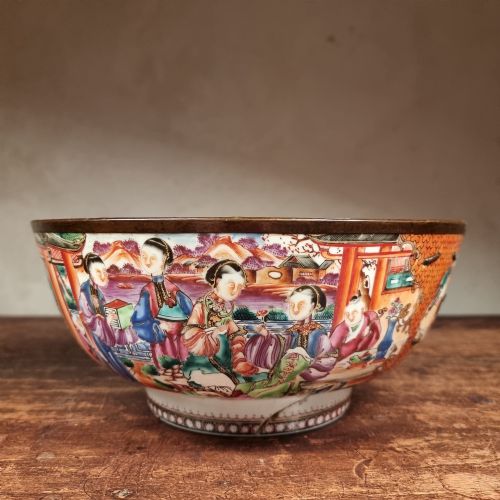
- A palette of opaque overglaze enamel colours dominated by pink or rose tones, introduced in China during the Qing Dynasty. The style allowed for nuanced shading in floral and figural depictions.
- Charger
- A large decorative plate used primarily for display on a sideboard or wall rather than for serving food at the table. These substantial pieces often showcase the finest work of a workshop.
- Reticulation
- An openwork pattern formed by cutting or piercing clay before firing to create a lace-like geometric or floral barrier. This technique requires considerable skill to prevent warping during the kiln process.
- Underglaze
- Pigment applied to the unfired ceramic body before the application of a clear glaze and the final high-temperature kiln firing. This method protects the painted design beneath a glossy vitreous layer.
Oriental Ceramic Dish: Frequently Asked Questions
What is an oriental ceramic dish?
An oriental ceramic dish encompasses plates, bowls, and chargers originating from Asian ceramic traditions, predominantly from China and Japan. These items range from utilitarian vessels to highly decorative display pieces.
They reflect centuries of refined glazing, painting, and firing techniques developed by skilled regional artisans and workshops.
How were these dishes used originally?
Many of these pieces served functional dining roles, including holding food, serving fruit, or containing condiments at elite tables. Larger chargers and decorated plates were frequently displayed on walls or sideboards to signal status.
Scholar's items, such as brush washers, served specific scholarly functions in traditional East Asian study rooms.
How do I date an antique dish?
Dating relies on examining the characteristics of the paste, the composition of the glazes, and the style of the painted decoration. Reign marks, where present, offer specific chronological indicators for Chinese pieces.
Comparative analysis with documented examples from periods like the Kangxi or Meiji eras helps confirm the likely decade of manufacture.
How do I care for antique porcelain?
Antique porcelain requires gentle handling and should be washed by hand in lukewarm water with mild soap when necessary. Avoid abrasive sponges, harsh chemical cleaners, and sudden temperature changes that might stress the glaze.
Display pieces benefit from stable placement away from high-traffic edges where accidental knocks might occur.