

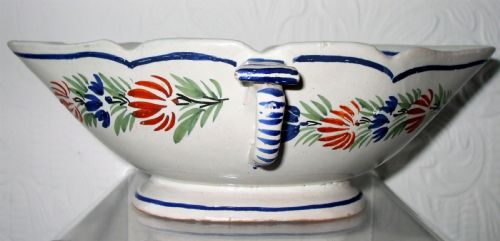
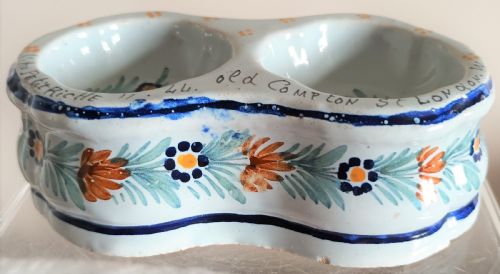
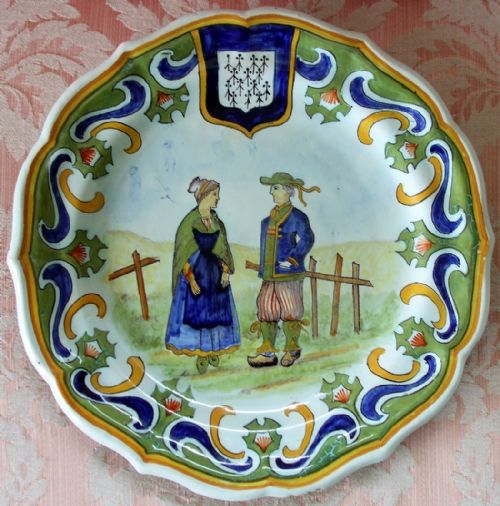
Antique Blue Glazed Dish
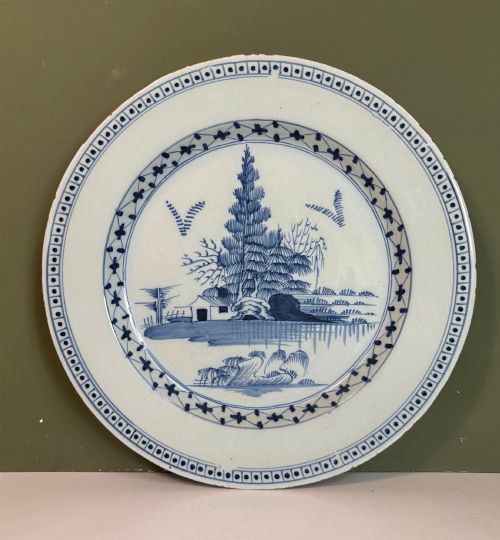
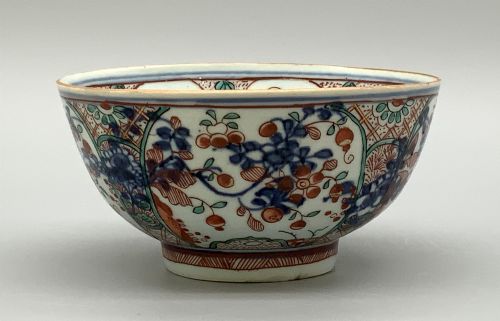
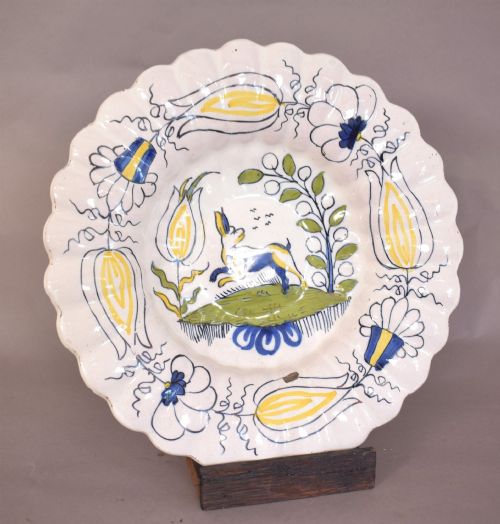
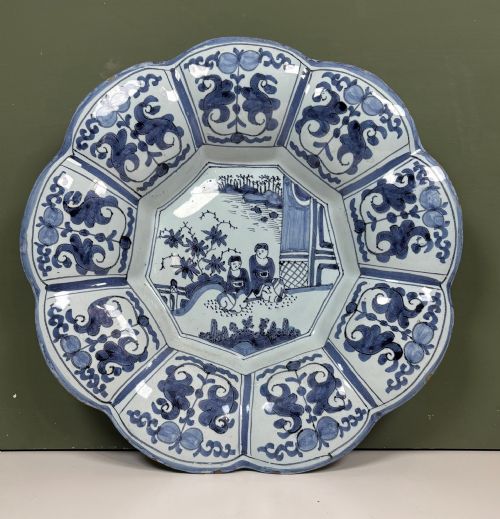
These antique blue glazed dish selections bring centuries of tin-glazed earthenware and porcelain into domestic spaces through hand-painted cobalt pigment.
Antique Blue Glazed Dish
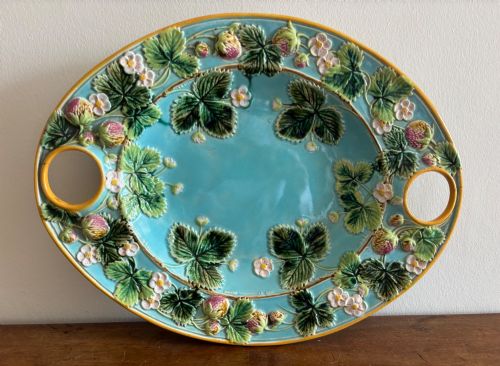
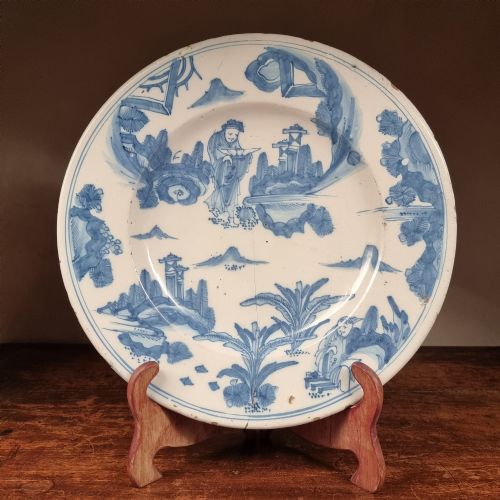
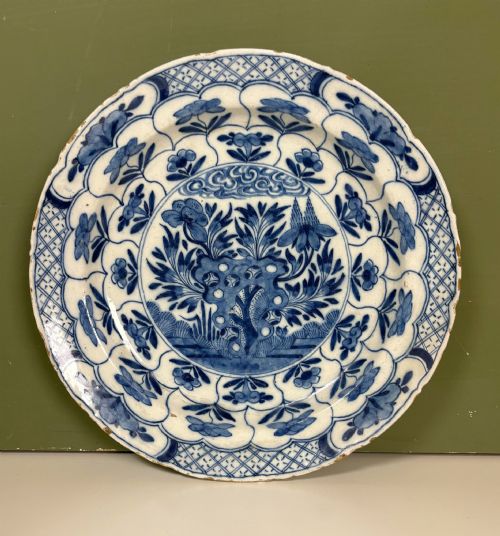
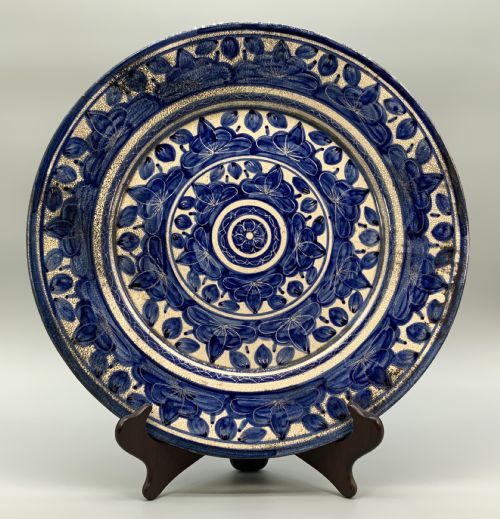
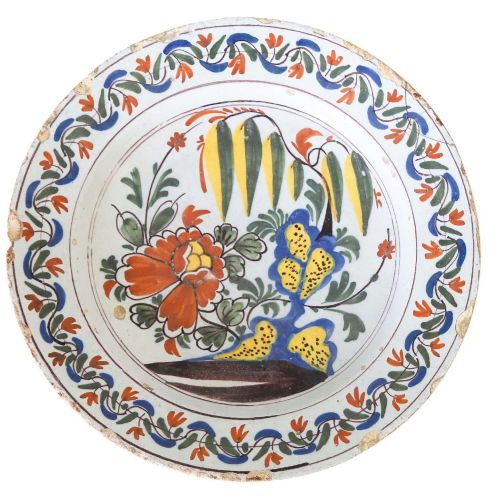
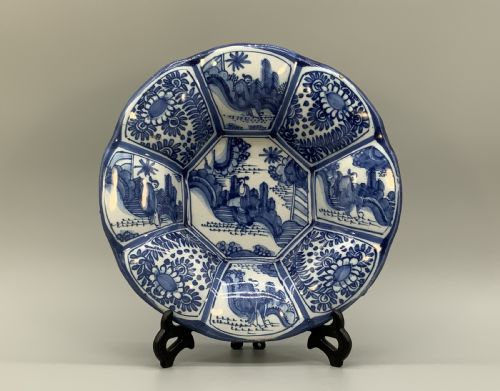
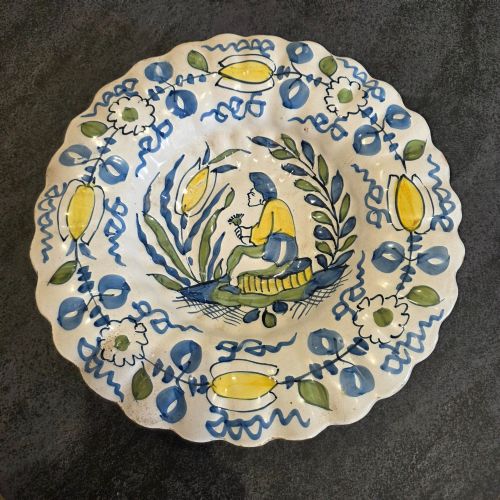
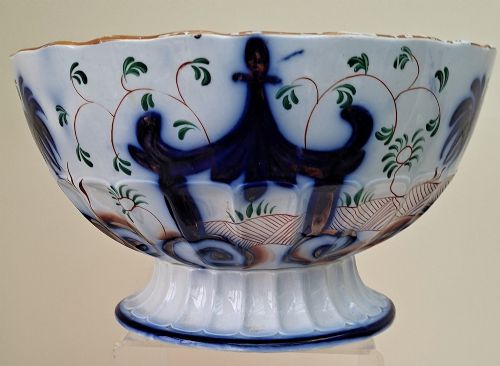
An antique blue glazed dish spans charger plates, serving dishes, decorative bowls, and salt cellars produced across the seventeenth, eighteenth, and nineteenth centuries. Buyers encounter tin-glazed earthenware, majolica, and porcelain from English, Dutch, French, and Asian workshops.
The dominant forms on this page include large chargers and shallow bowls decorated in blue and white or polychrome palettes. These pieces range from early Dutch and English delftware to continental faience and Victorian pottery.
How they were made
Potters shaped earthenware and ceramic bodies before applying an opaque tin glaze that created a smooth, white surface for brushwork. Cobalt pigment or oxide was then hand-painted directly onto the unfired or raw glaze, absorbing into the surface during kiln firing.
Porcelain variants utilised refined clay bodies fired at higher temperatures, often complemented by underglaze blue painting or overglaze gilding. Majolica and faience techniques built upon these ceramic foundations, incorporating tin glazes and coloured pigments to achieve rich pictorial scenes.
Materials span earthenware, porcelain, tin-glaze, and cobalt pigment across multiple European and Asian traditions.
What varies in quality
The dexterity of the brushwork dictates the visual strength of each piece, distinguishing hurried production from confident, fluid hand-painting. Crisp cobalt application and harmonious composition elevate individual chargers and bowls.
The purity of the tin glaze and the stability of the ceramic body during firing separate standard domestic wares from ambitious cabinet pieces. Potteries achieved different levels of opaqueness and surface gloss, which directly influence the depth of the blue pigment.
George Jones·Minton·John Ridgway·Kinkozan·Royal Doulton
The Antique Blue Glazed Dish Glossary
- Delftware
- Tin-glazed earthenware produced in the Netherlands and England, typically featuring white tin enamel painted with cobalt blue. This tin-glazed ceramic tradition imitates Chinese porcelain styles.
- Charger
- A large decorative plate or shallow dish intended for display on tables or walls rather than standard dining use. These substantial earthenware pieces often showcase elaborate painted scenes.
- Tin-Glaze
- An opaque ceramic glaze containing tin oxide that turns white and glossy in the kiln. It provides a bright background for hand-painted cobalt pigments.
- Kraak Style
- Chinese porcelain decoration characterised by panelled borders and central motifs of flowers, birds, or landscapes. European potteries frequently copied these designs during the seventeenth century.
- Polychrome
- Decoration employing multiple colours alongside cobalt blue, such as iron red, yellow, and green. Painters applied these pigments over or under the glaze before firing.
Antique Blue Glazed Dish: Frequently Asked Questions
Can I hang an antique charger on the wall?
Wall display is a traditional method for showcasing large chargers and decorative plates. Utilise coated wire hangers that distribute weight evenly across the rim without exerting pressure on a single point.
Ensure the wall mount is secure and kept away from direct sunlight or heavy heat sources. This prevents thermal stress on the antique ceramic material over time.
What is the difference between delft and faience?
Delft specifically refers to tin-glazed earthenware made in the Netherlands or England. The term carries a strong association with blue and white Dutch pottery traditions.
Faience is the broader continental European term for tin-glazed earthenware produced in France, Spain, and Italy. Both employ similar ceramic techniques and cobalt painting methods.
Why do some blue glazed dishes have crazing?
Crazing appears as a fine network of microscopic cracks across the glaze layer caused by tension differences between the clay body and the surface glass. This natural ageing process occurs on earthenware as the ceramic contracts over centuries.
Stable crazing is normal for antique tin-glazed pieces and does not necessarily diminish historical interest. It simply records the long physical history of the object.