


Vintage Chinese Vessel
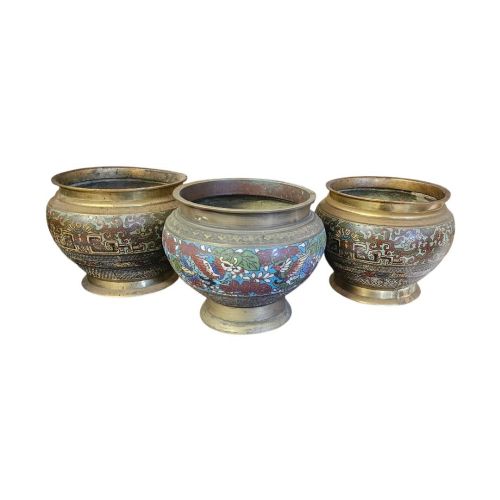
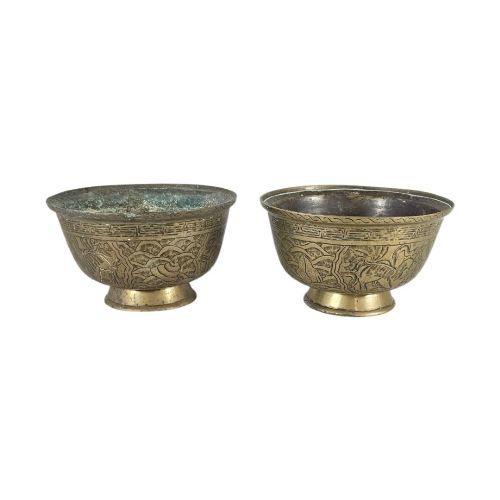
These vintage chinese vessel selections span bronze, porcelain and cloisonne from the late nineteenth and twentieth centuries, bringing centuries of decorative craft to the table or desk.
Vintage Chinese Vessel
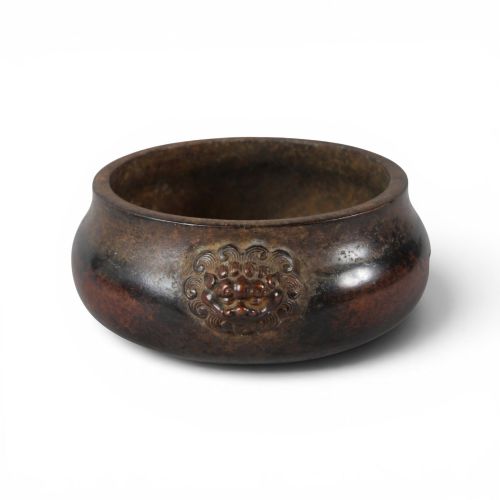
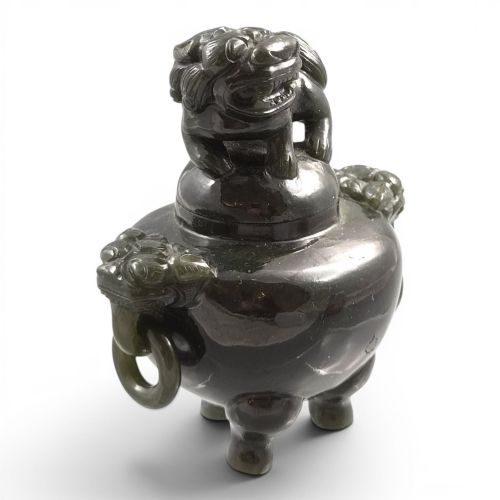
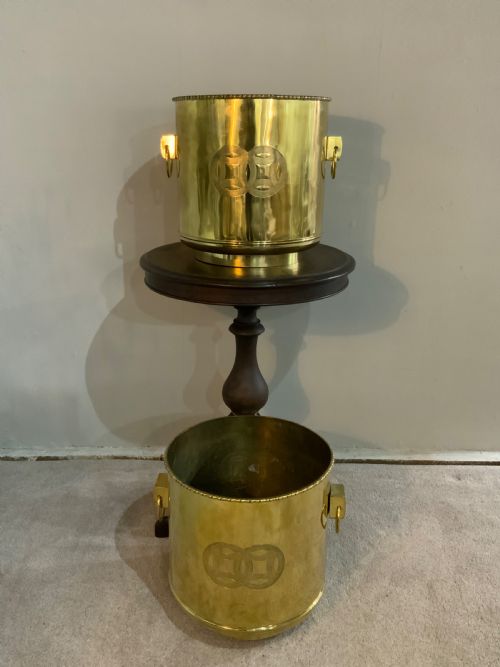
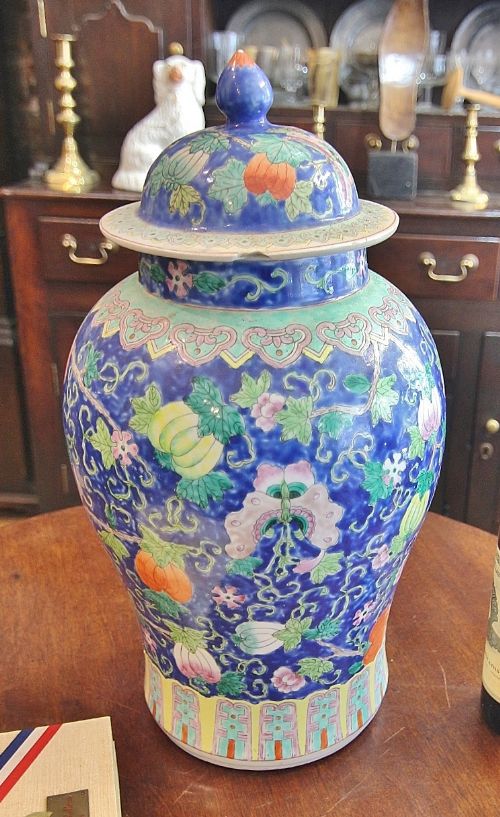
A vintage chinese vessel takes many functional and decorative shapes across this selection, from bronze jardiniers and tripod censers to porcelain ginger jars, snuff bottles and table lamps. The most common examples date from the late nineteenth century through the early twentieth century, reflecting the Qing Dynasty and Chinese Republic periods.
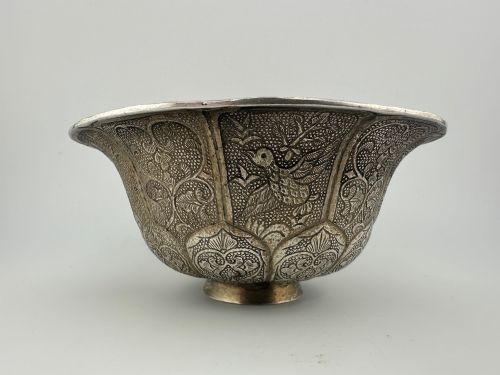
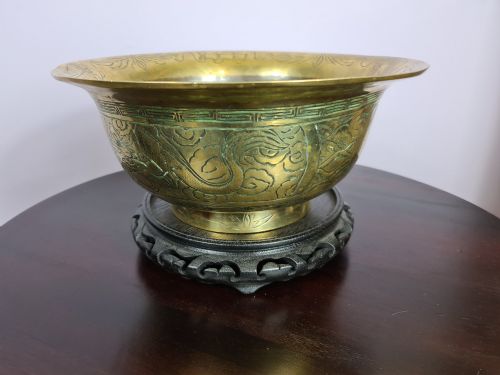
Scholar's desk accessories and decorative bowls sit alongside tall vases and tea pots. Each object carries specific traditional motifs like birds, lotus plants, Qilin finials and dragons, mapping out a rich tradition of craftsmanship that endures in these pieces.
Materials and construction
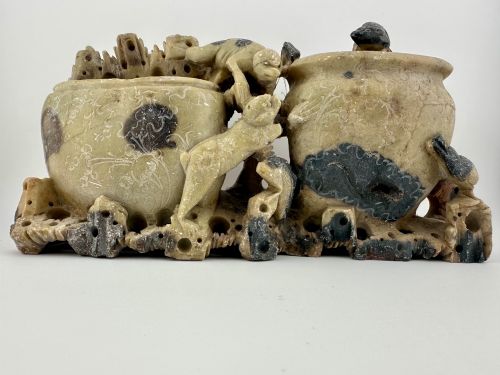
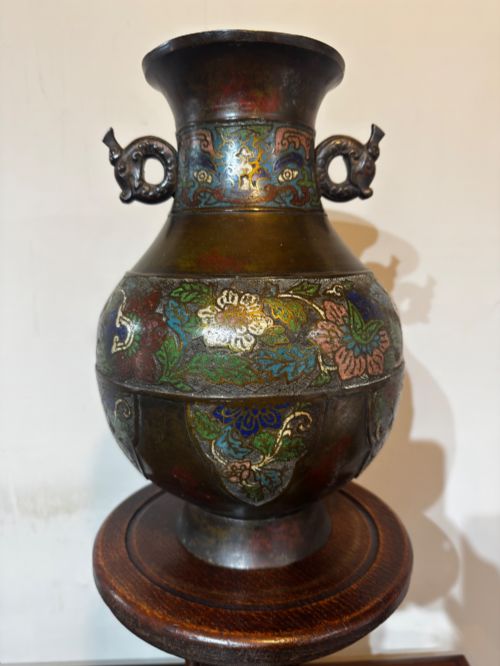
Makers shaped these items from heavy bronze, polished brass, and white metal, often enriching the surfaces with champleve or cloisonne enamel work in intricate patterns. Carved soapstone, cinnabar lacquer, carved elm, and blue and white porcelain provide alternative textures.
Techniques relied on skilled metalcasting, hand-carving, and detailed enamel application. Many bronze and brass pieces involve tripod designs, applied handles, and incised or relief decorations that require precise metalworking.
Materials across these listings include bronze, porcelain, soapstone, brass, enamel, copper, wood, and silver from the nineteenth and twentieth centuries.
Evaluating craftsmanship
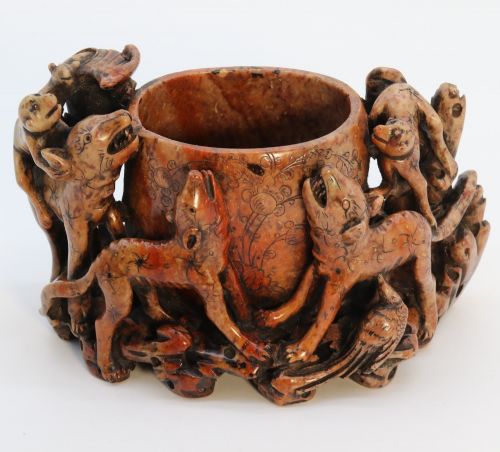
Quality rests upon the crispness of the casting, the depth and weight of the metal, and the precision of the enamel work. Finer items display meticulous control in their carved details, such as the feathered relief on soapstone brush washers or the fine lines of cloisonne wires.
The integration of decorative elements like jade rims, gilt metal accents, and substantial bases separates standard production from superior examples. Weight and substance also signal better manufacture, particularly in bronze censers and jardiniers.
The Vintage Chinese Vessel Glossary
- Cloisonne
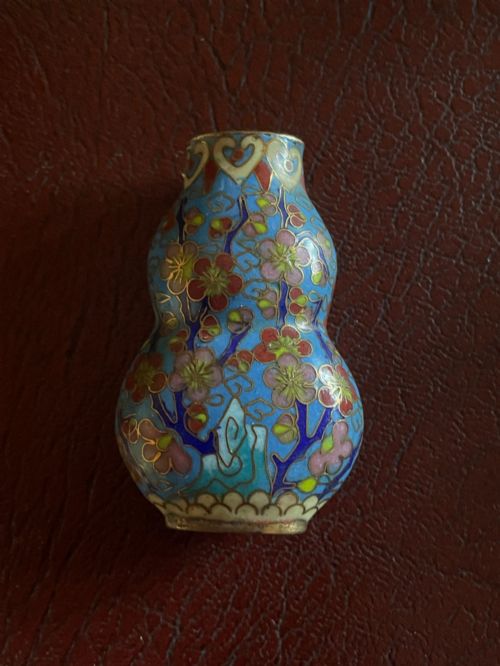
- Enamelwork created by soldering metal wire onto a metal base to form compartments filled with paste and fired. This technique produces vibrant coloured patterns across vases and bowls.
- Censer
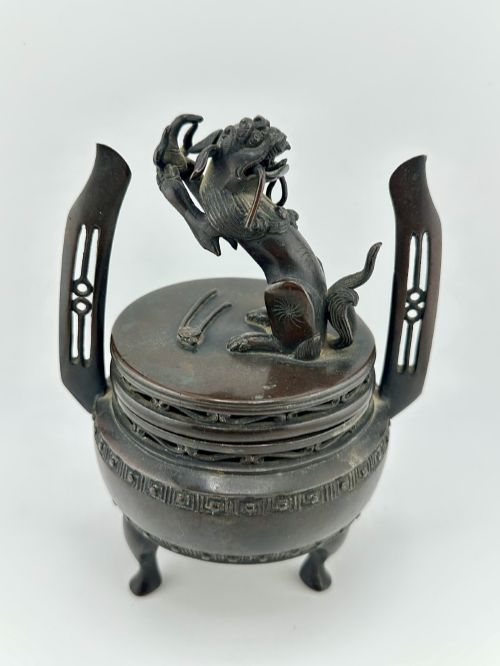
- A vessel designed for burning incense during rituals or for fragrance. Tripod censers stand on three feet and often feature fitted covers with figurative finials.
- Jandiniere
- A large ornamental pot or container intended for holding plants or flowers. These items appear in heavy bronze, brass and enamel.
- Famille rose
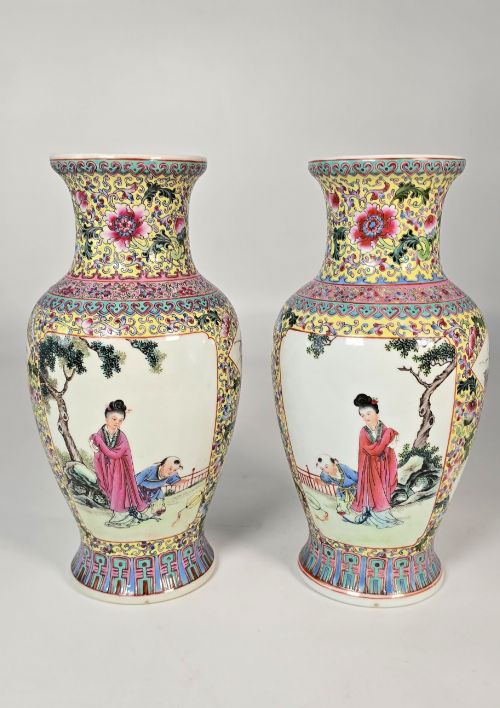
- A palette of opaque enamel colours dominated by pink or rose, introduced during the Qing Dynasty. This style adorns porcelain vases and teapots.
- Soapstone
- A talc-schist mineral soft enough to carve into intricate scholarly objects like brush washers and pots. It yields a smooth, soapy texture when polished.
Vintage Chinese Vessel: Frequently Asked Questions
What is a Chinese tripod censer?
A tripod censer is an incense burner supported by three legs, frequently cast in bronze or brass with a fitted cover.
Historically, scholars and households used these vessels for burning aromatic incense during meditation or study, and many incorporate symbolic animal finials.
How do I care for cloisonne enamel?
Cloisonne enamel requires gentle dusting with a soft, dry cloth to protect the delicate metal wires and vitreous paste.
Avoid using harsh chemical cleaners or abrasive materials that can scratch the smooth glazed surface of the vessel.
What defines the Chinese Republic period?
The Chinese Republic period spans from nineteen twelve to nineteen forty-nine, following the end of the Qing Dynasty.
Pieces from this era often show a continuation of traditional porcelain and bronze forms alongside modern stylistic influences.