




Blue Glaze Bowl
When you search for a blue glaze bowl, you encounter centuries of ceramic artistry spanning from delicate Chinese porcelain to robust European earthenware.
Blue Glaze Bowl
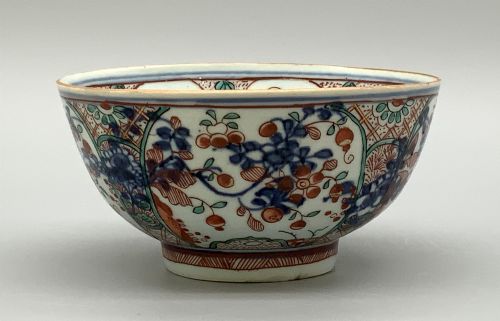
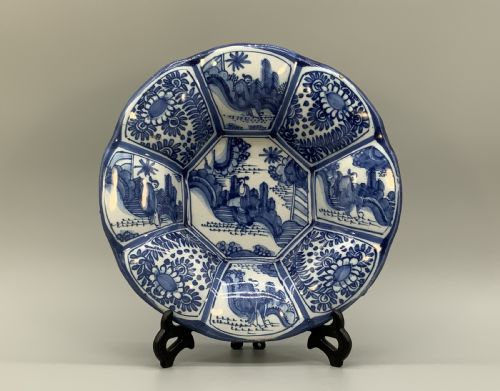
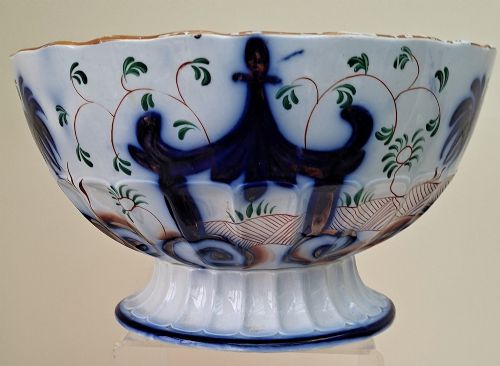
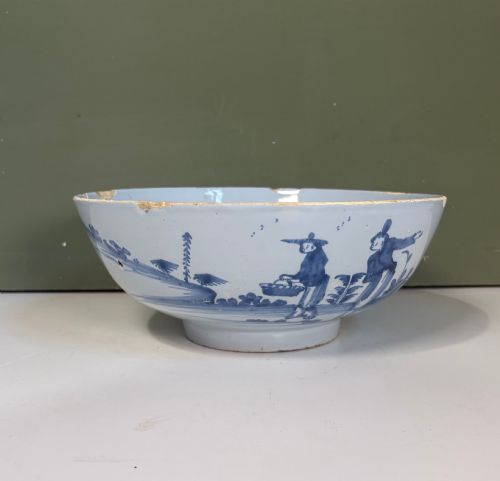
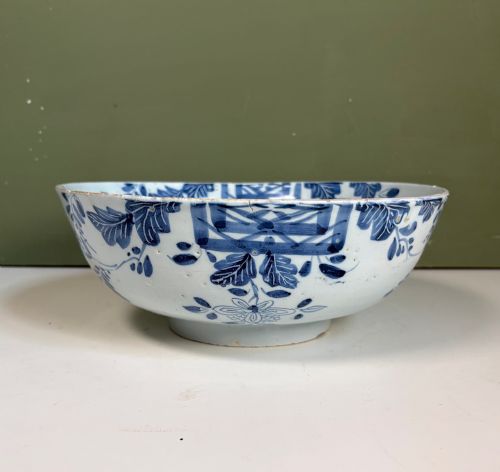
A blue glaze bowl encompasses a wide array of domestic and decorative vessels defined by their cobalt and blue vitreous coatings. You will find forms ranging from 18th-century Dutch Delftware and Chinese porcelain to Victorian footed pottery and Art Deco powder boxes.
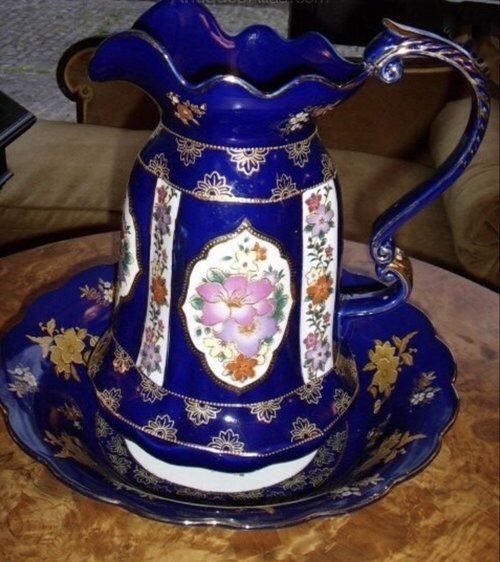
The selection on this page leans heavily toward 18th-century Delft bowls and 1930s decorative ceramics, alongside Victorian washstand sets and oriental export wares. These pieces serve both utilitarian and display purposes, capturing historical shifts in design from traditional Chinoiserie to Art Nouveau and Art Deco motifs.
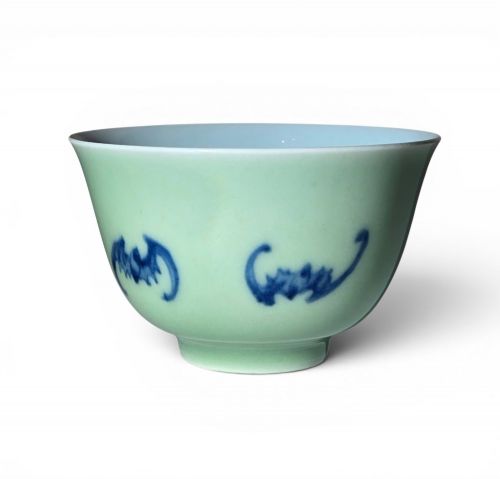
Originating from diverse potteries across Britain, Europe, and Asia, these vessels demonstrate how potters utilised blue glazes over earthenware, stoneware, and porcelain bodies. Each period brings a distinct character, whether it is the tin glaze of early earthenware or the hard paste of Chinese porcelain.
How they were made
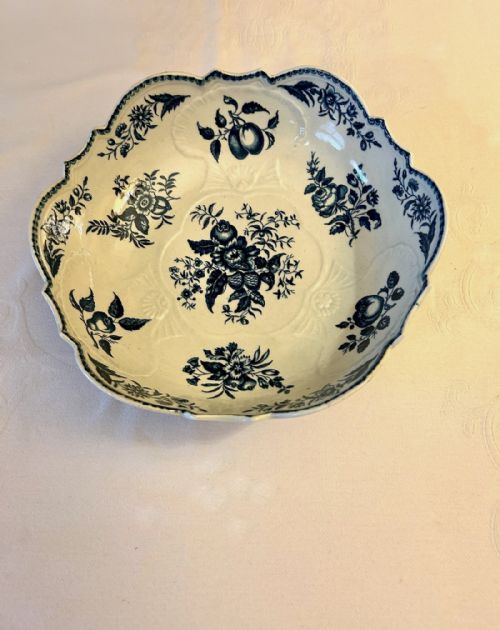
Makers utilised various ceramic bodies, applying tin glaze, cobalt glaze, or pearl glaze to porcelain, earthenware, and stoneware surfaces. Chinese and European porcelain pieces often incorporated underglaze blue painting before a final transparent coat was fired at high temperatures.
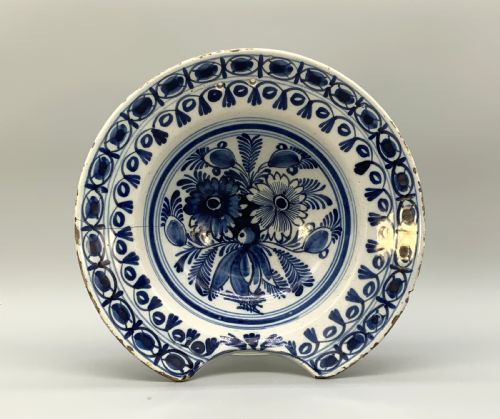
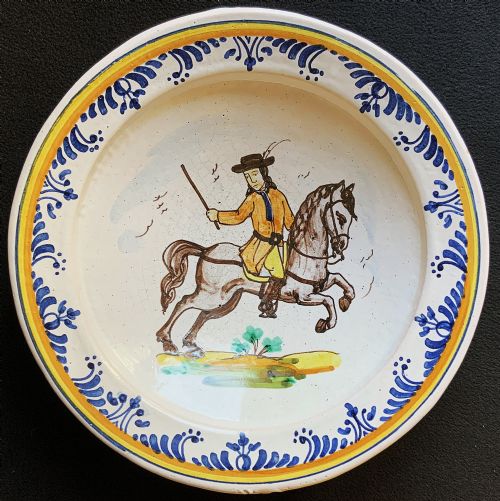
Earthenware examples, such as Delftware and Faience, relied on an opaque tin-glaze layer that provided a white background for hand-painted blue pigments. Later 20th-century pieces introduced lustre techniques and gold leaf accents over rich ceramic glazes.
Powder boxes from the 1930s often feature mischievous half-doll flapper figures peering out from beneath their ceramic lids.
What varies in quality
The distinction between tiers rests upon the precision of the hand-painted brushwork and the clarity of the blue pigment against the background glaze. Finer examples display deliberate, fluid designs with deep cobalt saturation, whereas simpler vessels show hurried application or standard transfer printing.
The stability of the ceramic body and the smoothness of the glaze coat dictate the overall preservation and refinement of the piece. Superior specimens maintain intact lustre and crisp painted details without extensive glaze pooling or structural firing faults.
Doulton Lambeth·Kinkozan Kyoto·Wedgwood·Moorcroft·Gien Faience·Limoges
The Blue Glaze Bowl Glossary
- Tin-Glaze
- A pottery glaze made opaque by the addition of tin oxide, creating a white surface suitable for painted blue decoration. This technique is typical of traditional Delftware.
- Underglaze Blue
- Pigment applied directly to the unglazed ceramic body before the glaze and final firing, protecting the blue design beneath a glassy layer.
- Lustre
- A type of ceramic glaze that imparts a metallic or iridescent sheen through the application of metallic films during a specialised low-temperature firing.
- Chinoiserie
- European decorative style reflecting Chinese artistic influences, frequently seen in blue and white ceramics depicting pagodas and landscapes.
- Faience
- European tin-glazed earthenware, particularly associated with French and Spanish production centres mirroring oriental porcelain forms.
Blue Glaze Bowl: Frequently Asked Questions
How do I care for a ceramic bowl?
Keep these vessels away from harsh abrasives and wash them gently by hand in warm water when cleaning is necessary. Sudden temperature changes can stress historical glazes.
Display them securely on stable surfaces out of direct, prolonged sunlight to preserve the richness of the blue pigments and any delicate gold leaf details.
Were these bowls used daily?
Many earthenware and porcelain vessels served practical domestic roles, from mixing food and washing to holding powder on dressing tables. Barber's bowls and washstand sets were functional items designed for personal grooming.
Other examples, such as large charger plates and decorative centrepieces, were intended primarily for visual display within the home.
How do I distinguish Delftware from porcelain?
Delftware utilises a softer earthenware body covered in an opaque tin glaze that can sometimes chip at the rims to reveal the buff clay underneath. It tends to feel heavier and slightly more porous.
Porcelain is a vitrified, dense ceramic material that rings when gently tapped and remains completely impervious to liquid even where unglazed.
What is the significance of Chinese marks?
Marks on the base of oriental ceramics often indicate the reigning emperor's period, such as the Kangxi or Qianlong eras, serving as a reference to the style and era of production. Potters sometimes used these reign marks as a tribute rather than a strict guarantee of exact date.
Examining the potting technique alongside the mark helps determine the true age and origin of the piece.