
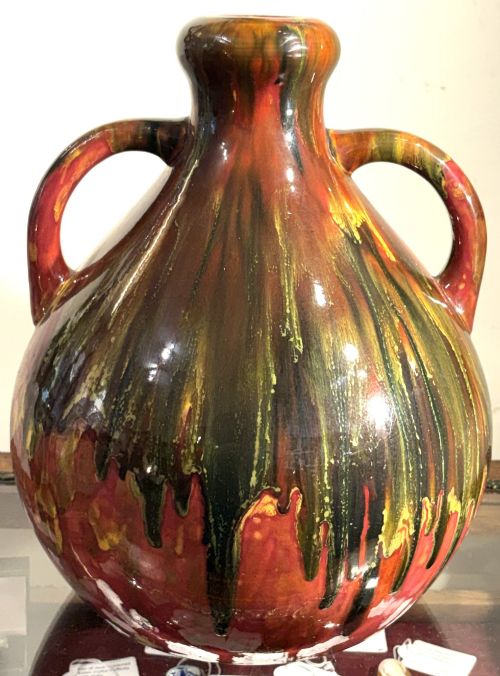
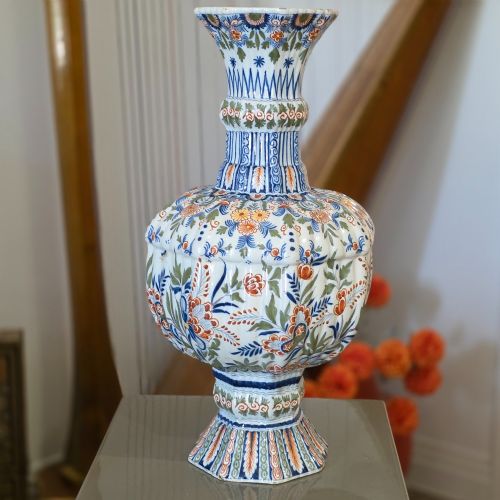
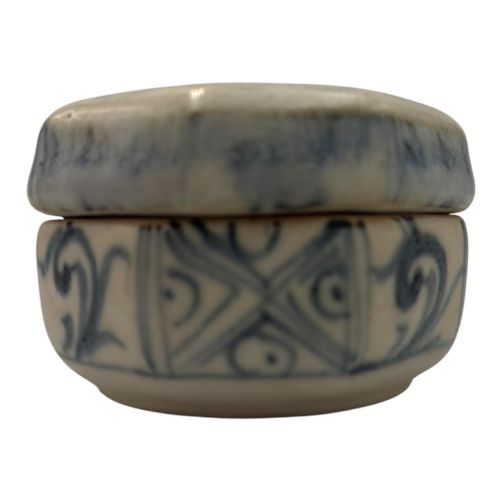
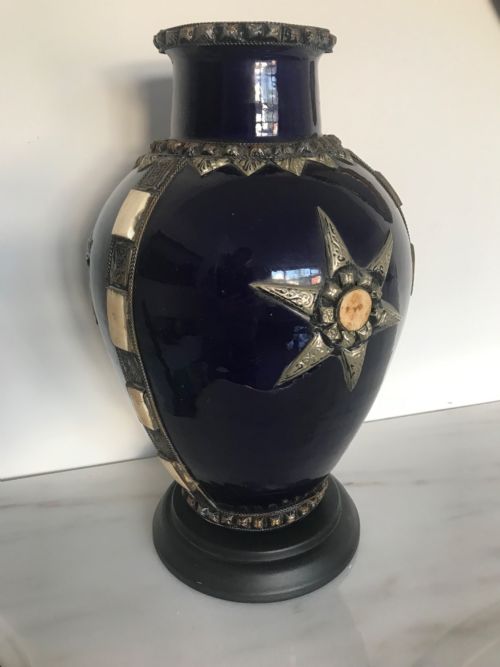
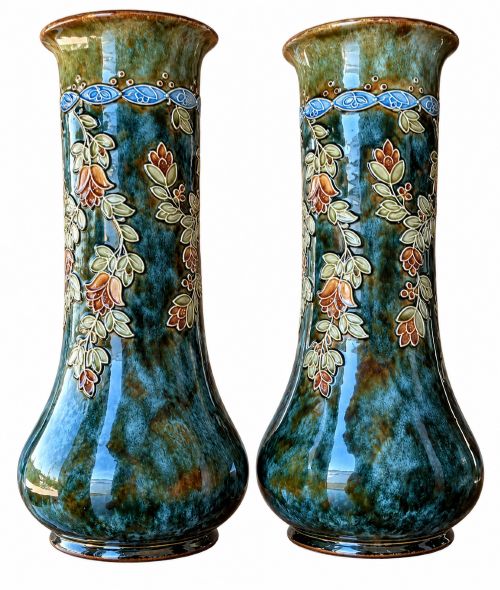
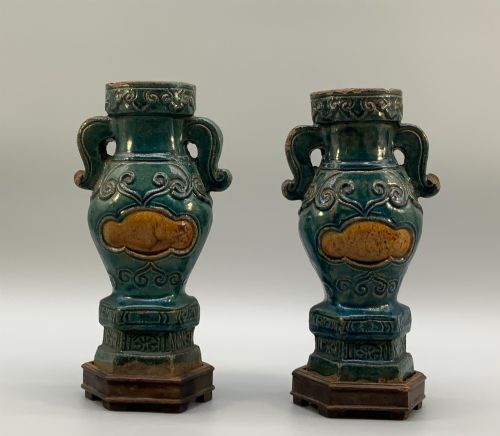
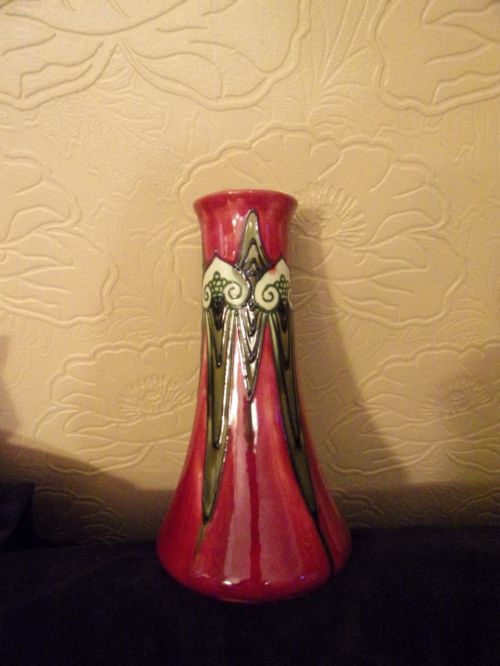
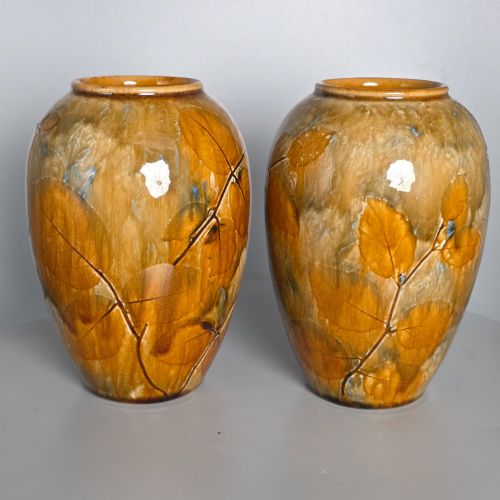
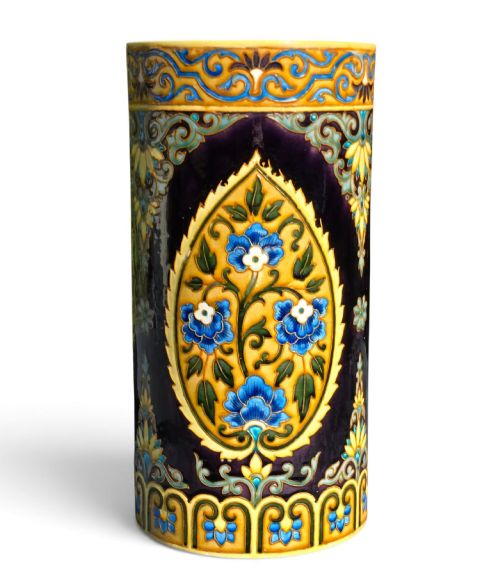
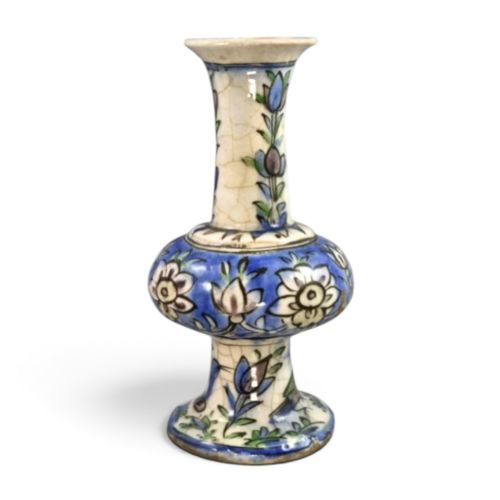
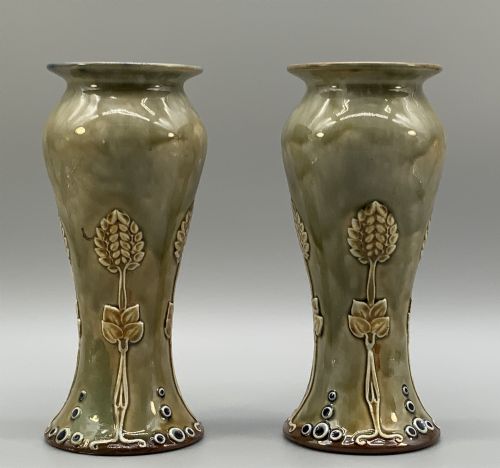
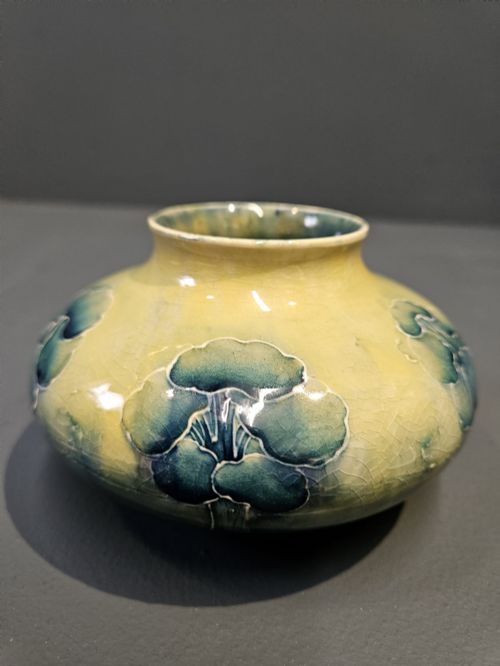
Glazed Ceramic Vessel
When you search for a glazed ceramic vessel, you enter a field spanning centuries of earthenware, stoneware, and porcelain designed to hold liquids, flowers, or dry goods.
Glazed Ceramic Vessel
A glazed ceramic vessel covers functional forms and decorative items alike, ranging from utilitarian storage crocks and apothecary jars to ornamental vases and incense burners. You will encounter pieces spanning from the seventeenth century through the early twentieth century, drawing on European studio pottery, Asian dynasties, and domestic English wares.
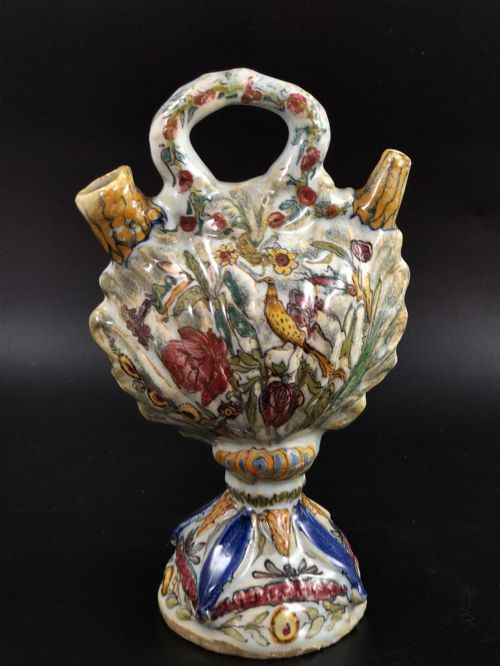
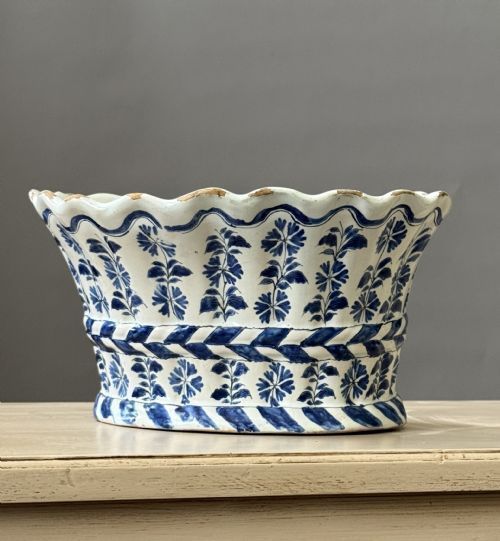
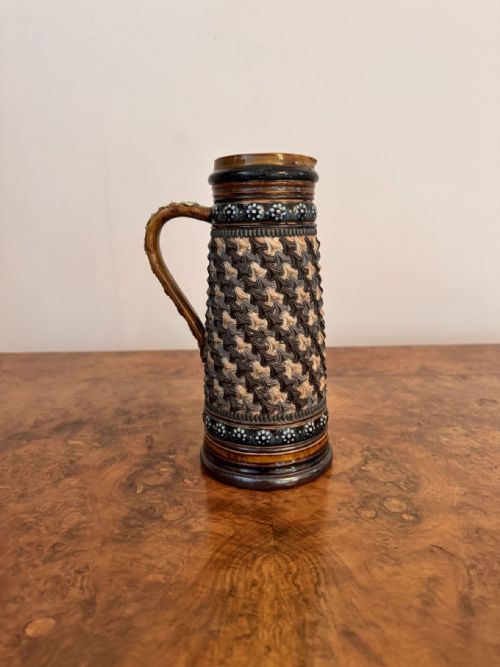
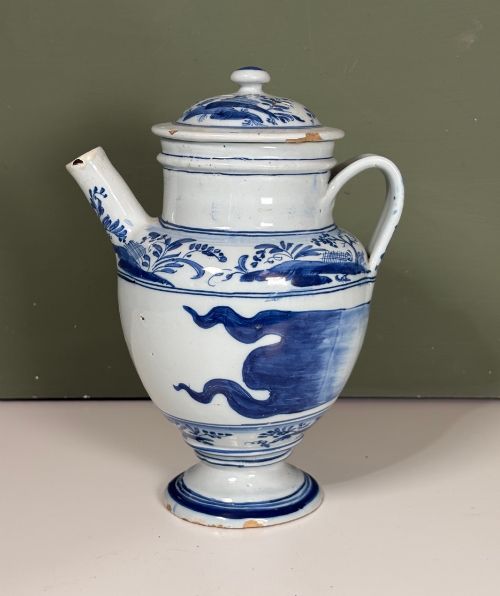
The selection on this page includes diverse functional shapes such as pitchers, pilgrim flasks, bough pots, and umbrella stands. These objects reflect both everyday domestic utility and high-status artistic production across various global traditions.
How they were made
Potters shaped these bodies from earthenware, terracotta, stoneware, and porcelain, applying glazes such as tin glaze, salt glaze, and polychrome enamels. Techniques involve throwing on the wheel, moulding, and applying hand-painted or tube-lined surface designs before high-temperature firing.
Many items incorporate decorative finishes like silver mounts, metallic lustre, or applied cabochons. Workshops utilised specialised kilns and local clays to achieve distinct surface textures and colour depths characteristic of their period.
Object forms range from utilitarian dairy salting crocks and apothecary jars to decorative umbrella stands, bough pots, and puzzle jugs.
What varies in quality
Quality rests in the crispness of the modelled form, the stability and depth of the glaze, and the precision of any hand-painted or incised decoration. Pieces from established potteries or documented makers often display superior control over firing temperatures and pigment purity.
The artistic ambition of the design, whether an intricate Art Nouveau tube-lined pattern or a finely potted Chinese celadon tripod censer, dictates the standing of the piece within its specific tradition.
Royal Doulton·Doulton Lambeth·Minton·Moorcroft·Théodore Deck·Burmantoft's Pottery·Boch Freres
The Glazed Ceramic Vessel Glossary
- Earthenware
- Porous pottery fired at relatively low temperatures that requires a glaze to become impermeable to liquids. It forms the body for much traditional folk pottery and majolica.
- Stoneware
- A dense, vitreous or semi-vitreous ceramic fired at high temperatures until the body is non-porous. It is robust and frequently found in utilitarian storage vessels and Victorian art pottery.
- Tin Glaze
- An opaque white glaze containing tin oxide, providing a smooth background for painted decoration on wares such as delftware and majolica. It mimics the appearance of imported porcelain.
- Tube-lining
- A decorative technique where lines of clay slip are squeezed from a bulb through a nozzle onto the vessel surface to create raised outlines for enamel colours. This method defines many Arts and Crafts and Art Nouveau ceramics.
- Celadon
- A pale green jade-like glaze achieved through an iron-pigment reduction firing, heavily prized in East Asian ceramics. Longquan kilns famously produced these thick, translucent surfaces.
- Polychrome
- Decoration utilising multiple distinct colours painted onto the ceramic body or glaze. It appears across various periods from Italian majolica to Persian tiles and Victorian jugs.
Glazed Ceramic Vessel: Frequently Asked Questions
Can I use these vessels for fresh flowers?
Many historical vessels, such as vases and jugs, were made to hold water and function perfectly well for floral displays today. However, check the interior for hairline cracks or unglazed porous areas that might seep moisture onto furniture.
Use a small glass or plastic insert inside delicate or valuable antique vases to protect the historical body from water damage and mineral deposits.
How do I tell earthenware from stoneware?
Earthenware has a porous, coarser body that is fired at lower temperatures and usually requires a complete glaze to hold liquids. It tends to feel slightly lighter and chips more readily.
Stoneware is fired at much higher temperatures until the clay vitrifies, making it dense, heavy, and naturally watertight even without glaze. It rings slightly when tapped gently.
What is the difference between delft and majolica?
Delft generally refers to tin-glazed earthenware produced in the Netherlands and England, typically featuring blue and white painting inspired by imported Chinese porcelain. The style dates prominently from the seventeenth and eighteenth centuries.
Majolica describes tinned earthenware with a rich history in Italy and later Victorian revivals, known for vibrant polychrome glazes and sculptural forms. Both share a tin-oxide opaque white base coat.