





Covered Baluster Vase
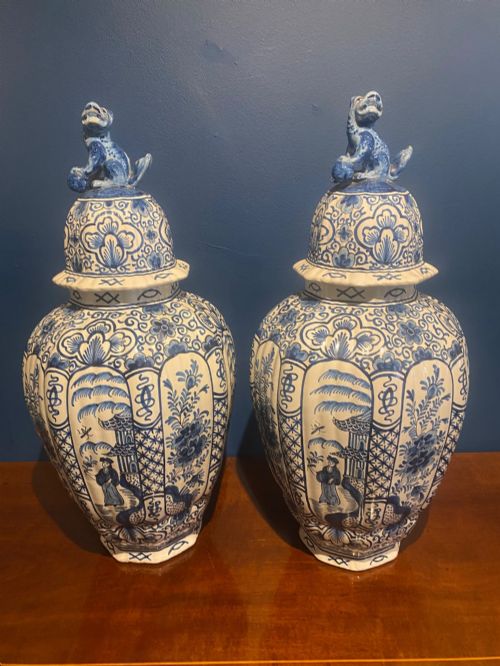
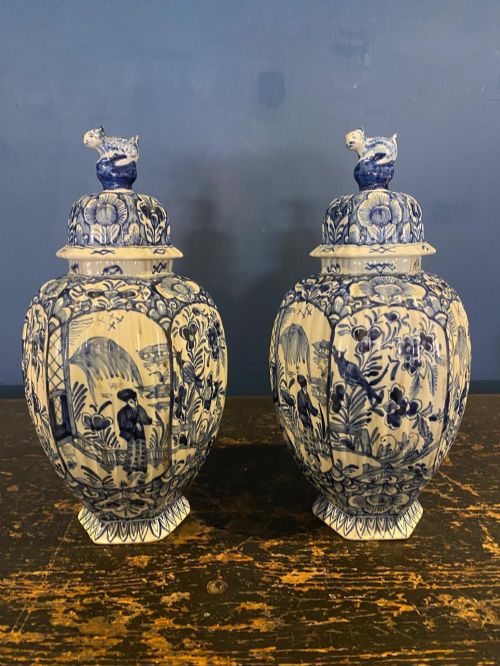
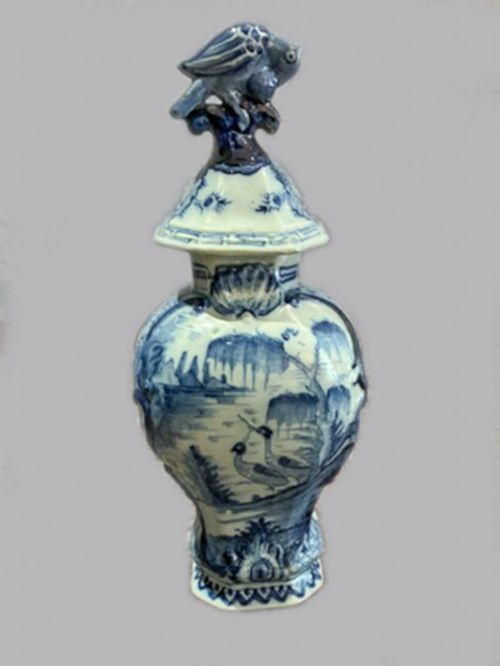
A covered baluster vase stands as a commanding vessel of ceramic art, combining a swelling body with a fitted lid to anchor any room.

Covered Baluster Vase
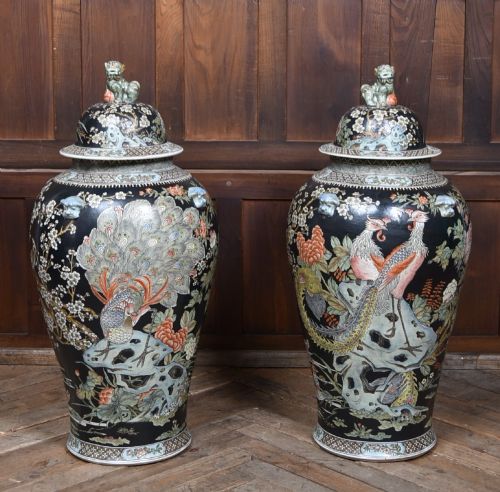
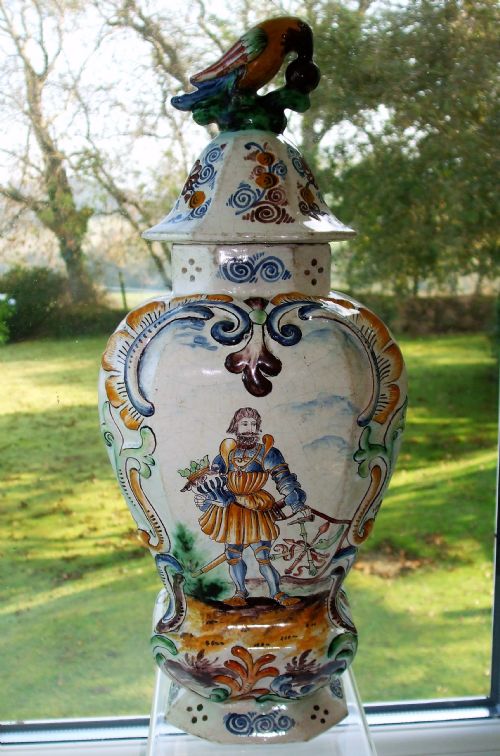
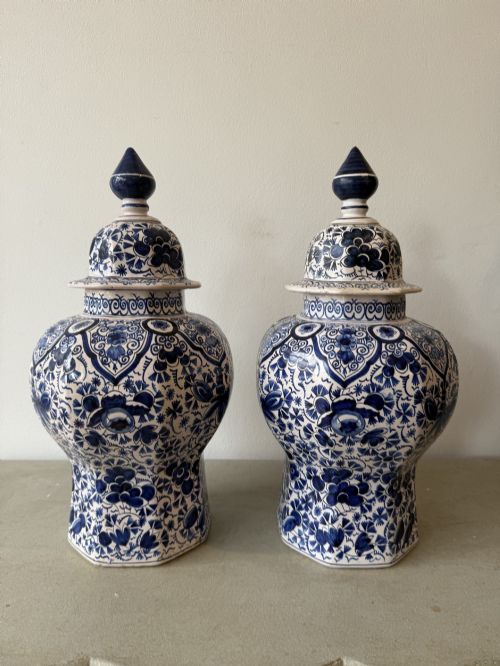
A covered baluster vase is defined by its characteristic silhouette, which swells gracefully towards the centre before tapering down to a footed base, accompanied by a matching lid. When searching for a covered baluster vase, collectors frequently encounter pieces originating from Dutch Delftware potteries and East Asian traditions such as Japanese Imari and Chinese Qing styles.
The selections span significant historical periods, running from seventeenth-century works through eighteenth-century examples up to nineteenth-century productions and early twentieth-century interpretations. Forms vary from modest mantel ornaments to monumental floor vases and large hall jars designed for prominent display.
Many items survive in pairs, offering symmetry for architectural settings or grand mantelpieces. Others emerge singly, serving as focal points within collections of tin-glazed earthenware, ironstone, and fine porcelain.
Materials and construction methods
Makers utilised high-fired porcelain, ironstone, and tin-glazed earthenware as the primary media for these vessels, shaping clay on the wheel or pressing it into moulds. Once formed, artisans applied mineral pigments, enamel, and underglaze blue to create intricate painted programmes before firing.
Gilding and gold leaf frequently enhance select surfaces, highlighting panel borders and decorative motifs. Certain European adaptations incorporate ormolu mounts to frame the ceramic body and elevate the overall presence of the piece.
Covered Baluster Vase Retail Price Guide 2026
Typical asking prices for covered baluster vase among the pieces listed under this phrase on Sellingantiques today, from the lower quarter to the upper quarter. They describe what is for sale here now, not the wider market.
Some nineteenth-century makers fashioned these vases with such sturdy ironstone that they doubled as imposing hall umbrella stands.
Distinctions in craftsmanship
Quality rests upon the precision of the ceramic forming, the clarity of the painted decoration, and the successful integration of the lid to the body. Superior examples display confident, fluid brushwork across complex Japanese Imari, Dutch Baroque, or Chinoiserie scenes.
The brilliance and stability of the glaze, alongside the crisp application of enamel and gilding, separate standard production pieces from masterworks of the period. The survival of matching original covers in pristine condition further defines the upper tier of these vessels.
The Covered Baluster Vase Glossary
- Baluster
- A vertical architectural shape resembling a pillar or column that swells outward in the lower portion. This distinctive contour gives the form its name.
- Delftware
- Tin-glazed earthenware produced in the Netherlands, particularly associated with blue and white or polychrome decoration mimicking Asian porcelain.
- Imari
- A style of Japanese porcelain featuring a palette of underglaze blue, iron red, and gilt, widely exported to Europe.
- Ironstone
- A heavy, durable ceramic patented in the nineteenth century that combined earthenware clay with slag iron.
- Ormolu
- Cast bronze that has been finished with a finely ground gold-mercury amalgam, often used for decorative mounts on European vessels.
Covered Baluster Vase: Frequently Asked Questions
What is a covered baluster vase?
A covered baluster vase is a ceramic vessel featuring a curved, vase-shaped body that is wider at the bottom or middle than at the neck, accompanied by a matching lid.
These vessels were produced across centuries in Europe and Asia, serving as both decorative art objects and functional containers.
How were these vases used historically?
Historically, these lidded vessels stood upon mantelpieces, side tables, and grand entrance halls as symbols of wealth and sophisticated taste.
Larger floor jars and monumental vases were positioned to anchor the interior architecture of formal rooms.
How do I date a lidded vase?
Dating relies upon examining the ceramic body, glaze characteristics, painting style, and any base marks present on the underside.
Comparing the decorative motifs, such as Dutch Baroque or Qing Dynasty patterns, against known period manufacturing techniques helps narrow the timeline.
How do I care for antique ceramic vases?
Antique ceramic vases require gentle handling away from direct sunlight and dramatic temperature fluctuations to protect the glaze and gilding.
Dusting should be performed softly with a dry, lint-free cloth, avoiding liquid cleaners that might penetrate unglazed areas or damage historical repairs.