



Cream Earthenware Urn
These cream earthenware urn pieces bring refined ceramic artistry to any room, offering classic form and intricate detail for collectors.
Cream Earthenware Urn
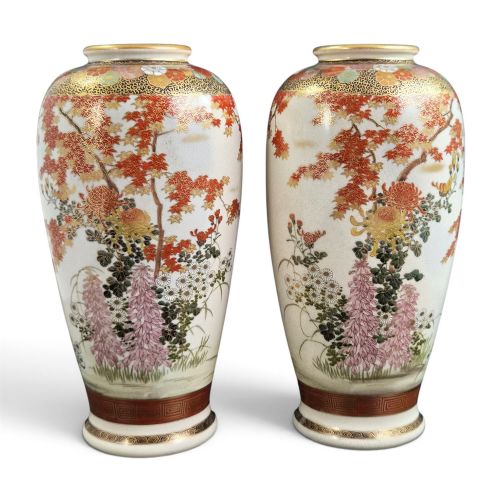
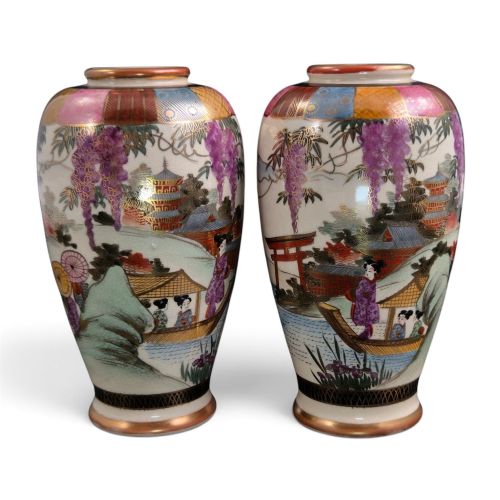
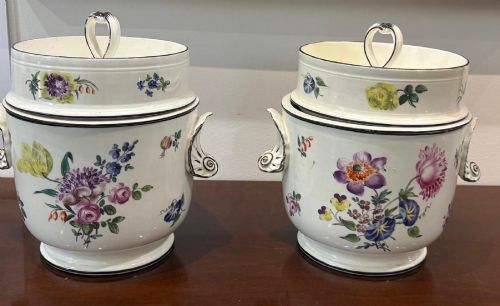
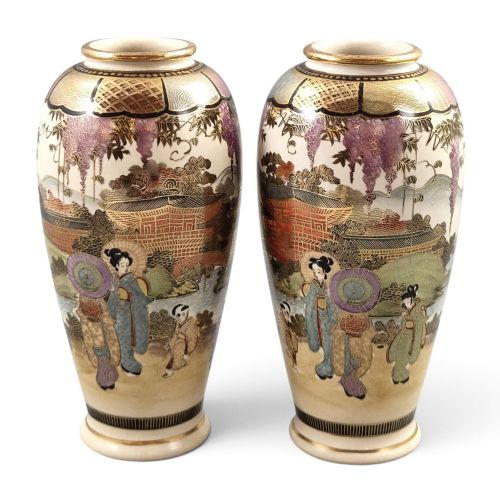
A cream earthenware urn selection typically spans nineteenth and early twentieth century production, incorporating diverse global traditions. Buyers examining this category encounter decorative vases, lidded jars, and jardinieres from English, European, and Japanese makers.
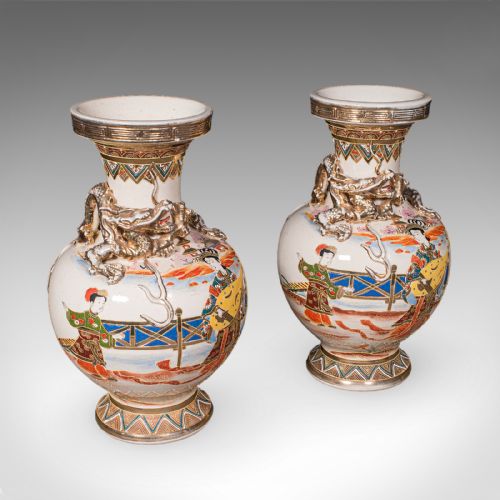
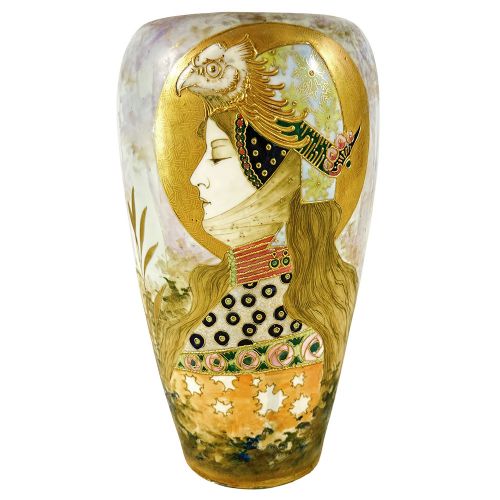
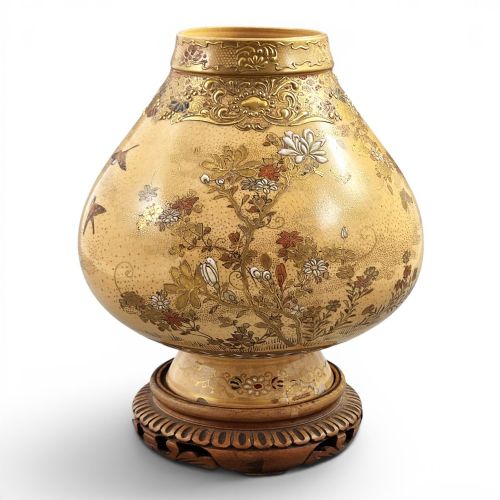
The objects frequently display historic motifs, ranging from traditional landscapes and floral arrangements to figural processions. Pieces often date from the Meiji period or Victorian and Edwardian eras, reflecting distinct cultural aesthetics of those decades.
Production Methods
Potters utilised earthenware clay bodies formed into balanced vessel shapes, subsequently applying glaze to seal the porous material. Surface ornamentation often involved hand-painted enamel pigments combined with delicate gold leaf detailing.
Kiln firing fixed the ceramic body and glaze together before final surface gilding was applied. Workshops relied on skilled artisans to execute intricate figurative scenes and botanical studies directly onto the ceramic surface.
The listings span Victorian, Edwardian, and Meiji period aesthetics, utilising earthenware, enamel, and gold leaf.
Evaluating Quality
Excellence in these items relies upon the precision of the hand-painted decoration and the crispness of the moulded ceramic form. Master workshops achieved finer linework, more harmonious enamel colour palettes, and superior gilding preservation over time.
The reputation of the producing maker or workshop influences the standing of individual vessels within the wider historical field. Greater artistic ambition in the composition and depth of figurative or landscape scenes distinguishes superior examples from standard production.
Kinkozan·Maruni Kobe·Shozan·Chosei·P Ipsens Enke·Robert T Lallement·Reissner Stellmacher and Kessel
The Cream Earthenware Urn Glossary
- Earthenware
- Porous pottery fired at lower temperatures than stoneware or porcelain. It requires a glaze to become impermeable to liquids.
- Satsuma
- A type of Japanese pottery traditionally characterised by an ivory-coloured, crackled glaze decorated with polychrome enamels and gold. It originated in Satsuma Province and gained immense popularity during the Meiji period.
- Jardiniere
- A decorative ceramic pot or stand designed to hold growing plants or flowers. These large vessels often feature prominent handles or pedestal forms.
- Glaze
- A glassy coating fused to the ceramic body through high-temperature firing. It provides a smooth, protective surface that can be transparent, coloured, or opaque.
Cream Earthenware Urn: Frequently Asked Questions
What are cream earthenware urn pieces used for?
These vessels serve primarily as decorative objects for display within domestic interiors. Historically, larger forms functioned as planters or jardinieres for indoor greenery.
Today, collectors place them on mantelpieces, side tables, or cabinets to showcase their hand-painted decoration and historic form. Their sculptural presence allows them to act as focal points in traditional and eclectic room settings.
How can I identify the period of an urn?
Dating relies upon stylistic markers, artist signatures, and underlying ceramic characteristics. Nineteenth-century pieces often exhibit distinct regional decorative conventions tied to specific manufacturing centres like Kyoto.
Examining the base for maker marks, workshop stamps, or painted signatures provides a direct link to specific periods such as the Meiji era or the Edwardian years.
How do I care for antique ceramic urns?
Maintenance requires gentle dusting with a soft, dry cloth to prevent accumulation on delicate enamel and gilt surfaces. Water should not be placed inside antique vessels unless they are confirmed to be fully watertight and lined appropriately.
Keeping pieces away from direct sunlight protects hand-painted colours and gold leaf from fading over extended periods.
What defines Japanese Satsuma ware?
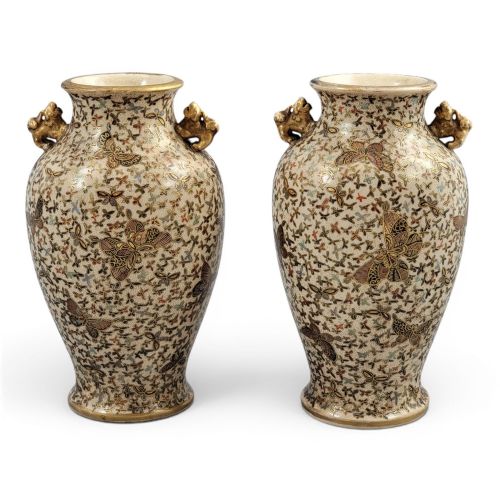
Satsuma pottery is recognised by its distinctive warm cream-coloured earthenware body covered in a fine crackle glaze. Artisans traditionally decorated these surfaces with dense patterns incorporating gold leaf and brightly coloured enamel pigments.
Subjects frequently include detailed nature scenes, historical figures, or traditional landscapes executed by specialised Kyoto workshops.