
Japanese Pottery Urn
When you search for a Japanese pottery urn, you find ceramic vessels formed for display or ritual, carrying the rich decoration of the Meiji, Taisho, and Showa periods.
Japanese Pottery Urn
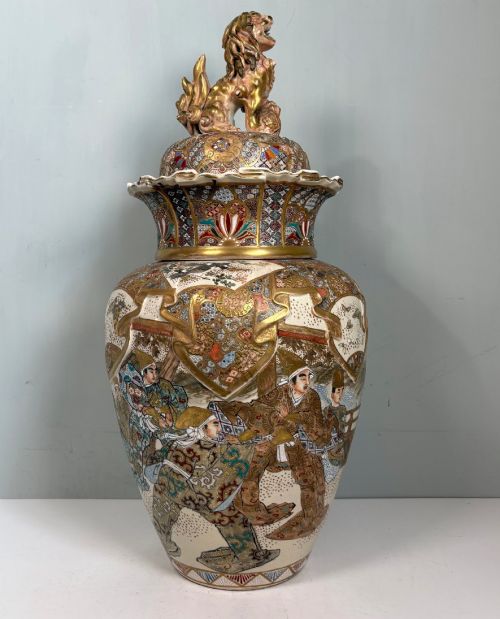
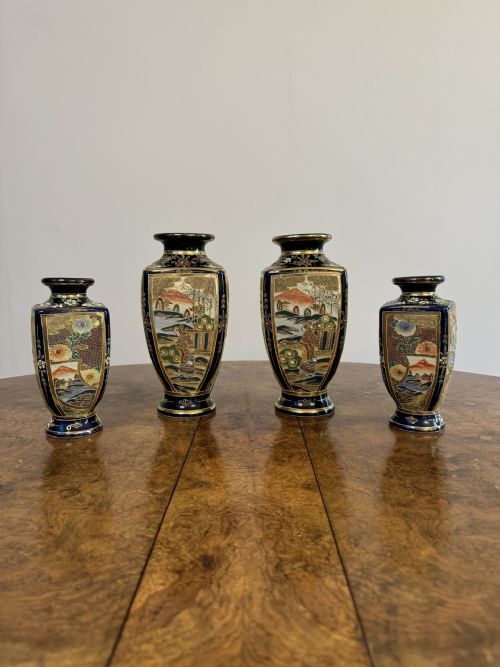
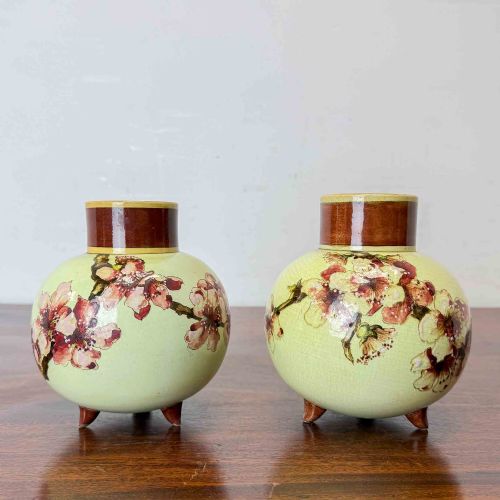
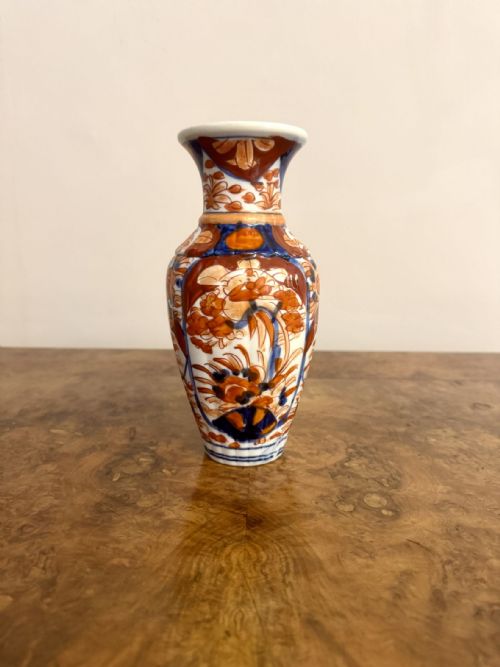
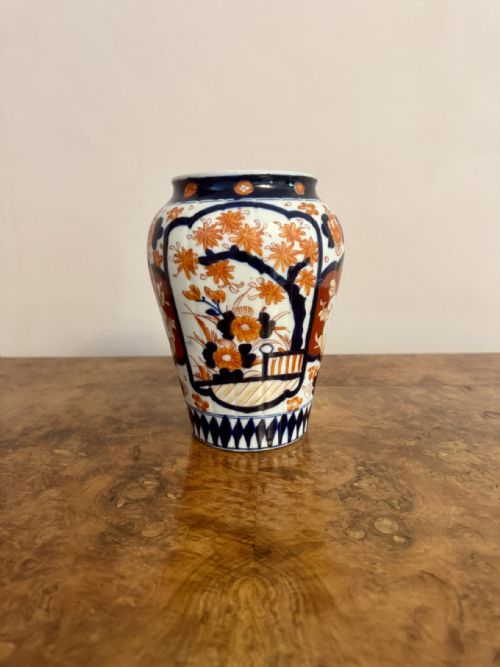
A Japanese pottery urn or vase brings together traditional ceramic forms and intricate surface painting from the nineteenth and early twentieth centuries. These vessels appear as baluster vases, ginger jars, and garnitures created during the Meiji and subsequent periods.
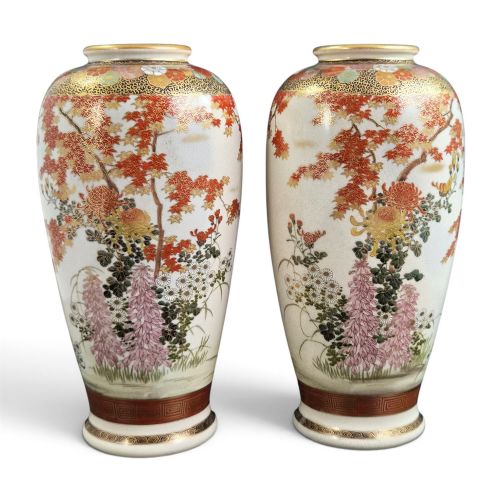
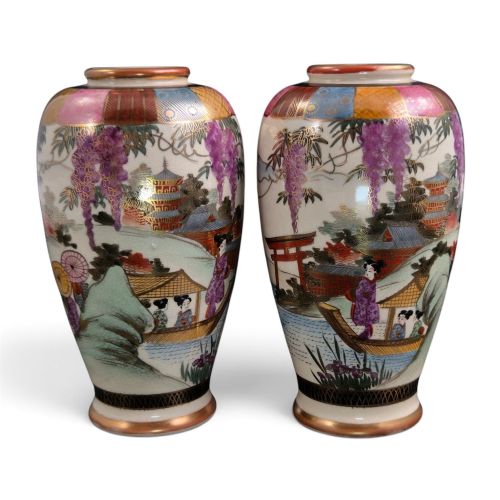
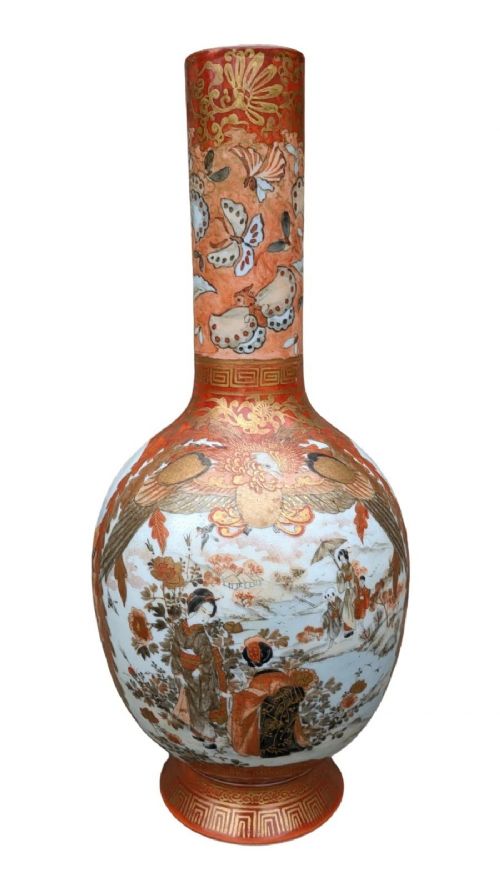
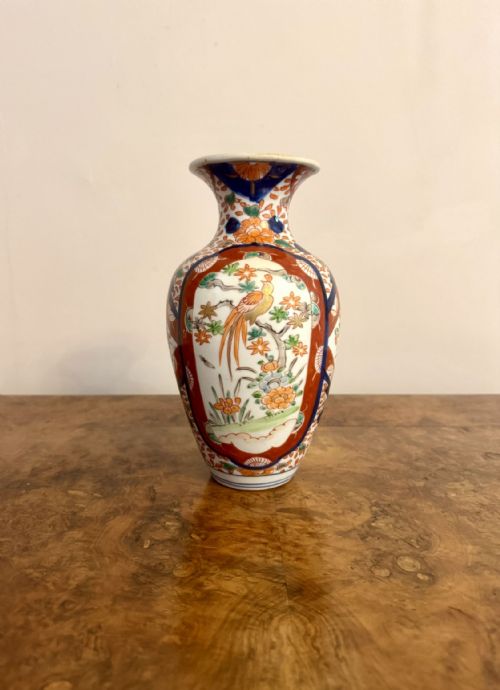
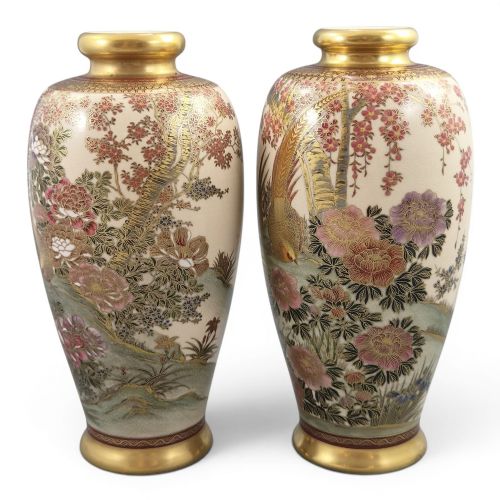
You meet Satsuma earthenware predominantly on this page, alongside Imari porcelain and Kutani wares. Workshops in Kyoto and Kobe produced many of these decorated objects for export and domestic use.
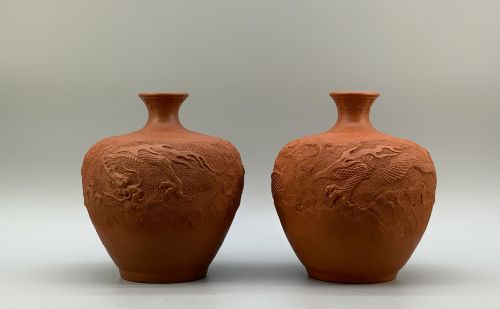
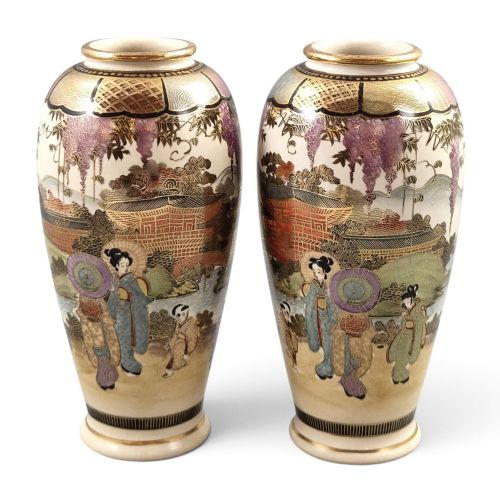
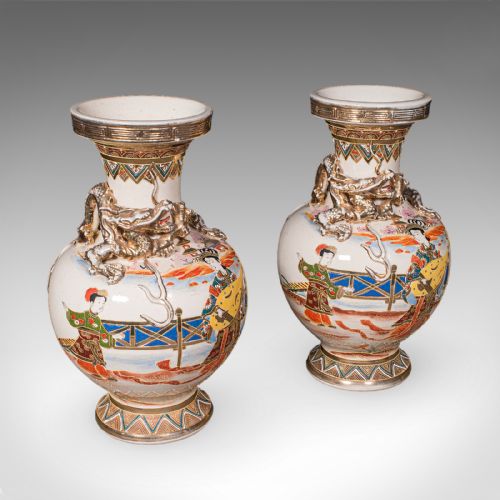
Makers shaped red clay and porcelain into balanced bodies before applying detailed pictorial scenes of court figures, landscapes, and mythical creatures. Many examples survive as pairs, reflecting the Victorian and Edwardian taste for symmetrical mantel display.
Materials and construction
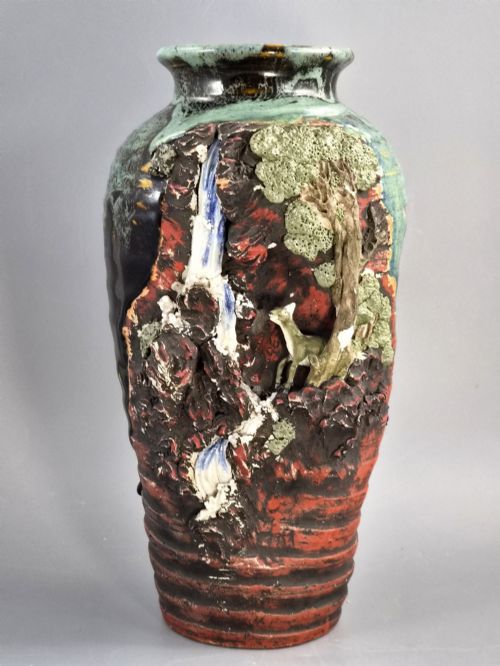
Potters built these vessels using earthenware and porcelain bodies, sometimes employing regional clays such as red Tokoname clay. Artisans then applied colourful glazes and enamels to the fired ceramic surface.
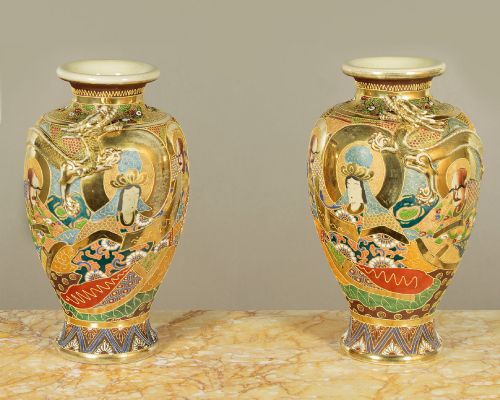
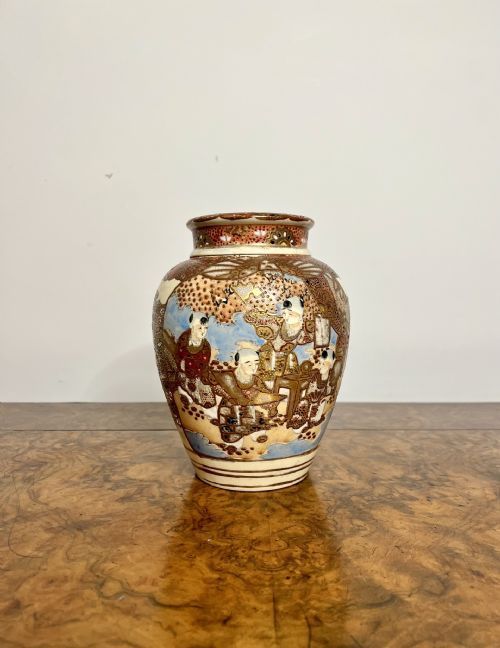
Painters used gold leaf, gilt, and raised enamel work known as moriage to build complex, textured designs across the body of the urn. Workshops finished these pieces with precise hand-painted details depicting flora, fauna, and narrative scenes.
Several vases manage to squeeze a thousand distinct figures and a dragon onto a single ceramic surface.
What separates the tiers
The precision and density of the hand-painted enamel work dictate the distinction between standard and superior pieces. Master workshops employed skilled artists whose brushwork remained crisp and detailed across complex figural compositions.
The integration of heavy gilding and raised moriage decoration contributes to the physical depth of the surface. Finer examples display careful control over the kiln firing, resulting in unblemished glaze and balanced proportions.
Maruni Kobe·Shozan·Manpei·Kinkōzan·Hotoda·Makuzu Kozan·Kinzan·Chosei
The Japanese Pottery Urn Glossary
- Satsuma
- A type of Japanese earthenware with a crackled ivory glaze and polychrome enamel decoration. Artisans often heightened these designs with gold leaf and detailed figural scenes.
- Imari
- A style of Japanese porcelain featuring a distinct palette of underglaze blue, iron red, gold, and green. Kilns in Arita produced these durable export goods for international markets.
- Kutani
- A style of Japanese porcelain known for bold colours and intricate pictorial designs. Pieces frequently incorporate deep greens, purples, and extensive gilding.
- Moriage
- A decorative ceramic technique using piped clay trails to build raised patterns beneath the glaze or enamel. This method creates a textured, tactile surface across the vessel.
- Baluster
- A vase form with a rounded body that tapers toward a narrow neck and flares at the base. This classic shape provides a stable canvas for large narrative paintings.
Japanese Pottery Urn: Frequently Asked Questions
What is a Satsuma vase?
Satsuma ware is a distinct style of Japanese earthenware featuring a pale, finely crackled glaze that absorbs pigments readily. Artists painted these surfaces with complex scenes of figures, landscapes, and flowers, often adding gold highlights.
Originally produced in the Satsuma Province, production expanded to major urban workshops in Kyoto and Kobe to satisfy international demand during the Meiji period.
How do I identify Imari porcelain?
Imari porcelain is instantly recognisable by its traditional palette, which combines deep underglaze cobalt blue with vibrant iron red and supplementary gold leaf. These pieces present dense floral and geometric patterns divided into symmetrical panels.
Named after the port town from which they were shipped, these durable wares were widely collected across Victorian Britain for decorative interior display.
What is moriage decoration?
Moriage is a raised slip-trailing technique where liquid clay is piped onto the surface of an unglazed or glazed ceramic body before firing and painting. This creates a tangible, three-dimensional texture that stands proud of the vessel.
Artisans used this method to outline robes, flowers, and dragons, giving the finished urn a rich, layered appearance that catches the light.
How should I display these urns?
These ceramic vessels require stable placement away from direct sunlight and heavy foot traffic to protect their delicate enamel and gilt surfaces. Many survive as pairs or part of garnitures, allowing for balanced arrangements on sideboards or mantelpieces.
When cleaning, use a soft, dry cloth and avoid liquid cleaners or abrasives that might damage the antique glaze or historical signatures.