




Cream and Gold Vase
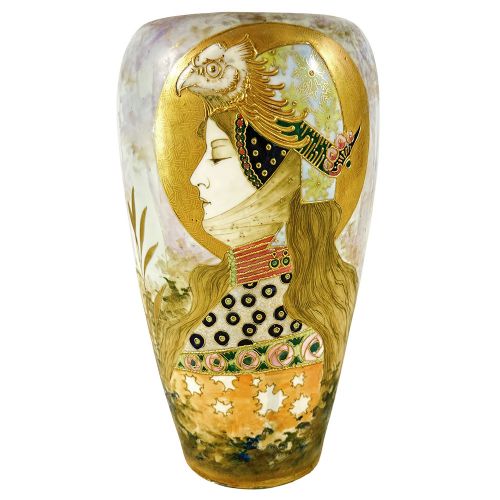
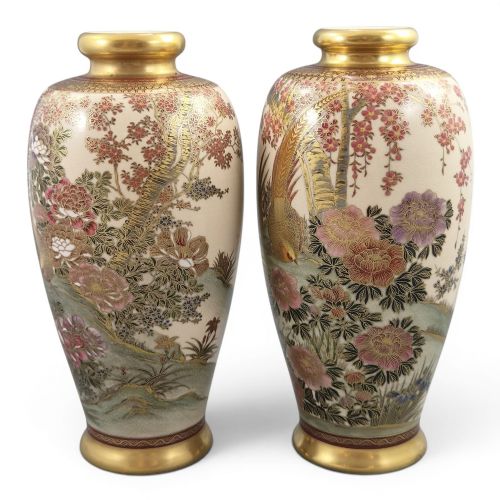
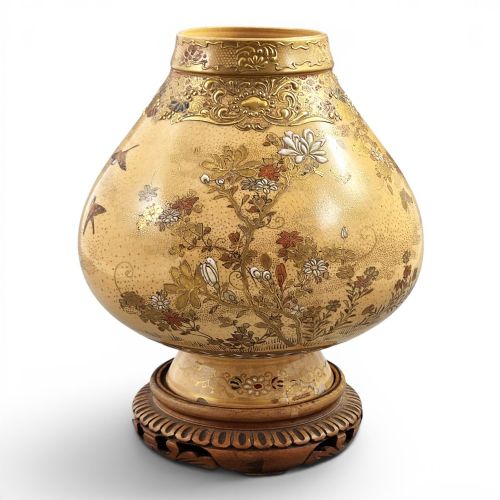
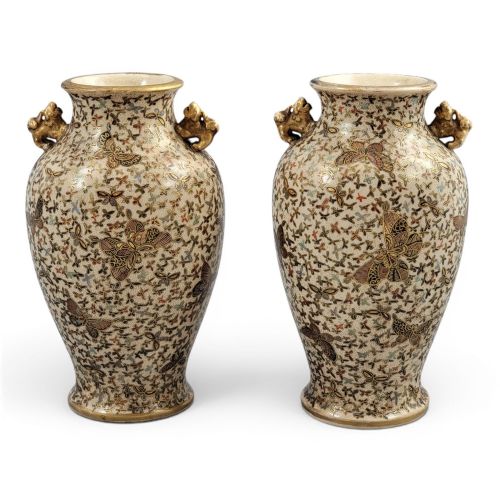
A cream and gold vase brings together pale earthenware or porcelain with rich gilding, creating a striking contrast that catches the eye on any mantelpiece.
Cream and Gold Vase
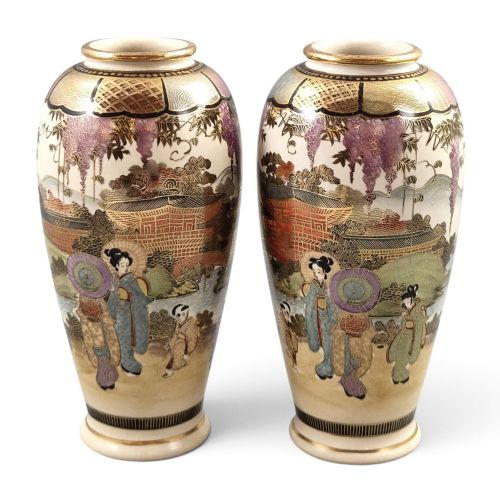
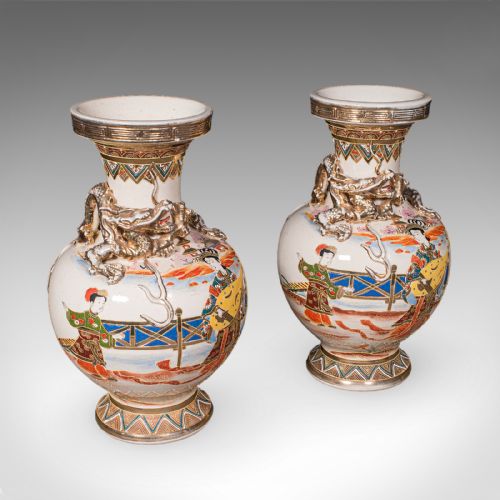
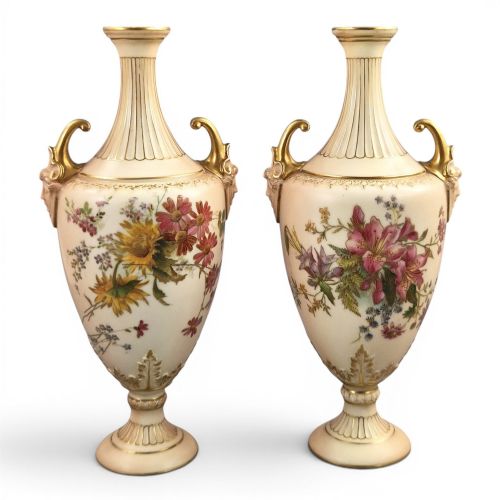
A cream and gold vase spans multiple decades from the nineteenth century into the early twentieth, drawing on Victorian, Edwardian, and Meiji aesthetics. You will most frequently encounter Japanese Satsuma earthenware alongside British porcelain from factories such as Royal Worcester and Doulton Burslem.
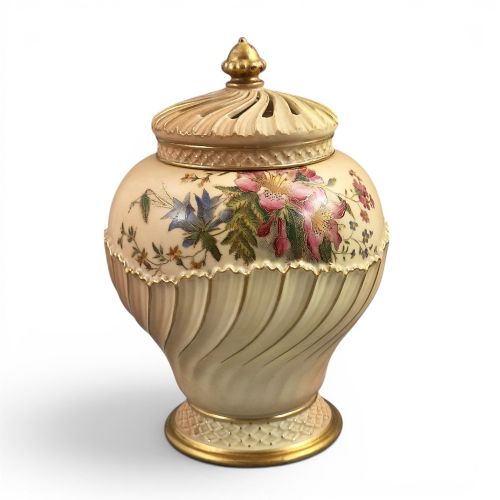
Forms range from diminutive miniature vessels and cabinet pieces to monumental jars, baluster shapes, and converted table lamps. Makers often incorporated detailed figural scenes, flora, or abstract motifs against pale backgrounds enriched with heavy gilding.
These items served primarily as decorative ornaments in period interiors, though many examples were later adapted for electrical lighting or utilised as spill vases.
Distinguishing quality across the range
Quality rests upon the precision of the hand-painted detailing, particularly in the rendering of facial expressions on figural scenes and the delicacy of the floral or geometric patterns. Superior pieces display crisp, densely applied gold leaf and refined brushwork rather than stencilled outlines.
The weight and balance of the ceramic body, alongside the crispness of moulded handles and foot rims, separate standard commercial output from exhibition-grade studio pieces.
Current selections feature numerous Japanese Satsuma earthenware vessels alongside British porcelain from Royal Worcester and Doulton Burslem.
Royal Worcester·Kinkozan Workshop·Doulton Burslem·Reissner Stellmacher and Kessel·Ernst Wahliss
The Cream and Gold Vase Glossary
- Satsuma
- A type of Japanese earthenware featuring a characteristic ivory-coloured crackle glaze and elaborate polychrome and gilt enamel decoration. These wares were heavily produced for export during the Meiji period.
- Blush ivory
- A soft cream-coloured porcelain glaze pioneered by Royal Worcester, typically decorated with muted floral designs and subtle gilding. It mimics the appearance of unglazed Parian ware while remaining sealed.
- Baluster
- A vertical vase form characterised by a rounded lower body that tapers towards a narrow neck and flared rim. The silhouette echoes architectural balusters found on staircases.
- Ewer
- A large jug with a wide spout and looped handle, originally designed for pouring water but frequently produced in ceramic as a purely decorative ornamental vase.
- Gilding
- The application of gold leaf or powdered gold suspended in a medium onto the ceramic surface. It highlights specific design elements and adds reflective warmth to the pale background.
Cream and Gold Vase: Frequently Asked Questions
How do I identify a Satsuma vase?
Satsuma pieces feature a distinctive fine crackle glaze over a buff earthenware body, heavily decorated with enamels and raised gold. Many examples bear artist signatures or workshop marks on the base.
They originated in Japan and gained immense popularity across Europe during the late nineteenth century.
What is blush ivory porcelain?
Blush ivory refers to a soft, matte cream ceramic finish developed by British manufacturers like Royal Worcester. It provides a subtle background for hand-painted floral motifs and gilding.
This finish became a defining characteristic of late Victorian and Edwardian decorative ceramics.
How were these vases used originally?
These pieces functioned primarily as ornamental focal points on mantelpieces, pedestals, and side tables in grand Victorian and Edwardian drawing rooms. Larger jars served as pot-pourri containers, while slender vessels held dried florals or spills.
Many surviving examples were later converted into table lamps during the twentieth century.
How do I care for antique gilded ceramics?
Dust these pieces gently with a dry, soft brush to protect the delicate enamel and gold leaf from abrasion. Avoid using water or chemical cleaners, as moisture can penetrate hairline cracks in the glaze.
Display them away from direct sunlight to prevent fading of the hand-painted pigments.