


Georgian Ceramic Tureen
A georgian ceramic tureen brings eighteenth and early nineteenth century dining ritual straight to the table.
Identifying the georgian ceramic tureen
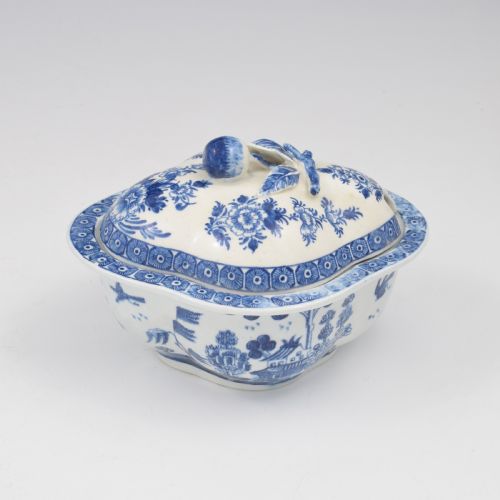
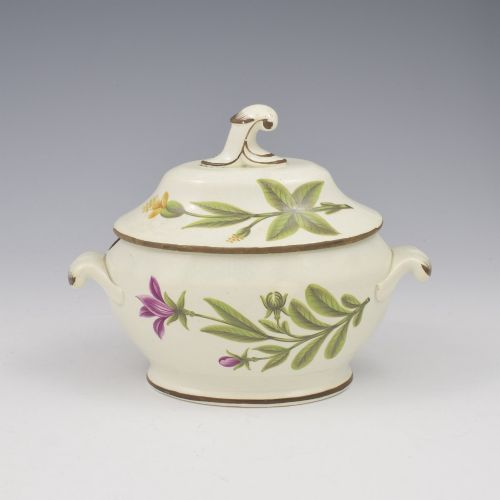
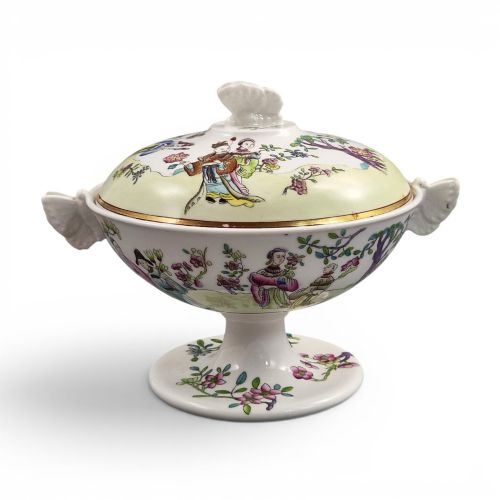
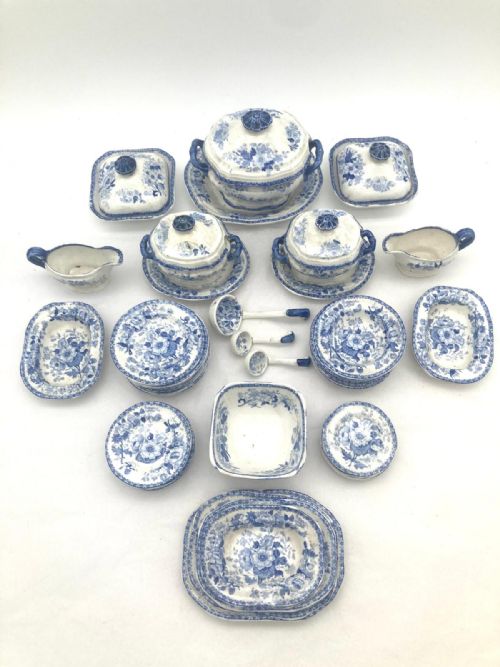
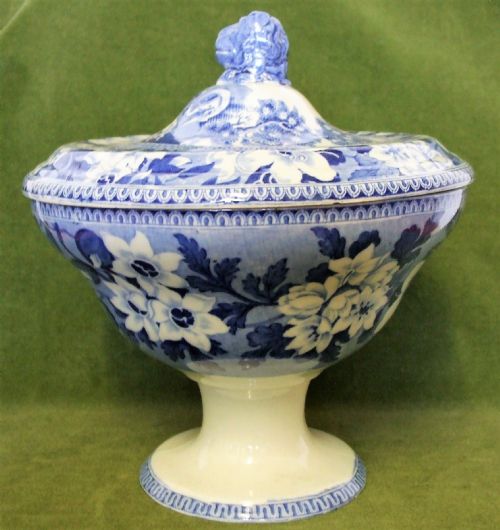
A georgian ceramic tureen provides a substantial covered vessel designed for serving soups, vegetables, or sauces during formal meals. The examples on this page span the late eighteenth century into the nineteenth century, covering the Georgian, Regency, and William IV styles. Forms range from pedestal dessert vessels to vegetable dishes and smaller sauce tureens complete with matching covers and bases.
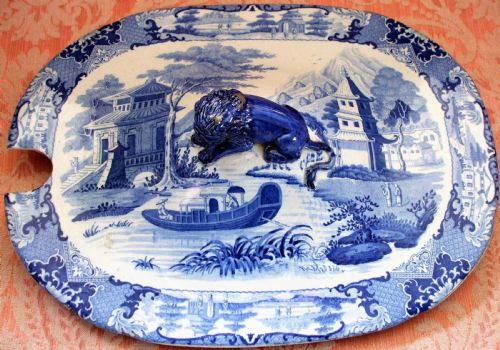
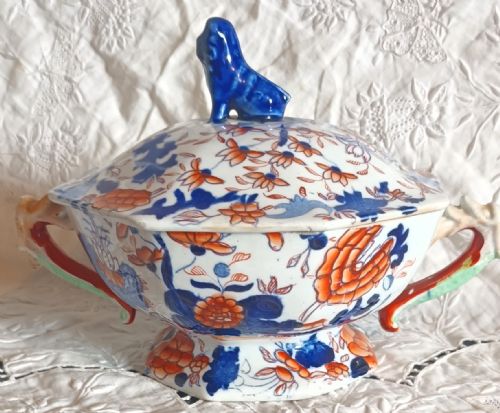
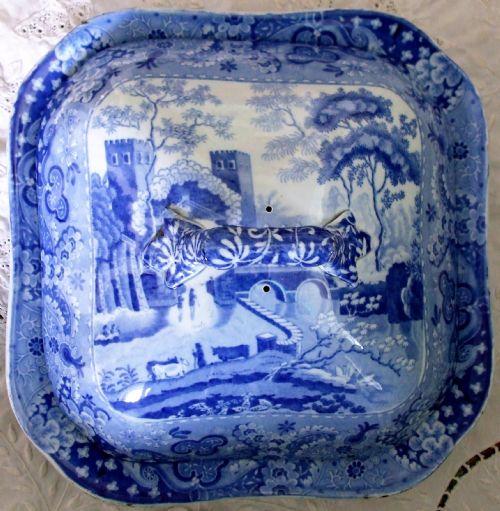
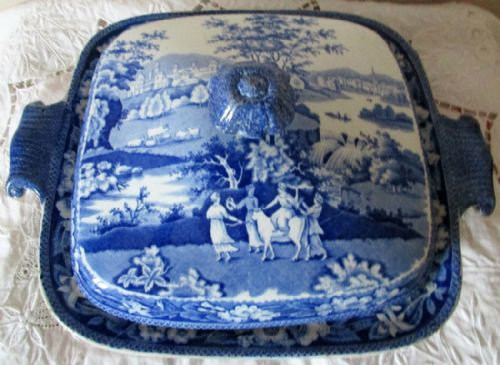
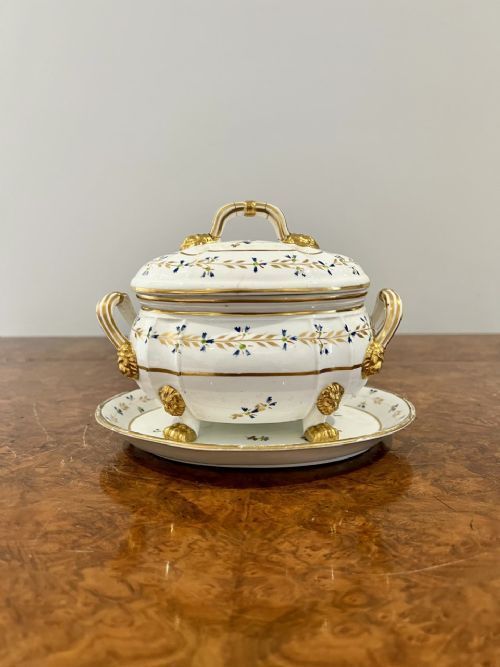
Makers represented in these offerings include Crown Derby, Mason's Ironstone, J. & R. Riley, Rogers, and Davenport. Decoration varies from blue and white transfer prints featuring designs like 'Europa' and elephants with lion-head covers, to polychrome patterns such as Green Mandarin and lavish applications of gold leaf.
Materials and manufacture
Potters constructed these pieces using earthenware, ironstone ceramic, porcelain, and standard ceramic bodies, finished with durable glazes. Surface decoration frequently relied on transfer printing, a technique that allowed intricate scenes like the elephant design to be applied consistently to curved surfaces.
Finishing touches involved hand-painted enamel colours and gilt or gold leaf highlights applied to handles, finials, and rims. Matching covers and bases required precise ceramic moulding so the components fit together securely after kiln firing.
Retail Price Guide 2026
Typical UK retail prices for georgian ceramic tureen, calculated from the Sellingantiques database of over a million retail prices indexed since 2003. This retail price guide relies exclusively on Sellingantiques data; no external sources or auction records are used, so the figures do not describe the wider market.
Several pieces feature fierce lion-head covers standing guard over peaceful vegetable dishes.
Judging quality in ceramic tureens
Quality rests in the crispness of the transfer print and the precision of the hand-applied enamel and gilding. Pieces featuring named makers like Crown Derby or Mason's Ironstone display superior ceramic body refinement and more ambitious sculptural details, such as lion-head covers and pedestal stands.
The sophistication of the form also dictates standing, where matched sets including the original base and cover elevate the object above standard utilitarian service vessels. The survival of delicate gilt work and clean glaze surfaces without heavy rubbing distinguishes finer examples.
Crown Derby·Mason's Ironstone·J. & R. Riley·Rogers·Davenport
The Georgian Ceramic Tureen Glossary
- Ironstone ceramic
- A dense, durable type of earthenware patented in the nineteenth century to rival true porcelain. It resists chipping far better than standard pottery bodies.
- Transfer print
- A method where an engraved copper plate transfers a design onto tissue paper, which is then pressed onto the ceramic biscuit before glazing. This technique enabled uniform pictorial scenes.
- Sauce tureen
- A miniature version of a soup tureen, specifically scaled for gravies and sauces. It usually sits upon its own attached or separate ceramic base.
- Pedestal dessert tureen
- A raised serving vessel designed specifically for sweet courses at the conclusion of a formal dinner. These pieces often stand on an integrated foot or separate pedestal stand.
Frequently Asked Questions
What were these tureens used for?
Dining tables of the period required dedicated vessels for presenting communal courses warm to guests. Larger tureens held soups or vegetables, while smaller sauce tureens kept gravies ready at hand.
Servants brought these covered dishes from the kitchen to the dining room, lifting the lids at the table to serve diners. Today, they serve equally well as decorative centrepieces or practical lidded storage.
How do I care for a ceramic tureen?
Gentle hand washing with warm water and mild soap protects the nineteenth century glaze and delicate enamel decorations. Dishwashers subject these fragile ceramic bodies and gilt highlights to extreme thermal shock and abrasive detergents.
Keep pieces away from sudden temperature changes and avoid harsh scrubbing on transfer-printed or gilded surfaces.
How do I identify the period?
Stylistic markers such as Regency or William IV forms, alongside specific maker marks from potteries like Davenport or Crown Derby, help narrow the date of manufacture. The presence of dense ironstone ceramic typically points towards the nineteenth century.
Transfer print subjects, including classical scenes like 'Europa' or exotic animal motifs, also align with specific decades of production.
Are covers and bases usually original?
Many surviving pieces retain their matching covers and bases, which are moulded specifically to fit the contours of the main vessel. Lion-head covers and matching stands complete the original design intent of the potter.
Checking for consistent glaze colour and matching ceramic bodies helps confirm that all components belong together.