


Antique Masons China
Antique masons china brings robust ironstone ceramic bodies and vibrant enamel palettes to the table, offering durable beauty that collectors prize for everyday use.

What antique masons china is
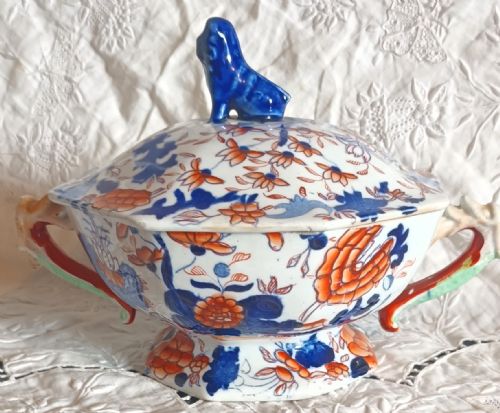
When you search for antique masons china, you encounter heavy ceramic tableware designed to withstand rigorous dining use while displaying striking decorative presence. The pieces available span teapot forms, jugs, dinner services, and covered tureens originating in the nineteenth century, Georgian, and Regency eras.
The most common items you will meet on this page are jugs, tureens, and teapots decorated in vibrant patterns. These wares combine utilitarian strength with the aesthetic ambition of porcelain, making them both practical vessels and cabinet display pieces.
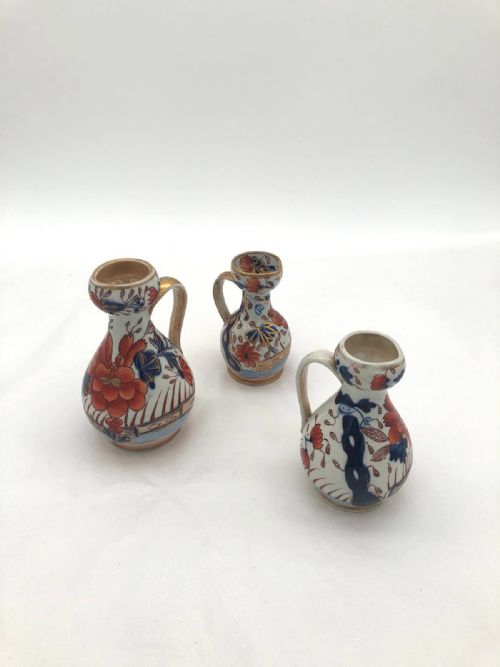
Makers utilised robust bodies to create shapes like the distinctive Hydra jug and elaborate potpourri jars. The surviving examples demonstrate how functional kitchen and dining wares embraced neoclassical and exotic styles during the Regency and Georgian periods.
How antique masons china was made
Potters formed these items from ironstone ceramic, a dense and durable body patented to resist chipping and cracking. This heavy matrix provided a stable foundation for thick glazes and repeated firing processes.
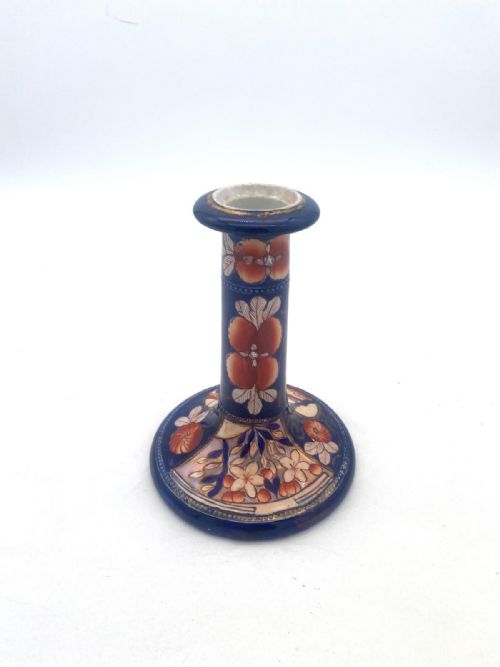
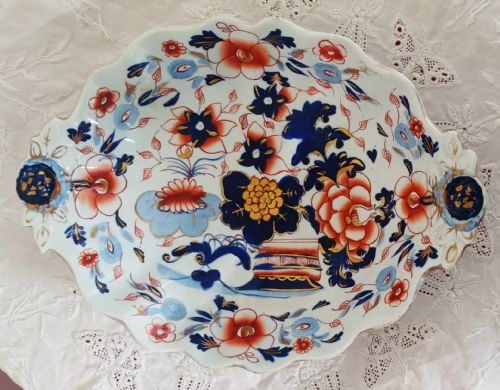
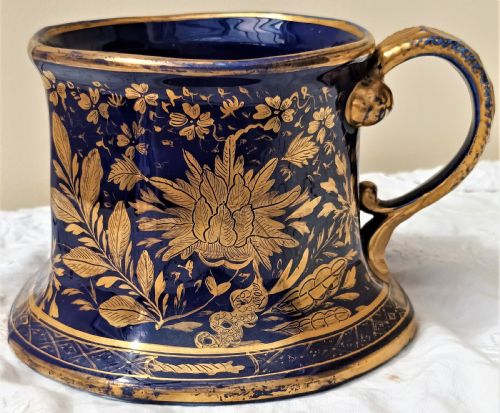
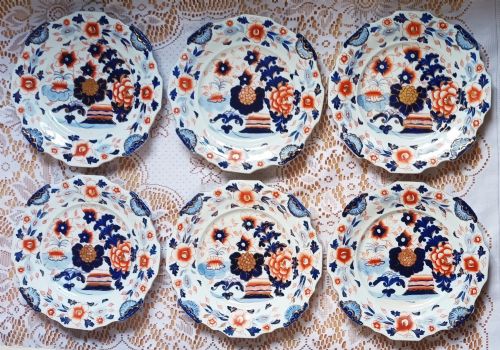
Craftsmen applied hand-painted enamel colours over or under the glaze, often incorporating rich gold leaf details to highlight raised mouldings. The combination of transfer-printing and hand-painting created dense, colourful designs such as the Japan pattern and Grasshopper motif.
Retail Price Guide 2026
Typical UK retail prices for masons china, calculated from the Sellingantiques database of over a million retail prices indexed since 2003. This retail price guide relies exclusively on Sellingantiques data; no external sources or auction records are used, so the figures do not describe the wider market.
Some crocus jugs were cleverly designed with multiple spouts to keep unruly flower stems apart without the need for wire.
What varies in quality
The distinction between standard domestic wares and top-tier cabinet pieces lies in the precision of the hand-painted enamel work and the crispness of the moulded relief. Finer examples display meticulous brushwork and generous application of gold leaf rather than simplified transfer outlines.
The complexity of the form also dictates the grade of the piece, with heavily ornamented crocus jugs and matched tureens commanding greater artistic interest. Preservation of the original glaze brightness and minimal rubbing to the gilt highlights separate superior survivals from heavily used service items.
Higginbotham
The Antique Masons China Glossary
- Ironstone ceramic
- A heavy, vitrified earthenware patented to provide the durability of stoneware with the refined appearance of porcelain. It forms the solid structural base for nearly all pieces in this category.
- Hydra jug
- A specific ceramic jug shape featuring a serpent-form handle and classical proportions. This neoclassical form draws direct inspiration from ancient Greek pottery.
- Pot pourri and cover
- A pierced vessel designed to hold dried scented plant materials while adding a decorative focal point to a room. These lidded jars often feature elaborate moulded details and rich enamel decoration.
- Japan pattern
- A decorative style imitating Japanese Imari porcelain using deep cobalt blues, iron red, and gold leaf. This colourful aesthetic dominated early nineteenth-century ceramic production.
Frequently Asked Questions
What is ironstone ceramic?
Ironstone ceramic is a dense, heavy earthenware body patented in the nineteenth century to provide a durable alternative to porcelain. It resists chipping and staining while accepting rich enamel colours and gold leaf.
This robust material allowed potters to create large dinner services, heavy jugs, and decorative tureens that survived generations of daily dining use without losing their structural integrity.
How do I date these pieces?
Dating relies on identifying the stylistic period, such as Georgian, Regency, or nineteenth century, alongside specific moulded forms like the Hydra jug. The complexity of the enamel palette and pattern names also offer chronological clues.
Examining the base markings, glaze characteristics, and historical pattern numbers helps narrow down the production era to specific decades within the nineteenth century.
Can I use these for dining?
Many items were created as functional tableware, including dinner plates, teapots, and tureens intended for active household service. Their sturdy ironstone bodies make them physically capable of holding food and drink.
However, collectors often limit modern use to preserve delicate hand-painted enamel details and fragile gold leaf highlights from detergent wear and thermal shock.
What are Imari patterns?
Imari patterns draw inspiration from Japanese export porcelain, typically featuring a distinct colour palette of cobalt blue, iron red, and gleaming gold leaf. These designs were widely adopted by English potteries during the Regency period.
The resulting aesthetic is bold, colourful, and highly decorative, making patterned teapots and jars instant focal points in a traditional room setting.