



Masons Ironstone Jug
These masons ironstone jug examples bring robust nineteenth-century ceramic history directly to your table.

What They Are
A masons ironstone jug represents a sturdy nineteenth-century ceramic form designed for practical service and decorative display. The pieces on this page span the Regency and Victorian periods, showing the sustained popularity of this durable earthenware body.
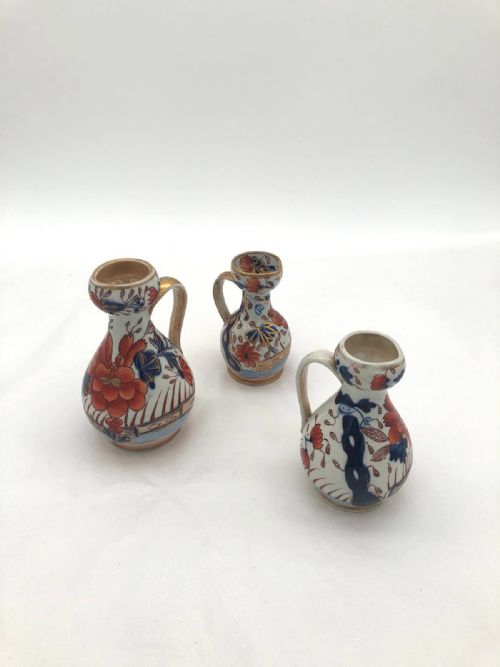
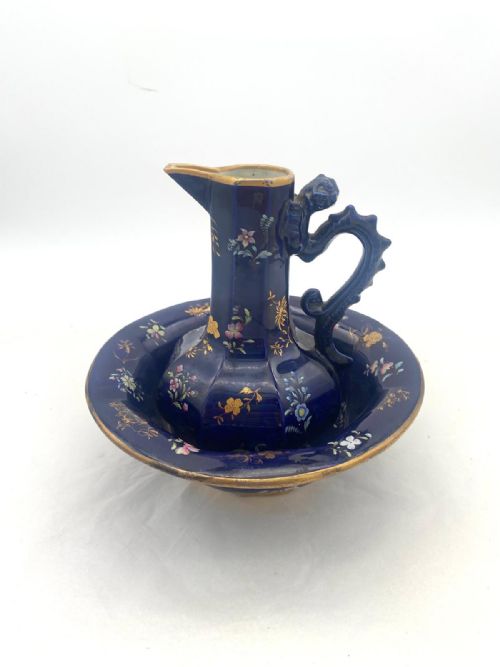
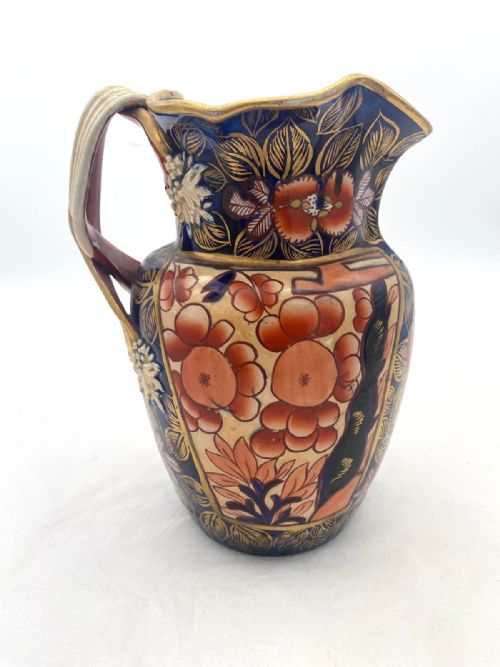
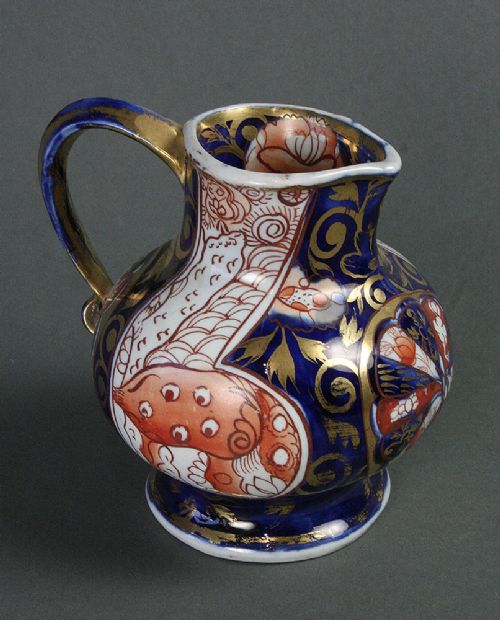
Forms range from individual miniature vessels to large pitchers, ewers, and matching jug and bowl sets. Decorative patterns include the Schoolhouse design, Chinoiserie motifs, floral Crocus arrangements, and Imari palettes.
Most examples originate from the nineteenth century, including specific dates around eighteen-twenty and eighteen-forty alongside broader Victorian eras. Collectors encounter distinctive moulded bodies such as the Hydra shape and grotesque handles.
How They Were Made
Potters constructed these vessels using dense ironstone ceramic bodies designed to resist chipping while holding liquids. Artisans applied glossy glazes over the hardened clay to seal the surface.
Decoration relied heavily on hand-painted enamel colours combined with rich gold leaf gilding. Cobalt blue grounds and red scale patterns appeared alongside moulded serpents and grotesque handles requiring skilled shaping.
Retail Price Guide 2026
Typical UK retail prices for masons ironstone jug, calculated from the Sellingantiques database of over a million retail prices indexed since 2003. This retail price guide relies exclusively on Sellingantiques data; no external sources or auction records are used, so the figures do not describe the wider market.
Several jugs arrive with menacing serpent handles ready to strike, proving that nineteenth-century hydration required a touch of mythological drama.
What Varies in Quality
The standard of painting separates standard production from superior pieces, particularly in hand-applied enamels and detailed Chinoiserie scenes. Crisp definition in moulded elements like the Hydra handle indicates better workshop execution.
The application of gold leaf gilding shows varying levels of preservation and lavishness across different examples. Rich cobalt grounds and complex multi-colour palettes denote higher workmanship than plain utilitarian bodies.
Mason's
The Masons Ironstone Jug Glossary
- Ironstone
- A dense ceramic body patented in the early nineteenth century that combined earthenware clay with slag of ironstone to create a durable, heavy material. It proved far stronger than traditional porcelain while retaining a refined appearance.
- Hydra
- A classical snake-handled form frequently utilised on nineteenth-century jugs, featuring a moulded serpent curving to form the handle. This distinctive shape drew inspiration from ancient Greek pottery styles.
- Imari
- A decorative style employing a distinctive palette of cobalt blue, iron red, and gold leaf highlights. The aesthetic originated in Japan and heavily influenced nineteenth-century English ceramic decoration.
- Chinoiserie
- European artistic interpretations of Chinese and East Asian decorative motifs. These designs typically feature fanciful landscapes, figures, and architectural elements painted in vibrant enamels.
Frequently Asked Questions
What is ironstone?
Ironstone is a heavy, durable ceramic material patented during the early nineteenth century to provide a strong alternative to porcelain. It resists chipping and handles daily use exceptionally well.
Potters utilised this dense body for utilitarian vessels that required both structural strength and a smooth surface suitable for bright enamel decoration and gilding.
How old are these jugs?
The pieces available range primarily across the nineteenth century, encompassing the Regency and Victorian eras. Specific examples date from around eighteen-fifteen through to eighteen-seventy.
Evaluating the approximate age involves examining the ceramic body, glaze characteristics, and the style of hand-painted or moulded decoration applied to each vessel.
How do I clean ironstone?
Cleaning these nineteenth-century ceramics requires gentle washing in warm water with mild soap using a soft cloth. Avoid harsh scourers and automatic dishwashers to protect the historic glaze and delicate gold leaf.
Careful handling preserves the hand-painted enamel colours and prevents accidental damage to fragile moulded elements like grotesque handles.