


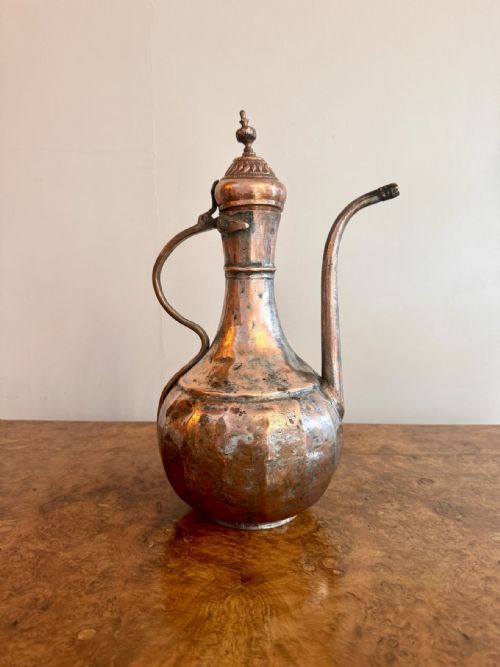


19th Century Ewer
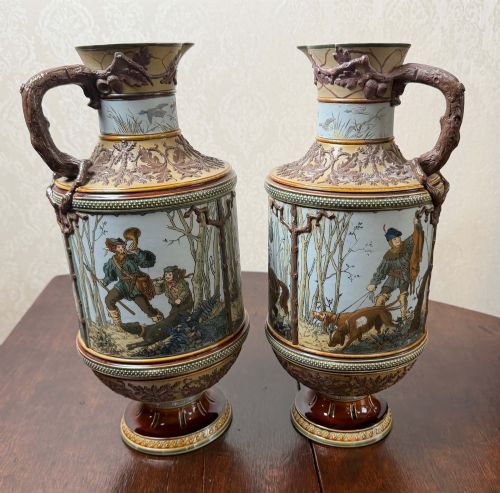
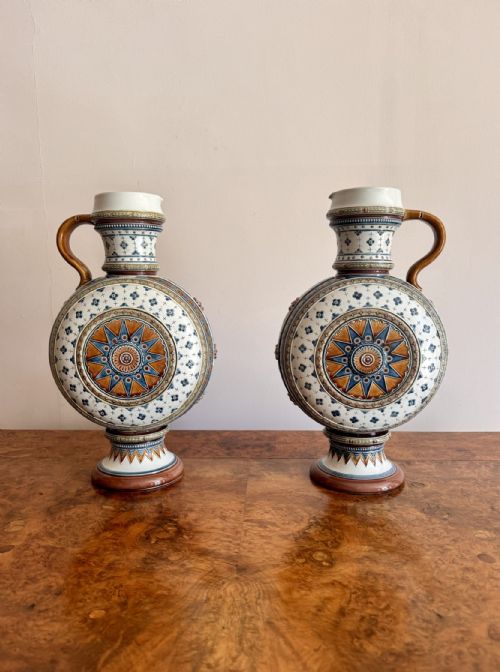
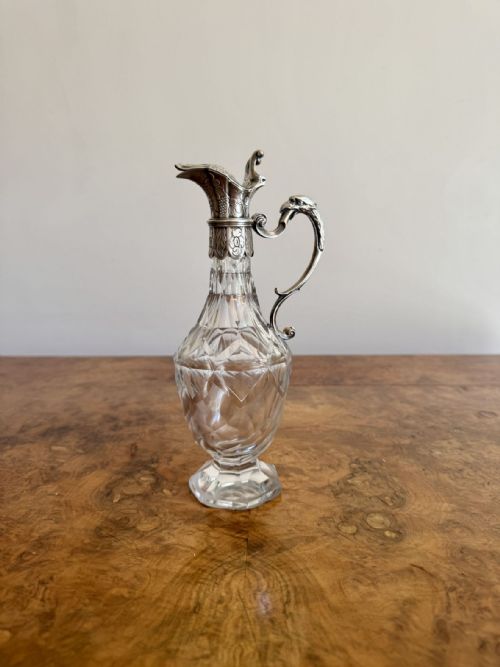
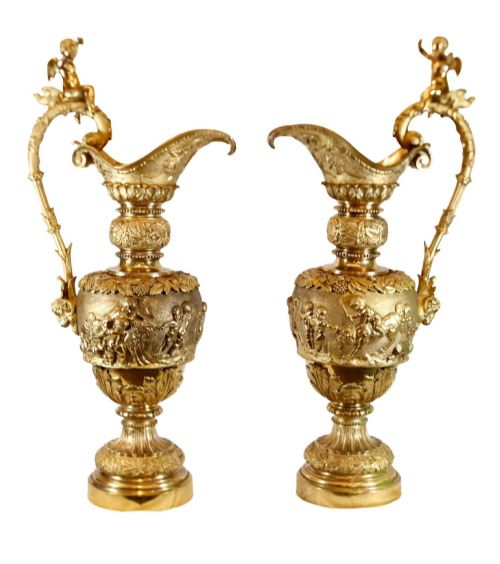
A 19th century ewer brings classical form and decorative presence into a room, serving as a striking display piece or table lamp.
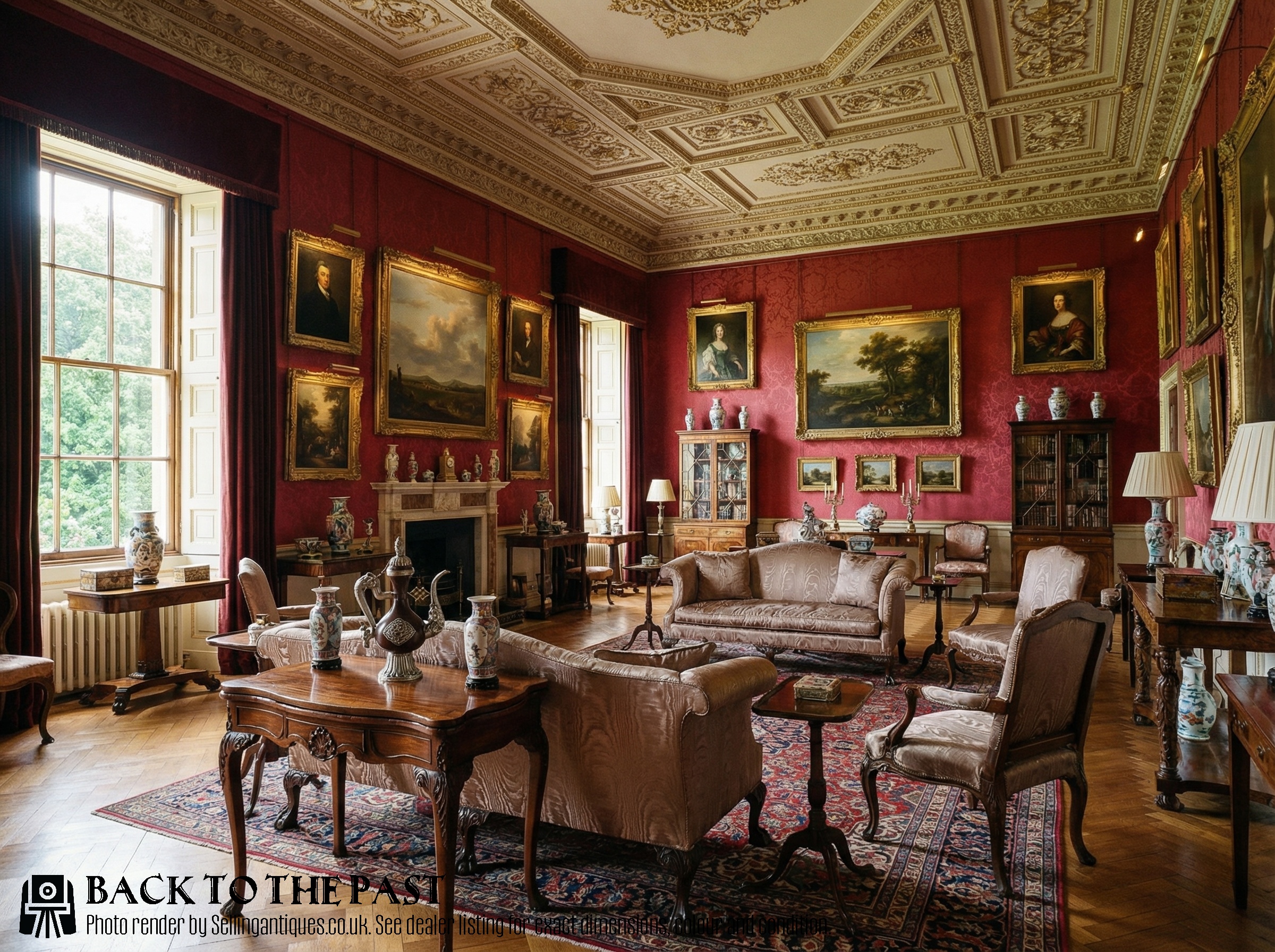
19th Century Ewer
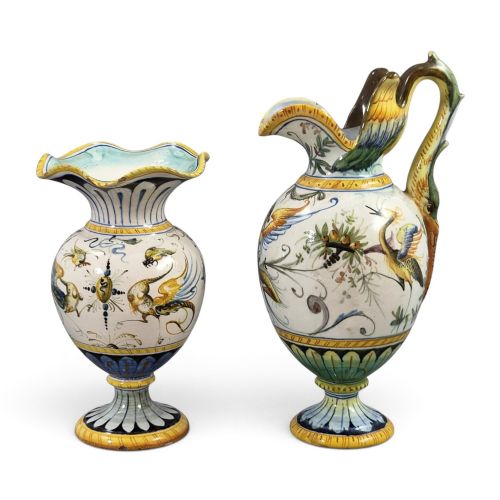
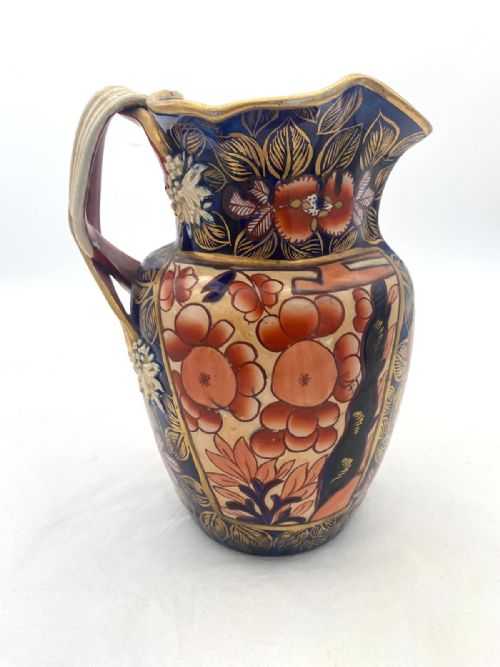
A 19th century ewer takes the form of a traditional water pitcher or ceremonial vessel, originating from diverse cultural traditions including Victorian Britain, continental Europe, and the Middle East. These decorative objects span functional tableware such as ironstone wash jugs to ornamental bronze and glass showpieces created for display.
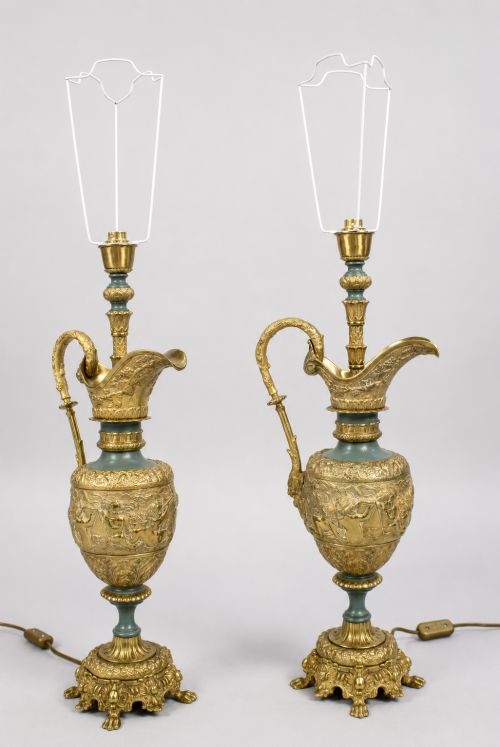
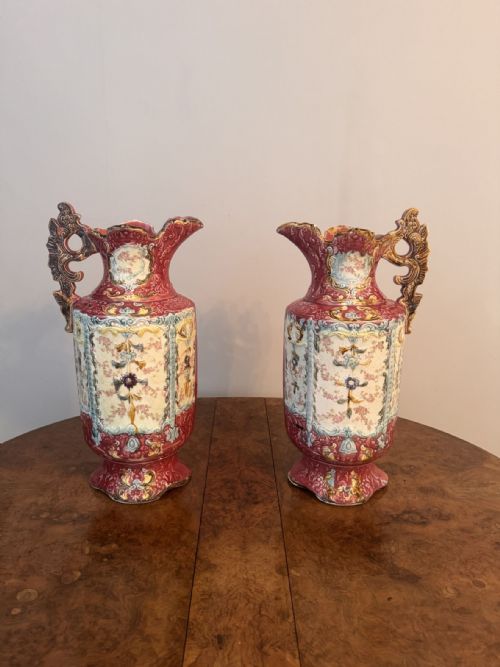
The varieties met on this page range from porcelain and earthenware jugs to bronze and ormolu revival vessels, often produced in pairs or converted later into table lamps. Makers and potteries embraced eclectic styles, resulting in items that merge classical utility with intricate Victorian aesthetics.
Materials and construction
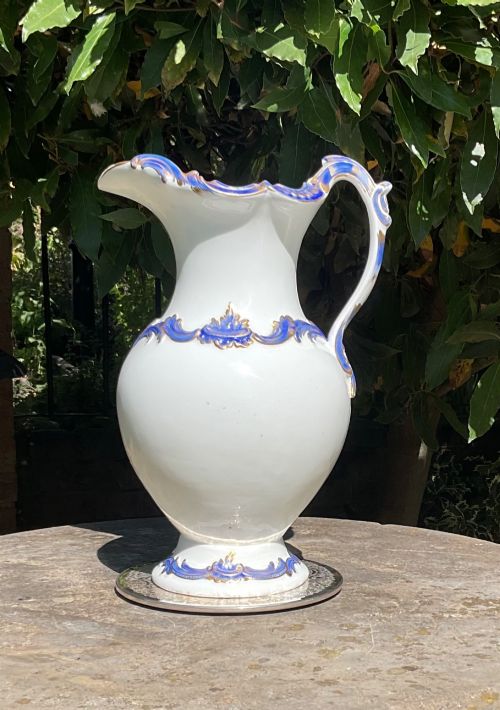
Pottery and porcelain pieces utilise ceramic bodies shaped by casting or moulding, finished with coloured glazes, enamel decoration, or hand-painted gilt appliqués. Ironstone and earthenware provide robust structures, while fine porcelain allows for delicate reticulated patterns and raised gold motifs.
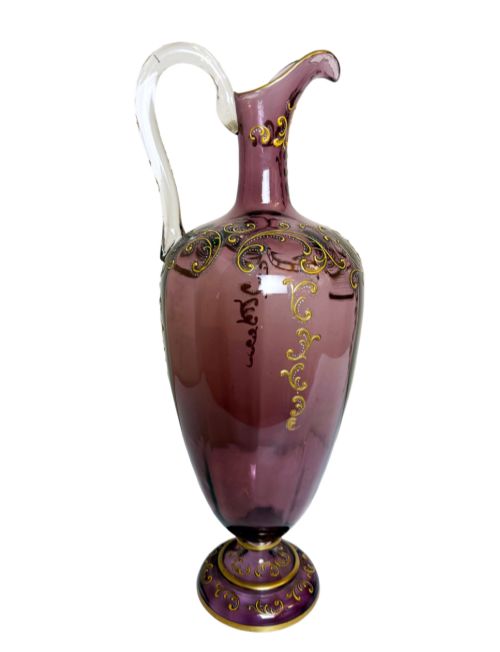
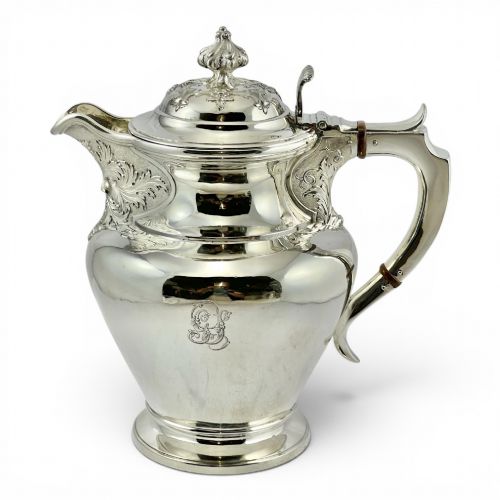
Metal vessels combine bronze, brass, copper, and silver plating, often cast in classical or Renaissance revival designs with applied handles and decorative mounts. Glass items employ blown techniques, incorporating coloured glass, crystal, and latticinio decoration.
19th Century Ewer Retail Price Guide 2026
Typical asking prices for 19th century ewer among the pieces listed under this phrase on Sellingantiques today, from the lower quarter to the upper quarter. They describe what is for sale here now, not the wider market.
Some nineteenth-century water jugs feature handles shaped as grotesque creatures, ensuring a stern mythical beast greets anyone pouring tea.
Assessing quality
Quality rests in the crispness of the casting for metalwork and the precision of the hand-painted detailing on ceramics and glass. Finer examples display balanced proportions, integrated handles shaped as grotesque figures or classical scrolls, and well-preserved gilding.
Standard production items satisfy domestic utility, whereas pieces bearing factory marks from prominent potteries or artistic glasshouses demonstrate superior design ambition and material execution.
Cantagalli Florence·Mason's Ironstone·Grainger Worcester·Doulton Burslem·Royal Crown Derby·Royal Worcester
The 19th Century Ewer Glossary
- Ewer
- A large jug with a wide spout and a curved handle, traditionally used for holding water or wine.
- Ormolu
- Finely ground high-carat gold applied to a bronze base, commonly used for decorative mounts on nineteenth-century pieces.
- Ironstone
- A heavy, durable type of earthenware patented in the nineteenth century to imitate porcelain.
- Latticinio
- A glass-blowing technique featuring fine white or coloured threads embedded within clear glass.
- Reticulated
- Decorated with an openwork net-like pattern, often found on porcelain and ceramic bodies.
- Faience
- Tin-glazed earthenware produced in France and other European regions, often featuring painted figurative scenes.
19th Century Ewer: Frequently Asked Questions
What is a 19th century ewer?
A 19th century ewer is a decorative pitcher or water vessel shaped with a pronounced spout and handle, drawing on historical designs from classical antiquity to the Renaissance revival.
These items were produced in ceramic, glass, and metal, functioning historically for washing or serving wine, and later valued purely for interior decoration.
How were they used historically?
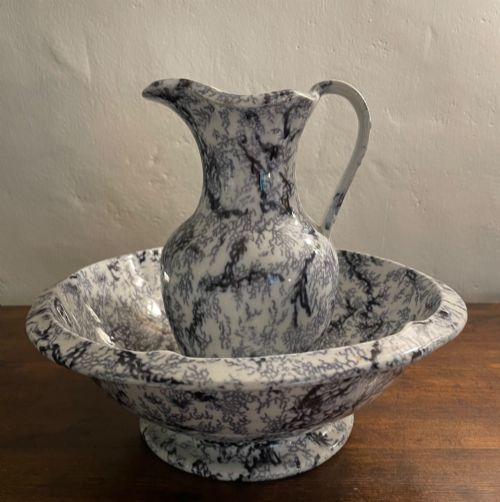
Many nineteenth-century vessels formed part of wash sets, paired with matching basins for bedroom use, while others served ceremonial or dining purposes.
Metal and glass variants were often displayed on sideboards or tables as ornamental showpieces, and later examples were frequently adapted into lighting.
How do I style one in a modern home?
An antique ewer functions effectively as a standalone decorative object on a mantlepiece, sideboard, or open shelf, introducing sculptural form and historical texture to a room.
Pieces already converted into table lamps provide both ambient lighting and a distinctive focal point for a living space or study.
How do I identify different styles?
Styles are recognised through decorative motifs and material choices, ranging from the floral panels of English porcelain to the classical figures of French ormolu and bronze pieces.
Examining factory marks, glaze types, and manufacturing techniques helps distinguish regional European output from Middle Eastern metalwork.